My Lord, What a Mornin' Cover Image

My Lord, What a Mornin': SATB, <I>a cappella</I> Choral Octavo

$2.05 USD
Sale price  $2.05 USD Regular price 
Skip to product information
My Lord, What a Mornin' Cover Image

My Lord, What a Mornin': SATB, a cappella Choral Octavo

Spiritual / arr. Harry T. Burleigh

Level: Moderately Difficult

Item: 00-FCC00412

makemusic Cloud badge

Need it now?

Buy Digital Version
$2.05
Shipped

One moment…

Description
This spiritual gem comes from the Franco Colombo catalog---Harry Burleigh's moving arrangement of the African-American spiritual. This work requires a sensitive touch from the singers, yet is effective, whether performed by small or large ensembles.

Don't just read it, hear it, play along with it, and watch your students grow with it. In MakeMusic Cloud, My Lord, What a Mornin': SATB, a cappella Choral Octavo comes alive with professional accompaniment, adjustable tempo, and built-in practice tools that turn solo practice into real progress.

Sample Pages

Sample Audio
0:00
0:00
Sample Video
Additional Details
Series: Franco Colombo Choral Series
Publisher: Alfred Music
Page Count: 8
UPC: 029156150872
SKU: 00-FCC00412

More about this title

About the Arranger: Harry T. Burleigh
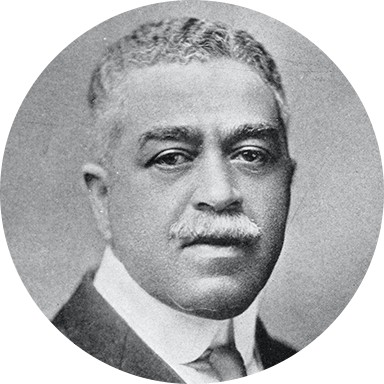
Harry T. Burleigh

Harry Thacker Burleigh (1866–1949) was a pioneering singer and arranger who became one of the most important voices in establishing African-American spirituals as serious concert repertoire. His connection to Antonín Dvořák at the National Conservatory of Music profoundly shaped both composers' understanding of American musical tradition; Burleigh introduced Dvořák to the depth and complexity of Black vocal music during their study together. For over five decades, Burleigh served as a soloist at major New York institutions including St. George's Church and Temple Emanuel, performing and championing the sacred songs of his heritage.

Beyond his performance career, Burleigh's legacy rests on more than 200 compositions and arrangements. His spiritual arrangements remain the gold standard in choral literature, balancing authentic folk expression with sophisticated harmonic language that elevated these works to concert hall status without diminishing their emotional power or cultural roots.

Why we love this

Burleigh's arrangement captures the spiritual's profound dignity and introspection without requiring extensive rehearsal time or doubling. The moderately difficult writing gives choirs real musical substance to sink their teeth into while remaining accessible to strong high school and community ensembles, making this both a meaningful learning experience and a genuinely moving performance.

What to expect

This arrangement breathes with quiet reverence and emotional clarity. The spiritual's message emerges through Burleigh's respectful harmonic treatment; there is sorrow and hope interwoven, with moments of radiant beauty that feel earned rather than imposed.

Who it's for

Any choir at the intermediate level or beyond will find this work rewarding. Small ensembles benefit from its lean scoring, while larger groups can achieve rich sonority through careful balance rather than relying on numbers alone.

How to get the most out of it

  • Shape each phrase through dynamics rather than tempo changes. Let the text and harmonic movement guide your singers toward the natural ebb and flow of the spiritual without pulling the tempo around.
  • Balance is critical in a cappella writing; have the upper voices practice at a whisper occasionally so the lower voice parts can find secure intonation without being buried.
  • Encourage singers to listen for the spiritual's call-and-response character embedded in Burleigh's arrangement. The antiphonal moments between voice sections should feel conversational, not mechanical.

How to use it

Pair this with other Burleigh arrangements or spirituals to create a meaningful thematic concert set, or use it as a centerpiece in a festival program where it can stand alongside both sacred and secular literature. It also works beautifully as a closing piece for a concert exploring African-American contributions to American music.

Skills your students will build

  • Singing a cappella with secure intonation across all voice parts
  • Interpreting and executing dynamic shaping to convey text meaning
  • Balancing four-part harmony where all voices carry equal musical importance
  • Understanding the historical and cultural context of the spiritual tradition

You May Also Like
