Muziki Vuma Cover Image

Muziki Vuma: 2-Part Choral Octavo

$2.25 USD
Sale price  $2.25 USD Regular price 
Skip to product information
Muziki Vuma Cover Image

Muziki Vuma: 2-Part Choral Octavo

(Music in the Air -- Swahili)

Music by Patsy Ford Simms

Item: 00-19279

makemusic Cloud badge
$2.25
Shipped

One moment…

Description
Muziki Vuma means "music in the air" in Swahili, and the text of this infectious, cross-cultural piece is a combination of English and Swahili. It's rhythmic, with an African pulse, and the melodies reflect its African heritage. Rhythm instruments can be easily added, or use the African feel of the SoundTrax CD. Great for choirs of all ages; one of the three editions will be perfect for your group. A fun-to-sing, easy-to-learn cross-cultural piece for your general concerts. Included on Sally's "In the Spotlight!" Video, #19803.

Don't just read it, hear it, play along with it, and watch your students grow with it. In MakeMusic Cloud, Muziki Vuma: 2-Part Choral Octavo comes alive with professional accompaniment, adjustable tempo, and built-in practice tools that turn solo practice into real progress.

Sample Pages

Sample Audio
0:00
0:00
Sample Video
Additional Details
Series: Alfred Archive Edition: Alfred Choral Designs
Publisher: Alfred Music
Page Count: 12
UPC: 038081179247
SKU: 00-19279

More about this title

About the Composer: Patsy Ford Simms
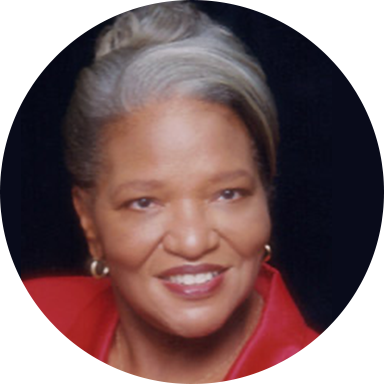
Patsy Ford Simms

Patsy Ford Simms has spent her career solving a problem she encountered firsthand: the shortage of quality choral octavos written for changing voices. Over three decades of teaching grades K-12, she developed an instinct for what junior high and middle school singers need, and that experience shapes every piece she writes. Since her first publication in 1981, she has composed and arranged over 300 works for educational and church markets, earning recognition as a clinician and presenter across Italy and Africa.

Her formal training includes a Bachelor of Science in Music Education from Knoxville College, a Master of Education from the University of Louisville, and a doctorate in Music Education from Columbia Pacific University. Simms has received multiple ASCAP Special Music Awards, and two of her compositions were selected for MENC World's Largest Concerts. Beyond her octavos, she has composed commissioned works and short musicals exploring African American history, reflecting her commitment to bringing diverse voices and stories into the choral classroom.

Why we love this

Simms wrote this piece to fill a genuine need for accessible, engaging material that doesn't talk down to young singers. The fusion of English and Swahili text feels purposeful rather than gimmicky, and the African rhythmic foundation gives students something tangible to lock onto, making parts easier to learn and more rewarding to perform. It's the kind of piece that energizes a concert and leaves your singers wanting to sing it again.

What to expect

Energetic and infectious. The combination of English and Swahili creates a joyful, cross-cultural conversation that feels immediate and alive, not reverential. The rhythmic African foundation gives the piece momentum and dance-like quality that translates into genuine enjoyment for singers and audiences alike.

Who it's for

General choirs of any age will find something to love here, though it's especially suited to middle school and high school singers building confidence with part-singing. The 2-part voicing makes it accessible for smaller or developing ensembles without sacrificing musicality or cultural authenticity.

How to get the most out of it

  • Layer in simple rhythm instruments gradually during rehearsals. Start with just drums or shakers to anchor the African pulse, then add more colors once the melodic lines are solid.
  • Lean into the Swahili pronunciation early. Spend a rehearsal or two on clear vowels and the rhythmic feel of the text; students will connect more deeply with the cultural content when they're not struggling with unfamiliar syllables.
  • If you're using the recorded accompaniment, balance your singers' sound against it so they remain the focus. This piece thrives on energy and forward motion, not polish.

How to use it

This works beautifully as a concert opener or closer, particularly in programs celebrating cultural diversity or world music. It pairs naturally with other global repertoire, or it can stand alone as a crowd-pleaser that reminds audiences why choral music matters. Consider it too for pops concerts or community events where accessibility and joy matter as much as musical rigor.

Skills your students will build

  • Part-singing in 2-part texture
  • Rhythmic precision within an unfamiliar metric feel
  • Pronunciation and diction in Swahili and English
  • Responding to percussive accompaniment and non-traditional harmonic grounding
  • Ensemble blend across contrasting tonal colors

You May Also Like
