Muziki Vuma Cover Image

Muziki Vuma: 3-Part Mixed Choral Octavo

$2.25 USD
Sale price  $2.25 USD Regular price 
Skip to product information
Muziki Vuma Cover Image

Muziki Vuma: 3-Part Mixed Choral Octavo

(Music in the Air -- Swahili)

Music by Patsy Ford Simms

Item: 00-19278

makemusic Cloud badge
$2.25
Shipped

One moment…

Description
Muziki Vuma means "music in the air" in Swahili, and the text of this infectious, cross-cultural piece is a combination of English and Swahili. It's rhythmic, with an African pulse, and the melodies reflect its African heritage. Rhythm instruments can be easily added, or use the African feel of the SoundTrax CD. Great for choirs of all ages; one of the three editions will be perfect for your group. A fun-to-sing, easy-to-learn cross-cultural piece for your general concerts. Included on Sally's "In the Spotlight!" Video, #19803.

Don't just read it, hear it, play along with it, and watch your students grow with it. In MakeMusic Cloud, Muziki Vuma: 3-Part Mixed Choral Octavo comes alive with professional accompaniment, adjustable tempo, and built-in practice tools that turn solo practice into real progress.

Sample Pages

Sample Audio
0:00
0:00
Sample Video
Additional Details
Series: Alfred Archive Edition: Alfred Choral Designs
Publisher: Alfred Music
Page Count: 12
UPC: 038081179230
SKU: 00-19278

More about this title

About the Composer: Patsy Ford Simms
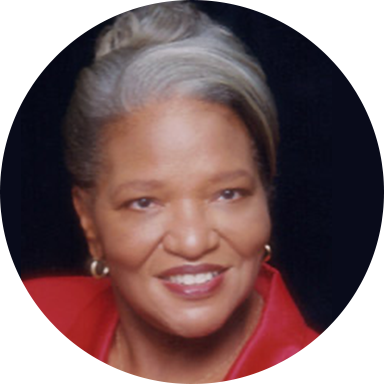
Patsy Ford Simms

Patsy Ford Simms began composing and arranging during her teaching career in the 1980s, driven by the scarcity of accessible choral repertoire for middle school singers. She holds a Bachelor of Science in Music Education from Knoxville College, a Master of Education from the University of Louisville, and a doctorate in Music Education from Columbia Pacific University. Over three decades in K-12 classrooms and at the Youth Performing Arts School, she developed a distinctive voice as a composer and arranger.

Simms has created more than 300 educational and church compositions published by major houses including Shawnee Press. Her work has earned recognition internationally, including presentation invitations to Italy and Africa, multiple ASCAP Special Music Awards, and selection for two MENC World's Largest Concerts. She has also composed commissioned works and short musicals centered on African American history.

Why we love this

Simms writes with genuine understanding of what middle and high school choirs can accomplish. The bilingual text and African rhythmic language make this piece feel contemporary and culturally grounded, yet the three-part writing stays accessible without sounding simplified. It's the kind of piece that energizes a general concert and reminds students why singing together matters.

What to expect

Muziki Vuma radiates warmth and movement. The blend of English and Swahili text creates an immediate sense of cultural connection, while the rhythmic African foundation gives the piece an undeniable forward sweep that feels joyful rather than complex. Singers experience it as accessible and fun to perform.

Who it's for

This piece works beautifully for middle and high school mixed choirs seeking repertoire that reflects diverse voices and musical traditions. It's equally effective for community choirs and festival performances where an uplifting, cross-cultural piece will resonate with both singers and audiences.

How to get the most out of it

  • Emphasize the African pulse by having rhythm section players (or the recorded accompaniment) anchor the groove from the opening; this rhythmic foundation will help singers lock in and feel the piece's forward motion.
  • Speak the Swahili text as a group during early rehearsals to build confidence with the language and clarify the pronunciation naturally before adding melody.
  • Keep the energy consistent across verse and refrain sections; the infectious quality comes from rhythmic momentum, not dynamic contrast.

How to use it

Open a general concert with this piece to set an energetic, inclusive tone, or pair it with other world music selections to build a thematic set. Its straightforward charm and cross-cultural identity also make it an excellent choice for multicultural celebrations, assembly programs, or any context where you want music that connects performers and listeners across backgrounds.

Skills your students will build

  • Singing in mixed meters with African rhythmic patterns
  • Pronunciation and musicality in a non-English language
  • Part independence in three-part writing with rhythmic text
  • Collaborative ensemble singing that emphasizes groove and pulse

You May Also Like
