Muziki Vuma Cover Image

Muziki Vuma: SATB Choral Octavo

$2.25 USD
Sale price  $2.25 USD Regular price 
Skip to product information
Muziki Vuma Cover Image

Muziki Vuma: SATB Choral Octavo

(Music in the Air -- Swahili)

Music by Patsy Ford Simms

Item: 00-19277

Need it now?

Buy Digital Version
$2.25
Shipped

One moment…

Description
Muziki Vuma means "music in the air" in Swahili, and the text of this infectious, cross-cultural piece is a combination of English and Swahili. It's rhythmic, with an African pulse, and the melodies reflect its African heritage. Rhythm instruments can be easily added, or use the African feel of the SoundTrax CD. Great for choirs of all ages; one of the three editions will be perfect for your group. A fun-to-sing, easy-to-learn cross-cultural piece for your general concerts. Included on Sally's "In the Spotlight!" Video, #19803.

Muziki Vuma: SATB Choral Octavo isn't in MakeMusic Cloud just yet...but it could be. Let us know you'd like to see it, and you'll help shape what comes next. In the meantime, start a free trial and dive into thousands of interactive titles your students can play along with today.

Sample Pages

Sample Audio
0:00
0:00
Sample Video
Additional Details
Series: Alfred Archive Edition: Alfred Choral Designs
Publisher: Alfred Music
Page Count: 12
UPC: 038081179223
SKU: 00-19277

More about this title

About the Composer: Patsy Ford Simms
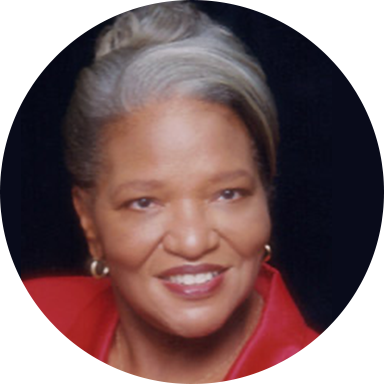
Patsy Ford Simms

Patsy Ford Simms began composing and arranging during her teaching career in response to a gap she identified in the choral literature available for junior high and middle school singers. She holds a Bachelor of Science in Music Education from Knoxville College, a Master of Education from the University of Louisville, and a doctorate in Music Education from Columbia Pacific University. After 30 years of classroom teaching across grades K-12 and at the Youth Performing Arts School, she has become an internationally recognized composer, arranger, and clinician.

Since her first publication in 1981, Simms has composed over 300 works for educational and church markets with major publishing houses including Shawnee Press. Her compositions have been selected for MENC World's Largest Concerts, and she has received multiple ASCAP Special Music Awards. Her clinician work has taken her across the globe, including presentations in Italy and Africa, and she has created commissioned works and short musicals centered on African American history.

Why we love this

Patsy Ford Simms wrote this piece with junior and middle school choirs in mind, and it shows. The combination of English and Swahili text makes the piece immediately engaging for singers who want to expand their musical vocabulary without overwhelming them. The rhythmic African pulse gives your choir an authentic cross-cultural experience while remaining genuinely fun to sing and easy to learn, making it an ideal choice for building ensemble unity in a concert setting.

What to expect

Stepping into this piece feels like stepping into movement and joy. The African-rooted melodies sit naturally in the voice while the rhythmic energy keeps singers engaged, and the blend of English and Swahili creates an immediate sense of cultural bridge-building. It's the kind of music that makes an audience lean forward.

Who it's for

This octavo works for choirs of all ages and vocal maturity levels, from middle school through adult community choirs. The SATB voicing and accessible melodies make it equally suitable for less experienced singers and those seeking a confident, rewarding concert piece without excessive technical demands.

How to get the most out of it

  • Lock in the rhythm section early. The African pulse is the backbone of this piece, so establish the groove with your percussion parts before adding harmony layers.
  • Emphasize the Swahili pronunciation during warm-ups. Spend time on vowel consistency across the text so the English and Swahili phrases feel equally natural.
  • Consider the recorded accompaniment as a starting point, not a ceiling. Once your choir owns the piece, layering in hand percussion or simple rhythm instruments (shakers, djembes, or bells) will deepen the authentic African feel.
  • Let the text shape your dynamics. The "infectious" character comes from varied energy within phrases, so avoid a straight, steady approach.

How to use it

Program this as a concert centerpiece or as a high-energy moment that breaks up a longer set. Its cross-cultural appeal and accessibility make it an excellent choice for spring or end-of-year concerts where you want to celebrate ensemble growth, or for any program that benefits from a shift in mood and tempo.

Skills your students will build

  • Singing in a language beyond English (Swahili pronunciation and text clarity)
  • Maintaining rhythmic independence against an African-influenced pulse
  • Blending harmonies while respecting the piece's percussive, rhythmic character
  • Responding to cultural context in musical interpretation and style
  • Ensemble listening and synchronization with steady rhythm structures

You May Also Like