
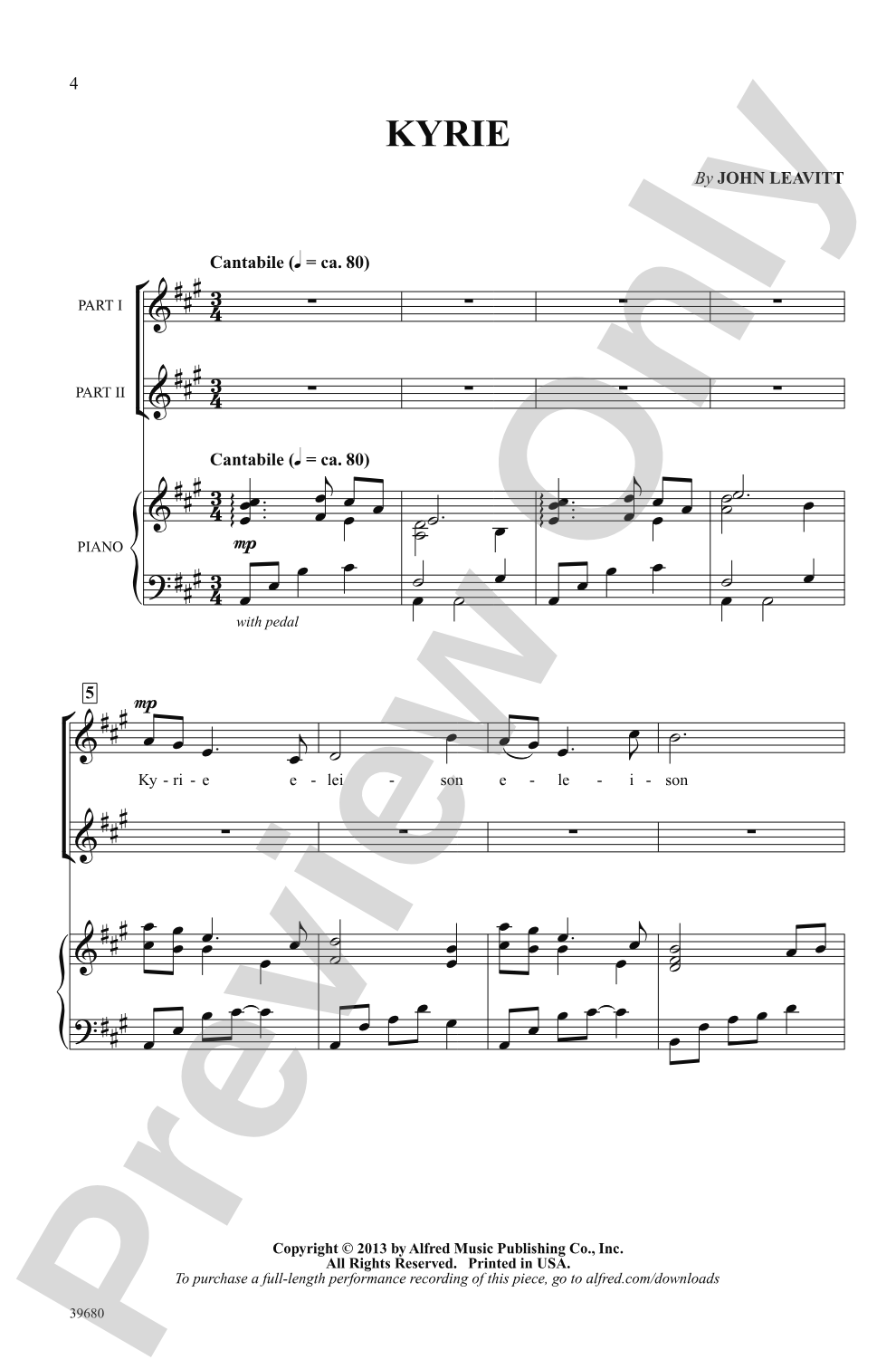
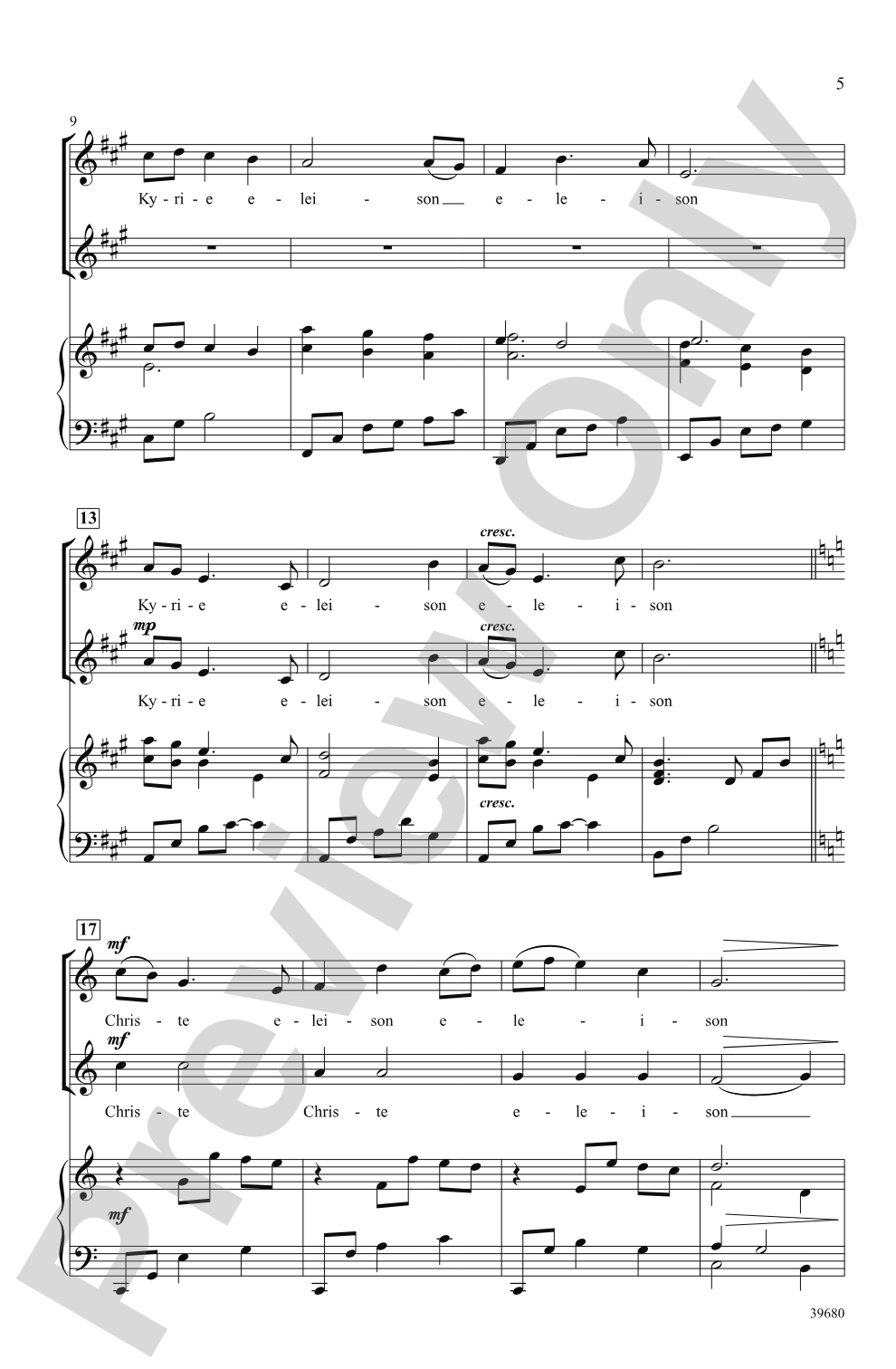
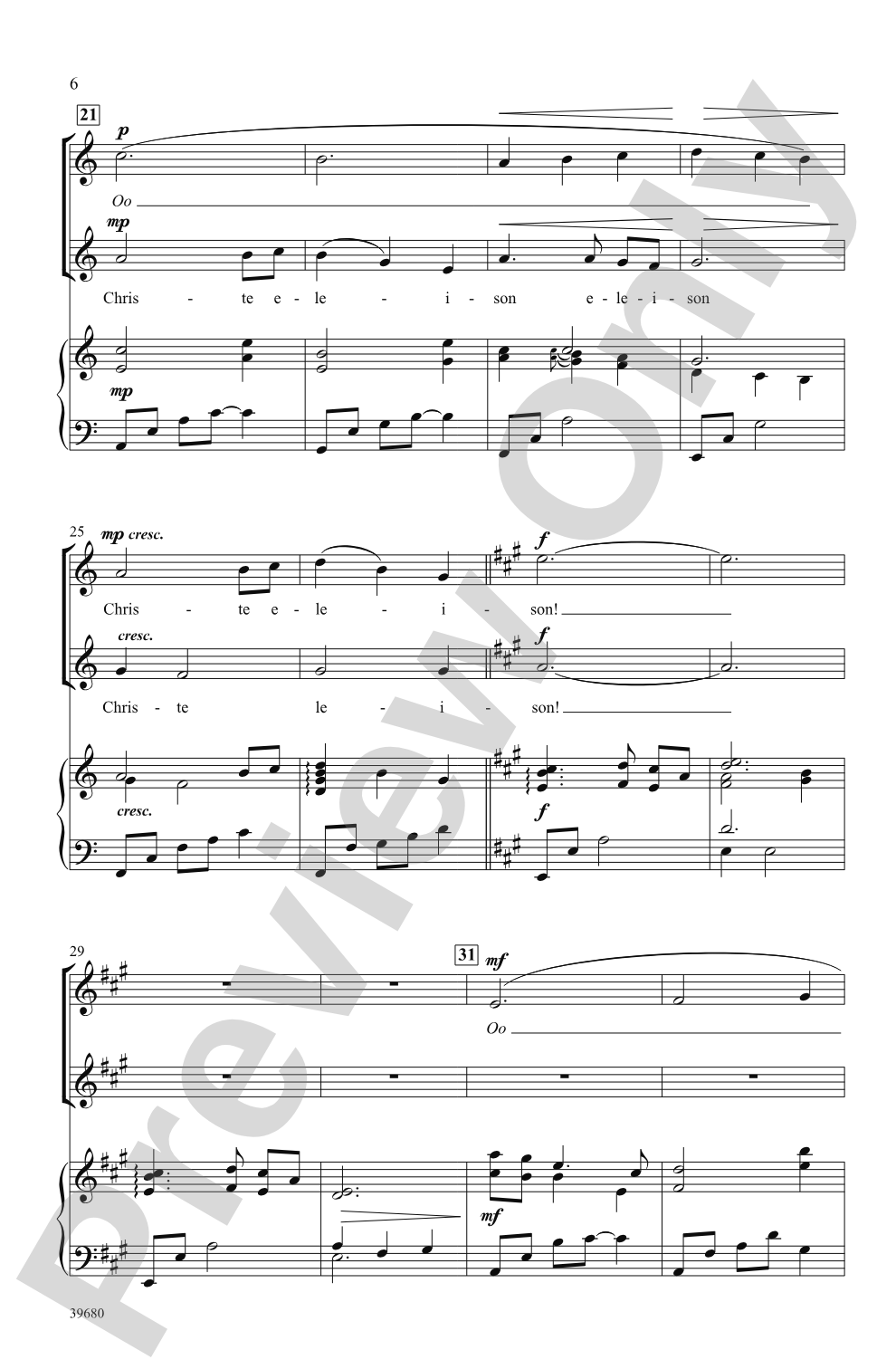
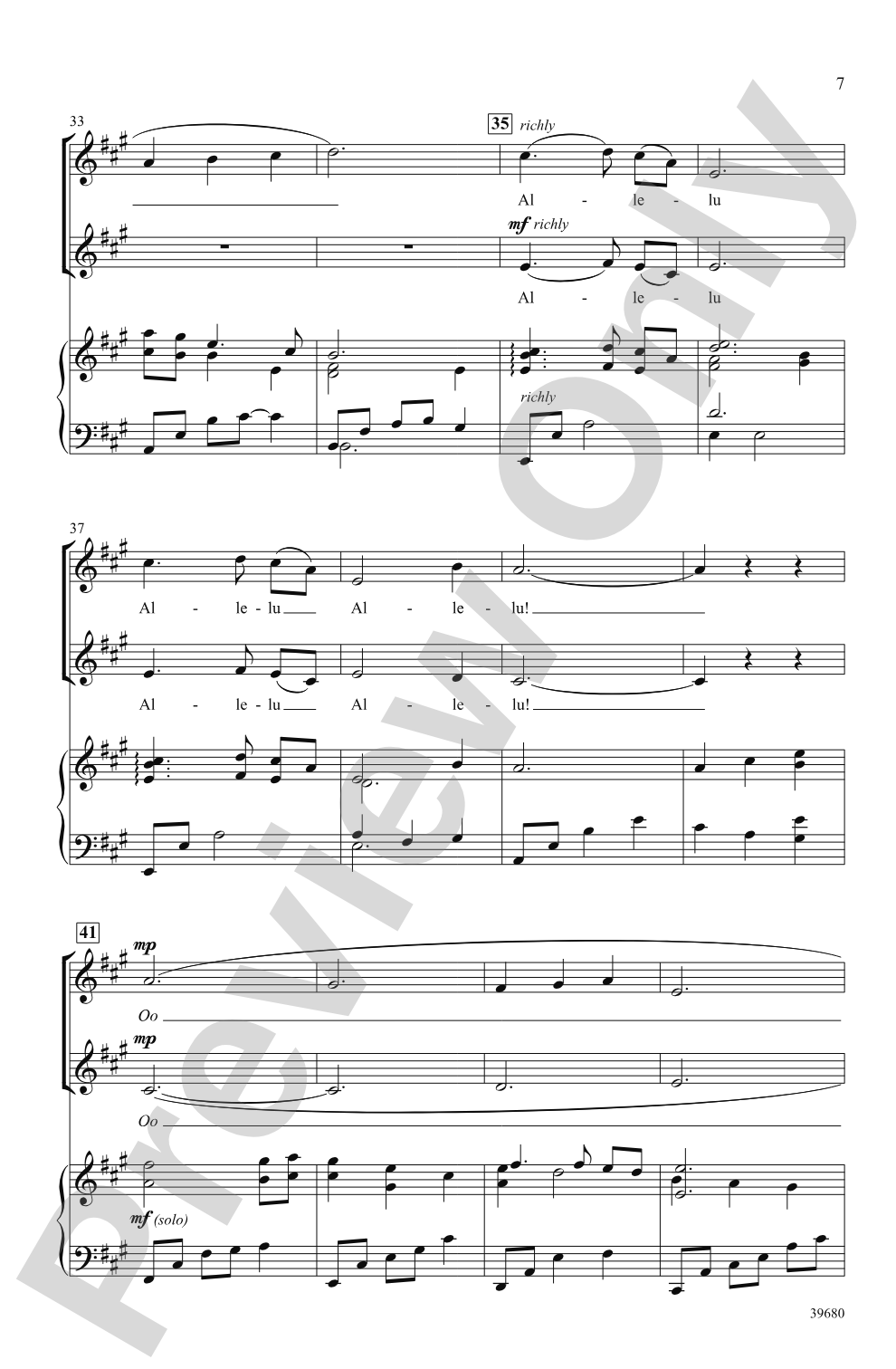
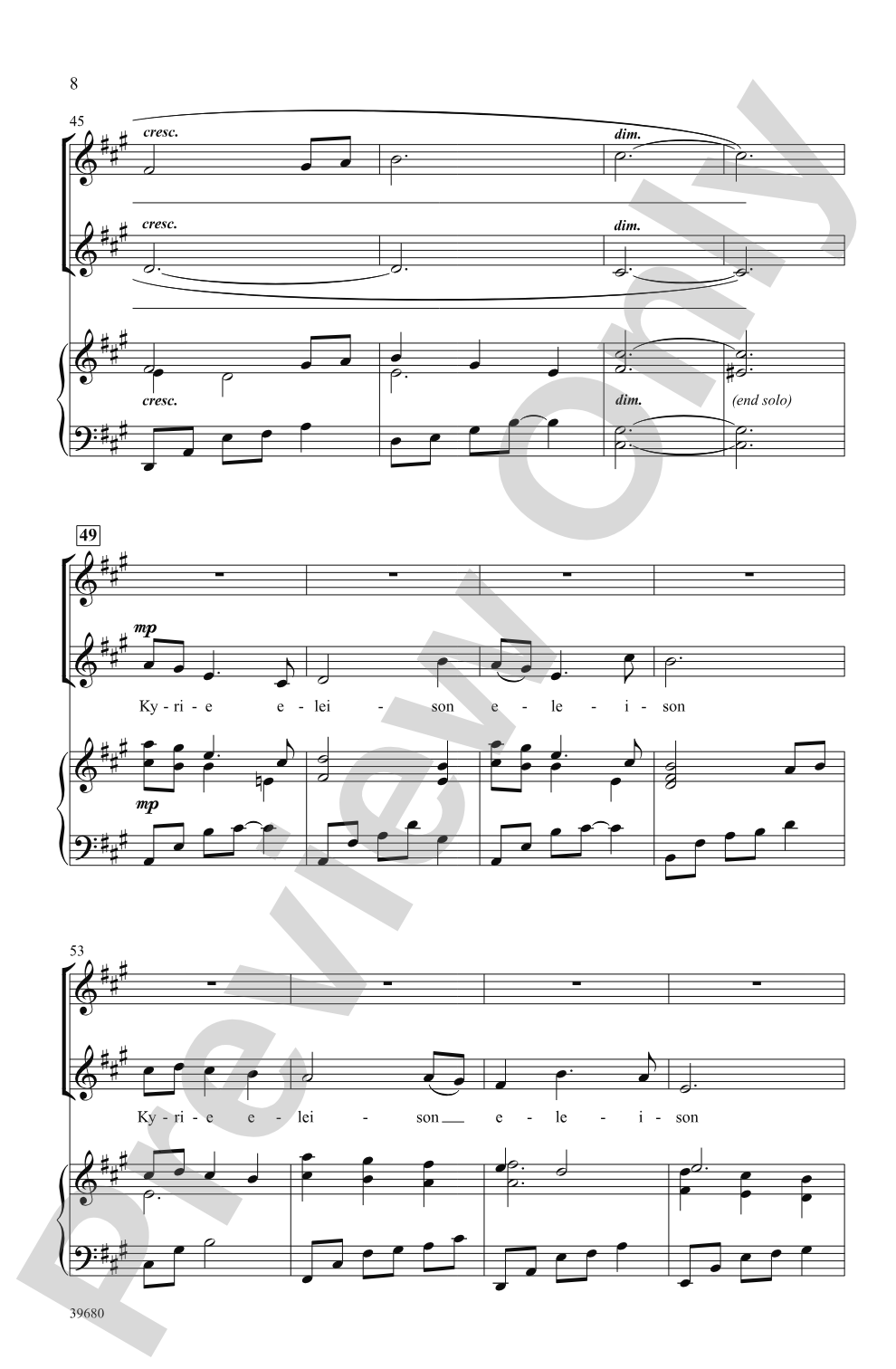
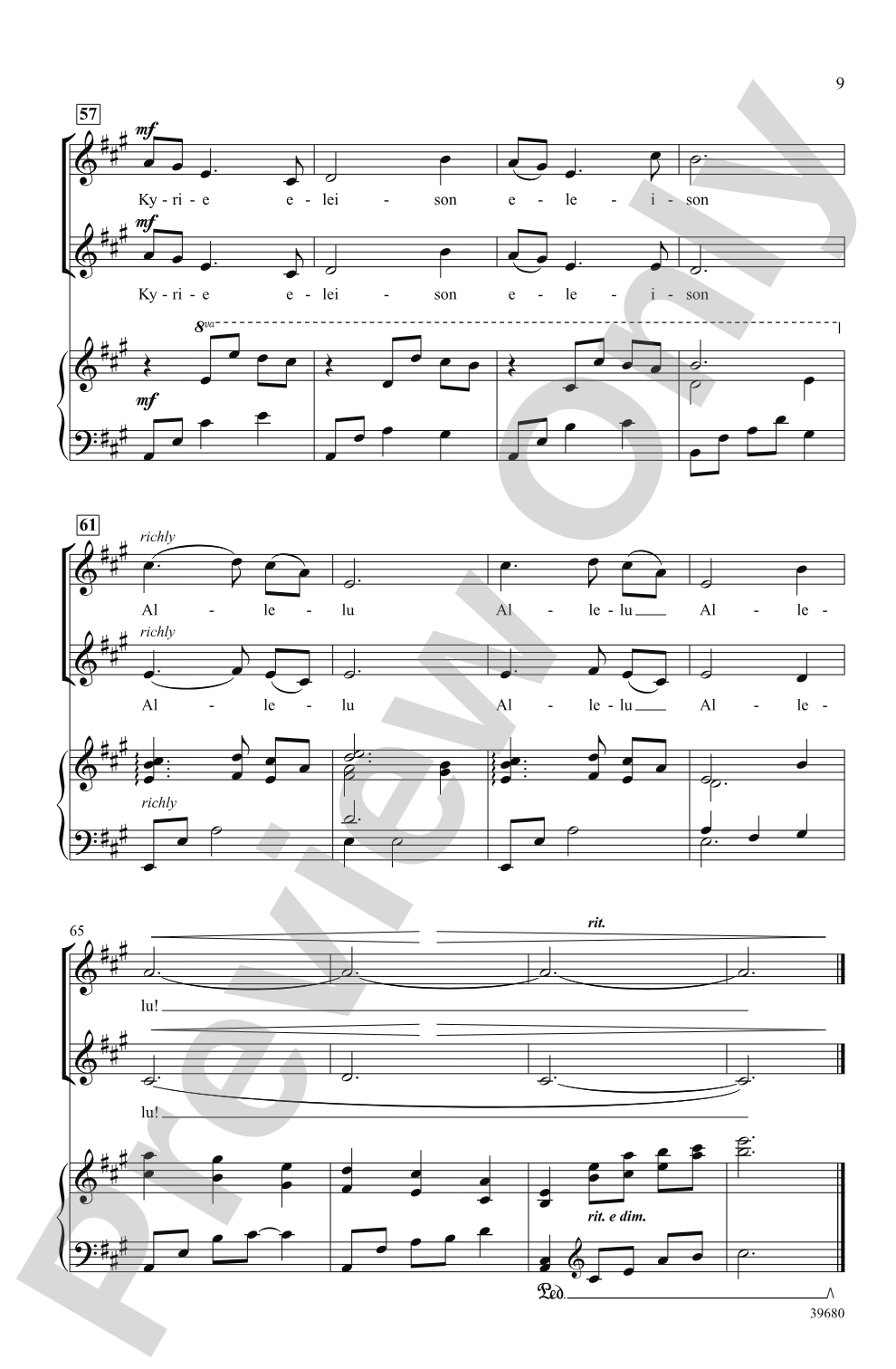
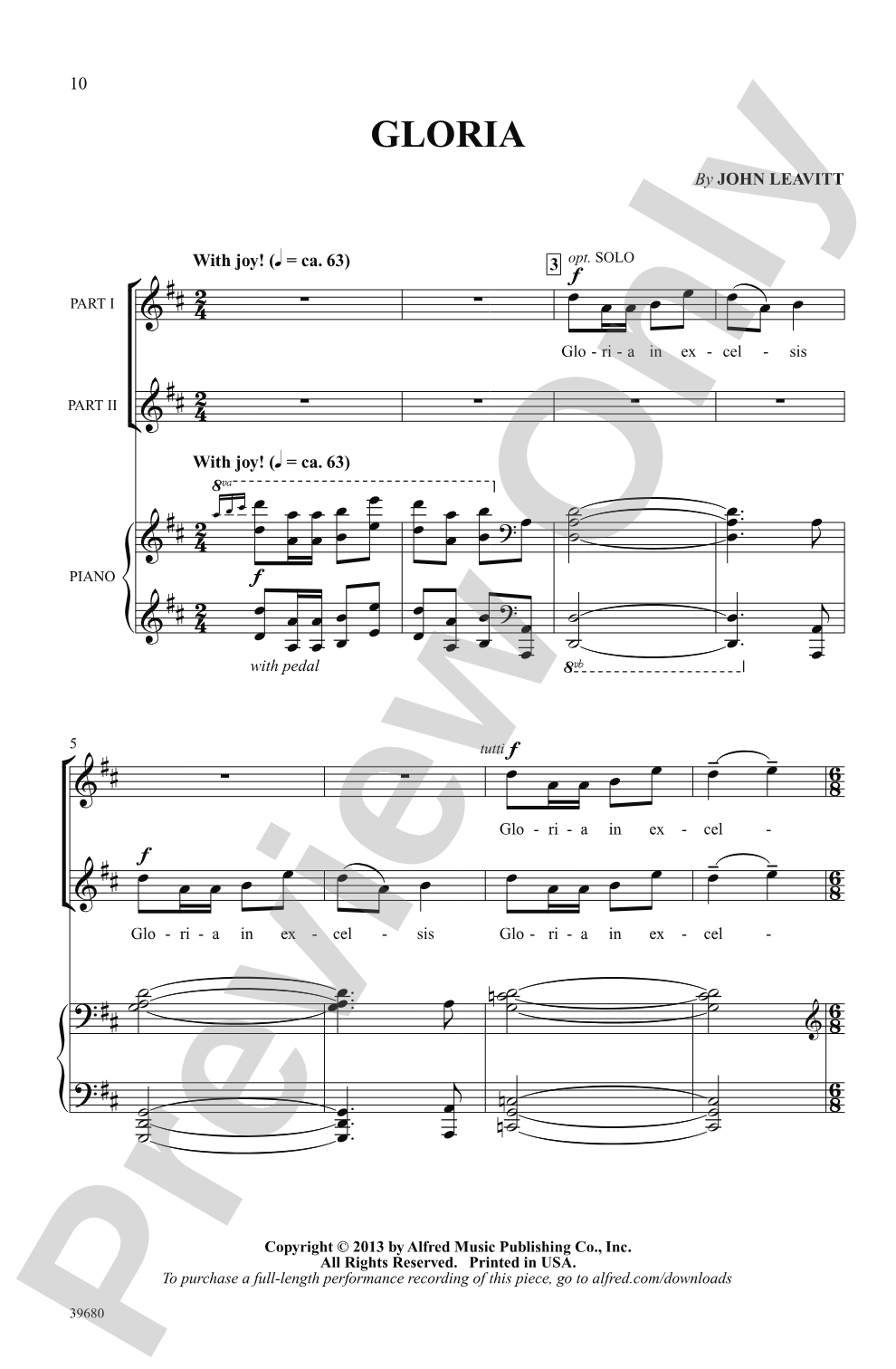
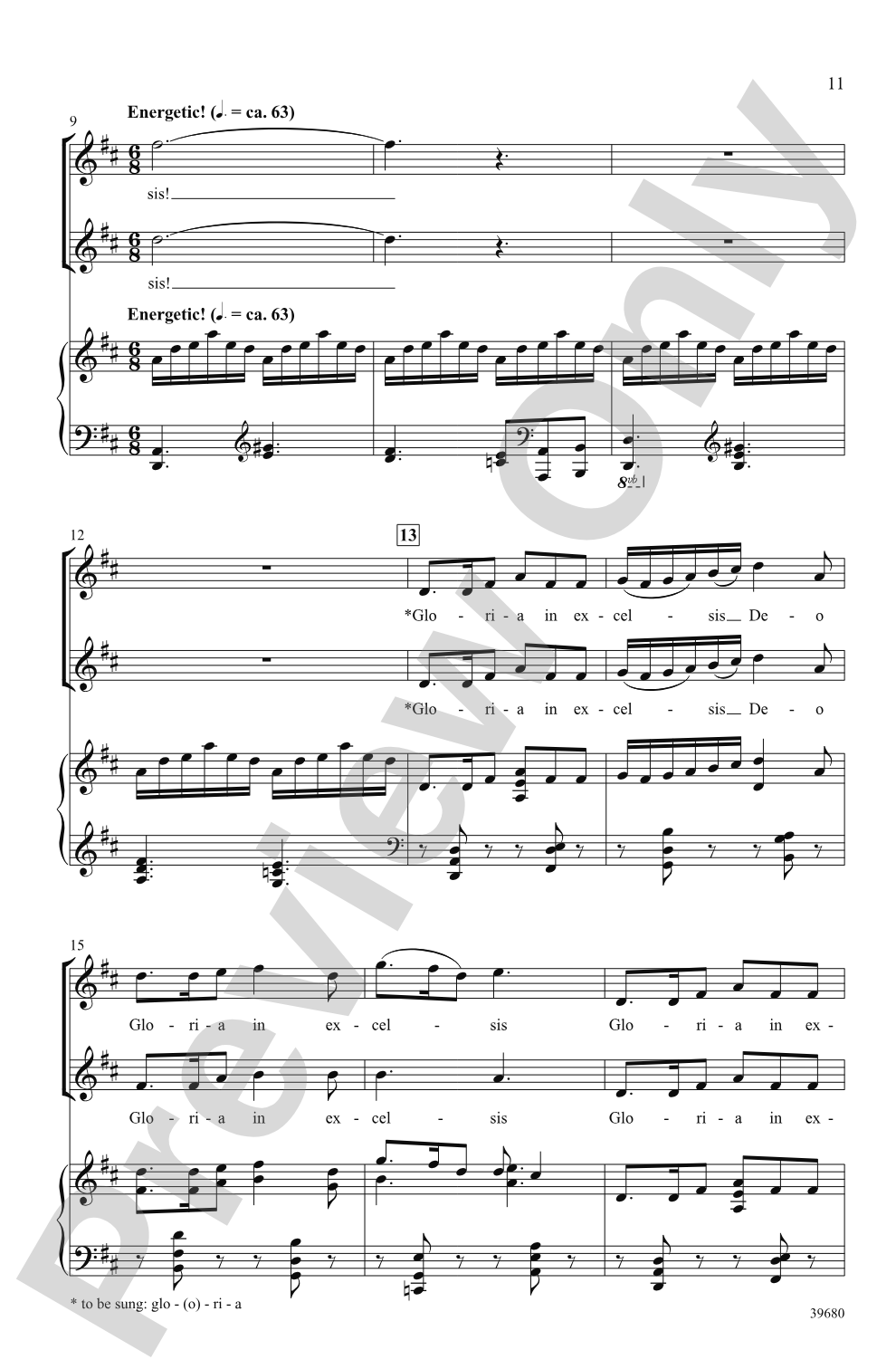

Missa Festiva: 2-Part Choral Octavo
By John Leavitt
Item: 00-PO-0001532

$6.99
Minimum order quantity: 20 copies
Pickup currently not available
Related Items
Missa Festiva: SoundTrax Digital Audio Download |
$64.99
|
View | |
Missa Festiva: SATB Choral Octavo |
$6.99
|
View | |
Missa Festiva: SAB Choral Octavo |
$6.99
|
View | |
Missa Festiva: SSA Choral Octavo |
$6.99
|
View | |
Missa Festiva: TTB Choral Octavo |
$6.99
|
View | |
Missa Festiva: Choral SoundPax |
$125.00
|
View | |
Missa Festiva: SATB Choral Octavo |
$6.99
|
View | |
Missa Festiva: SAB Choral Octavo |
$6.99
|
View | |
Missa Festiva: SSA Choral Octavo |
$6.99
|
View | |
Missa Festiva: TTB Choral Octavo |
$6.99
|
View | |
Missa Festiva: 2-Part Choral Octavo |
$6.99
|
View | |
Missa Festiva: Choral SoundTrax CD |
$64.99
|
View | |
Missa Festiva: Choral SoundPax |
$125.00
|
View |
Description
Considered to be one of the most important choral works of our time, each of five individual movements is beautifully set with strength and dignity. The Latin texts from the Mass Ordinary provide a vehicle for excellent choral singing. This revised edition offers an expanded chamber orchestration and additional voicings.


Don't just read it, hear it, play along with it, and watch your students grow with it. In MakeMusic Cloud, Missa Festiva: 2-Part Choral Octavo comes alive with professional accompaniment, adjustable tempo, and built-in practice tools that turn solo practice into real progress.
Open in the Player
Jump straight in and assign it today.
Start Your Free Trial
Open this title and explore the full library in minutes.
Sample Audio
No sample audio found.
Sample Video
No sample videos found.
Additional Details
Publisher:
Alfred Music
Page Count:
40
SKU:
00-PO-0001532
More about this title
About the Composer: John Leavitt
John Leavitt has established himself as one of the most prolific and performed composers of choral music in contemporary concert and worship settings. His works span sacred and secular genres, consistently balancing accessibility with musical substance, and his compositions are known for their singability, clear harmonic language, and genuine spiritual depth.
Why we love this
Leavitt's approach to the Mass Ordinary respects the weight of the liturgical text while making it genuinely performable by developing choirs. The 2-part voicing keeps ensemble participation broad without sacrificing musical sophistication, and the expanded orchestration gives directors flexibility to match their available resources.
What to expect
Missa Festiva combines reverence with brightness; the work never feels labored despite the depth of its texts. Movement by movement, Leavitt sustains forward momentum and dignity, creating a sense of celebration that feels earned rather than imposed.
Who it's for
This octavo serves choirs with limited upper voices or mixed ensembles seeking substantial sacred literature beyond unison. It works equally well for youth choirs developing voices, church choirs preparing for liturgical or concert performance, and community choruses wanting to program meaningful sacred music without excessive vocal demands.
How to get the most out of it
- Balance the treble and lower voices carefully; even distribution prevents either line from sounding thin, especially in slower movements where every voice part carries harmonic responsibility.
- Shape the Latin text with clear, natural phrasing rather than emphasizing individual syllables. Leavitt's word-setting supports legit legibility when you commit to vocal line rather than diction.
- Use the recorded accompaniment as a learning tool during sectional rehearsals, then gradually reduce ensemble dependence on it as internal security develops.
- Pay attention to the chamber orchestration cues in the score; these instrumental details inform balance and tempo relationships, even when performing with a smaller ensemble than originally scored.
How to use it
Program individual movements within a choral concert to frame secular works, or perform the entire five-movement cycle as a concert anchor that demonstrates your choir's range and maturity. It pairs naturally with shorter contemporary sacred pieces or works from earlier liturgical traditions, creating a coherent program arc without requiring extended rehearsal time.
Skills your students will build
- Latin pronunciation and natural text declamation
- Balance and blend in 2-part writing with sustained harmonic responsibility
- Reading and interpreting music with chamber orchestration cues
- Musical phrasing at multiple formal levels (movement and phrase architecture)
- Ensemble intonation in functional harmonic progressions