
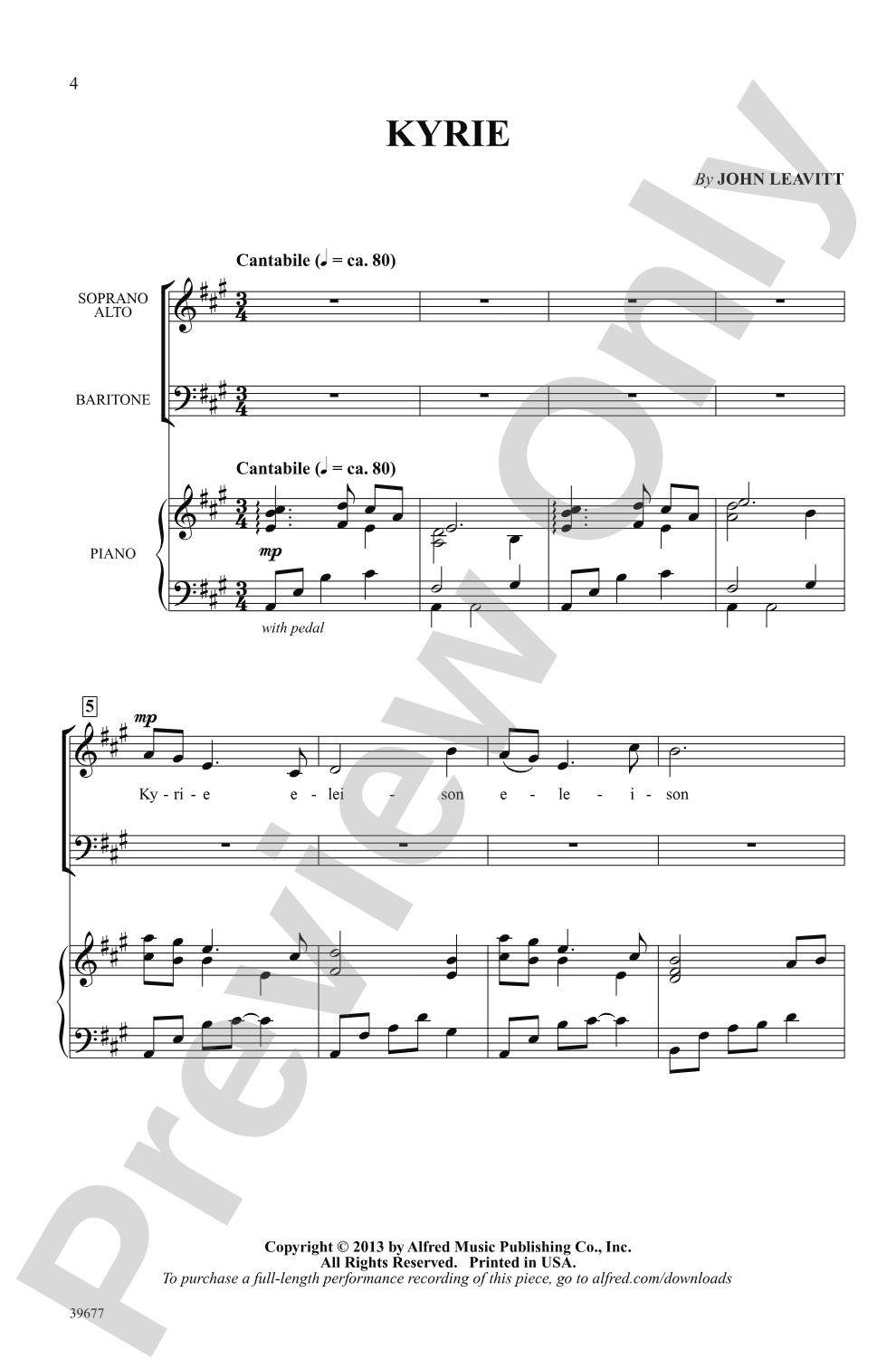
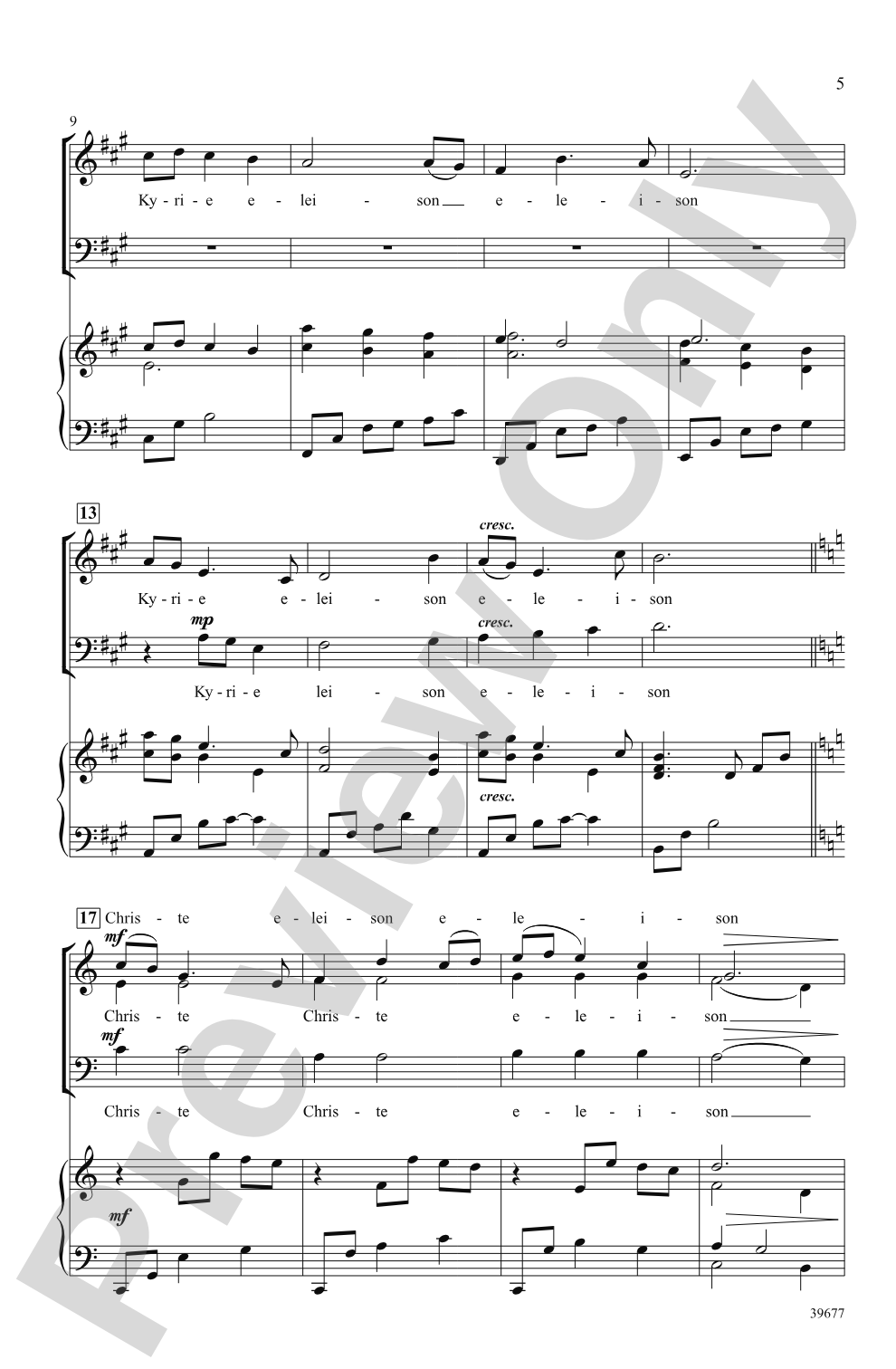
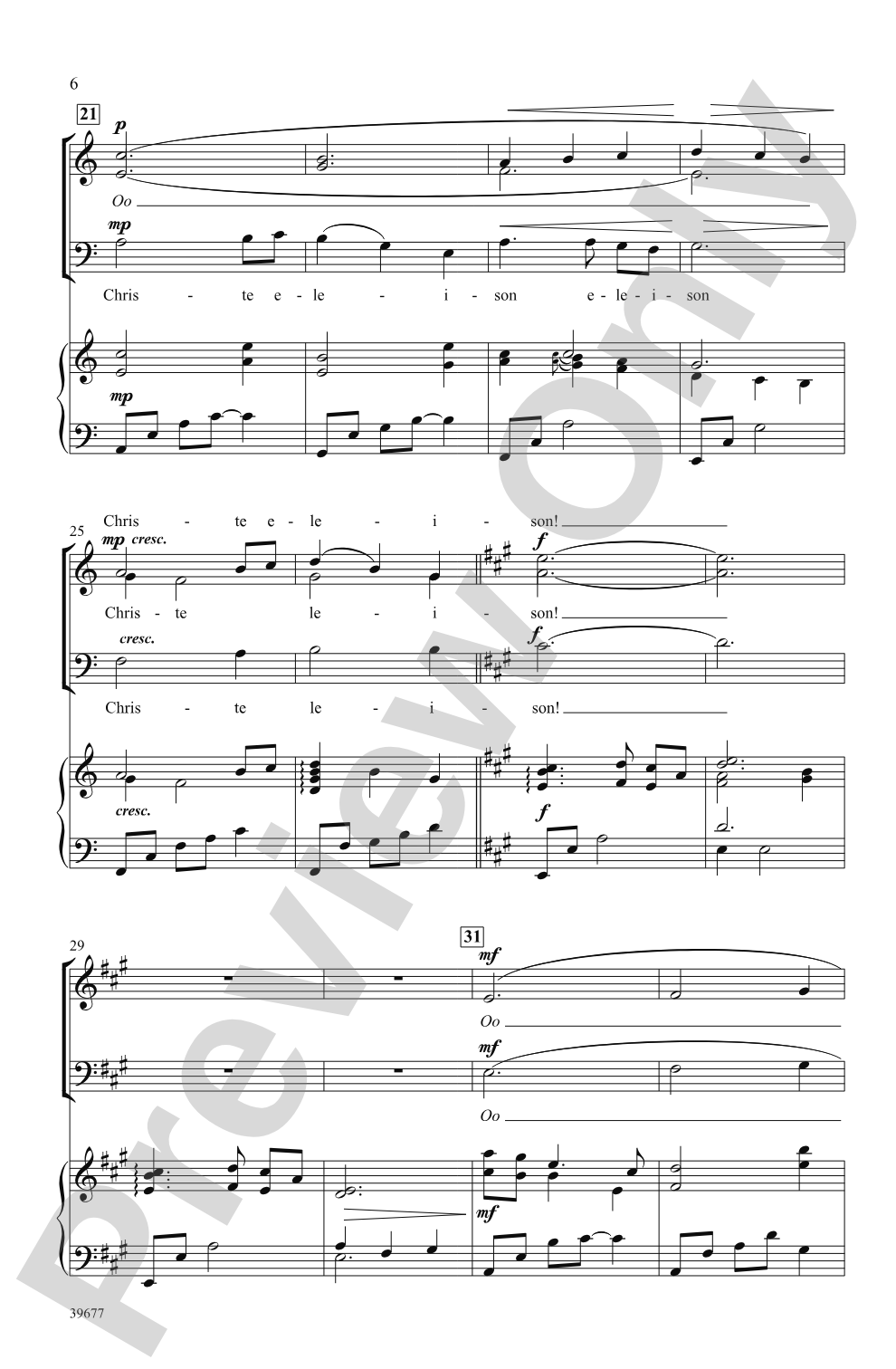
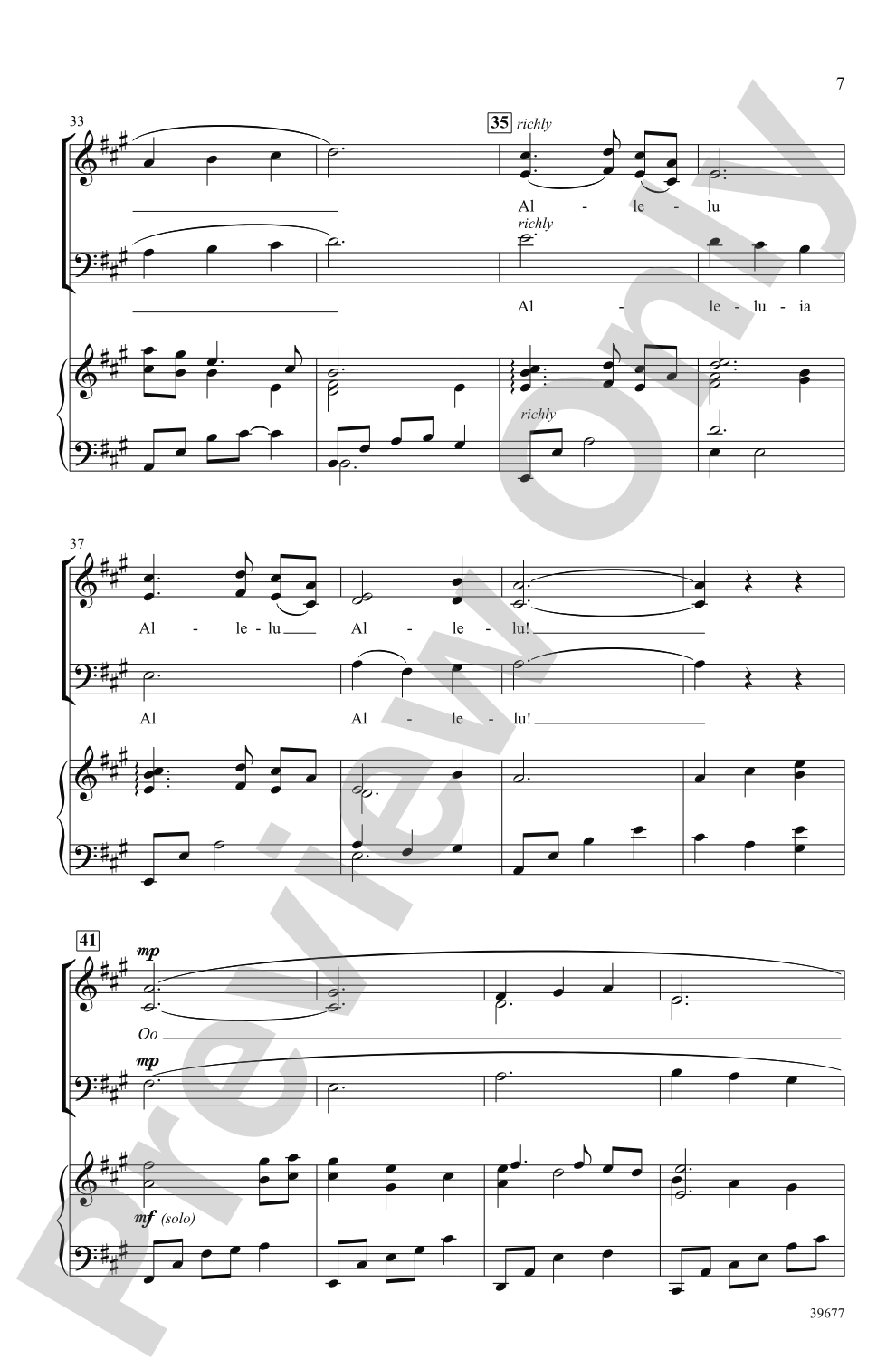
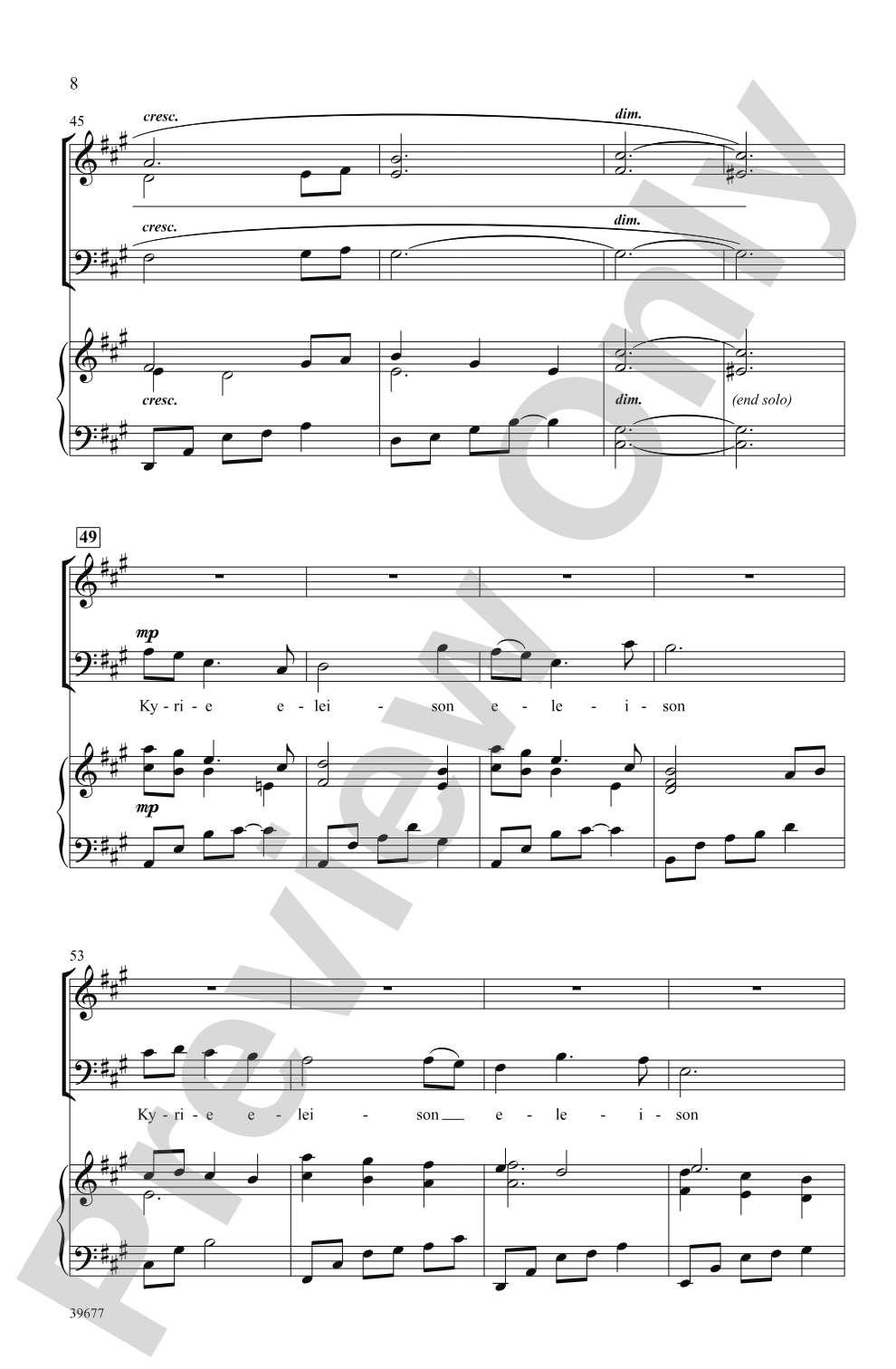
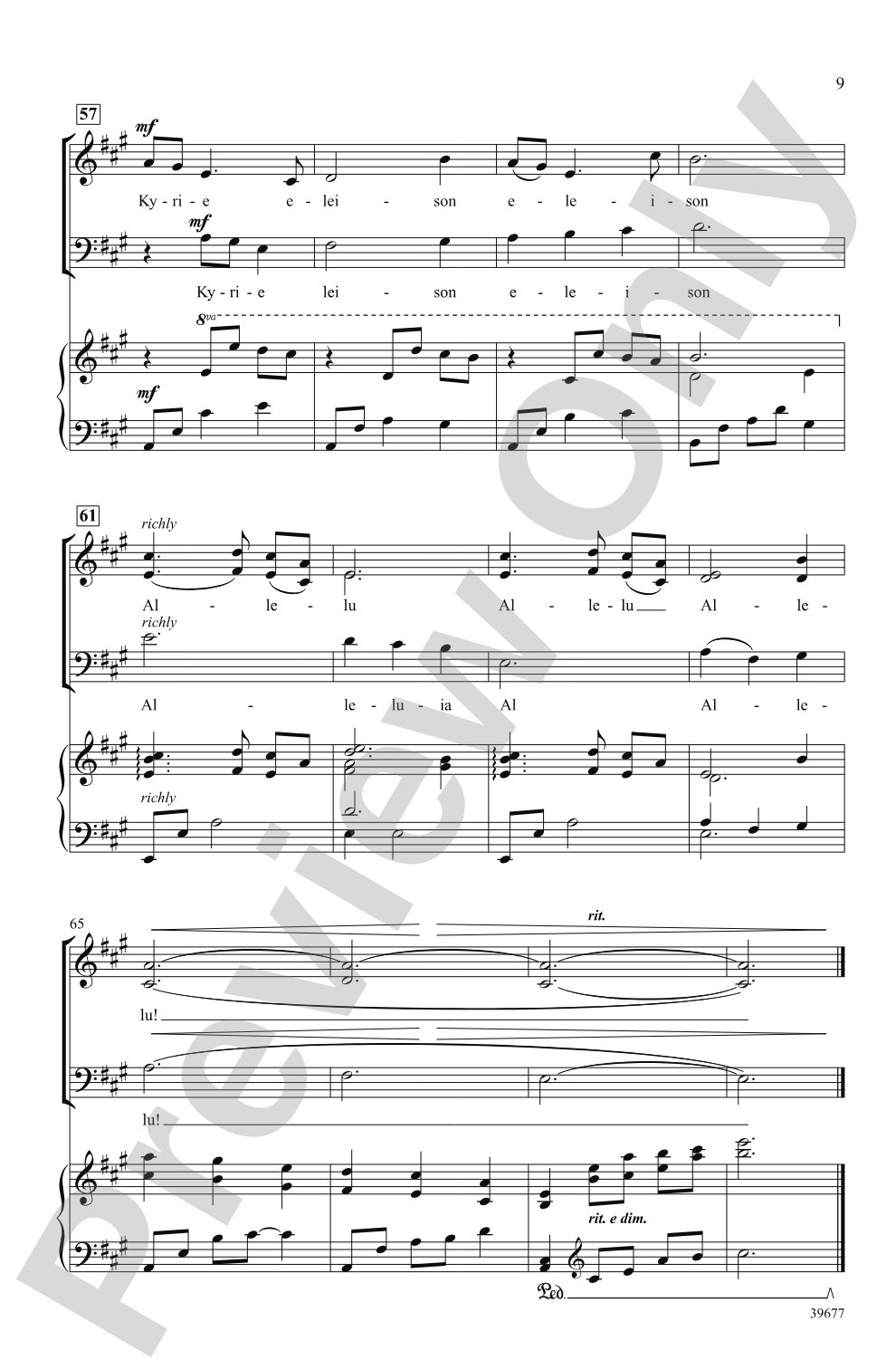
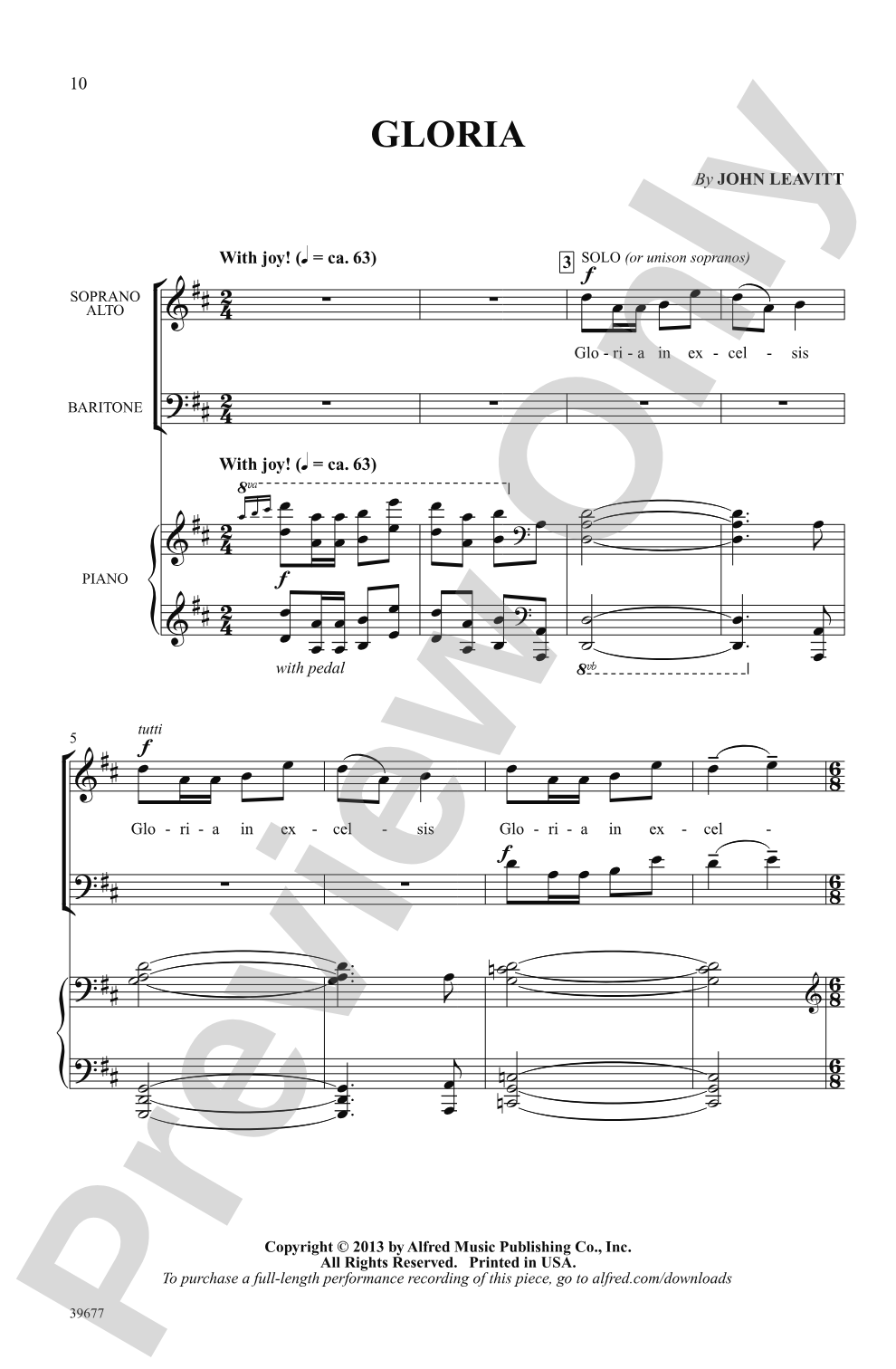
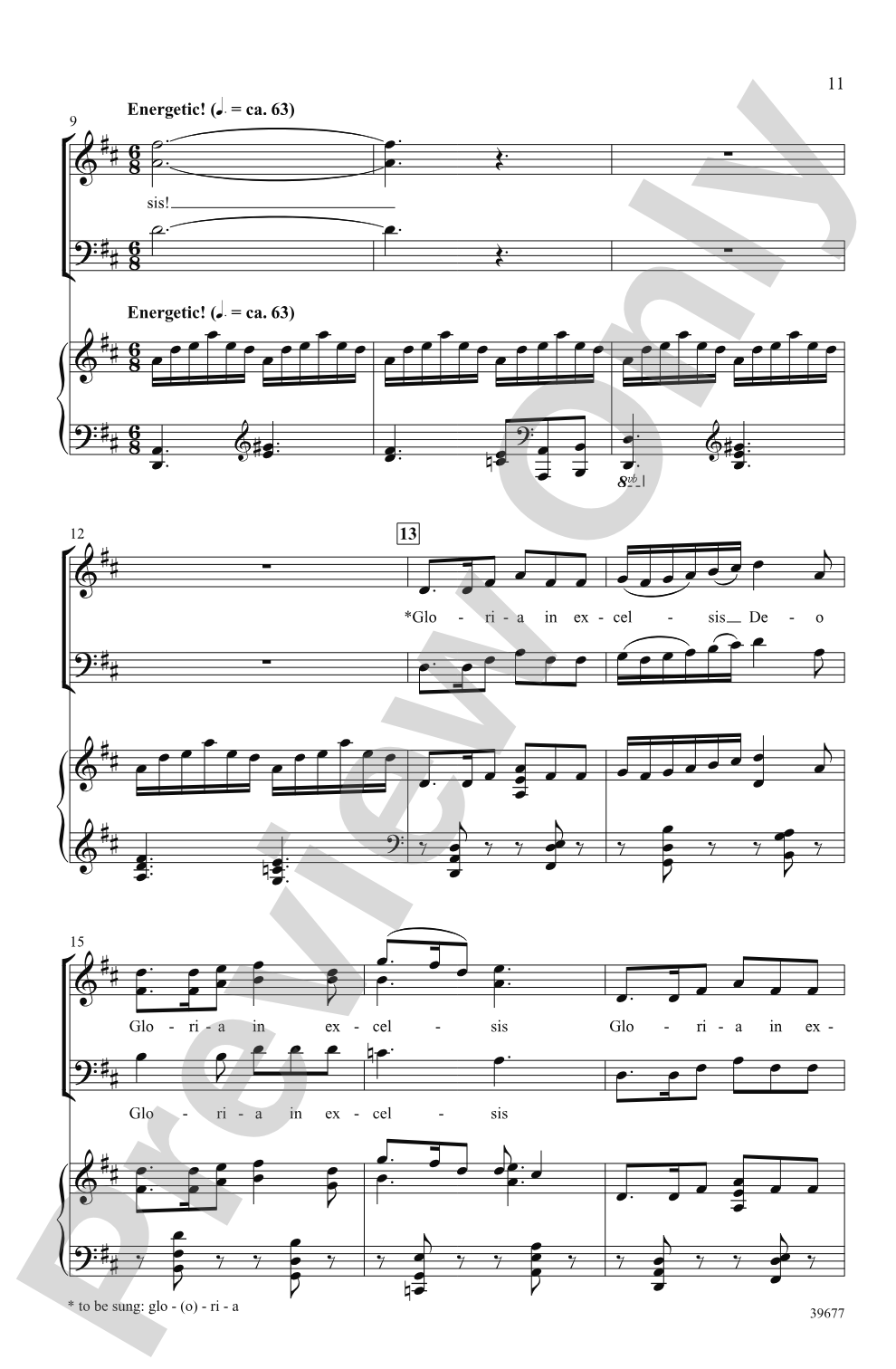

Missa Festiva: SAB Choral Octavo
By John Leavitt
Item: 00-PO-0001529

$6.99
Minimum order quantity: 20 copies
Pickup currently not available
Related Items
Missa Festiva: SoundTrax Digital Audio Download |
$64.99
|
View | |
Missa Festiva: SATB Choral Octavo |
$6.99
|
View | |
Missa Festiva: SSA Choral Octavo |
$6.99
|
View | |
Missa Festiva: TTB Choral Octavo |
$6.99
|
View | |
Missa Festiva: 2-Part Choral Octavo |
$6.99
|
View | |
Missa Festiva: Choral SoundPax |
$125.00
|
View | |
Missa Festiva: SATB Choral Octavo |
$6.99
|
View | |
Missa Festiva: SAB Choral Octavo |
$6.99
|
View | |
Missa Festiva: SSA Choral Octavo |
$6.99
|
View | |
Missa Festiva: TTB Choral Octavo |
$6.99
|
View | |
Missa Festiva: 2-Part Choral Octavo |
$6.99
|
View | |
Missa Festiva: Choral SoundTrax CD |
$64.99
|
View | |
Missa Festiva: Choral SoundPax |
$125.00
|
View |
Description
Considered to be one of the most important choral works of our time, each of five individual movements is beautifully set with strength and dignity. The Latin texts from the Mass Ordinary provide a vehicle for excellent choral singing. This revised edition offers an expanded chamber orchestration and additional voicings.


Don't just read it, hear it, play along with it, and watch your students grow with it. In MakeMusic Cloud, Missa Festiva: SAB Choral Octavo comes alive with professional accompaniment, adjustable tempo, and built-in practice tools that turn solo practice into real progress.
Open in the Player
Jump straight in and assign it today.
Start Your Free Trial
Open this title and explore the full library in minutes.
Sample Audio
No sample audio found.
Sample Video
No sample videos found.
Additional Details
Publisher:
Alfred Music
Page Count:
40
SKU:
00-PO-0001529
More about this title
About the Composer: John Leavitt
John Leavitt is a prolific composer whose sacred choral music has become a staple in church music programs and concert settings across North America. His works are known for combining accessible, singable writing with genuine musical substance, making them equally effective in liturgical worship and concert performance. Leavitt's compositions have been performed by countless church choirs, community ensembles, and professional singers, and his understanding of choral voices at all levels has made him a trusted voice in sacred music.
Why we love this
Leavitt writes choral music that singers actually want to sing. The SAB voicing opens this substantial five-movement work to a wider range of ensembles while maintaining the harmonic integrity and musical substance that earned Missa Festiva its reputation. The expanded chamber orchestration in this revised edition gives directors real flexibility for both liturgical and concert use without requiring a full orchestra.
What to expect
Missa Festiva unfolds with liturgical gravity and musical warmth. Each movement carries both structural coherence and expressive depth, moving from contemplative passages to sections of genuine strength and dignity. The orchestration supports without overwhelming, allowing the choral voices to remain the focus while adding textural richness.
Who it's for
Church music directors seeking substantial sacred repertoire for three-part choirs, concert directors programming liturgical works, and community choruses wanting to tackle a major choral work without requiring large soprano or tenor sections. This is equally at home in a Sunday service, choral festival, or concert setting.
How to get the most out of it
- Approach the Latin texts with clear articulation and proper vowel formation; the Latin language itself becomes part of the musical expression when sung with care.
- Use the recorded accompaniment in rehearsals to lock the harmonic foundation, then gradually remove it as the choir gains confidence with the part-writing.
- Balance the three parts so that the alto line remains audible; SAB voicing often hides the middle voice in fuller passages, but Leavitt's harmonic writing depends on its clarity.
- Shape each movement's arc independently while maintaining a sense of structural unity across all five movements; avoid monotonous tempos between sections.
How to use it
Program this as the centerpiece of a choral concert or as part of a liturgical service where a substantial musical statement serves the text meaningfully. Its five-movement structure works well as the primary work on a program, or it can anchor a mixed repertoire concert of sacred choral music spanning different periods and styles.
Skills your students will build
- Singing Latin texts with proper diction and vowel consistency
- Reading and maintaining independent three-part harmony in SAB voicing
- Shaping longer phrases with architectural awareness across five connected movements
- Blending with chamber orchestration while maintaining choral independence
- Interpreting liturgical text with musical reverence and expressive control