
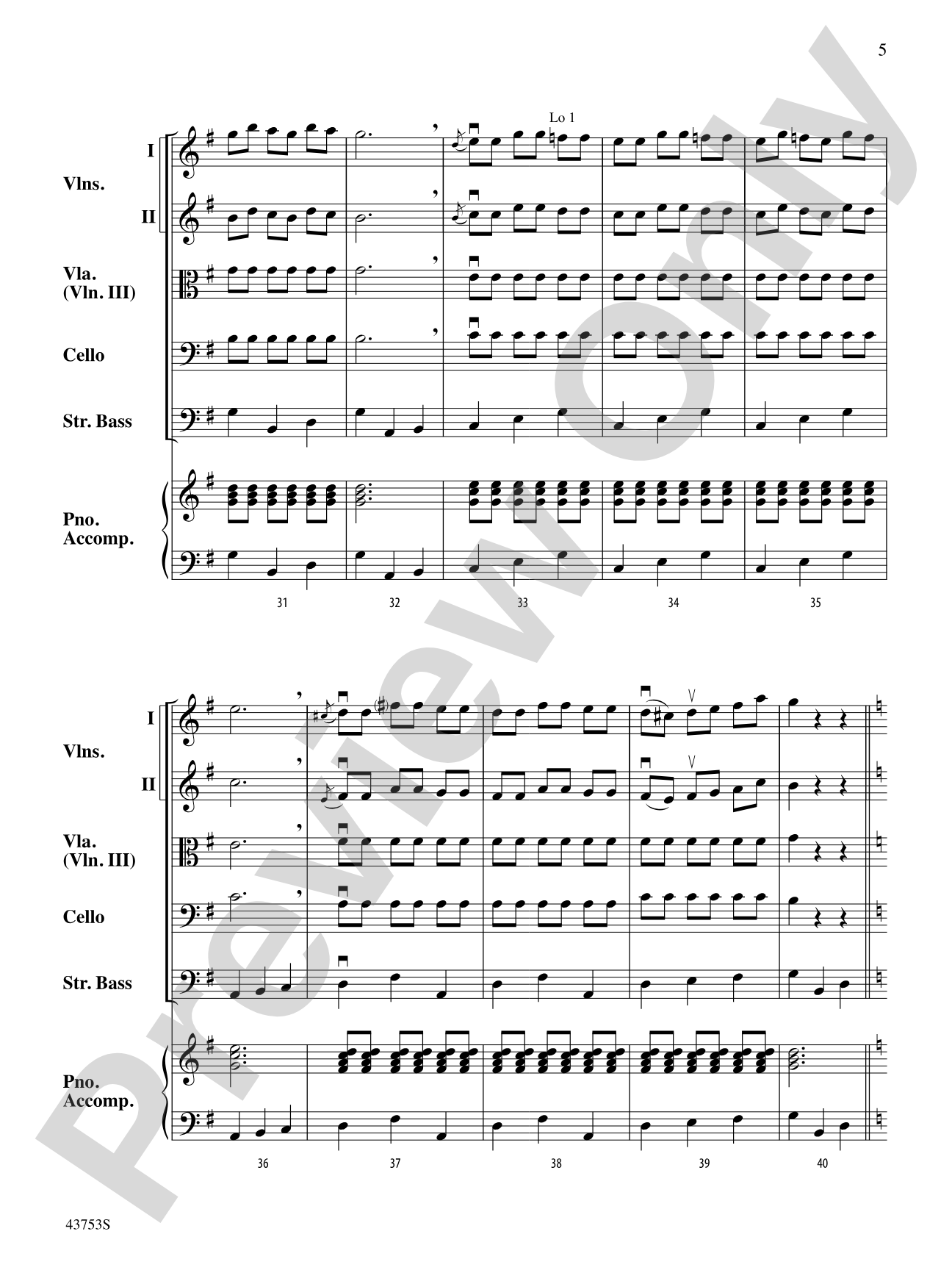
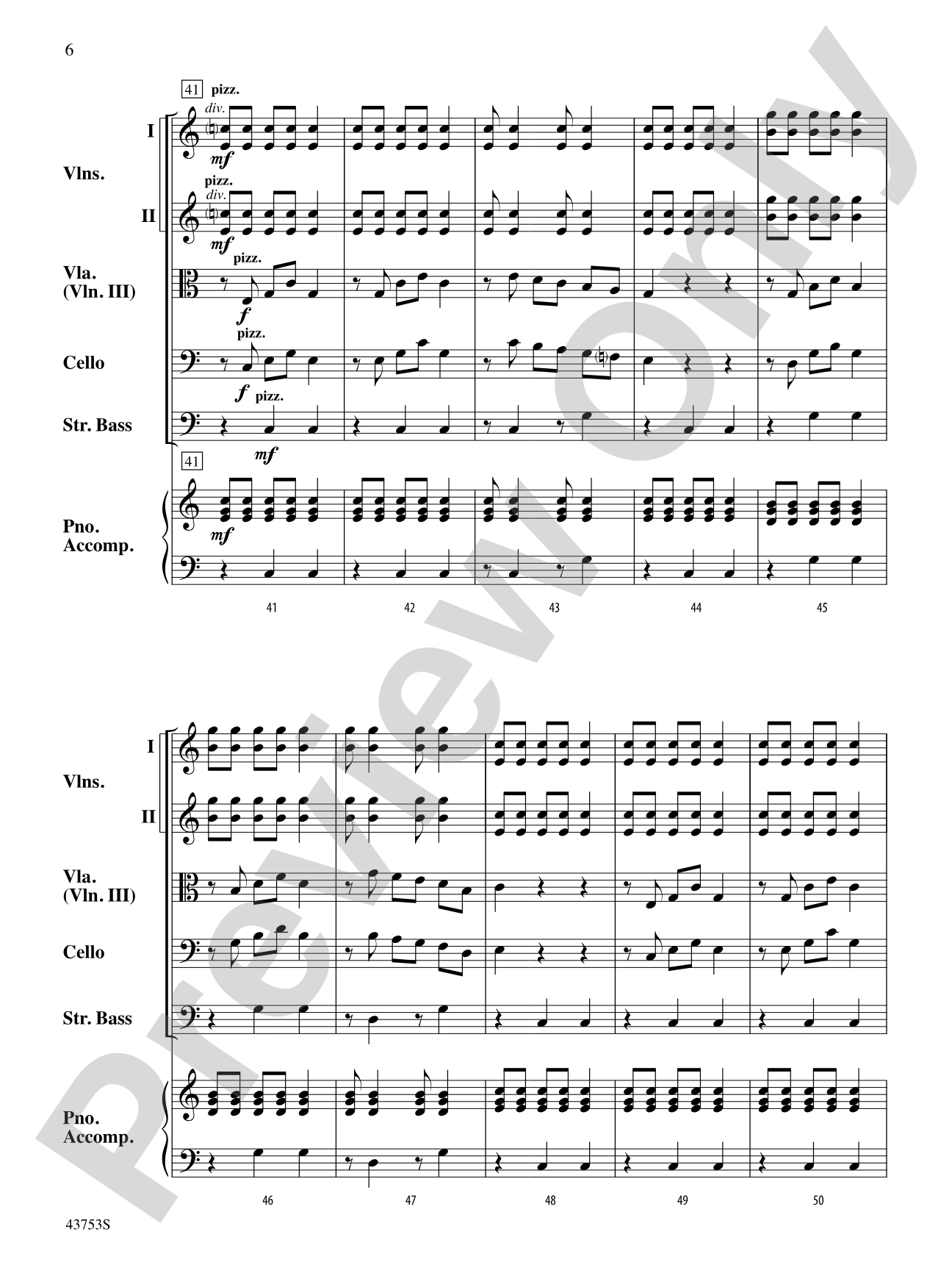
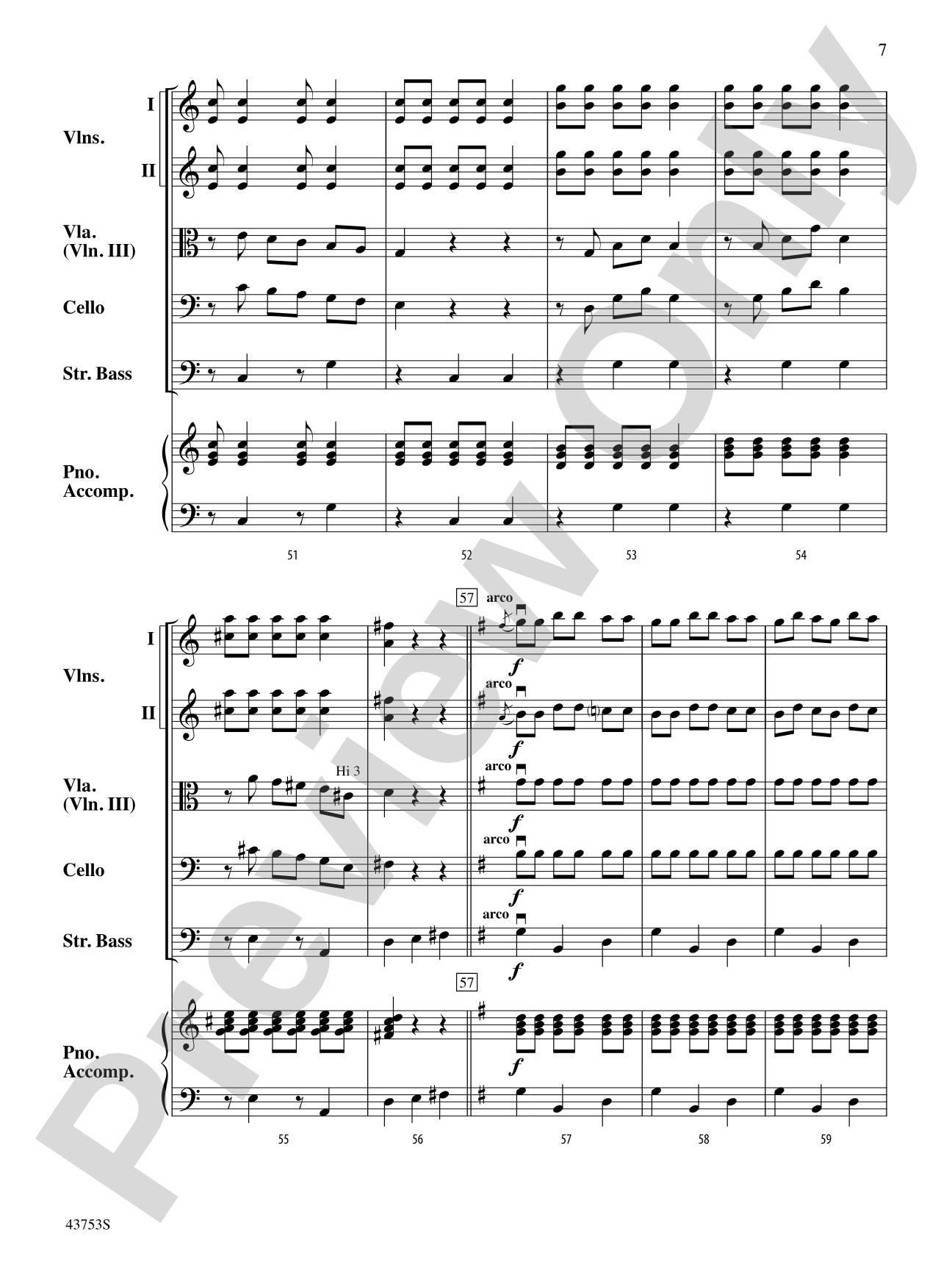
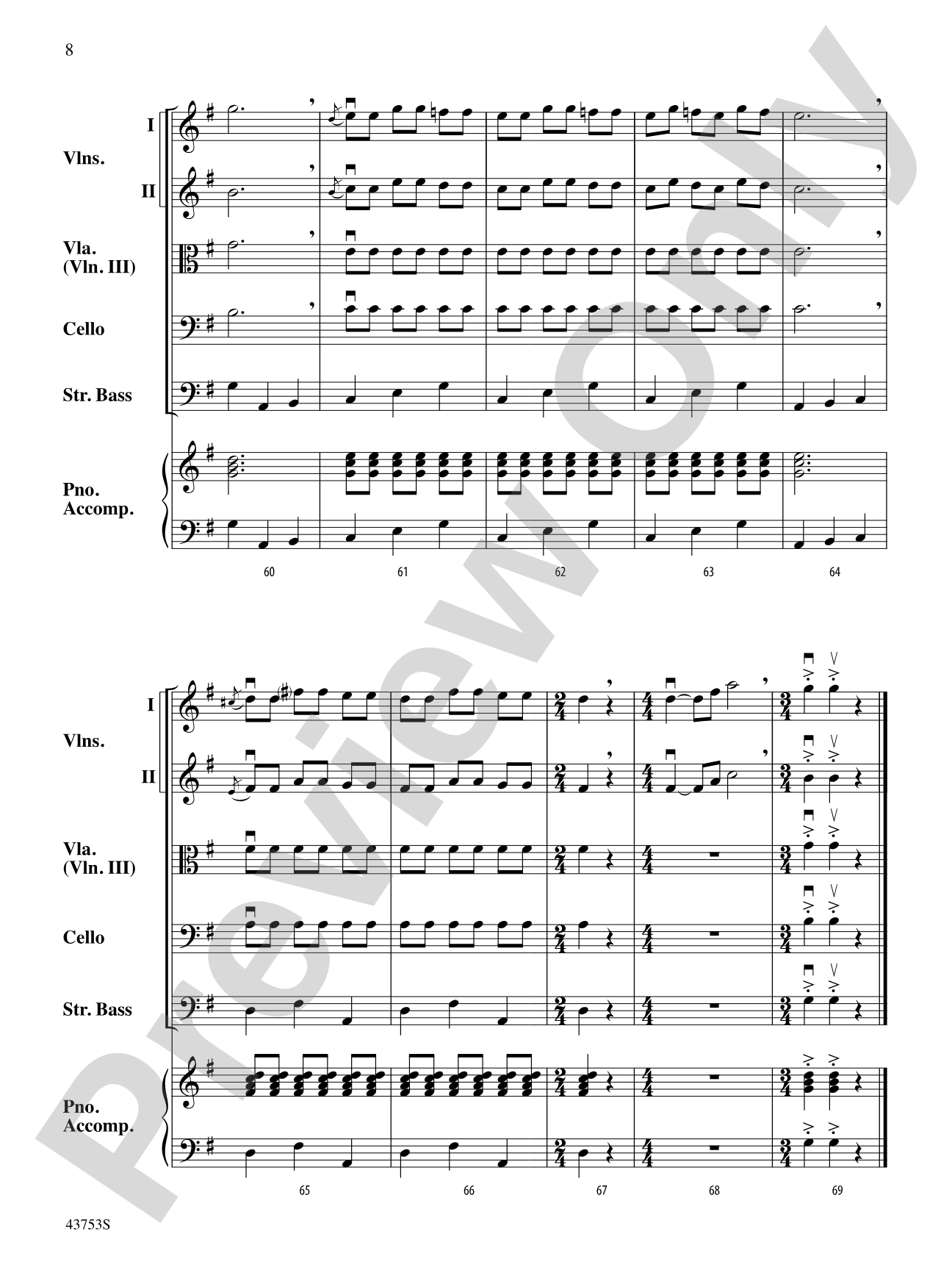

Mi Caballito: String Orchestra Conductor Score & Parts
By John Nieto
Grade: 1.5
Item: 00-PK-0006611

$46.00
Pickup currently not available
Buy Extra Parts (Digital PDF Download)
| Product | Price | Quantity |
|---|---|---|
| Mi Caballito: Score | $8.00 | |
| Mi Caballito: 1st Violin | $5.99 | |
| Mi Caballito: 2nd Violin | $5.99 | |
| Mi Caballito: 3rd Violin (Viola [TC]) | $5.99 | |
| Mi Caballito: Viola | $5.99 | |
| Mi Caballito: Cello | $5.99 | |
| Mi Caballito: String Bass | $5.99 | |
| Mi Caballito: Piano Accompaniment | $5.99 |
Parts Added to Cart!
Description
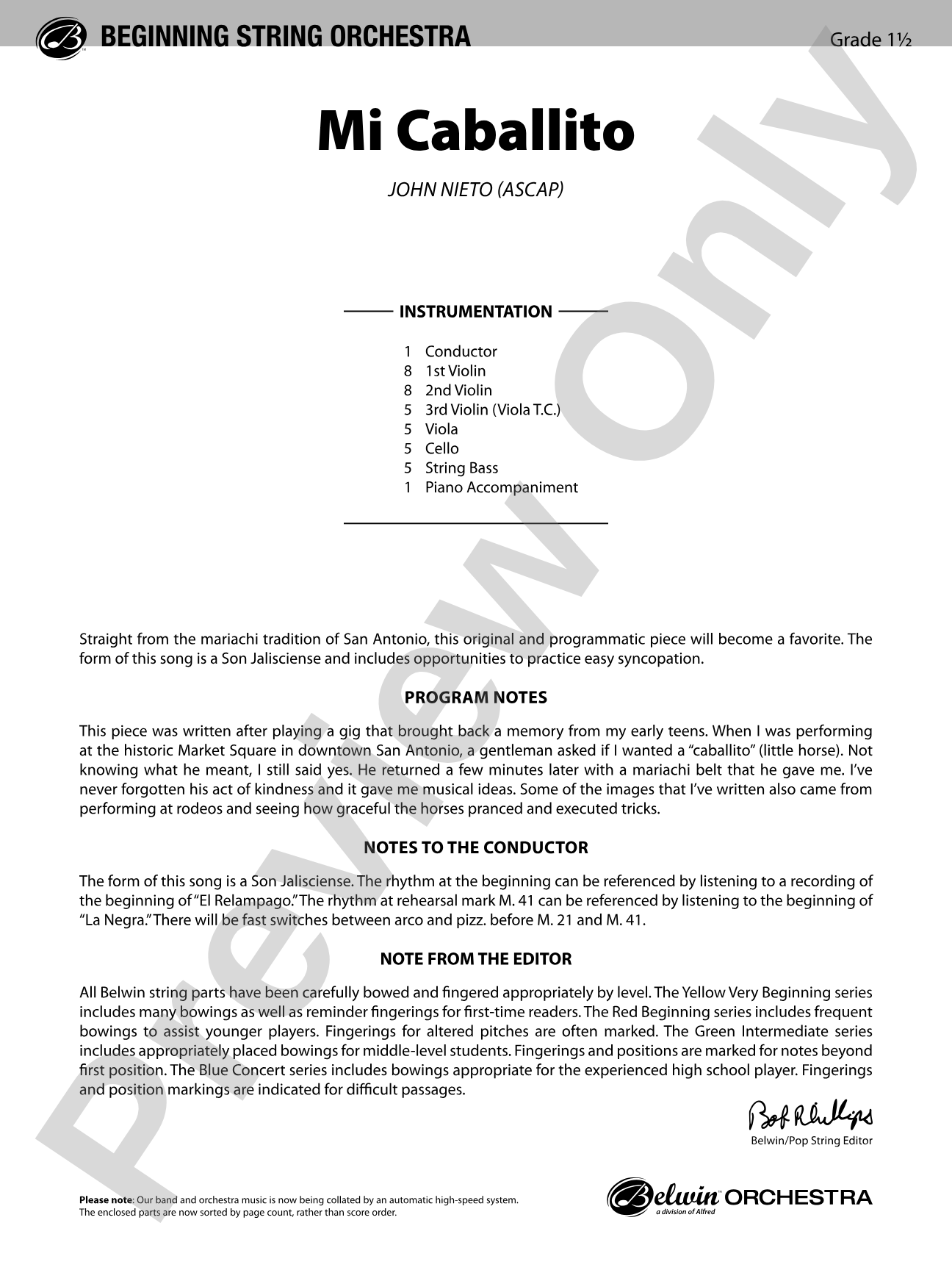
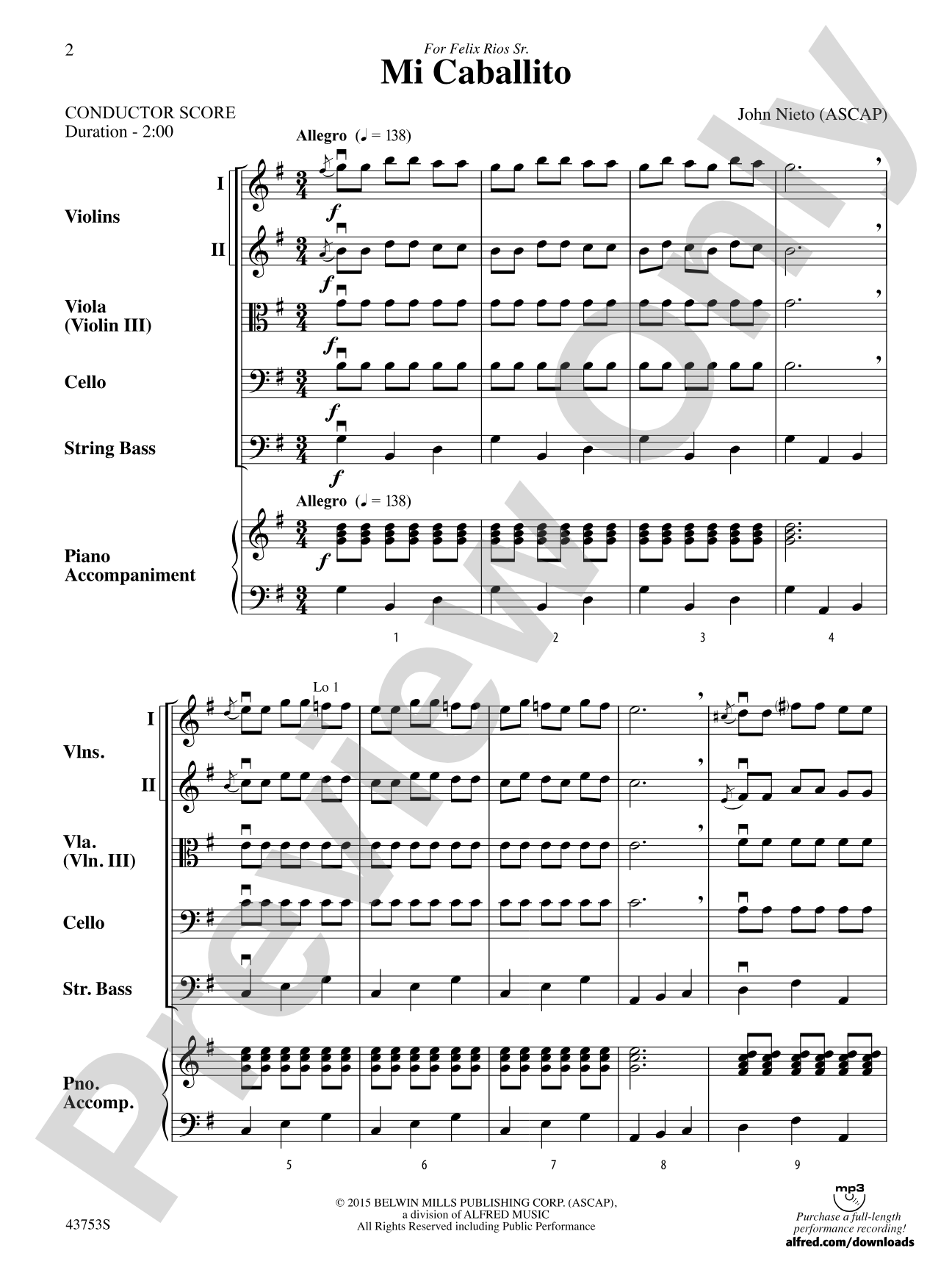
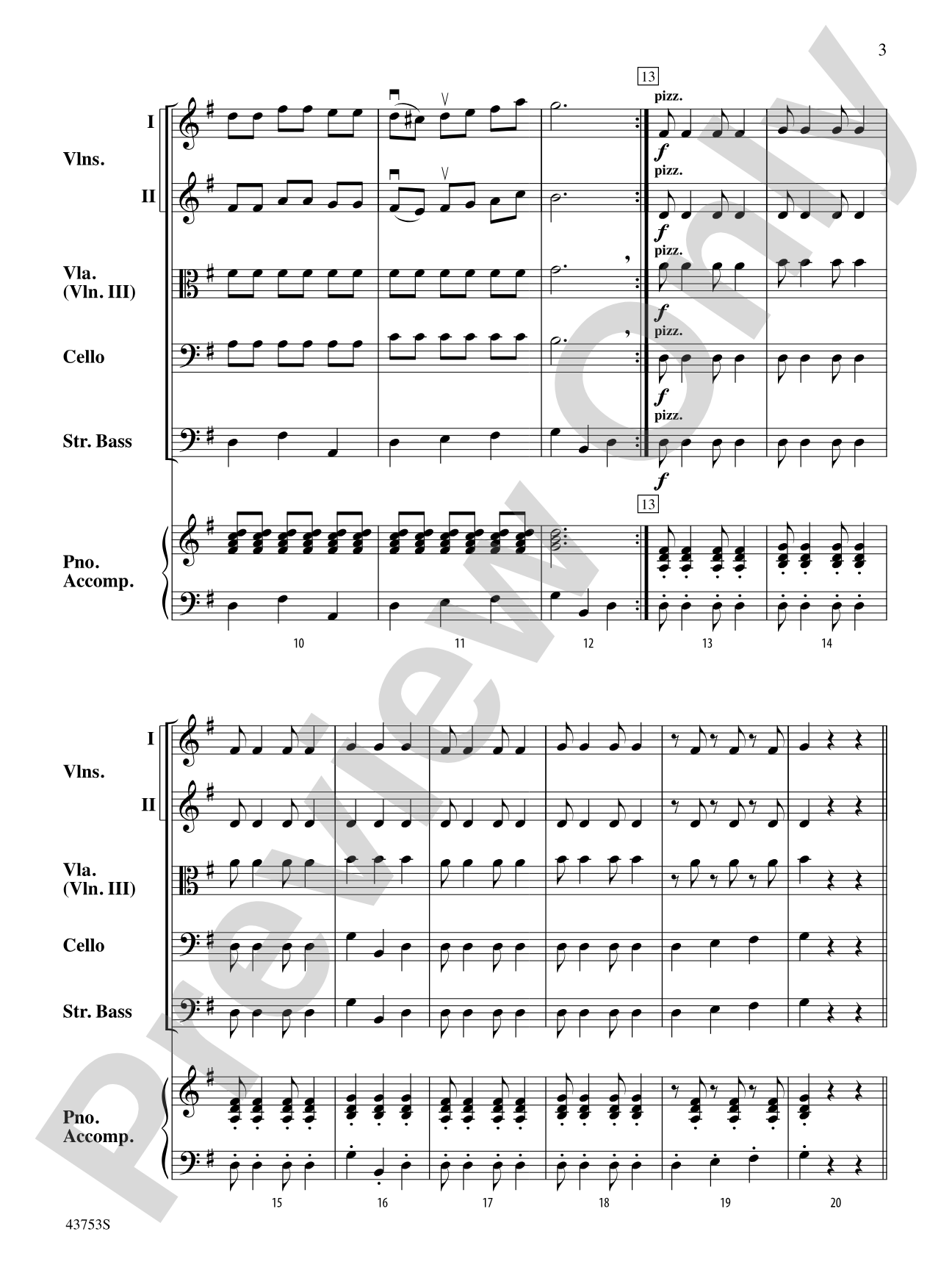
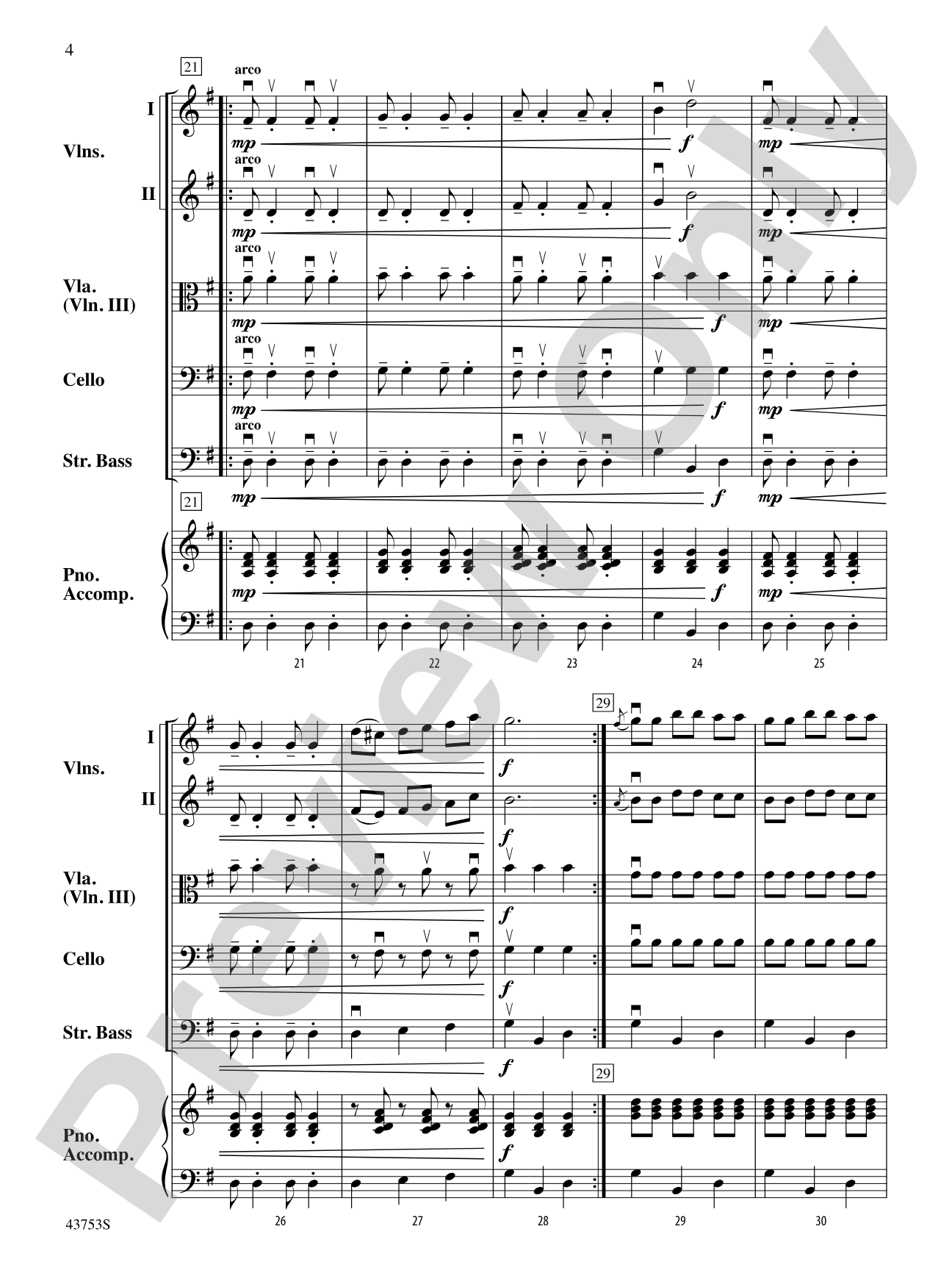
Straight from the mariachi tradition of San Antonio, this original and programmatic piece will become a favorite. The form of this song is a Son Jalisciense and includes opportunities to practice easy syncopation. (2:00)


Don't just read it, hear it, play along with it, and watch your students grow with it. In MakeMusic Cloud, Mi Caballito: String Orchestra Conductor Score & Parts comes alive with professional accompaniment, adjustable tempo, and built-in practice tools that turn solo practice into real progress.
Open in the Player
Jump straight in and assign it today.
Start Your Free Trial
Open this title and explore the full library in minutes.
Sample Audio
1
Audio File
--:--
0:00
0:00
Sample Video
No sample videos found.
Additional Details
Series:
Belwin Beginning String Orchestra
Publisher:
Alfred Music
Page Count:
76
SKU:
00-PK-0006611
More about this title
About the Composer: John Nieto
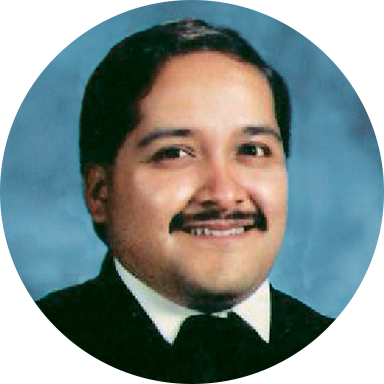
John Nieto brings authentic mariachi expertise directly into the string orchestra classroom. As mariachi director at Brackenridge High School and lead instructor for the San Antonio ISD All District Mariachi, he has spent nearly three decades immersed in the tradition, performing professionally with ensembles across Texas and sharing stages with legendary groups including Mariachi Vargas de Tecalitlan and Mariachi Los Camperos de Nati Cano. His high school mariachi groups have placed at the Ford, Lincoln-Mercury Mariachi Extravaganza and the Albuquerque Mariachi Spectacular at the university level.
Beyond performance, Nieto contributes to the field as an instructor, arranger, transcriber, and copyist at major mariachi conferences in Albuquerque and Tucson. His students have represented San Antonio as cultural ambassadors internationally. What began as reluctant childhood rehearsals at Our Lady of Guadalupe church evolved into a lifelong commitment to keeping mariachi alive and accessible in educational settings.
Why we love this
String orchestra directors rarely encounter repertoire that authentically represents living Latin American traditions at Grade 1.5. Nieto writes this piece from inside the mariachi world, not as an outsider arranging folklore, which means the rhythmic language and phrasing feel genuine rather than simplified. Students play a real Son Jalisciense form and hear themselves making music rooted in a thriving cultural practice, not a museum piece.
What to expect
Buoyant and rhythmically playful, Mi Caballito bounces with the energy of a child's ride on a beloved pony. The mariachi tradition infuses the melody with warmth and character; even at this accessible level, strings sing with the kind of lyrical ease that makes the piece memorable long after rehearsals end.
Who it's for
String orchestra directors teaching Grade 1.5 ensembles who want to introduce syncopation and Latin styles without overwhelming young players. This works equally well for conductors seeking Festival or contest repertoire that's musically substantial and culturally meaningful.
How to get the most out of it
- Shape the syncopation by feeling the underlying pulse clearly; the easy syncopations sit well once students lock into where beat one lives in each measure.
- Balance the divisi passages so inner voices remain audible; this helps younger players hear harmonic movement rather than just following their own line.
- Observe the programmatic element (a musical story about a little horse) by varying articulation and dynamics between sections; this lifts the performance beyond technically correct into storytelling.
How to use it
Program this as a concert opener to set an engaging, multicultural tone for your audience. Its two-minute length and appealing character make it ideal for festival performances where you want judges and listeners to immediately connect with your ensemble's musicality and cultural awareness.
Skills your students will build
- Reading and performing easy syncopation within a consistent pulse
- Executing the Son Jalisciense form and understanding Latin song structure
- Balancing divided string parts to maintain harmonic clarity
- Interpreting a programmatic narrative through phrasing and articulation
- Intonation in divisi passages across multiple voice parts