Mi Caballito Cover Image

Mi Caballito: String Orchestra Conductor Score

$8.00 USD
Sale price  $8.00 USD Regular price 
Skip to product information
Mi Caballito Cover Image

Mi Caballito: String Orchestra Conductor Score

By John Nieto

Grade: 1.5

Item: 00-43753S

$8.00
Shipped

One moment…

Description
Straight from the mariachi tradition of San Antonio, this original and programmatic piece will become a favorite. The form of this song is a Son Jalisciense and includes opportunities to practice easy syncopation. (2:00)

Mi Caballito: String Orchestra Conductor Score isn't in MakeMusic Cloud just yet...but it could be. Let us know you'd like to see it, and you'll help shape what comes next. In the meantime, start a free trial and dive into thousands of interactive titles your students can play along with today.

Sample Pages

Sample Audio
No sample audio found.
Sample Video
Additional Details
Series: Belwin Beginning String Orchestra
Publisher: Alfred Music
Page Count: 8
UPC: 038081496245
SKU: 00-43753S

More about this title

About the Composer: John Nieto
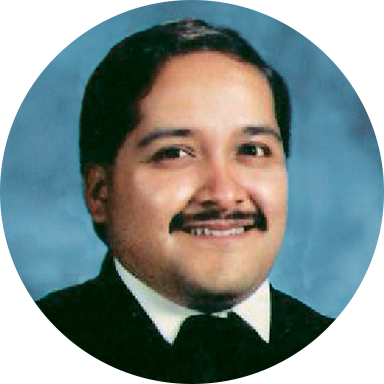
John Nieto

John Nieto directs the mariachi program at Brackenridge High School in San Antonio and leads instruction for the San Antonio ISD All District Mariachi. Beyond his high school work, he serves as an instructor, arranger, and transcriber at both the Albuquerque and Tucson mariachi conferences, bringing deep pedagogical experience to emerging musicians.

Nieto performs professionally with regional mariachi ensembles and has shared the stage with internationally recognized groups including Mariachi Vargas de Tecalitlan and Mariachi Sol De Mexico. His high school groups have placed second and third at the University level of the Ford, Lincoln-Mercury Mariachi Extravaganza and the Albuquerque Mariachi Spectacular. His students have represented San Antonio as cultural ambassadors around the world.

Why we love this

Nieto writes from authentic knowledge of the tradition he's teaching, and it shows. This piece gives string players direct access to genuine Son Jalisciense form without oversimplification, and the programmatic narrative about a little horse carries genuine character across its two minutes. Conductors will appreciate how efficiently the syncopation sits at Grade 1.5 and how natural the cultural context feels rather than superficial.

What to expect

Buoyant and charming, with the character of a folk tale told through rhythm and melody. The syncopation feels approachable but genuine, never condescending, and the programmatic frame gives young musicians something concrete to hold onto as they navigate the unfamiliar rhythmic terrain.

Who it's for

String orchestra conductors working with beginning ensembles who want to introduce Latin rhythmic vocabulary in a piece that sounds complete and purposeful, not pedagogical. This works equally well for directors seeking repertoire that reflects cultural traditions and for those building a contest or festival set.

How to get the most out of it

  • Establish the rhythm of the syncopated figures in rehearsal without the score first. Tap the ostinato while students play their parts to internalize the against-the-beat feel before polishing.
  • Balance the melody line so the story of the caballito comes through clearly; the harmonic foundation matters, but the narrative does the work.
  • Let the piece breathe at natural phrase breaks rather than pushing for constant momentum. The form benefits from small moments of release.

How to use it

Program this as an opening concert piece or contest selection where you want to feature cultural diversity and rhythmic growth. It also pairs well alongside other early-level Latin or world music selections, or as a bridge between traditional string repertoire and more contemporary programming.

Skills your students will build

  • Reading and performing syncopated rhythms within a Son Jalisciense framework
  • Maintaining rhythmic independence while accompanying syncopated melody lines
  • Phrasing and musical storytelling through programmatic context
  • Foundation in Latin rhythmic traditions and their notation

You May Also Like