Mi Caballito Cover Image

Mi Caballito: String Orchestra Conductor Score & Parts

$46.00 USD
Sale price  $46.00 USD Regular price 
Skip to product information
Mi Caballito Cover Image

Mi Caballito: String Orchestra Conductor Score & Parts

By John Nieto

Grade: 1.5

Item: 00-43753

makemusic Cloud badge

Need it now?

Buy Digital Version
$46.00
Shipped

One moment…

Description
Straight from the mariachi tradition of San Antonio, this original and programmatic piece will become a favorite. The form of this song is a Son Jalisciense and includes opportunities to practice easy syncopation. (2:00)

Don't just read it, hear it, play along with it, and watch your students grow with it. In MakeMusic Cloud, Mi Caballito: String Orchestra Conductor Score & Parts comes alive with professional accompaniment, adjustable tempo, and built-in practice tools that turn solo practice into real progress.

Sample Pages

Sample Audio
0:00
0:00
Sample Video
Additional Details
Series: Belwin Beginning String Orchestra
Publisher: Alfred Music
Page Count: 76
UPC: 038081496238
SKU: 00-43753

More about this title

About the Composer: John Nieto
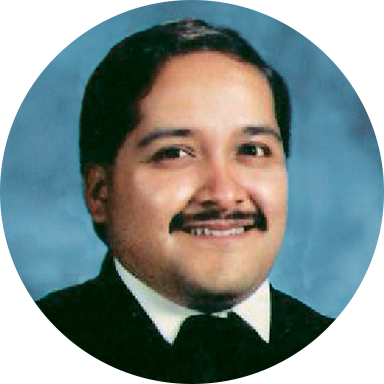
John Nieto

John Nieto directs the mariachi program at Brackenridge High School in San Antonio and leads the San Antonio ISD All District Mariachi ensemble. Beyond his high school work, he serves as an instructor, arranger, and transcriber at major mariachi conferences in Albuquerque and Tucson, and performs professionally with ensembles throughout the San Antonio region.

Nieto's musical lineage runs deep in the mariachi tradition. He has shared the stage with some of the world's most celebrated mariachi groups, including Mariachi Vargas de Tecalitlan and Mariachi Sol De Mexico. His high school ensembles have earned recognition at the Ford, Lincoln-Mercury Mariachi Extravaganza and the Albuquerque Mariachi Spectacular, and his students have represented San Antonio as cultural ambassadors internationally. His journey began at Our Lady of Guadalupe church, where parental insistence eventually led to a lifelong commitment to the tradition.

Why we love this

Nieto brings authentic mariachi sensibility to string orchestra writing without demanding advanced technique. The piece sits comfortably at Grade 1.5 while maintaining genuine musical character, making it ideal for introducing younger ensembles to Latin traditions and syncopated rhythms in a manageable, rewarding package.

What to expect

The piece evokes the warmth and character of San Antonio's mariachi culture, translating the guitar-driven syncopation and rhythmic vitality of a Son Jalisciense into string textures. Though brief at two minutes, it captures the charm and movement of the title's subject with genuine musical personality.

Who it's for

String orchestras in their first or second year of development, or ensembles looking to expand beyond European concert traditions. The Grade 1.5 level makes it accessible while the programmatic storytelling and authentic cultural roots engage students musically and educationally.

How to get the most out of it

  • Shape the syncopated figures with clear articulation rather than rushing them. The rhythmic lift characteristic of Son Jalisciense comes from precise placement, not speed.
  • Balance the melodic material between sections carefully. Even at this level, mariachi-influenced writing benefits from transparent voicing that lets each part contribute to the overall texture.
  • Maintain a steady, grounded pulse in the lower strings. This foundation allows the upper voices to sit comfortably on top of the syncopation without losing rhythmic security.

How to use it

Program this as a concert centerpiece that introduces audiences to Latin string writing or pair it with other Grade 1-2 pieces to build a thematically diverse set. It also works well in early-season festivals where accessibility and authentic cultural content are both valued.

Skills your students will build

  • Playing syncopated rhythms with accuracy and style
  • Reading and performing Son Jalisciense form and phrasing
  • Balancing melody and accompaniment in transparent textures
  • Responding to programmatic content and cultural context in performance

You May Also Like
