
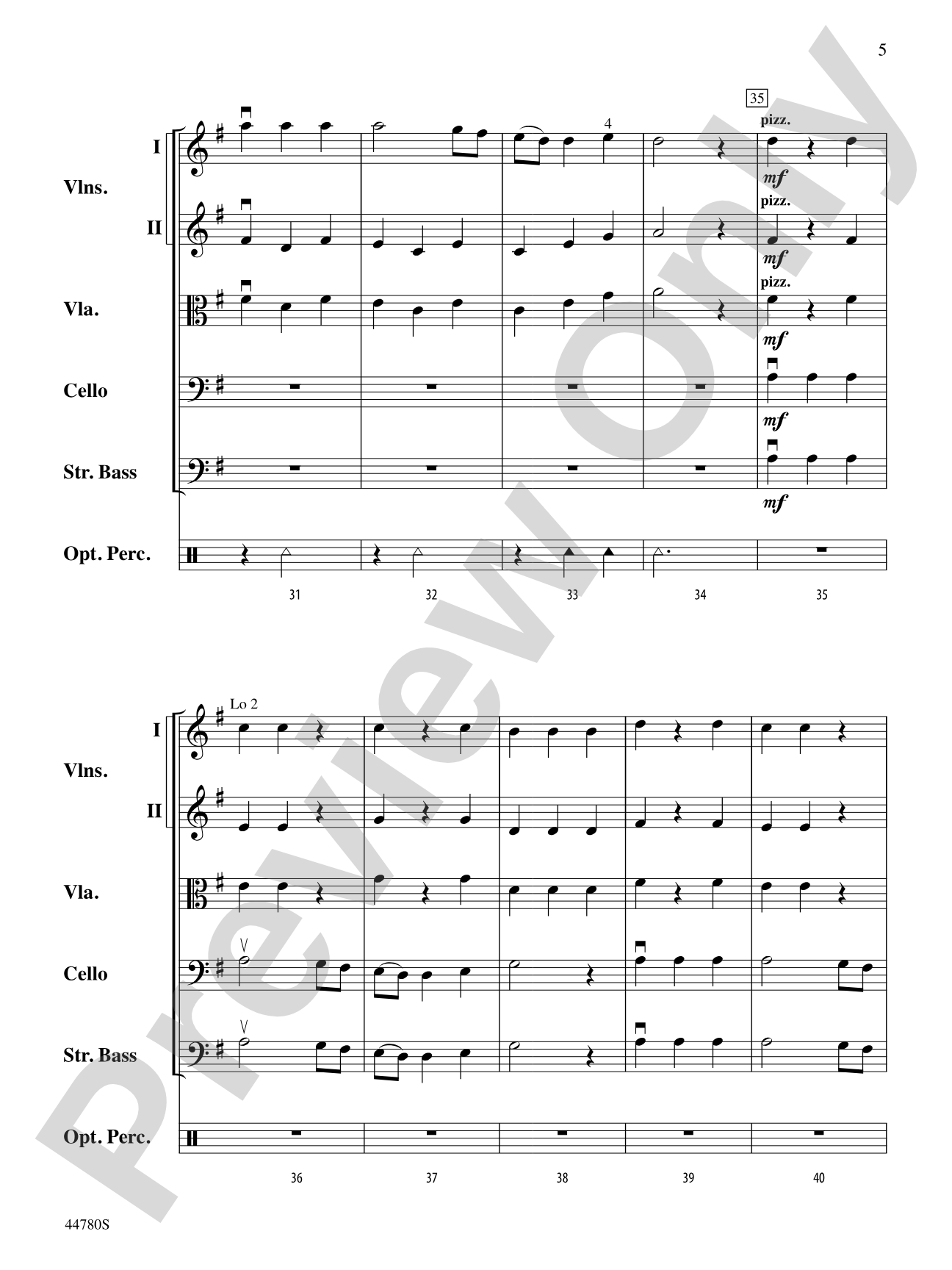
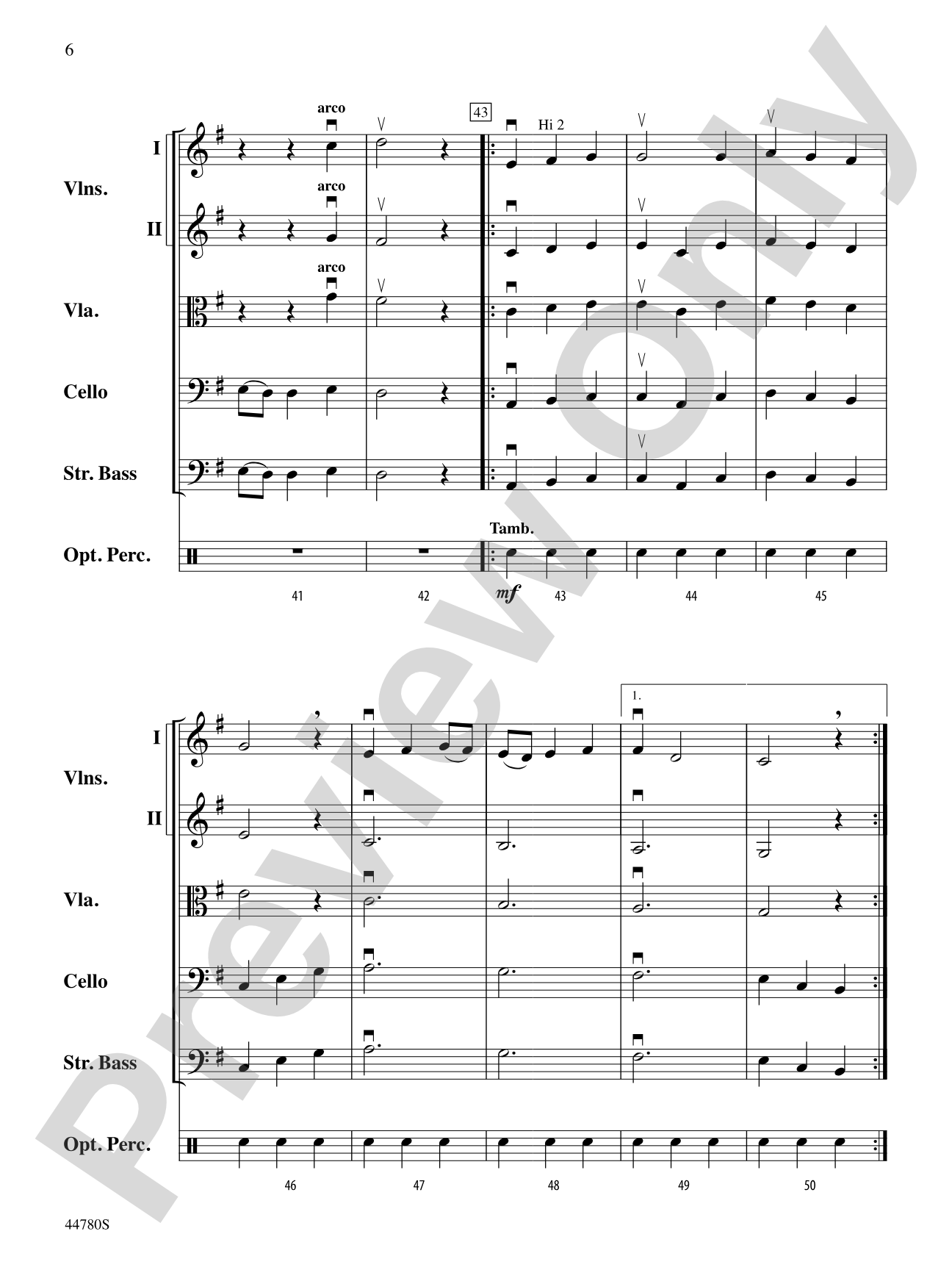
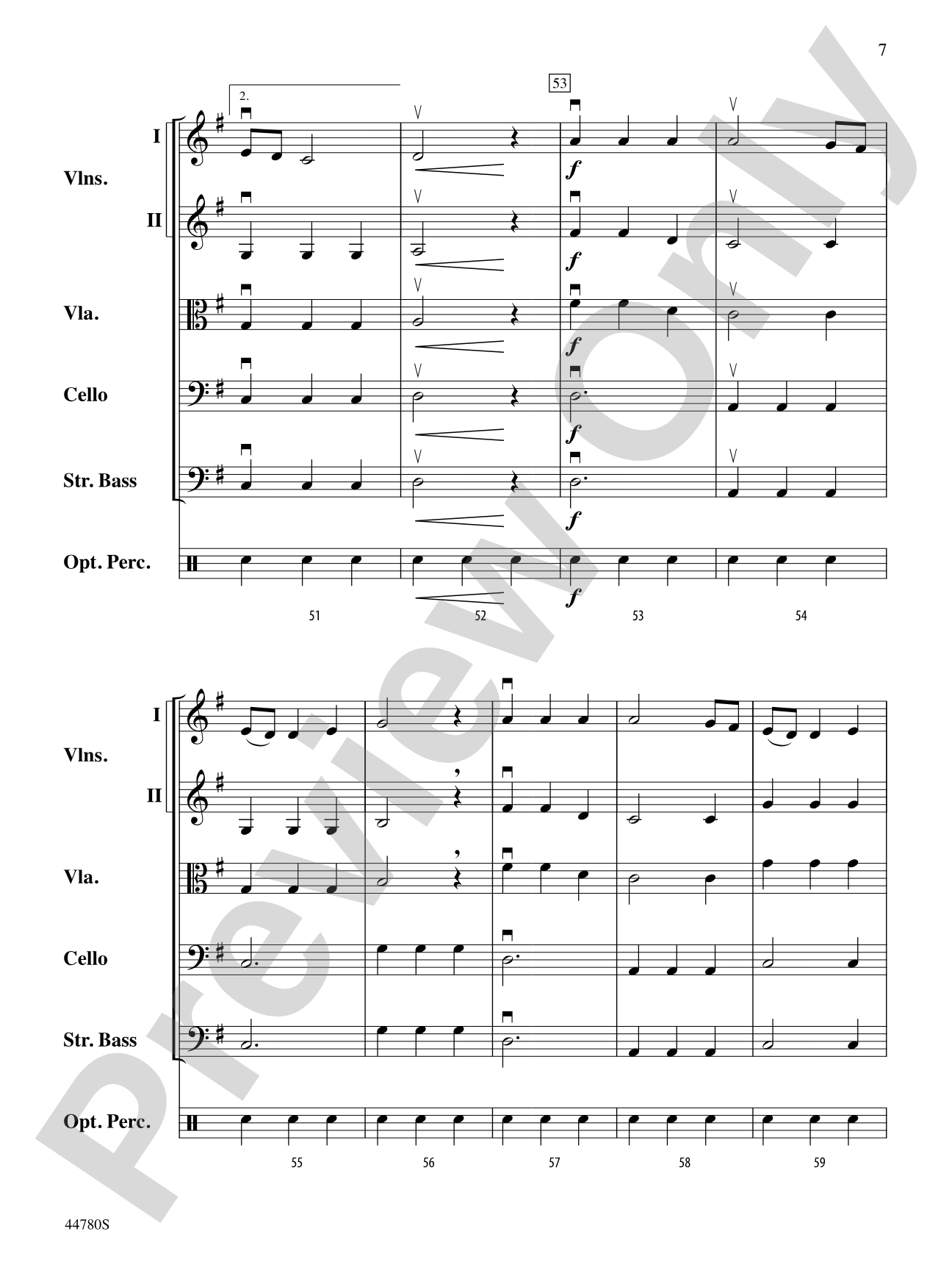
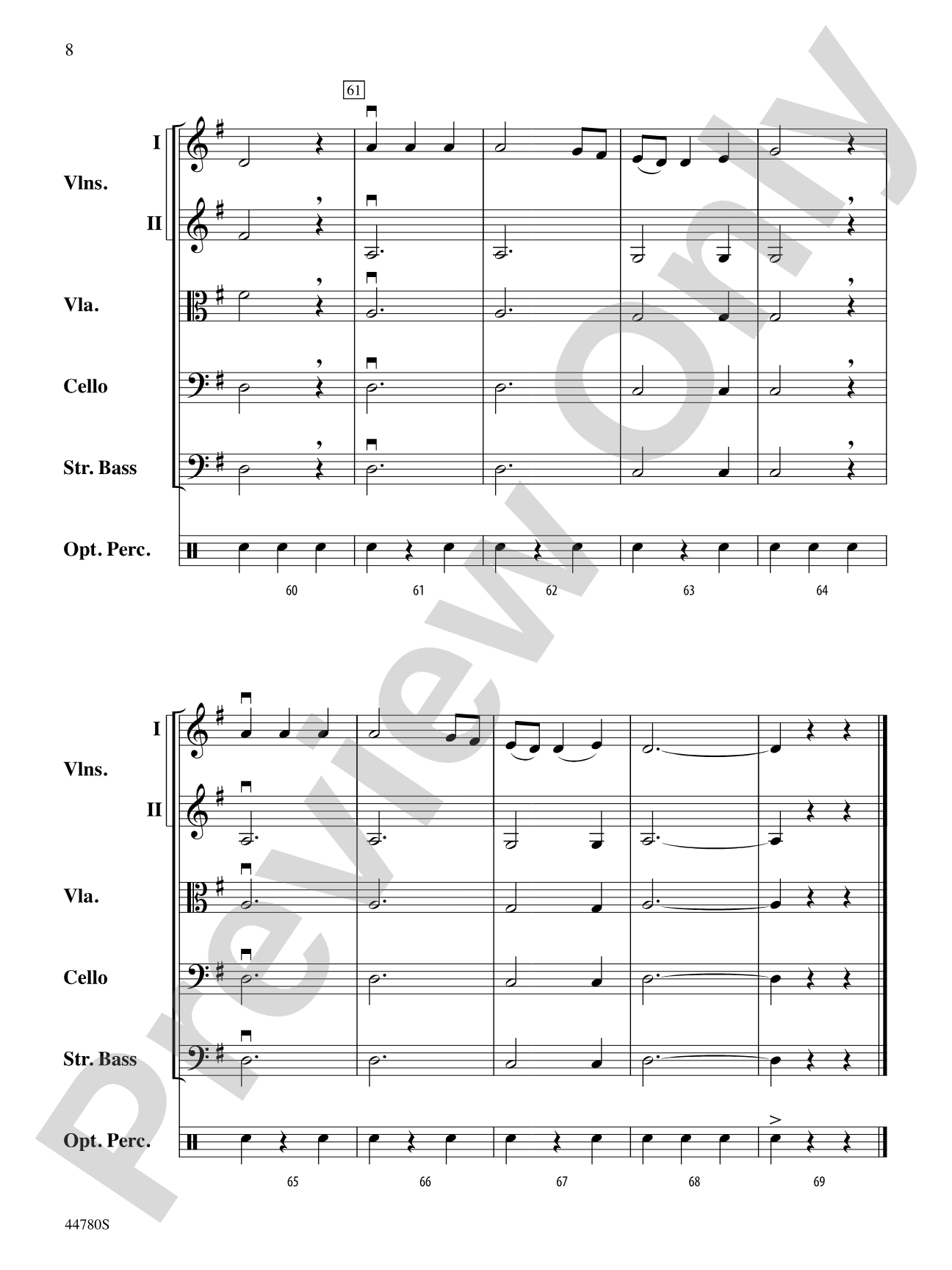

Medieval Dance: String Orchestra Conductor Score & Parts
By Thibaut de Blason / arr. Michael Story
Grade: 0.5
Item: 00-PK-0007054

$45.00
Pickup currently not available
Buy Extra Parts (Digital PDF Download)
| Product | Price | Quantity |
|---|---|---|
| Medieval Dance: Score | $8.00 | |
| Medieval Dance: 1st Violin | $5.99 | |
| Medieval Dance: 2nd Violin | $5.99 | |
| Medieval Dance: Viola | $5.99 | |
| Medieval Dance: Cello | $5.99 | |
| Medieval Dance: String Bass | $5.99 | |
| Medieval Dance: 1st Percussion | $5.99 |
Parts Added to Cart!
Related Items
Medieval Dance: Concert Band Conductor Score & Parts |
$51.00
|
View | |
Medieval Dance: Concert Band Conductor Score & Parts |
$51.00
|
View | |
Medieval Dance: Concert Band Conductor Score |
$9.00
|
View | |
Medieval Dance: String Orchestra Conductor Score & Parts |
$45.00
|
View | |
Medieval Dance: String Orchestra Conductor Score |
$8.00
|
View |
Description
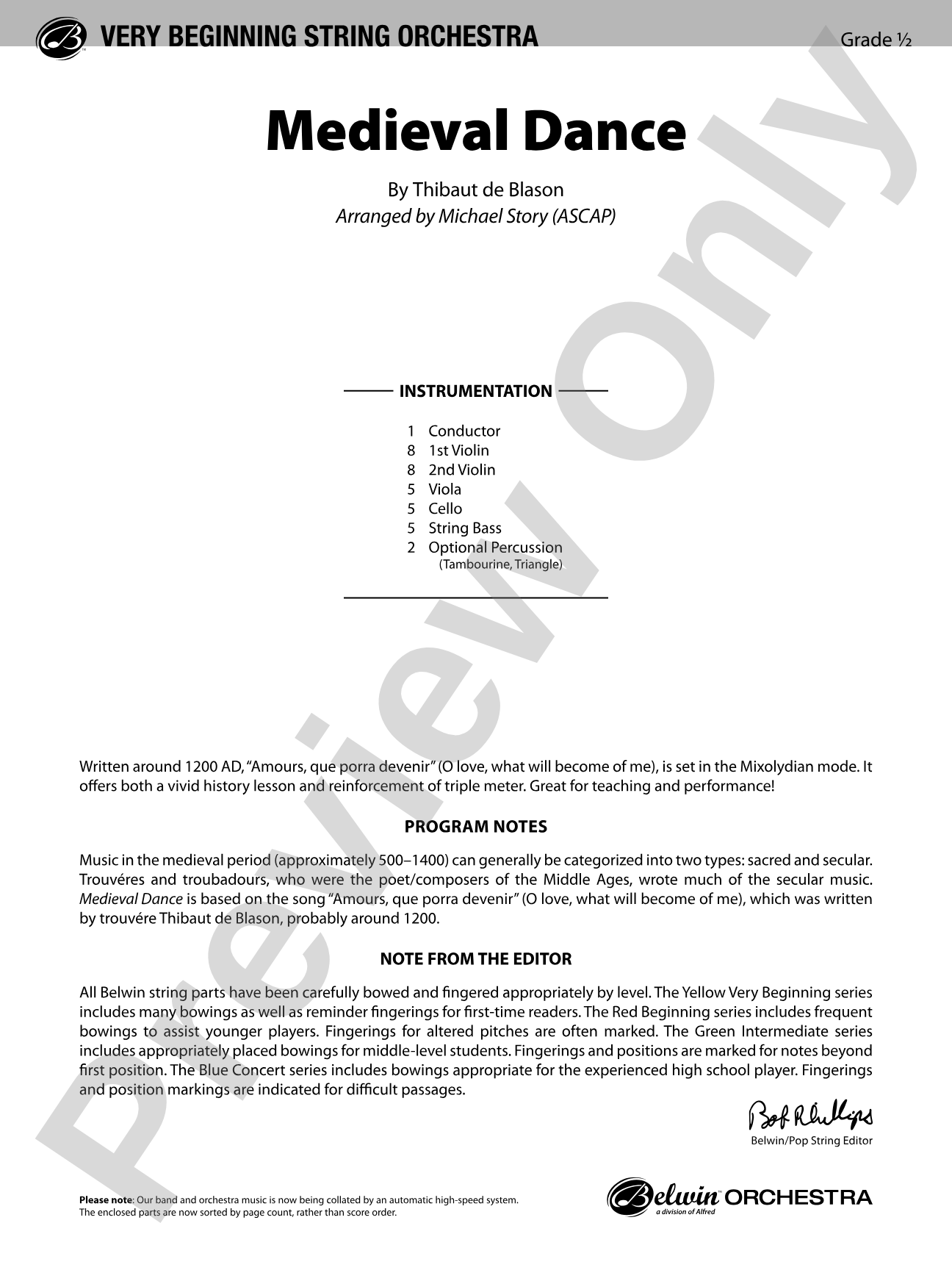
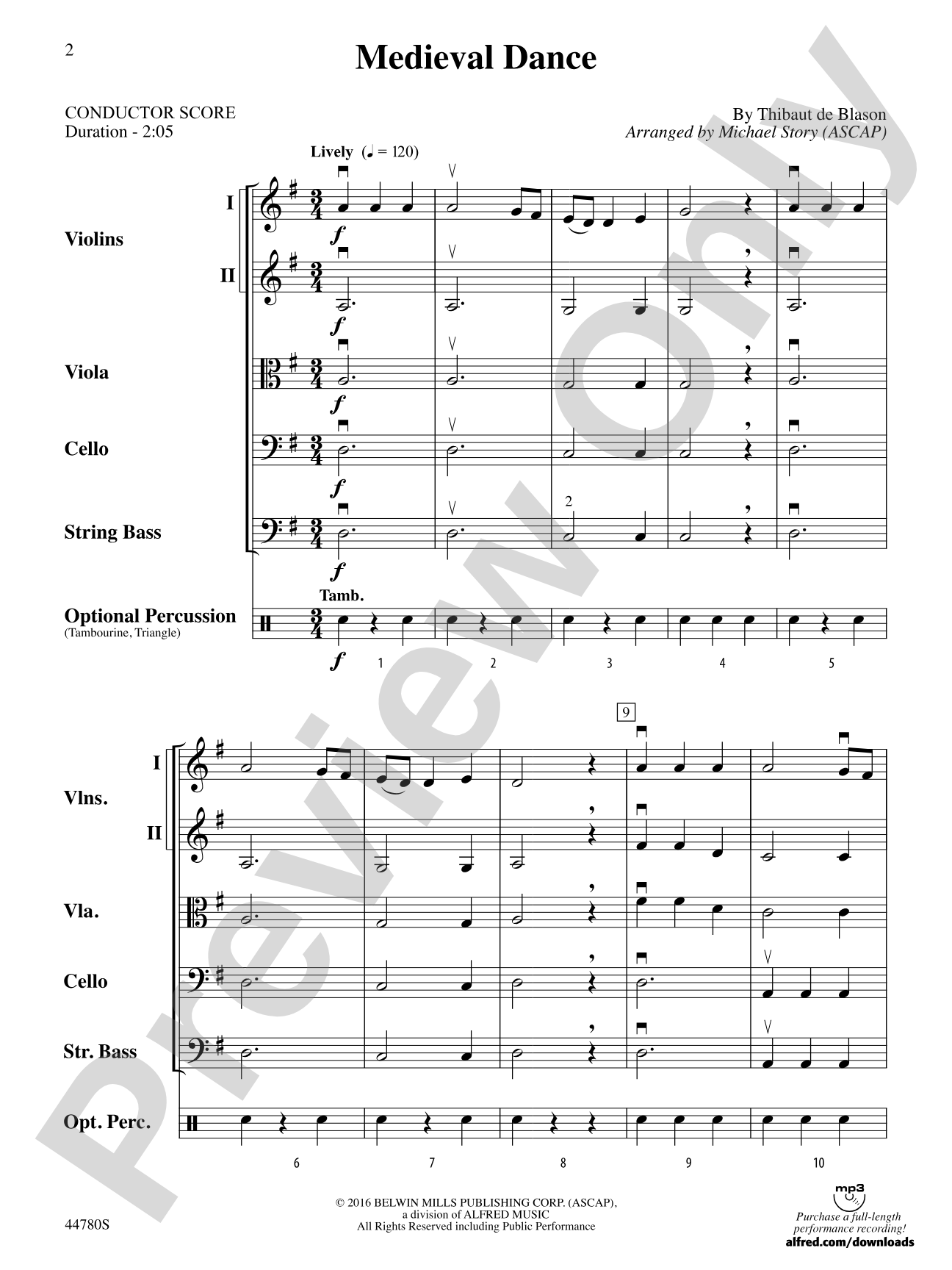
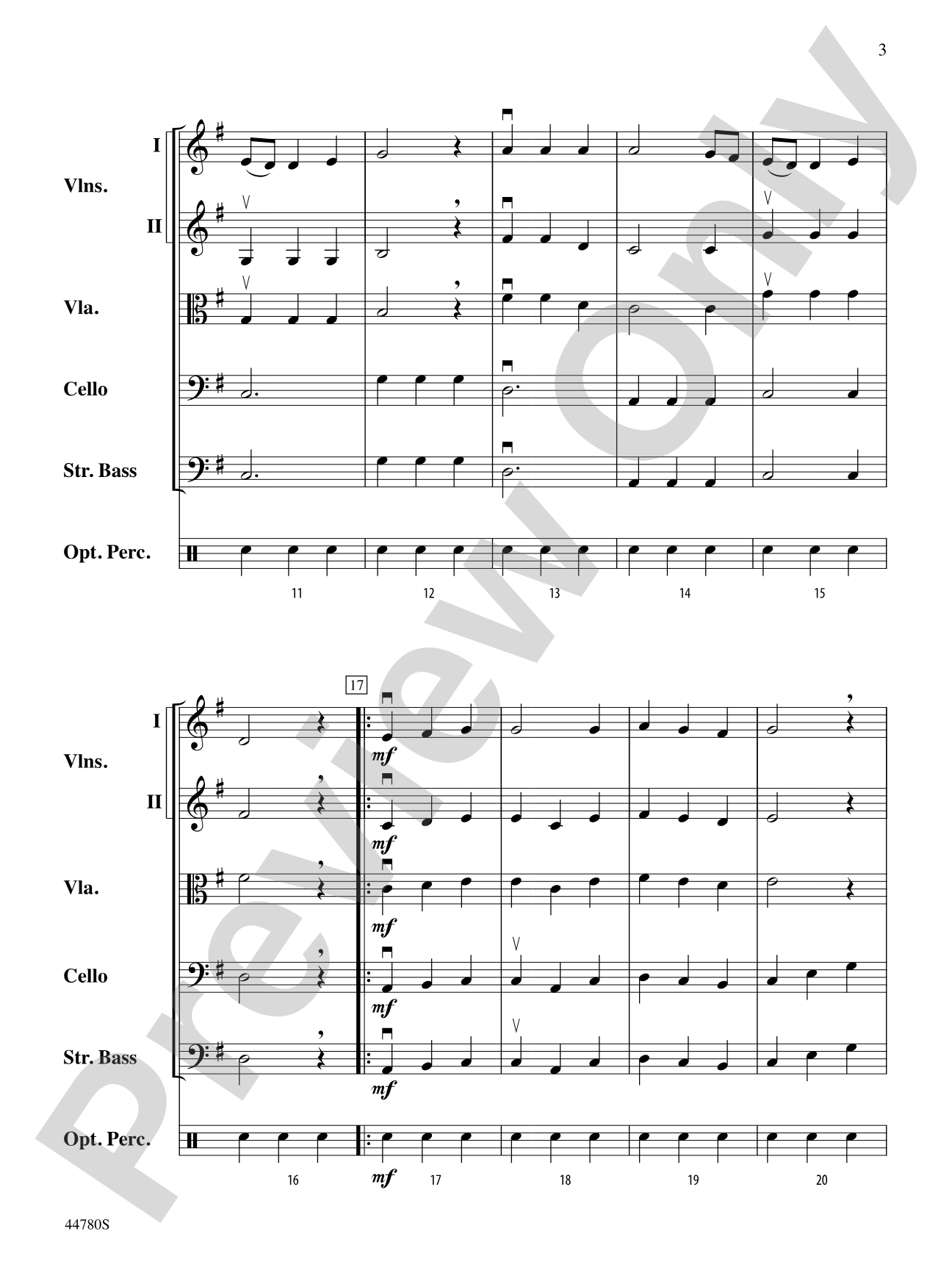
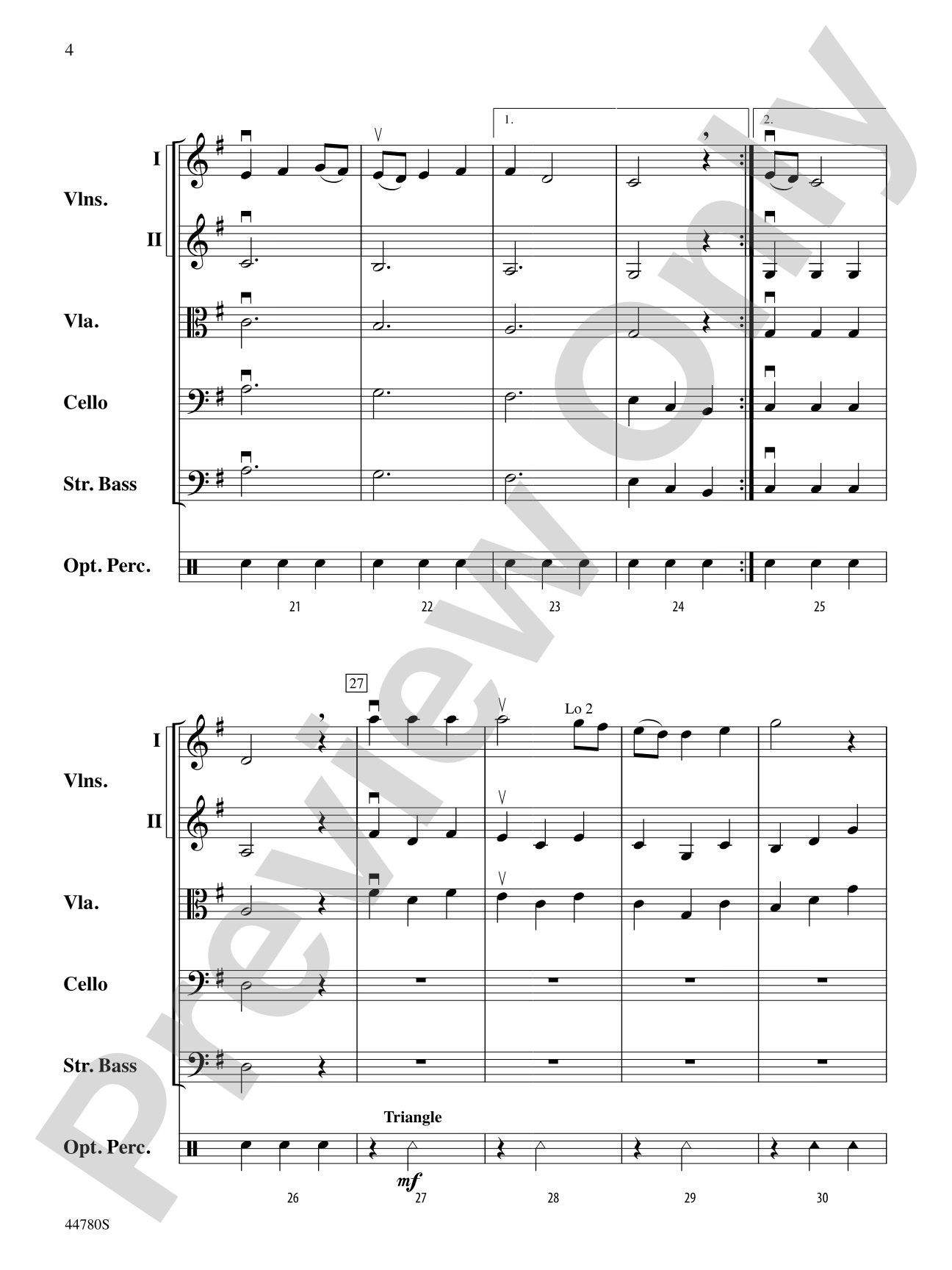
"Medieval Dance" is based on the song "Amours, que porra devenir" (O love, what will become of me), which was written by trouvére Thibaut de Blason, probably around 1200. Carefully scored in the Mixolydian mode by Michael Story, this piece offers both a vivid history lesson and reinforcement of triple meter. Great for teaching and performance! (2:05)


Don't just read it, hear it, play along with it, and watch your students grow with it. In MakeMusic Cloud, Medieval Dance: String Orchestra Conductor Score & Parts comes alive with professional accompaniment, adjustable tempo, and built-in practice tools that turn solo practice into real progress.
Open in the Player
Jump straight in and assign it today.
Start Your Free Trial
Open this title and explore the full library in minutes.
Sample Audio
1
Audio File
--:--
0:00
0:00
Sample Video
Additional Details
Series:
Belwin Very Beginning String Orchestra
Publisher:
Alfred Music
Page Count:
66
SKU:
00-PK-0007054
More about this title
About the Composer: Thibaut de Blason
Thibaut de Blason was a trouvère active in northern France during the late 12th and early 13th centuries. His songs, including "Amours, que porra devenir," represent the courtly love tradition that defined medieval vocal music and continue to offer windows into the musical sensibilities of the High Middle Ages.
As a composer-poet, Thibaut de Blason crafted melodies that balance lyrical expression with structural clarity. His work survives in manuscript sources and provides modern arrangers with authentic material that brings students face-to-face with music nearly 900 years old.
Why we love this
Michael Story's scoring captures the modal character of the original trouvère song while making it entirely accessible to young string orchestras. The piece serves triple duty: it teaches genuine music history, reinforces a fundamental metric concept, and sounds genuinely beautiful in performance. At Grade 0.5, this is rare repertoire that does not talk down to students.
What to expect
Medieval and timeless. The Mixolydian mode gives the melody a wistful, modal quality that feels both ancient and immediately singable. Underneath runs a gentle rhythmic groove built on triple meter, making the piece feel both contemplative and dance-like at once.
Who it's for
Beginning string orchestras ready to move beyond simplified folk arrangements into actual repertoire with historical substance. This is ideal for students in their first year of ensemble playing who benefit from both musical and cultural context alongside technical challenge.
How to get the most out of it
- Balance the melodic line across first and second violin parts to ensure the tune stays singing even when divided.
- Establish a warm, unhurried pulse in triple meter; this is a dance, but not a hurried one. Let the natural grace notes breathe.
- Use light bow strokes in the accompaniment figures to avoid muddying the modal sonority that defines the piece.
- Shape phrases toward points of harmonic interest rather than playing metrically throughout; the Mixolydian mode creates gentle peaks and valleys.
How to use it
Program this early in a concert to set a historical arc or cultural theme. It pairs well with Renaissance and Baroque works that students may play later in the year, offering them a chronological anchor point. The 2:05 duration makes it ideal for a festival or contest where you want impact without length.
Skills your students will build
- Recognizing and performing in the Mixolydian mode
- Reinforcing triple meter and its musical character at the ensemble level
- Reading divisi in both upper and lower strings
- Balancing divided melodic lines while maintaining phrase continuity
- Understanding modal sonority and how it differs from major and minor tonality