May Our Paths Meet Again Cover Image

May Our Paths Meet Again: SATB Choral Octavo

$2.25 USD
Sale price  $2.25 USD Regular price 
Skip to product information
May Our Paths Meet Again Cover Image

May Our Paths Meet Again: SATB Choral Octavo

Music by Sally K. Albrecht and Jay Althouse

Item: 00-11397

makemusic Cloud badge

Need it now?

Buy Digital Version
$2.25
Shipped

One moment…

Description
A simple four-measure a cappella opening develops slowly and meaningfully into a gorgeous ballad of farewell. "I know you must travel your road as I must travel mine, but may our paths meet again sometime." Of course, it's an obvious choice for graduation, baccalaureate or end-of-year concerts, but we also recommend it as a closer for any concert. It just might become your choir's traditional encore.

Don't just read it, hear it, play along with it, and watch your students grow with it. In MakeMusic Cloud, May Our Paths Meet Again: SATB Choral Octavo comes alive with professional accompaniment, adjustable tempo, and built-in practice tools that turn solo practice into real progress.

Sample Pages

Sample Audio
No sample audio found.
Sample Video
Additional Details
Series: Alfred Archive Edition: Alfred Choral Designs
Publisher: Alfred Music
Page Count: 8
UPC: 038081028439
SKU: 00-11397

More about this title

About the Composer: Sally K. Albrecht
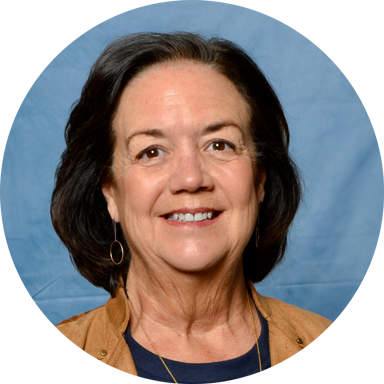
Sally K. Albrecht

Sally K. Albrecht has shaped American choral music for over four decades as a composer, conductor, and educator. Since 1987, she has been a consistent recipient of the ASCAP Special Music Award, with more than 600 choral publications and 75 larger works in print. Her conducting credits span prestigious venues including Lincoln Center, Carnegie Hall, and The Kennedy Center, where she has led honor choirs and festival ensembles across the country.

For 30 years, Albrecht directed school choral and vocal publications at two major educational music publishers, including her recent tenure at Alfred Music. She has taught at Oakland University in Michigan, Jersey City State College in New Jersey, and Meredith College in North Carolina. A Cleveland native, she earned her B.A. in Music and Theater from Rollins College in 1976 and both an M.A. in Drama and an M.M. in Accompanying from the University of Miami. In 2021, she received the Distinguished Alumna Award from both institutions. She lives in Wake Forest, North Carolina, with her husband, composer and arranger Jay Althouse.

Why we love this

This piece earns its place in the canon of choral sendoffs not through sentiment alone but through compositional restraint. The four-measure a cappella opening creates immediate focus and attention in the room before the music unfolds into something genuinely moving; many directors find their choirs and audiences lean in from the first notes. Its brevity (8 pages) and accessibility make it feasible to prepare across a range of vocal programs, yet its emotional landing feels substantial enough that singers remember having sung it.

What to expect

The piece begins in hushed simplicity, almost intimate. As it develops, a sense of purpose and grace emerges; there is both acknowledgment of parting and a gentle hopefulness in the melodic line. The final measures settle into a bittersweet calm, leaving singers and listeners with a feeling of respect for the journey ahead rather than sadness about what is ending.

Who it's for

This octavo works beautifully for any SATB choir with secure blend and basic intonation skills. It is equally at home in a high school or college program and works well for community and church choirs seeking repertoire that speaks to transition and closure without requiring advanced technique.

How to get the most out of it

  • Spend rehearsal time on the opening measures as a cappella unison or harmony exercise. The clarity and stillness of this introduction set the emotional tone for everything that follows, so secure intonation and breath unity here pay dividends in the rest of the ballad.
  • Resist the urge to add dynamics too early. Let the text and melody find their own shape first, then layer in expression that feels earned rather than imposed.
  • Balance the harmonic movement in the middle and closing sections by listening for each voice part's independence; this ballad relies on gentle voice leading rather than thick block harmony.

How to use it

This is an obvious choice as the final selection on graduation or baccalaureate programs, but consider closing any end-of-year concert with it. The piece has the weight and emotional completeness that can anchor a program's final moments, and many choirs find it works well as a traditional encore that builds listener expectation and deepens the final impression of a concert.

Skills your students will build

  • Singing sustained a cappella passages with secure intonation
  • Blending in four-part harmony without instrumental support
  • Shaping a ballad with appropriate phrasing and line direction
  • Managing breath placement across longer phrases

You May Also Like
