March Slav Cover Image

March Slav: Concert Band Conductor Score

$8.00 USD
Sale price  $8.00 USD Regular price 
Skip to product information
March Slav Cover Image

March Slav: Concert Band Conductor Score

Arr. Mark Williams

Grade: 2 (Medium Easy)

Item: 00-16559S

$8.00
Shipped

One moment…

Description
This arrangement of Tchaikovsky's epic tone poem maintains the drama and grandeur of the original, while remaining easily playable by developing bands. One of music's best-known masterworks, this will make a great addition to your band library. A superior concert and contest selection!

March Slav: Concert Band Conductor Score isn't in MakeMusic Cloud just yet...but it could be. Let us know you'd like to see it, and you'll help shape what comes next. In the meantime, start a free trial and dive into thousands of interactive titles your students can play along with today.

Sample Pages

Sample Audio
No sample audio found.
Sample Video
Additional Details
Series: Young Symphonic
Publisher: Alfred Music
Page Count: 20
UPC: 038081140926
SKU: 00-16559S

More about this title

About the Arranger: Mark Williams
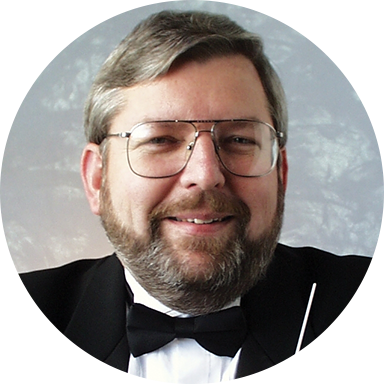
Mark Williams

Mark Williams composed and arranged over 200 works for school bands, orchestras, and choirs during a career dedicated to music education. A Chicago native who spent formative years in Spokane, Washington, he held degrees in education from Eastern Washington University and served as a woodwind performer and arranger with the 560th Air Force Band.

Williams earned recognition across the country through his work as a clinician and guest conductor, visiting 34 states, five Canadian provinces, and Australia. His contributions to band education include the co-authored Accent on Achievement Band Method, and his compositions garnered numerous accolades including the Western International Band Clinic's Gralia Competition and multiple ASCAP Special Awards. Beyond his writing, he performed regularly as a bassoon soloist and led the Spokane British Brass Band as conductor and artistic director.

Why we love this

Williams captures the sweep and power of Tchaikovsky's original without overwhelming a developing band. The arrangement respects the iconic melodies and harmonic architecture while distributing parts thoughtfully across the ensemble, giving every section meaningful material. This is a genuine masterwork that bands can sink their teeth into without months of rehearsal preparation.

What to expect

Processional and ceremonial, with the grandeur of a Russian imperial march that never loses sight of its lyrical heart. The piece builds from stately melodic statements into moments of gathering power, offering players a sense of participating in something monumental and familiar all at once.

Who it's for

Directors seeking a Grade 2 work with genuine musical substance and recognizable appeal. Bands ready to explore a landmark of the concert repertoire without requiring advanced technical demands or extended rehearsal time.

How to get the most out of it

  • Shape the opening march theme with clear articulation and consistent dynamics; the melody's nobility depends on deliberate phrasing rather than rushing the tempo.
  • Balance the brass writing carefully so that doublings support without overpowering the primary melodic lines; Williams distributes the harmony generously, so transparency comes from restraint in the middle voices.
  • Treat the passage work in the middle sections as structural bridges, not filler; slight forward motion through these transitions will propel the piece toward its climactic statements.

How to use it

Program this as the centerpiece of a concert celebrating famous orchestral works, or as a strong festival selection that audiences will immediately recognize and appreciate. Its 20-page length and Grade 2 accessibility make it ideal for mid-season programming when bands have developed enough ensemble cohesion to handle the piece's broader dynamic and structural demands.

Skills your students will build

  • Balancing melody and harmony in a multi-textured arrangement
  • Sustaining longer phrases across dynamic arcs
  • Responding to broad formal structure in a masterwork context
  • Performing articulation with stylistic clarity in a Romantic-era idiom

You May Also Like