Love Is Easy Cover Image

Love Is Easy: Jazz Ensemble Conductor Score, Parts & CD

$69.00 USD
Sale price  $69.00 USD Regular price 
Skip to product information
Love Is Easy Cover Image

Love Is Easy: Jazz Ensemble Conductor Score, Parts & CD

By Jim Snidero / arr. Dave Rivello

Item: 01-ADV34004

$69.00
Shipped

One moment…

Description
A medium up-standard based on "Easy to Love." "Love Is Easy" is written in a relaxed swing feel, and has solo space for drums, trumpet, and tenor sax (optional written solos are provided). The ensemble material starts with a unison octave line that leads to the final ensemble material. The pedal point section that is used at the end of the form finishes the piece.

Love Is Easy: Jazz Ensemble Conductor Score, Parts & CD isn't in MakeMusic Cloud just yet...but it could be. Let us know you'd like to see it, and you'll help shape what comes next. In the meantime, start a free trial and dive into thousands of interactive titles your students can play along with today.

Sample Pages

Sample Audio

track 1

0:00
0:00
Sample Video
Additional Details
Series: Advance Music: Big Band Plus
Publisher: Advance Music
ISBN10: 3-892214-95-6
ISBN13: 978-3-892214-95-3
UPC: 805095340044
SKU: 01-ADV34004

More about this title

About the Composer: Jim Snidero
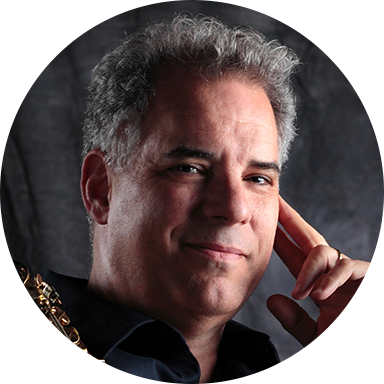
Jim Snidero

Jim Snidero stands among the most accomplished alto saxophonists and composers of the contemporary jazz world. Since the early 1980s, he has built a recording discography of remarkable range, appearing as a sideman with legends including Brother Jack McDuff, the Mingus Big Band, and Frank Wess, while simultaneously establishing himself as a leader with landmark albums such as Mixed Bag and Blue Afternoon. Downbeat Magazine has recognized his artistry as both a "master musician" and "alto saxophone virtuoso," and his inclusion in the 2017 Downbeat Critic's Poll underscores his sustained influence on the international jazz scene.

Beyond performance and recording, Snidero has become a vital voice in jazz education and composition. His work as an arranger and composer has produced music for ensembles at every level, from big band to small group, always grounded in genuine swing sensibility and idiomatic writing. His dual commitment to advancing the jazz tradition and nurturing the next generation of musicians reflects a career built on both musical excellence and generosity toward the art form itself.

Why we love this

Snidero's arrangement transforms a classic Cole Porter standard into a vehicle for genuine ensemble swing and featured soloists. The unison octave opening establishes immediate energy, and the optional written solos for drums, trumpet, and tenor sax give your section leaders and soloists room to shine while maintaining musical safety; this is the kind of flexible scaffolding that makes a piece work in multiple settings, from adjudication to concert.

What to expect

The relaxed swing groove invites your ensemble to settle into a pocket that feels both grounded and buoyant. When the unison octave line breaks into the ensemble swell, there's a sense of collective lift, and the pedal point finish carries the weight of that shared rhythmic and harmonic resolution.

Who it's for

This piece works for jazz ensembles at the medium-advanced level who have solid fundamentals in swing feel and section balance. It suits groups ready to handle combo solos while maintaining ensemble cohesion, and it's equally effective in competitive settings and school concerts where you want to showcase both ensemble sound and individual talent.

How to get the most out of it

  • Keep the swing feel relaxed and unhurried; the pedal point section that closes the form gains impact only when the ensemble trusts the groove and doesn't rush.
  • Balance the unison octave line so it reads as a single, confident statement. This moment sets the tone for everything that follows.
  • For the optional solos, ensure the rhythm section is locked and supportive; even written solos benefit from a section that plays with intention and responds to the soloist's phrasing.
  • Shape the ensemble material between the solos with clear dynamic arc so the final pedal point feels like a purposeful harmonic and rhythmic anchor, not an abrupt ending.

How to use it

Program this as a mid-set ensemble feature that allows soloists to take the spotlight without departing from a cohesive concert narrative. It pairs well after a ballad or before a higher-energy closer, and it sits naturally in a jazz concert that values both traditional standards and fresh arrangements of familiar material.

Skills your students will build

  • Swing feel and relaxed time
  • Ensemble unison intonation and balance
  • Solo phrasing over changes with section support
  • Pedal point harmonic awareness and rhythmic precision
  • Responding to and supporting featured soloists

You May Also Like