Love Is Easy Cover Image

Love Is Easy: Jazz Ensemble Conductor Score

$17.95 USD
Sale price  $17.95 USD Regular price 
Skip to product information
Love Is Easy Cover Image

Love Is Easy: Jazz Ensemble Conductor Score

By Jim Snidero / arr. Dave Rivello

Item: 01-ADV34004-1

$17.95
Shipped

One moment…

Description
A medium up-standard based on "Easy to Love." "Love Is Easy" is written in a relaxed swing feel, and has solo space for drums, trumpet, and tenor sax (optional written solos are provided). The ensemble material starts with a unison octave line that leads to the final ensemble material. The pedal point section that is used at the end of the form finishes the piece.

Love Is Easy: Jazz Ensemble Conductor Score isn't in MakeMusic Cloud just yet...but it could be. Let us know you'd like to see it, and you'll help shape what comes next. In the meantime, start a free trial and dive into thousands of interactive titles your students can play along with today.

Sample Pages

No sample pages found.

Sample Audio

Love Is Easy

0:00
0:00
Sample Video
Additional Details
Series: Advance Music: Big Band Plus
Publisher: Advance Music
SKU: 01-ADV34004-1

More about this title

About the Composer: Jim Snidero
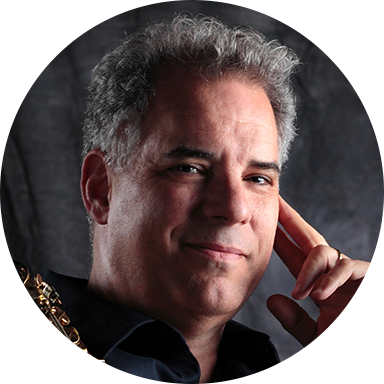
Jim Snidero

Jim Snidero has established himself over more than three decades as a leading voice in contemporary jazz. An alto saxophonist, composer, arranger, and educator, he has earned recognition from Downbeat Magazine as both a "master musician" and "alto saxophone virtuoso," and placed in the 2017 Downbeat Critic's Poll, cementing his influence on the international jazz scene.

Snidero's path to New York began in Camp Springs, Maryland, where his school music program and early mentorship shaped his musical foundation. He studied with Phil Woods as a teenager and later attended the University of North Texas, where he played in the One O'Clock Lab Band. Further study with Dave Liebman refined his artistry before he moved to New York in 1981 at age 23. His early work with Brother Jack McDuff opened doors to collaborations with the Mingus Big Band, Frank Wess, the Toshiko Akiyoshi Jazz Orchestra, Eddie Palmieri, and Frank Sinatra's Duets II project. As a leader, Snidero has built an extensive discography marked by musical consistency and stylistic range, including Mixed Bag (Criss Cross, 1987) and Blue Afternoon (Criss Cross, 1989), the latter recognized in The Penguin Jazz Guide as one of the finest jazz records ever recorded.

Why we love this

Dave Rivello's arrangement strikes an excellent balance between approachability and musical substance. The unison octave line that launches into ensemble writing gives every section something to play, while the optional written solos for drums, trumpet, and tenor sax allow you to feature your strongest improvisers or provide scaffolding for developing ones. The relaxed swing feel and pedal point ending make this a gratifying piece to work with across multiple rehearsals.

What to expect

Relaxed and sophisticated, with an easy-swinging groove that feels natural rather than forced. The tune unfolds from unison simplicity into layered ensemble writing, creating a sense of conversation and collaboration that rewards attentive listening and playing.

Who it's for

Jazz ensemble directors working with medium-advanced ensembles who want a vehicle that accommodates both section players and soloists. The arrangement works well for groups that have developed basic swing vocabulary and can handle the conversational texture between ensemble and featured voices.

How to get the most out of it

  • Establish the swing feel in the rhythm section before adding the front line. Lock the bass and drums into a comfortable pocket that sits slightly behind the beat, letting the quarter-note pulse breathe rather than push.
  • Balance the early unison line by having the ensemble play with unified articulation and dynamic shape. Blend and intonation matter here since all voices are exposed on the same material.
  • If using the written solos, rehearse them alongside improvisation expectations so soloists understand both the changes and the stylistic character of the tune. The written solos can serve as a reference point during breaks.
  • Shape the pedal point section at the end with gradual dynamic layering. Bring in voices strategically to build color and intensity as the piece resolves.

How to use it

This works as a solid mid-season or concert closer once your ensemble has built comfort with swing feel and solo conventions. Program it alongside other medium up-standards to showcase your group's ability to balance ensemble cohesion with space for individual voices.

Skills your students will build

  • Swing feel and rhythmic placement (sitting behind the beat vs. on top)
  • Balancing unison blend across an entire ensemble
  • Trading and responding in ensemble writing
  • Accompanying soloists with steady comping and section awareness
  • Navigating pedal point harmony and minimal harmonic movement

You May Also Like