Loch Lomond Cover Image

Loch Lomond: SSA Choral Octavo

$2.05 USD
Sale price  $2.05 USD Regular price 
Skip to product information
Loch Lomond Cover Image

Loch Lomond: SSA Choral Octavo

Scottish Folk Song / arr. Mary Donnelly and George L. O. Strid

Item: 00-47537

makemusic Cloud badge

Need it now?

Buy Digital Version
$2.05
Shipped

One moment…

Description
This sweet setting of the famous Scottish folk song generously passes the melody from voice to voice, while gently stretching the traditional rhythms of the piece. Piano players will enjoy the flowing arpeggios of the supportive accompaniment, and singers will savor the long legato lines.

Don't just read it, hear it, play along with it, and watch your students grow with it. In MakeMusic Cloud, Loch Lomond: SSA Choral Octavo comes alive with professional accompaniment, adjustable tempo, and built-in practice tools that turn solo practice into real progress.

Sample Pages

Sample Audio
0:00
0:00
Sample Video
Additional Details
Series: Alfred Choral Designs
Publisher: Alfred Music
Page Count: 12
UPC: 038081542300
SKU: 00-47537

More about this title

About the Arranger: Mary Donnelly
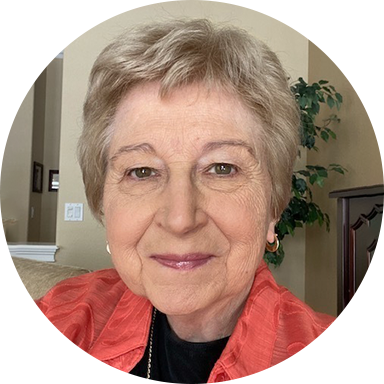
Mary Donnelly

Mary Donnelly grew up in Reno, Nevada and earned dual degrees in English and French from the University of Nevada, Reno. Her passion for music education developed during her college years when she organized children's choruses, leading her to pursue formal teacher training. She completed a Master's Degree in Education from Lesley College in Cambridge, Massachusetts, where she studied arts integration across the curriculum.

Donnelly spent thirty years teaching general music and choir in the Washoe County School District, retiring as an accomplished educator and active member of ACDA, NEA, and ASCAP. In 1985, she began a prolific creative partnership with George Strid while team-teaching a sixth grade music class. Together they have composed over two hundred songs and twenty-five musicals, establishing themselves as significant voices in accessible choral and musical theater repertoire for young singers.

Why we love this

This arrangement transforms a beloved Scottish standard into something that keeps every voice engaged and musically satisfied. Rather than assigning voices to fixed parts, Donnelly and Strid weave the melody around the ensemble, ensuring that soloists and full sections alike experience the heart of the tune. The piano accompaniment supplies genuine musical substance without overwhelming young singers, making this a rare folk setting that feels both respectful to the original and fresh for contemporary choirs.

What to expect

Gentle and reflective, this setting captures the wistfulness of the Scottish landscape without veering into sentimentality. Long melodic lines and rolling piano arpeggios create a sense of flowing movement, while the shared melody gives the music an intimate quality, as though the choir is passing along a beloved memory.

Who it's for

SSA choirs at the middle school and high school levels will find this setting fully accessible while remaining artistically rewarding. The piece suits both festival contexts and concert programming, working equally well for ensembles focused on folk repertoire or those expanding into varied choral literature.

How to get the most out of it

  • Shape the arpeggios in the piano part with rhythmic lift and gentle flexibility; this accompaniment deserves listening ears and supports the singers' phrasing rather than driving tempo.
  • When the melody passes between parts, mark the handoff points clearly in rehearsal so singers understand they are part of a musical narrative, not simply holding harmony.
  • Explore the extended rhythms Donnelly and Strid introduce; resist the impulse to snap back to pure folk-song rhythm, as these gentle expansions create emotional depth.
  • Build legato lines across the full range of your voices; this setting rewards sustained, connected singing that showcases the tenderness of the piece.

How to use it

Program this after a contrasting piece to let its introspective character breathe, or pair it with other folk settings to build a thematic concert segment. The piece works beautifully as a concert closer or as part of a program exploring cultural songs and traditions across the curriculum.

Skills your students will build

  • Maintaining legato lines across phrase boundaries
  • Following melodic movement between voice parts
  • Listening to piano accompaniment and matching its rhythmic flexibility
  • Singing expanded note values in folk melody contexts

You May Also Like
