
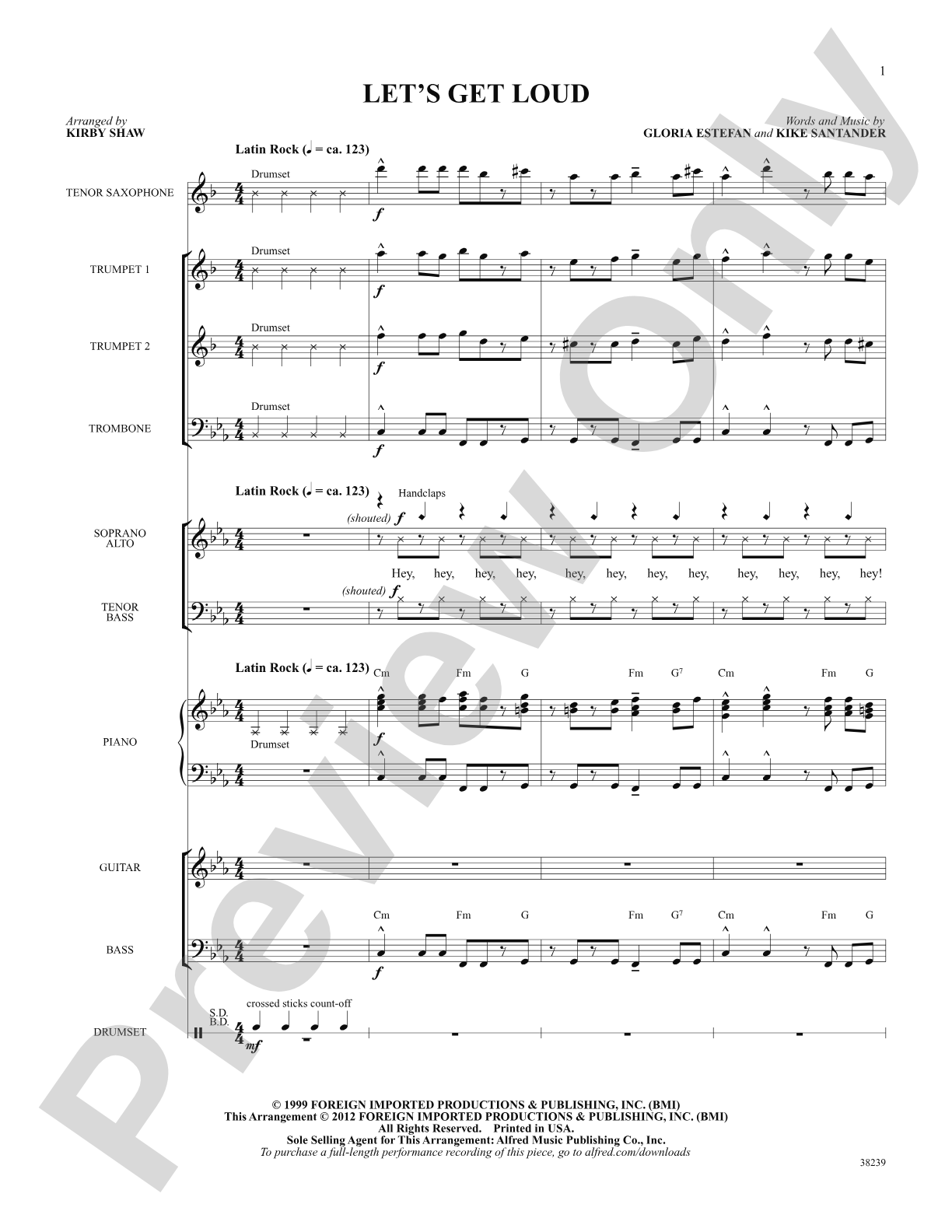
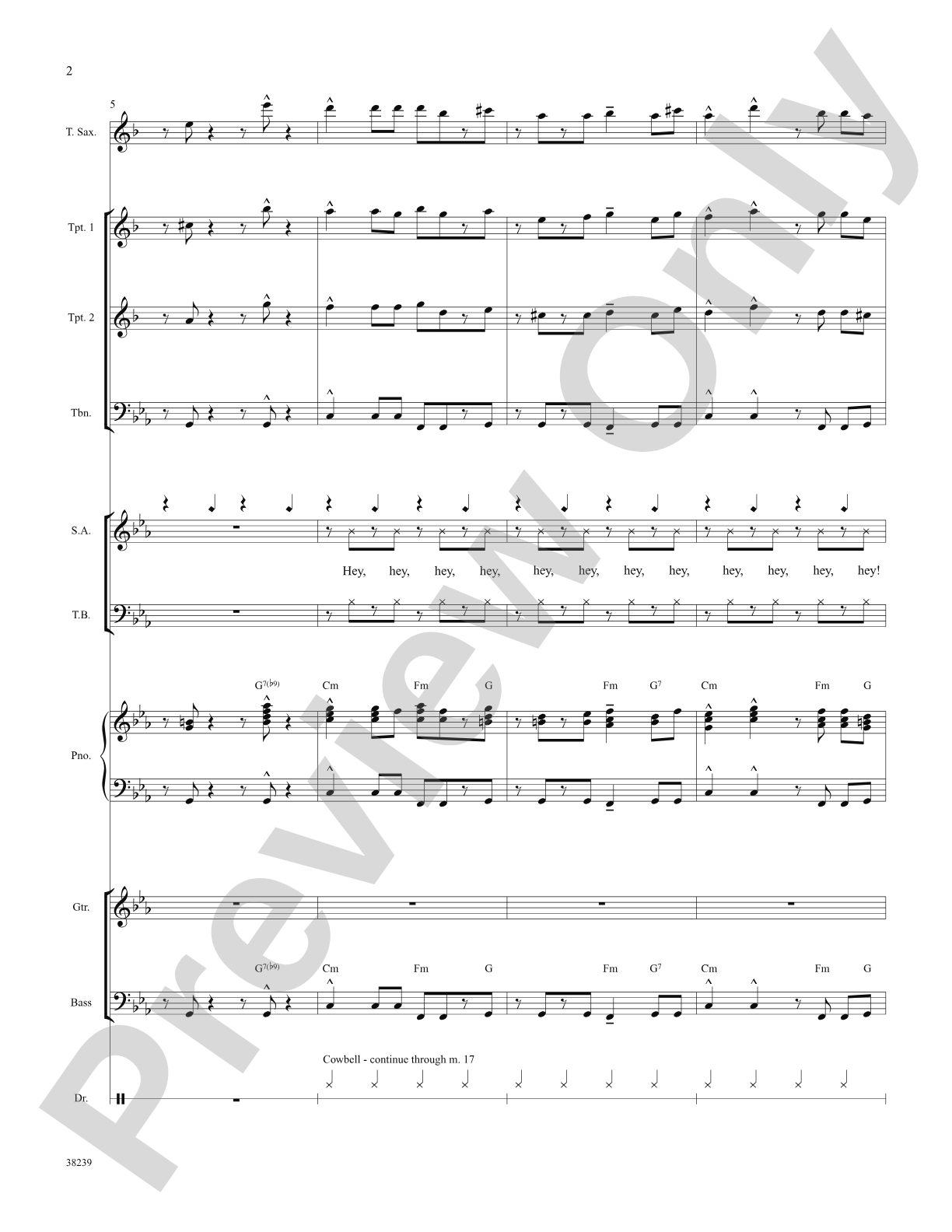
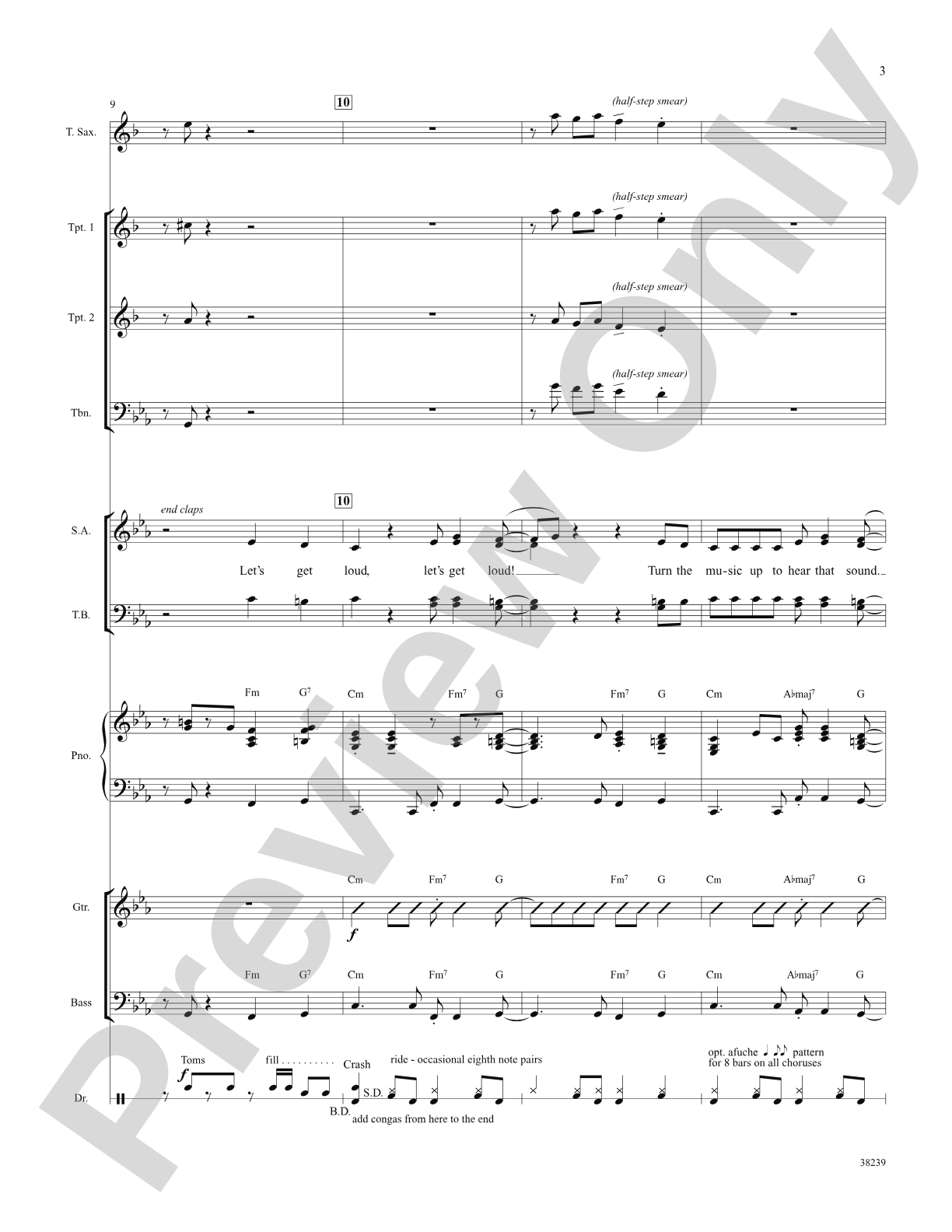
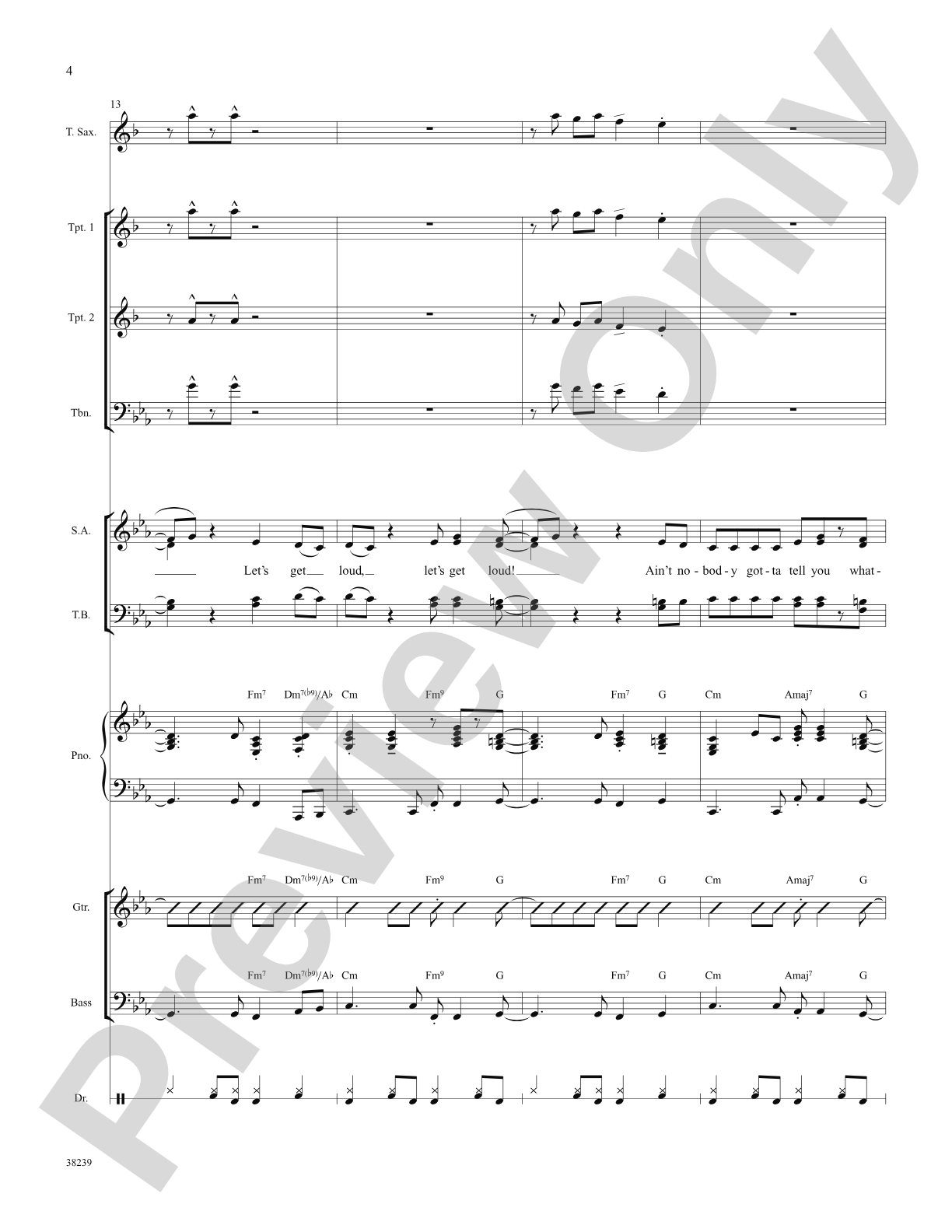
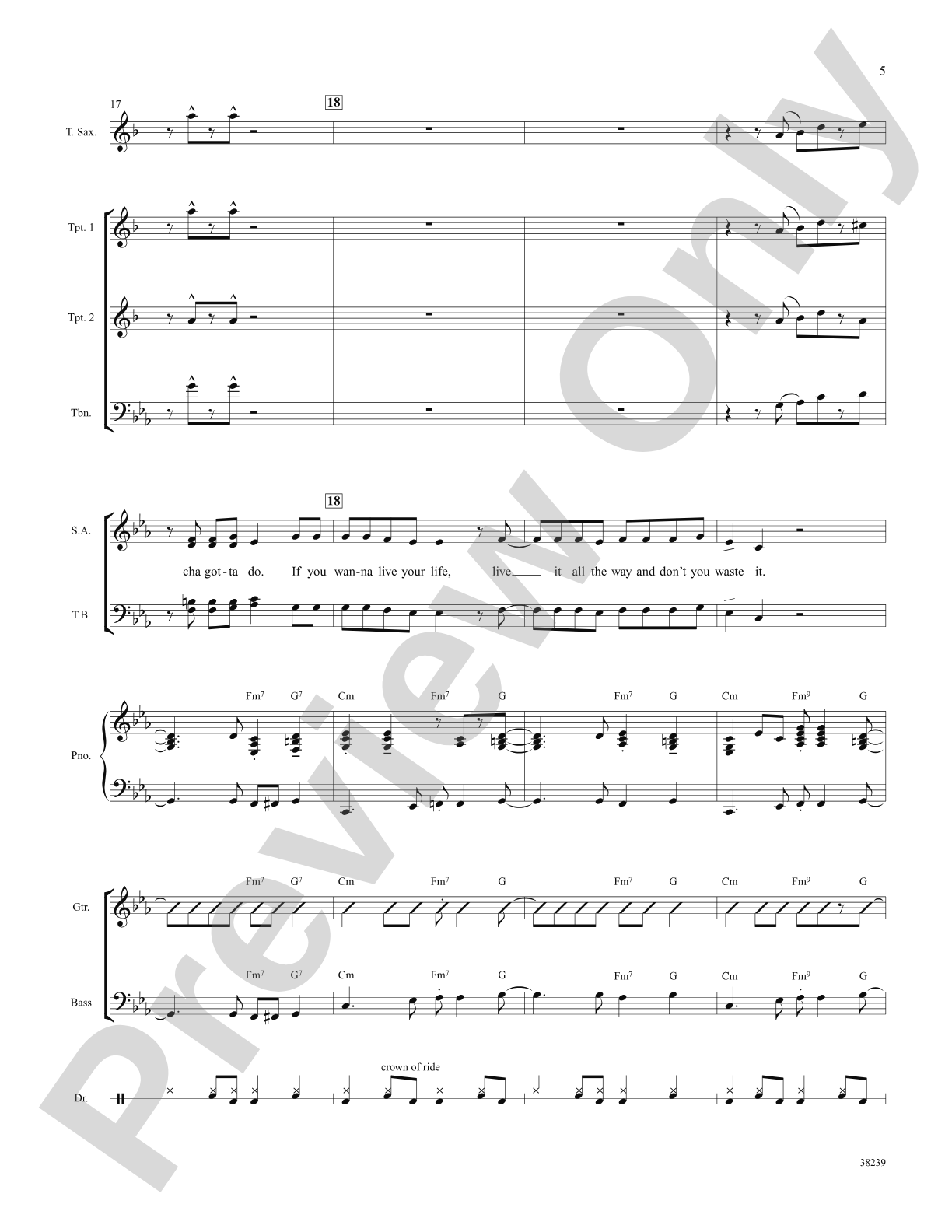
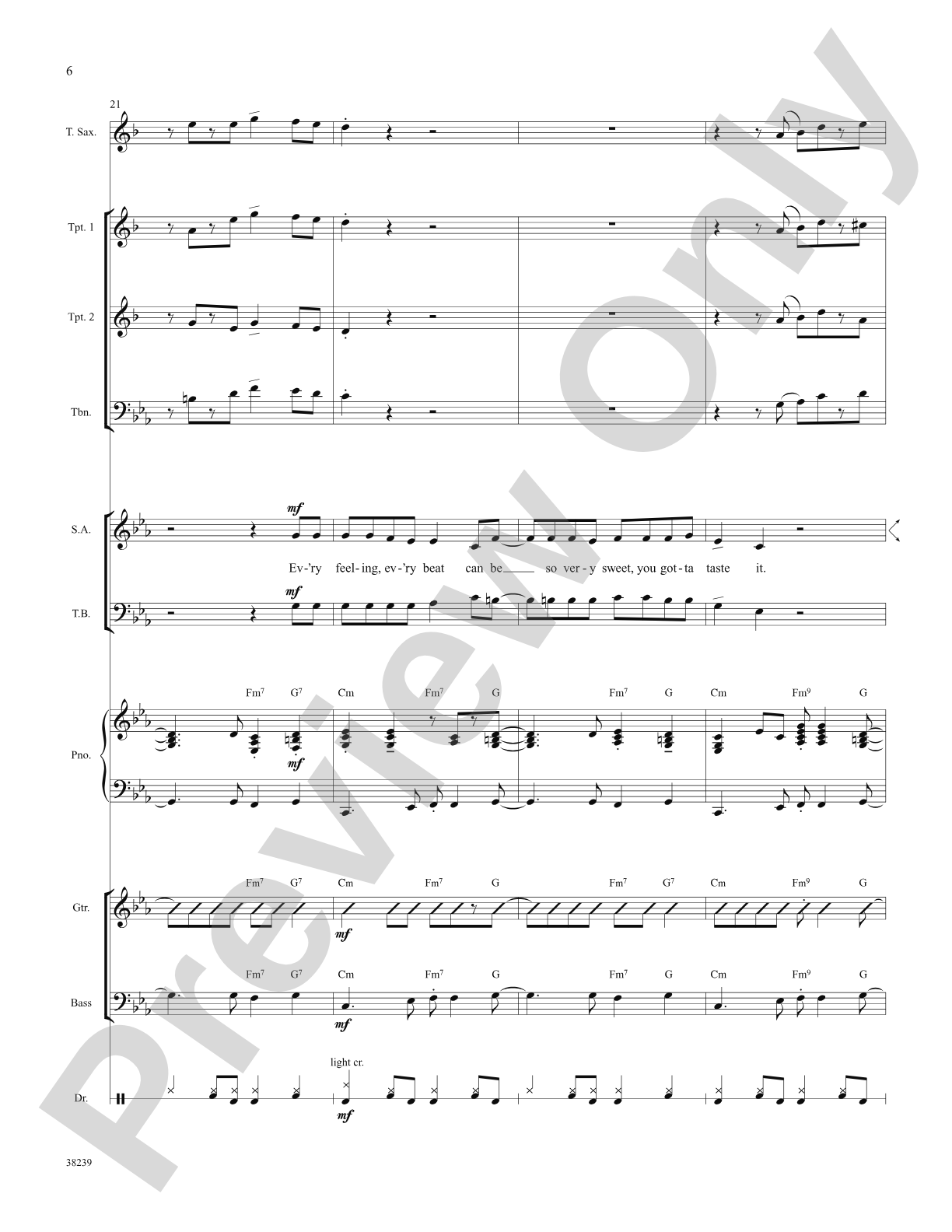
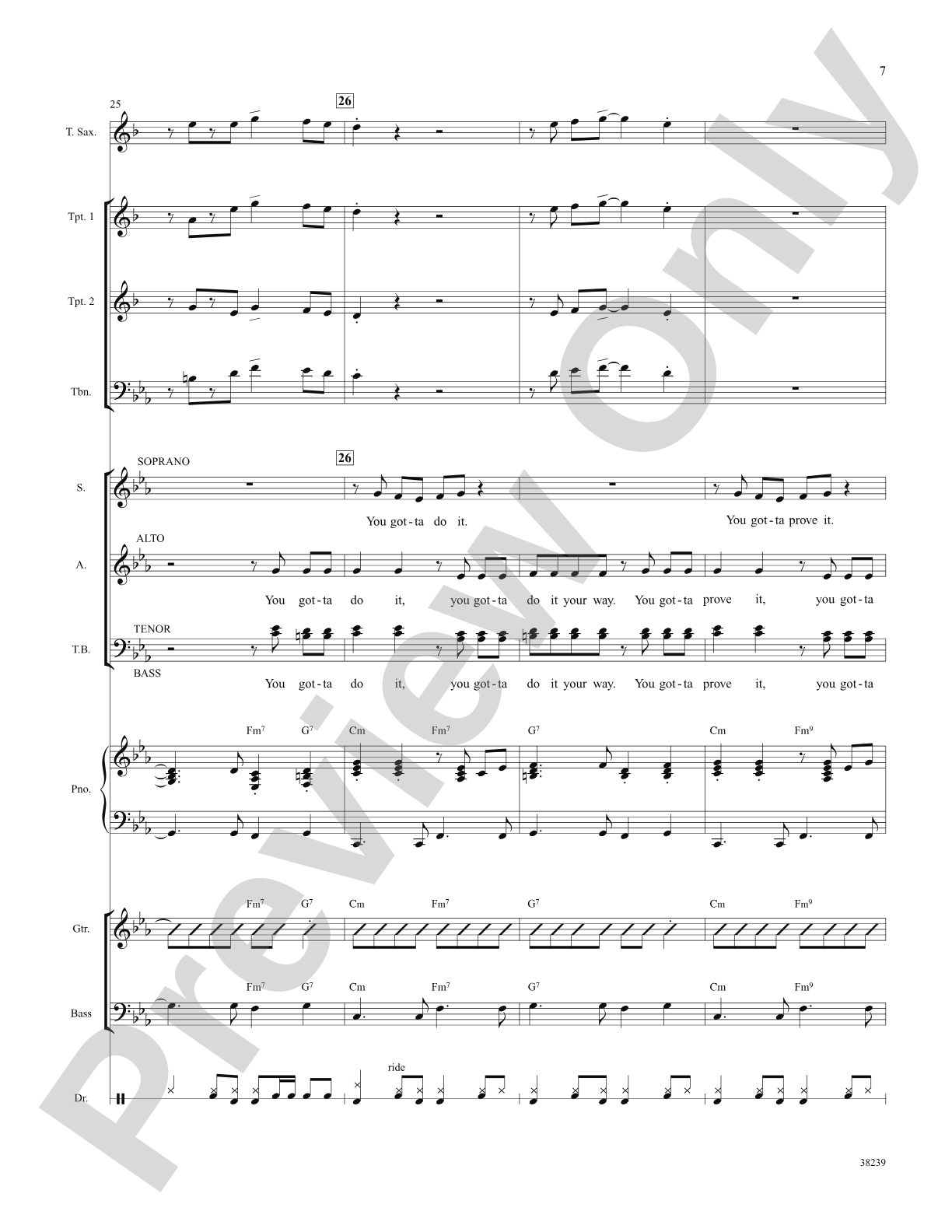
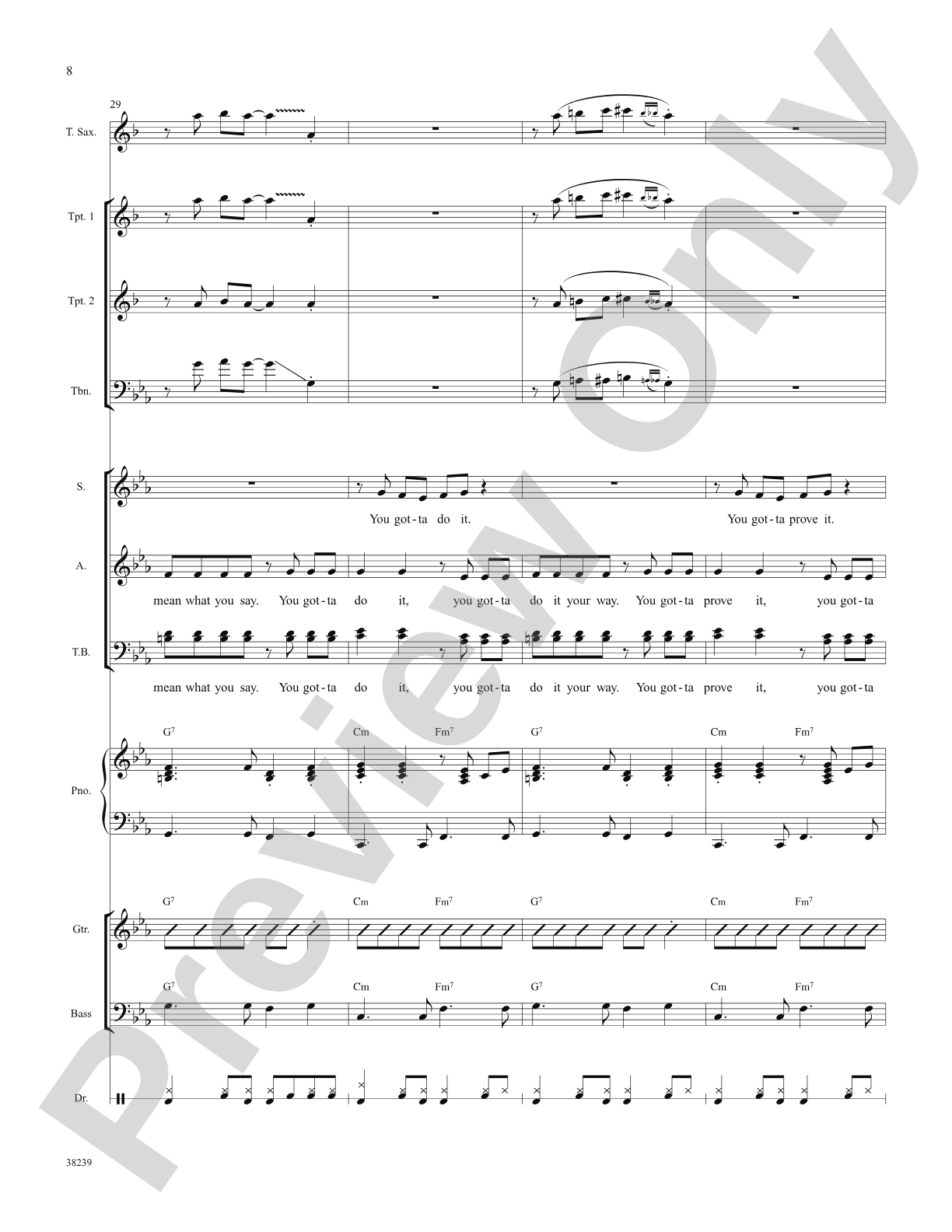
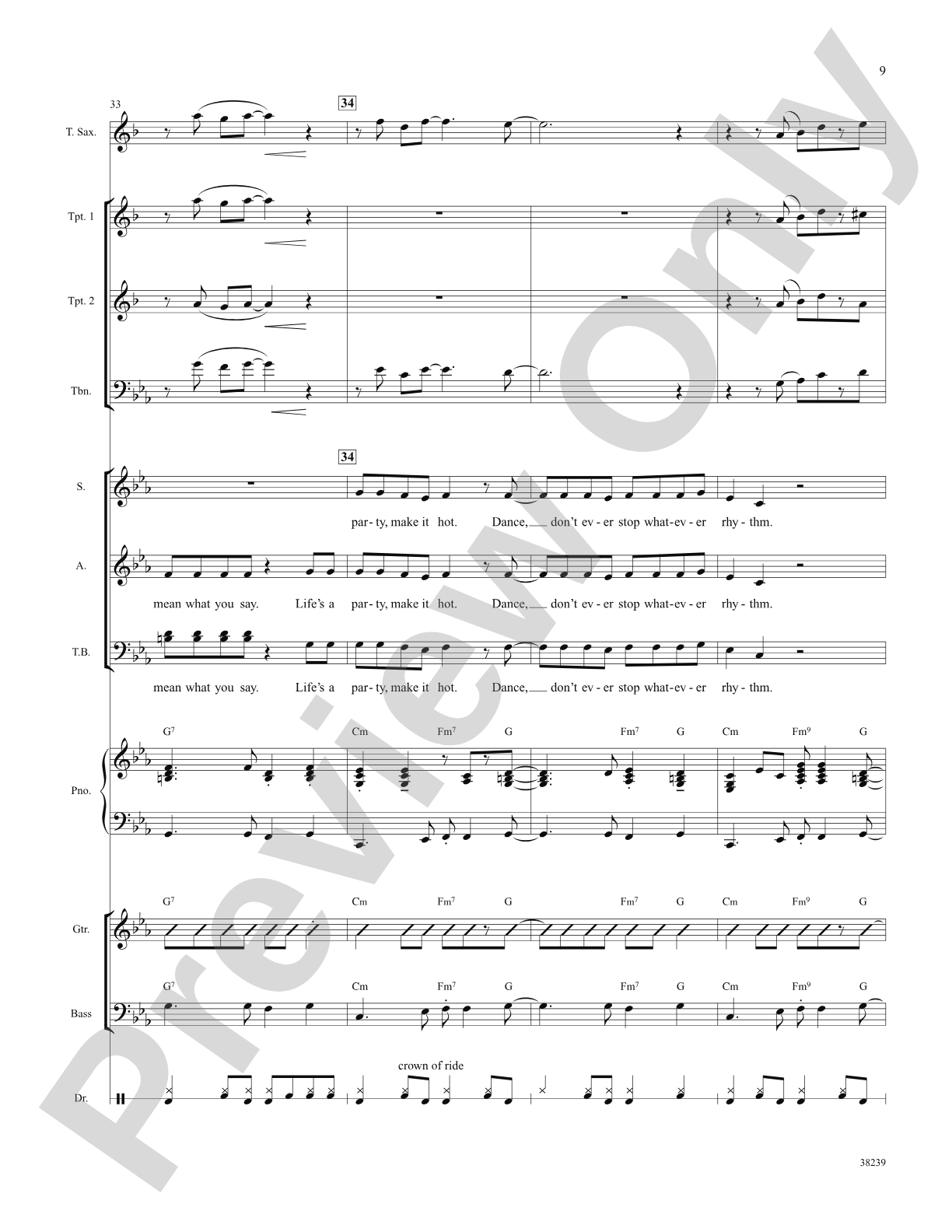
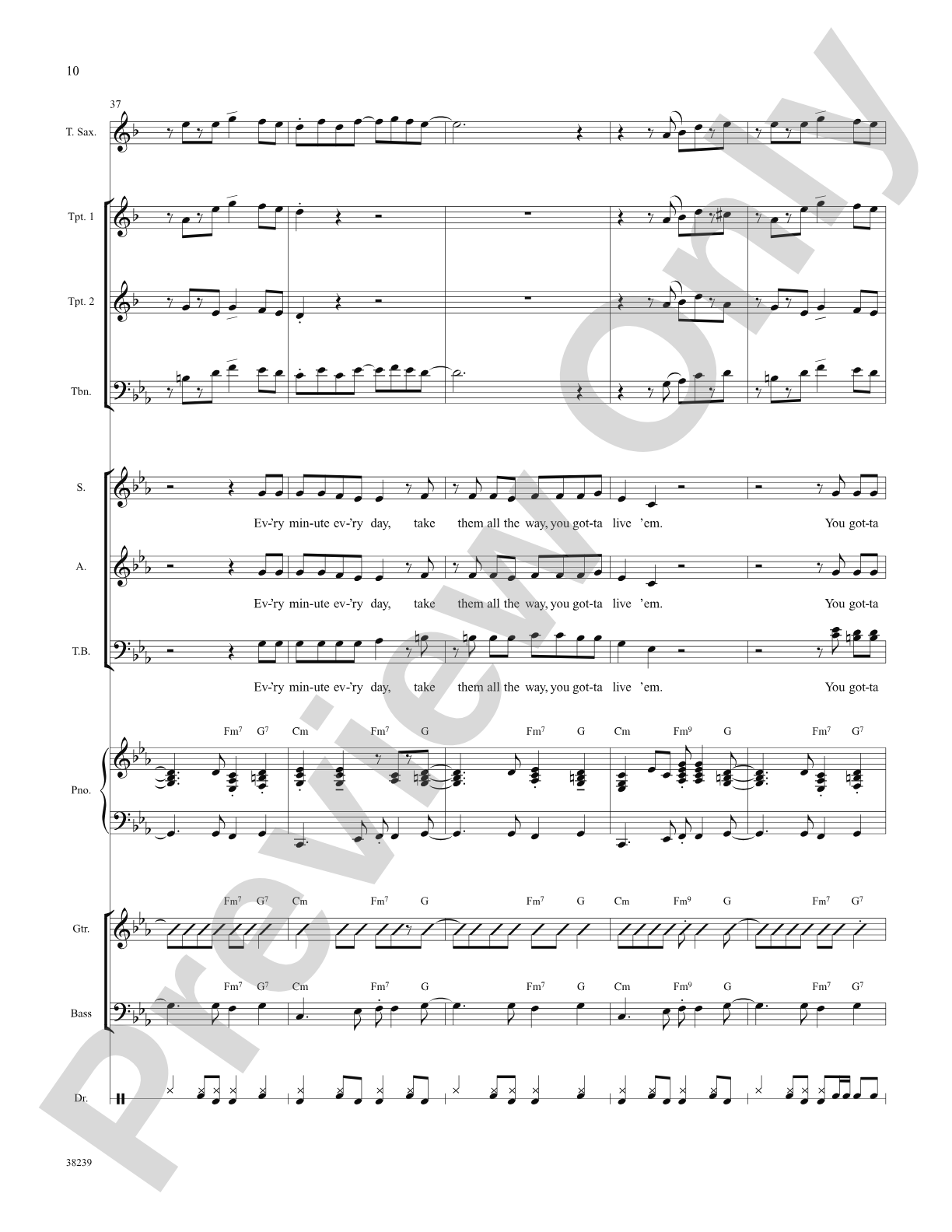
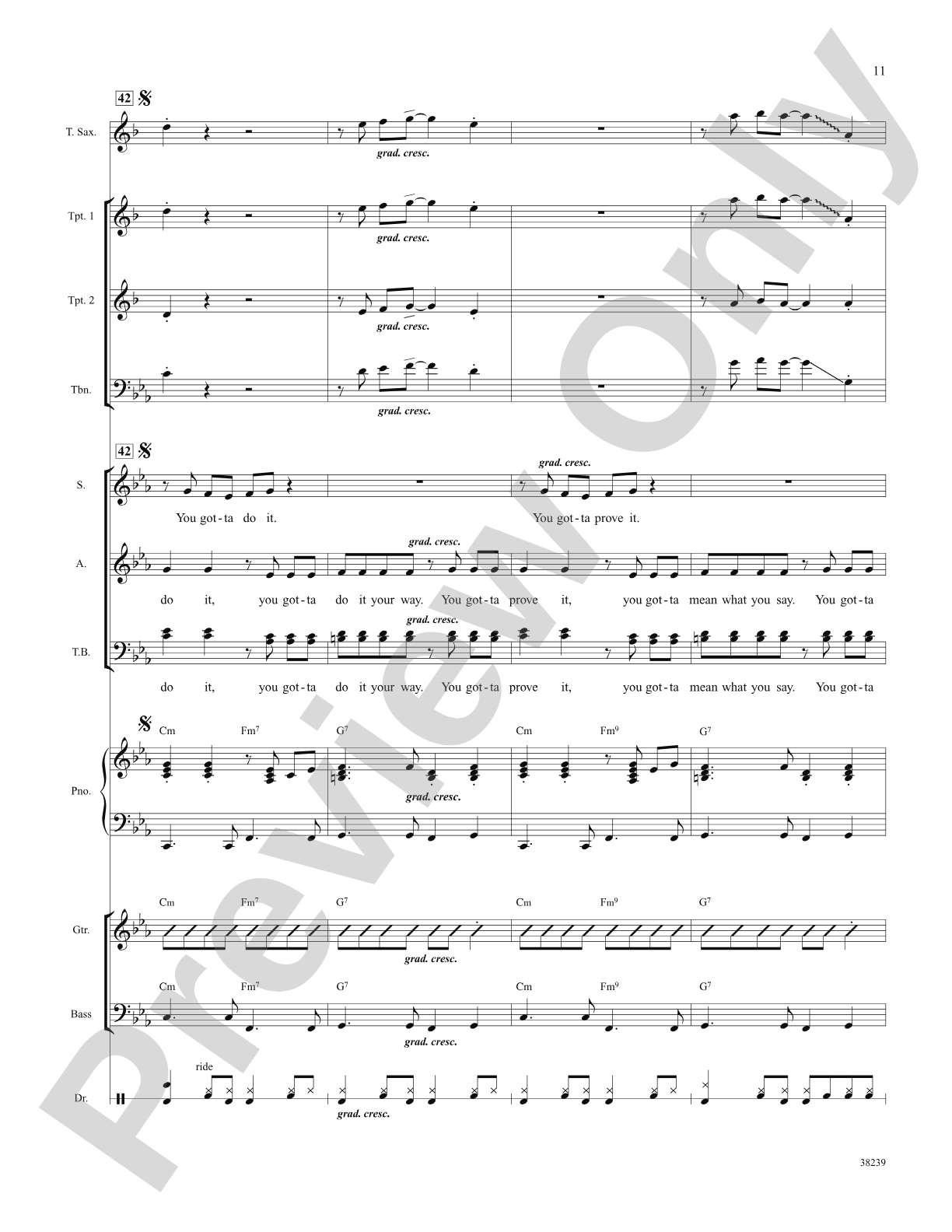
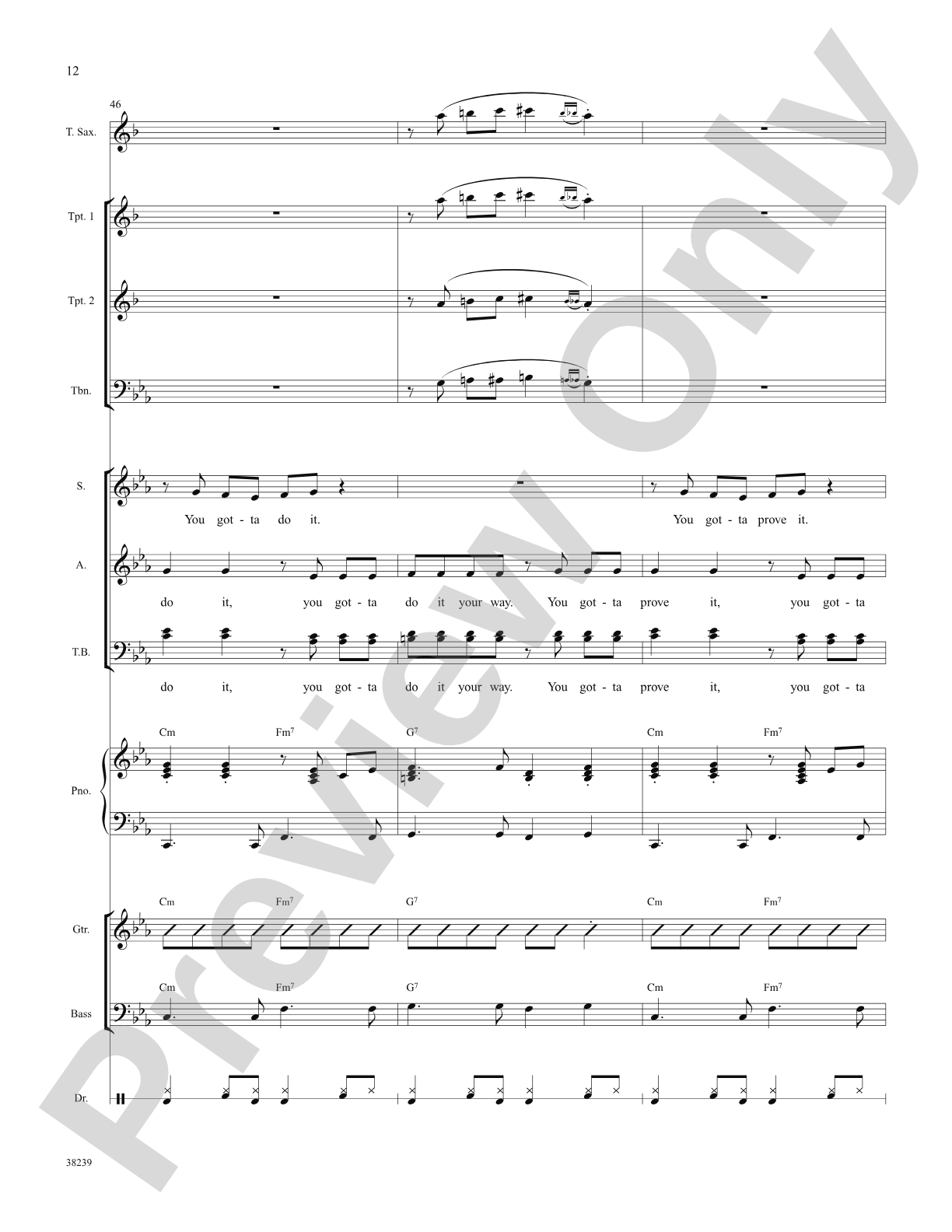
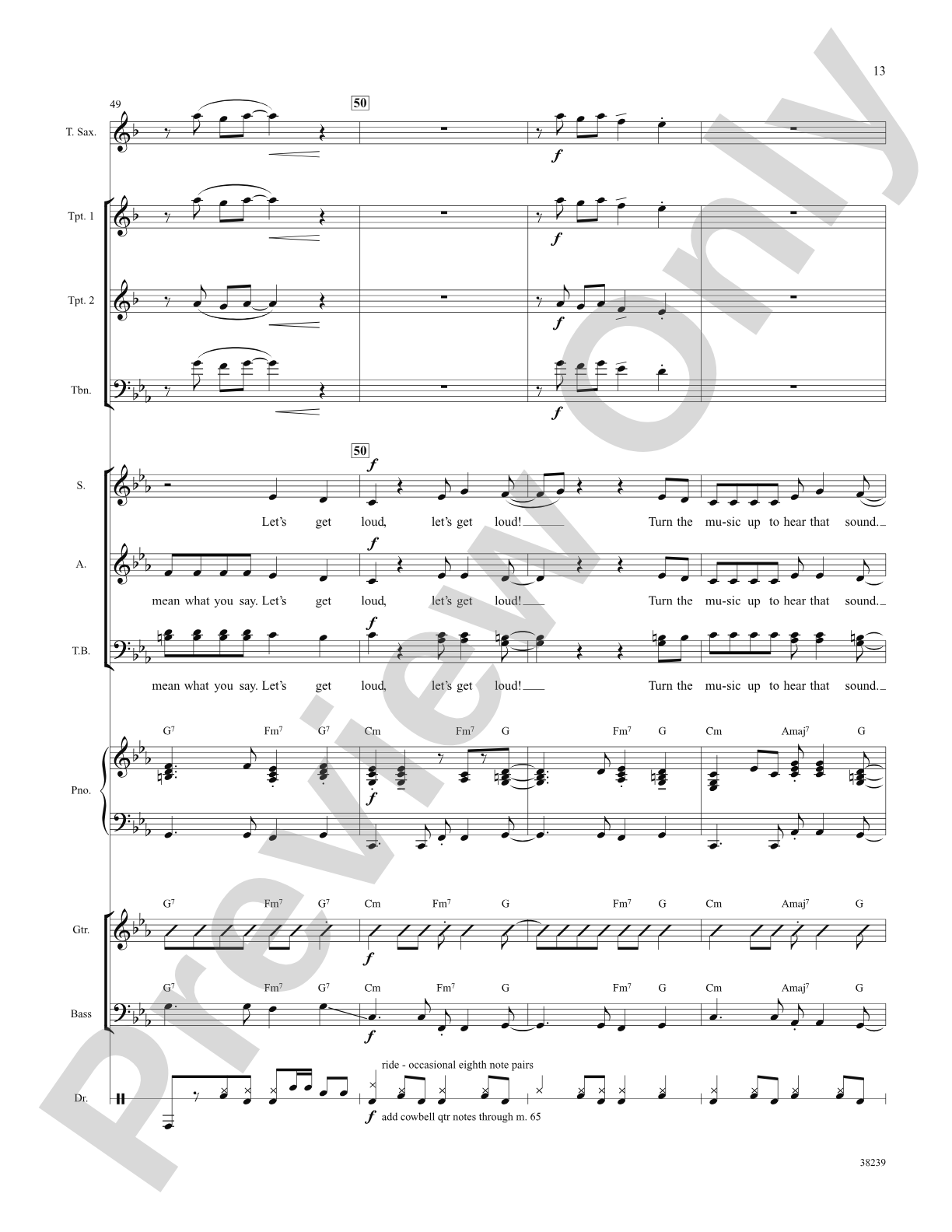
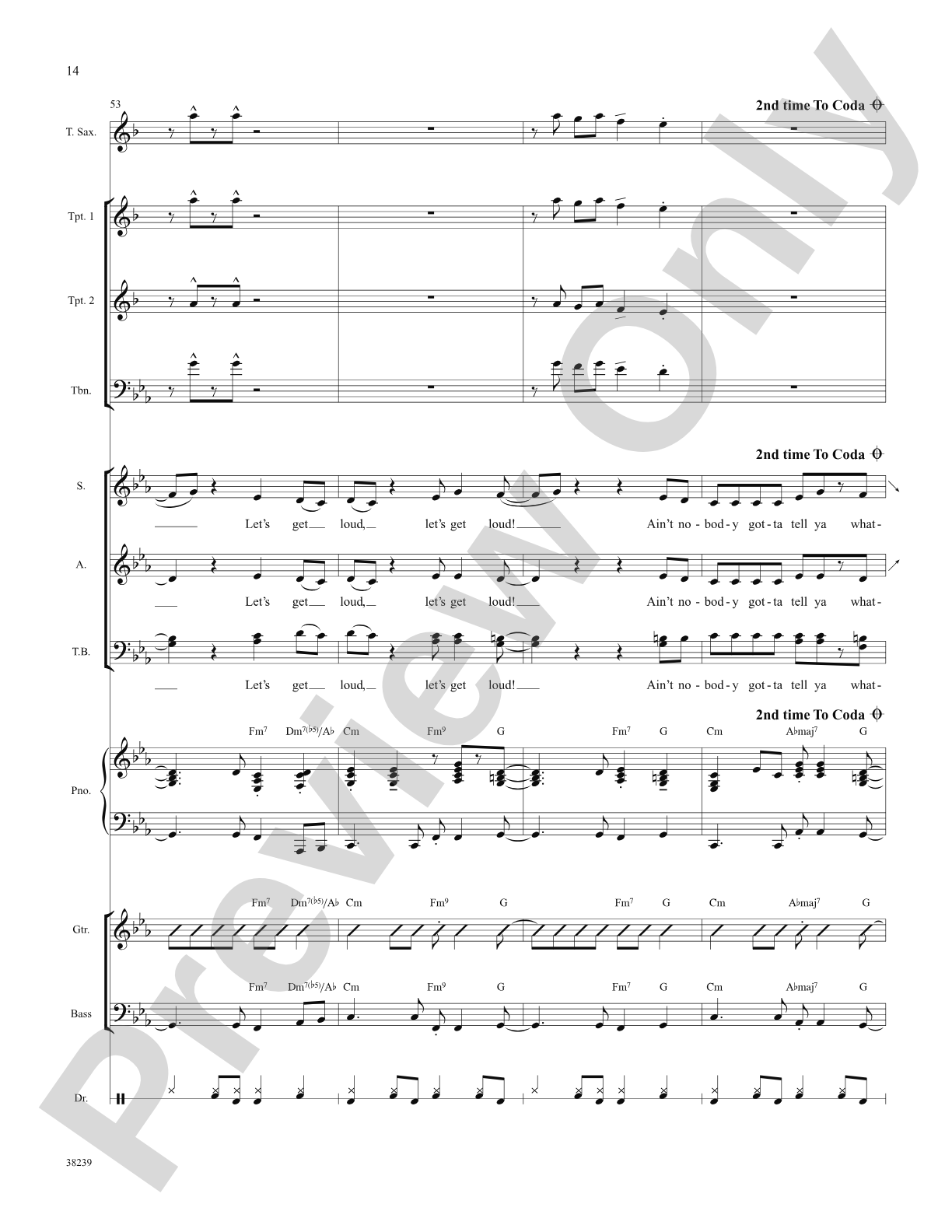
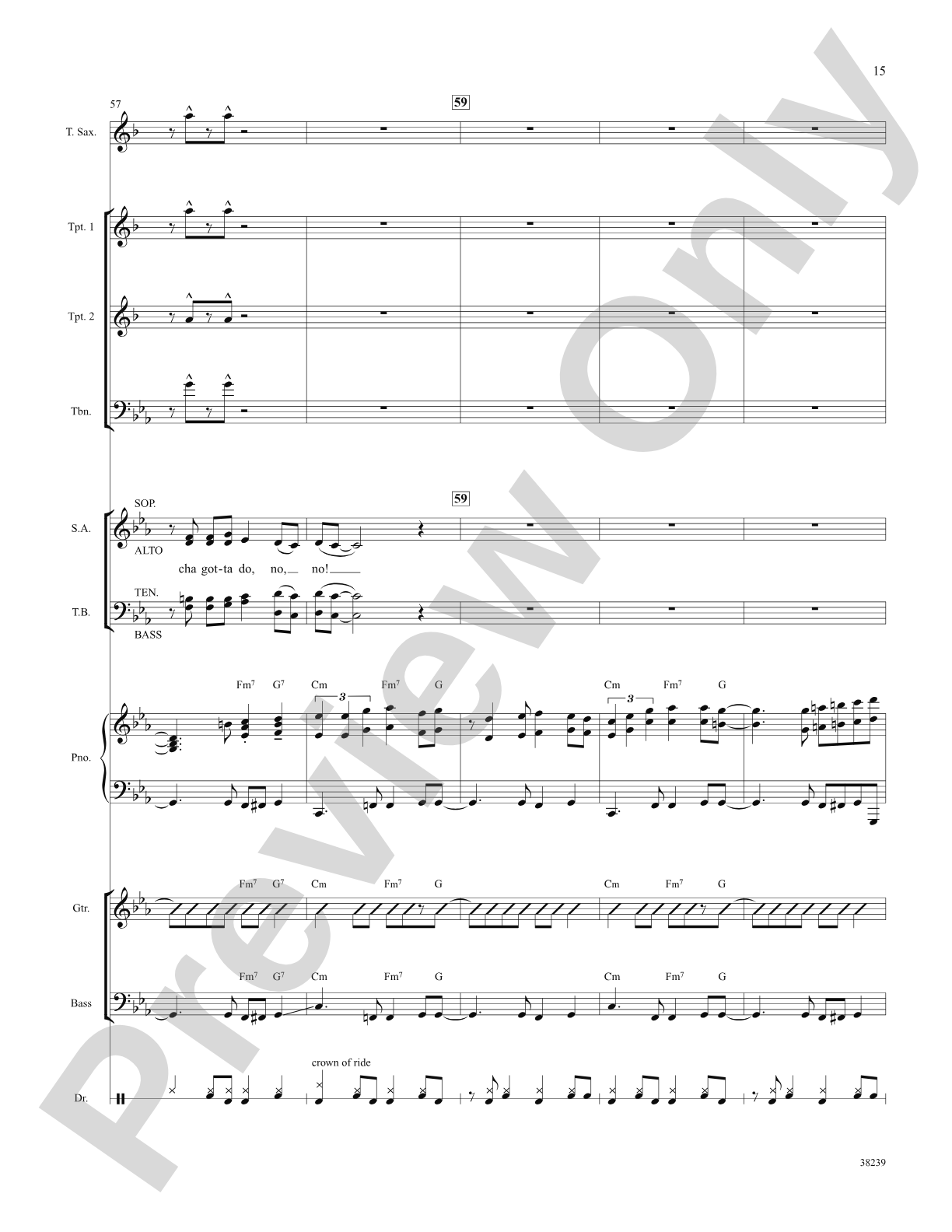
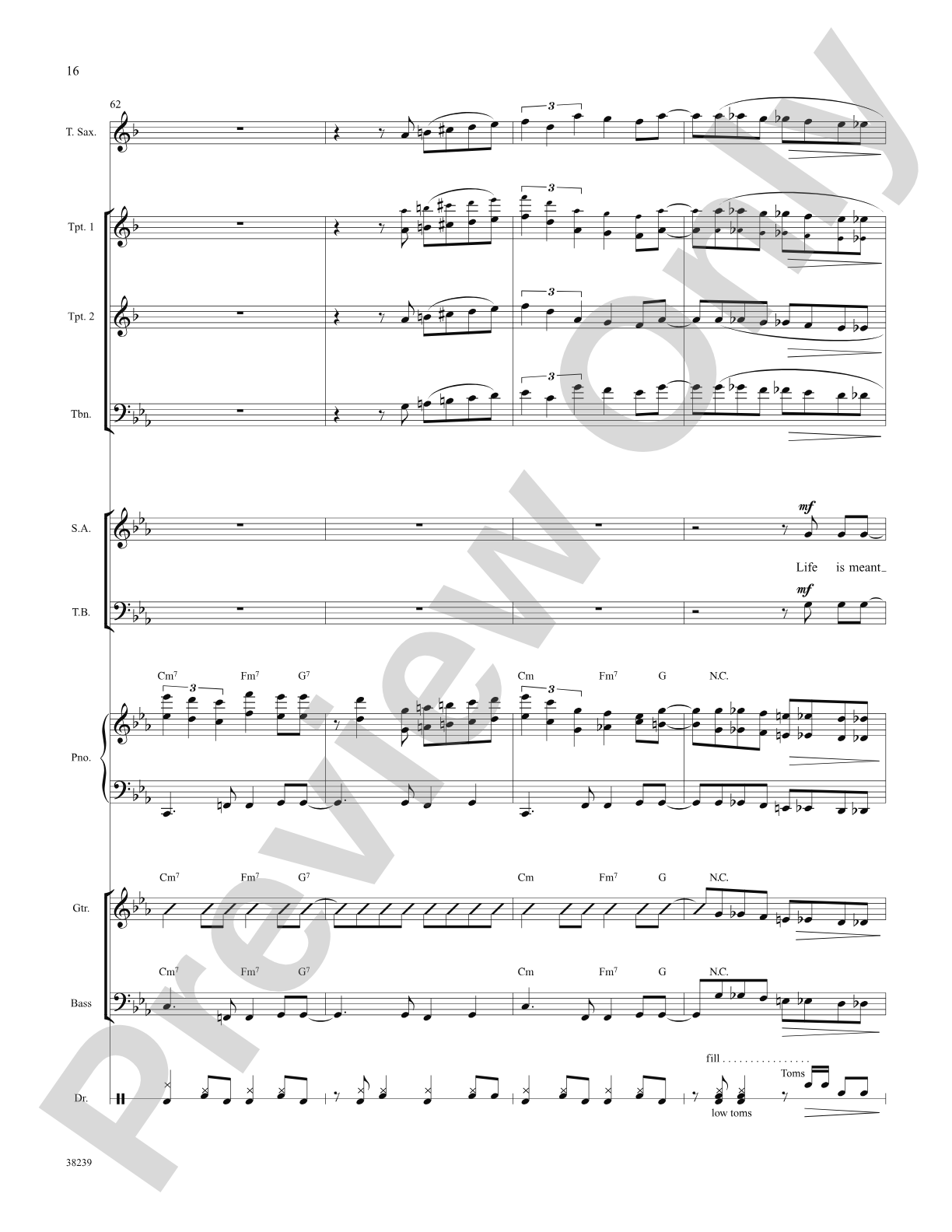
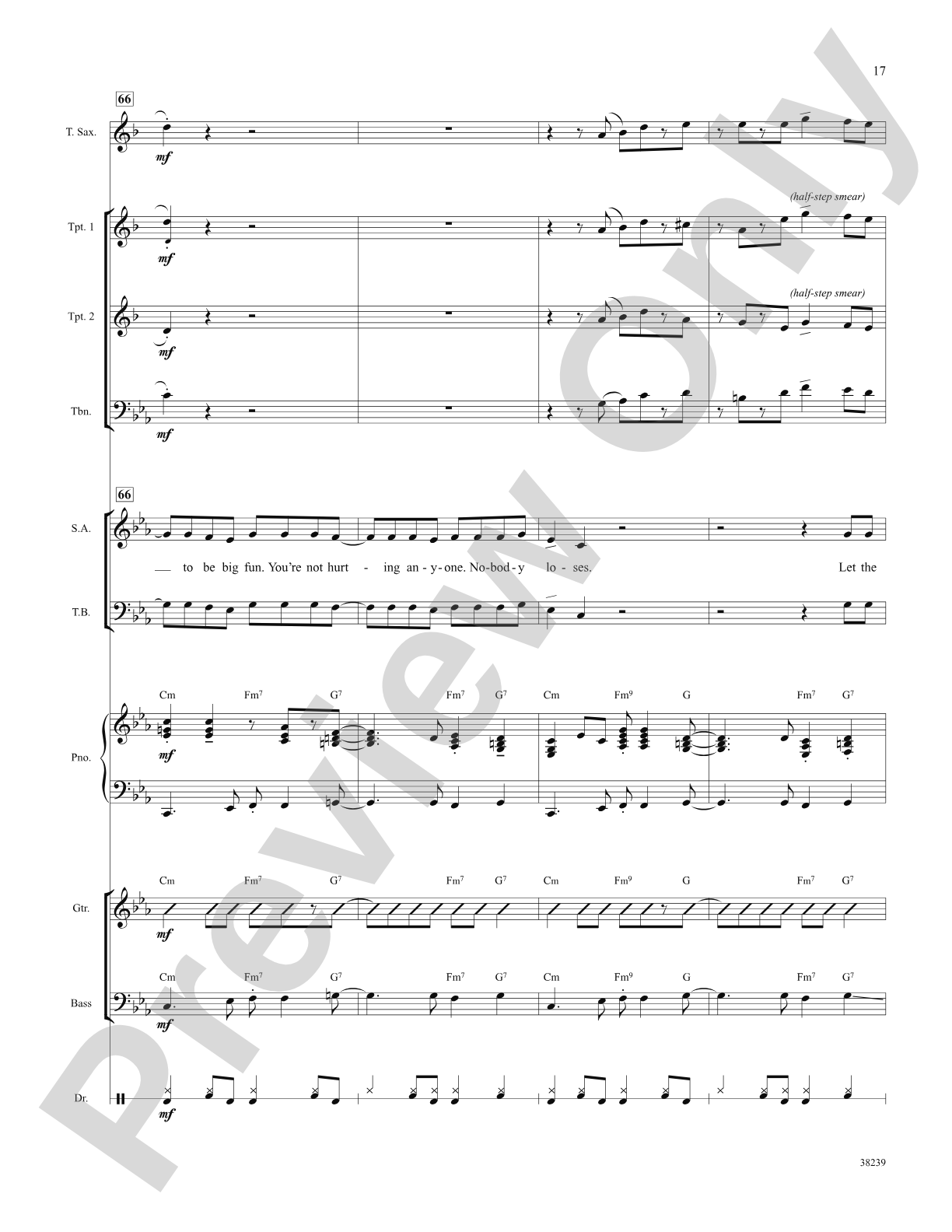
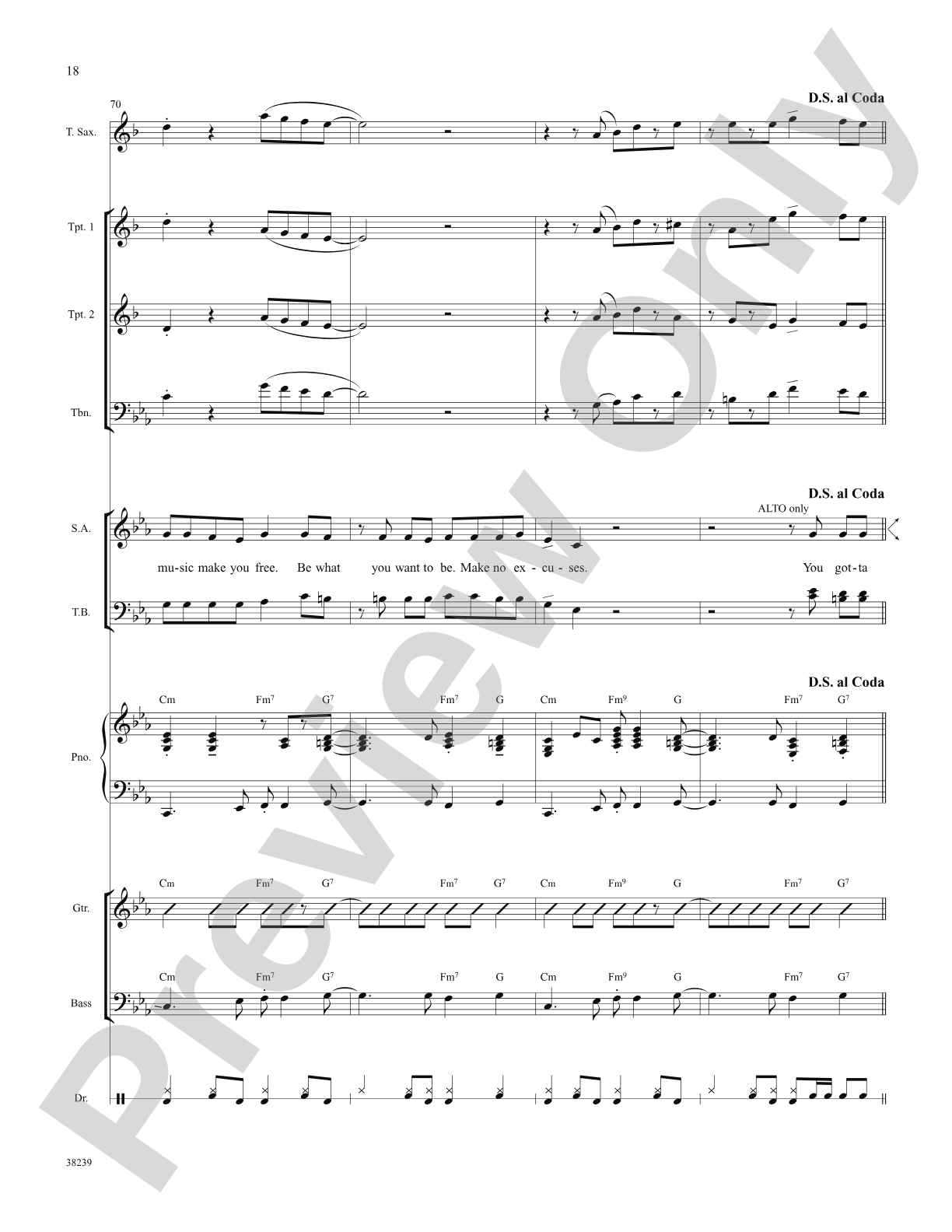
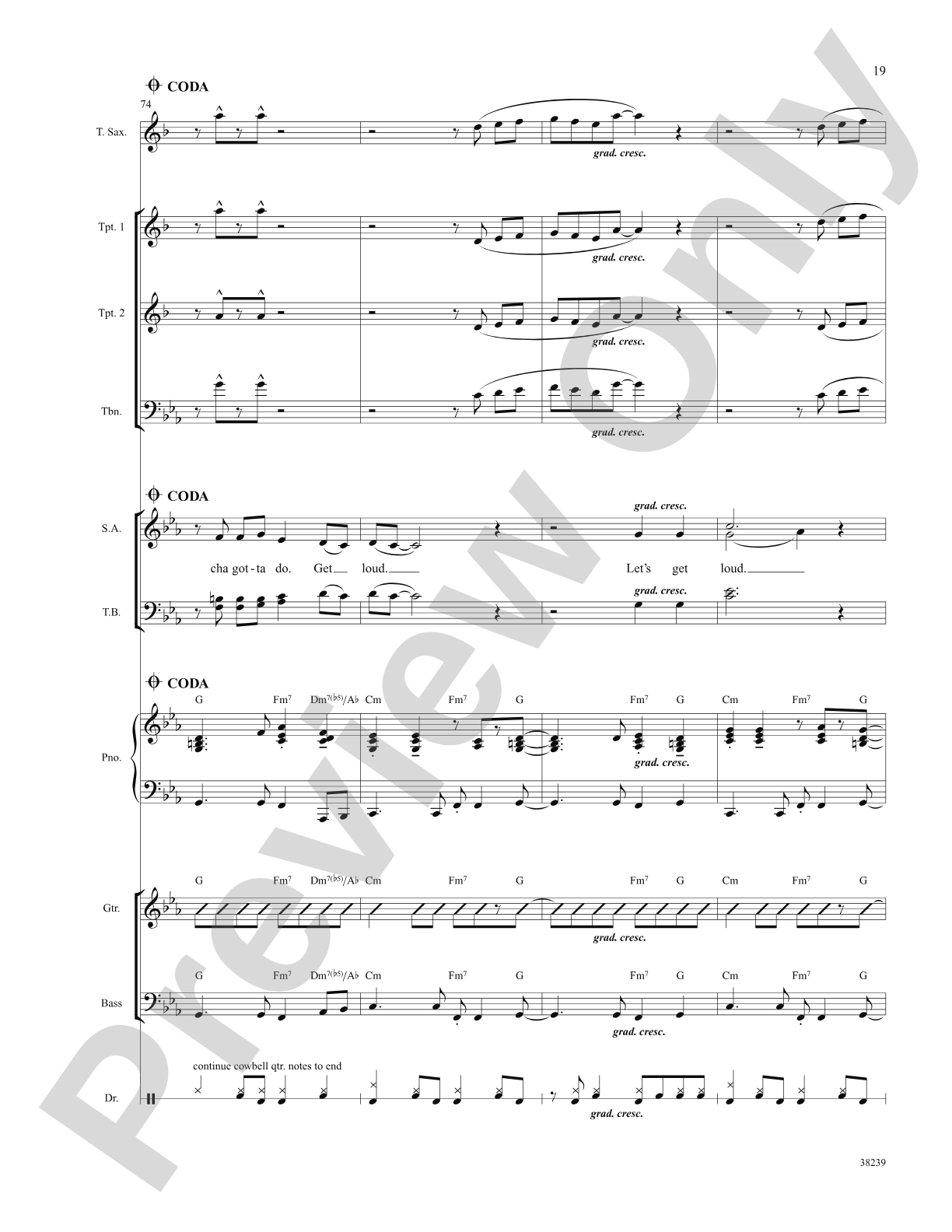
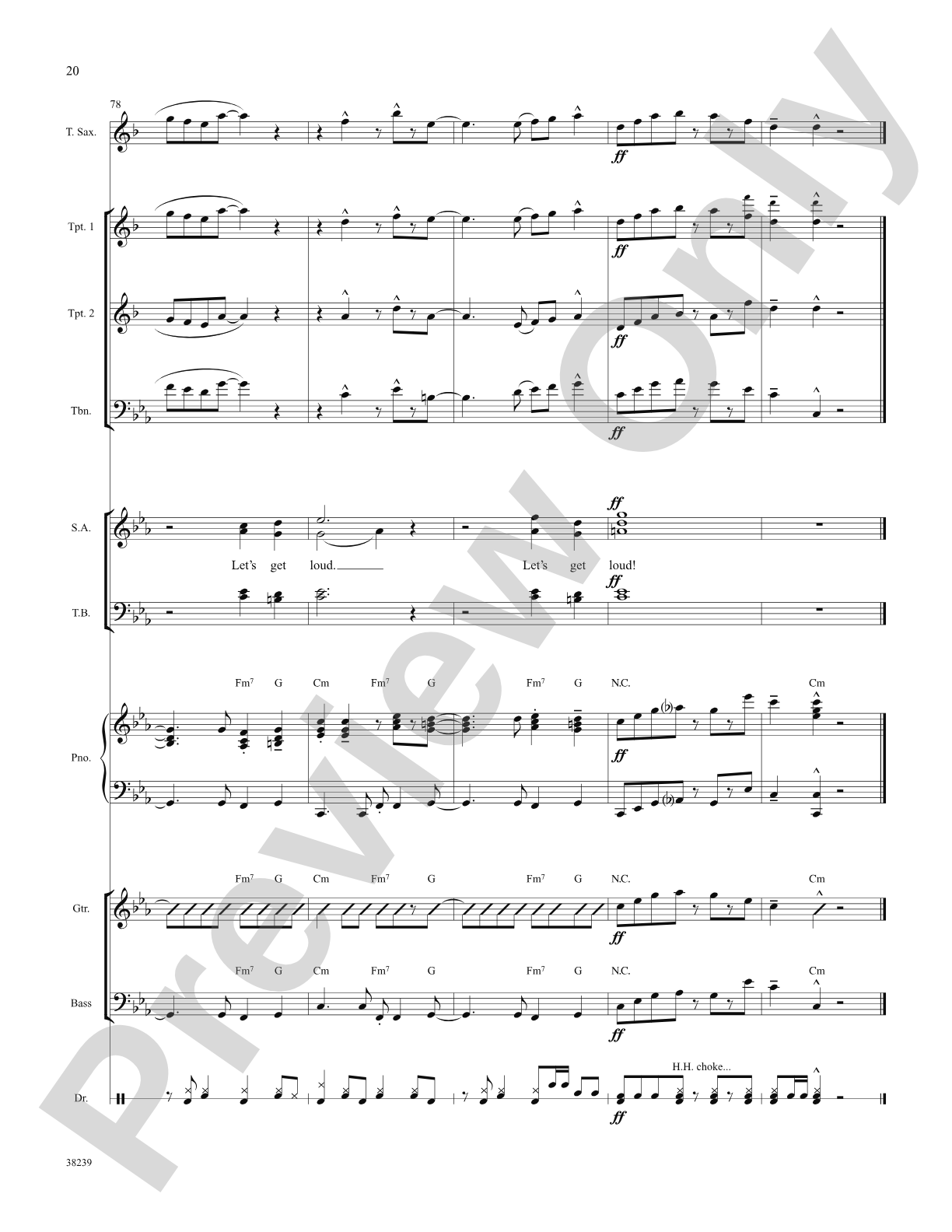

Let's Get Loud: Choral SoundPax
Words and music by Gloria Estefan and Kike Santander / arr. Kirby Shaw
Item: 00-PK-0005137

$30.00
One moment…
Related Items
Let's Get Loud: SoundTrax Digital Audio Download |
$27.99
|
View | |
Let's Get Loud: SATB Choral Octavo |
$2.10
|
View | |
Let's Get Loud: SAB Choral Octavo |
$2.10
|
View | |
Let's Get Loud: SSA Choral Octavo |
$2.10
|
View | |
Let's Get Loud: SATB Choral Octavo |
$2.10
|
View | |
Let's Get Loud: SAB Choral Octavo |
$2.10
|
View | |
Let's Get Loud: SSA Choral Octavo |
$2.10
|
View | |
Let's Get Loud: Choral Octavo SoundTrax CD |
$27.99
|
View | |
Let's Get Loud: Choral SoundPax |
$30.00
|
View |
Description
What a fabulous Latin groove! Recorded first by Gloria Estefan and more recently by Jennifer Lopez, this one's hot, hot, hot! Pump it up!


Don't just read it, hear it, play along with it, and watch your students grow with it. In MakeMusic Cloud, Let's Get Loud: Choral SoundPax comes alive with professional accompaniment, adjustable tempo, and built-in practice tools that turn solo practice into real progress.
Open in the Player
Jump straight in and assign it today.
Start Your Free Trial
Open this title and explore the full library in minutes.
Sample Audio
1
Audio File
--:--
0:00
0:00
Sample Video
No sample videos found.
Additional Details
Series:
Alfred Pop Choral Series
Publisher:
Alfred Music
Page Count:
28
SKU:
00-PK-0005137
Instrumentation:
SoundPax
More about this title
About the Composer: Gloria Estefan
Gloria Estefan stands as one of the most commercially successful Latin artists in music history, breaking cultural barriers and establishing herself as a crossover phenomenon throughout the 1980s and 1990s. Her songwriting and collaborative arrangements with producers like Kike Santander created infectious rhythms that brought Latin music into mainstream pop consciousness while maintaining authentic groove and cultural specificity.
For music educators, Estefan's catalog offers accessible entry points into Latin music traditions. Her work demonstrates how pop sensibility and rigorous rhythmic structure complement each other, making her compositions pedagogically valuable for teaching ensemble balance, rhythmic precision, and the cultural roots of contemporary music.
Why we love this
Kirby Shaw's arrangement captures the relentless energy of the original without overwhelming young singers. The SoundPax format makes rehearsal efficient while the recorded accompaniment locks your singers into an authentic Latin pocket they'll feel immediately, turning what could be a challenging groove into an accessible and genuinely fun performance.
What to expect
Unstoppable energy and infectious momentum. The Latin groove sits underneath everything, creating a propulsive foundation that makes singers want to move and audiences want to dance. This is exuberant, celebratory music that radiates joy and cultural pride.
Who it's for
Choirs at the middle school through adult community level who are ready for rhythmic independence and Latin musical vocabulary without needing simplified harmony or reduced ranges. This works equally well for groups looking to build confidence with contemporary pop repertoire and those seeking authentic Latin grooves that sit comfortably in the ensemble.
How to get the most out of it
- Lock the opening rhythmic figures with the recorded accompaniment from day one. The clave pattern beneath the melody is the heartbeat of this piece; once your singers internalize it, the whole arrangement lifts.
- Keep the Latin percussion elements crisp and separated from the vocal parts. If you have access to the optional instrumental parts, use them to reinforce the groove texture rather than let everything blur into one wash.
- Emphasize the call-and-response sections with clean articulation and dynamic contrast. The energy lives in the interplay between sections, not in a constant volume.
- Shape the phrasing around the natural accents of the Spanish language syllables. This piece works best when it breathes with the language, not against it.
How to use it
Reserve this for a spring concert where you want a high-energy closer or a mid-set pick-me-up that reshapes the room's energy. It pairs well in a Latin or world music themed program, or as a standalone contemporary piece that appeals to audiences beyond traditional concert music attendees.
Skills your students will build
- Singing across changing metric subdivisions within a consistent Latin groove
- Maintaining rhythmic independence while other sections carry contrasting rhythmic figures
- Balancing vowel clarity with the rhythmic precision that Latin music demands
- Understanding clave and its role as the organizational principle of the arrangement
- Responding to recorded accompaniments with precision ensemble timing