Let Me Fly Cover Image

Let Me Fly: SSAA and Solo, <I>a cappella</I> Choral Octavo

$2.25 USD
Sale price  $2.25 USD Regular price 
Skip to product information
Let Me Fly Cover Image

Let Me Fly: SSAA and Solo, a cappella Choral Octavo

Spiritual / arr. and adapted Robert DeCormier

Level: Moderately Difficult

Item: 00-LG53070

makemusic Cloud badge

Need it now?

Buy Digital Version
$2.25
Shipped

One moment…

Description
"O let me fly to Mount Zion, Lord!" This bright, uplifting spiritual has become a standard in the choral repertoire for decades, and is a perennial favorite for festival performances.

Don't just read it, hear it, play along with it, and watch your students grow with it. In MakeMusic Cloud, Let Me Fly: SSAA and Solo, a cappella Choral Octavo comes alive with professional accompaniment, adjustable tempo, and built-in practice tools that turn solo practice into real progress.

Sample Pages

Sample Audio
0:00
0:00
Sample Video
Additional Details
Series: Alfred Archive Edition: Lawson-Gould Music Publishers
Publisher: Alfred Music
Page Count: 12
UPC: 654979096177
SKU: 00-LG53070

More about this title

About the Arranger: Robert DeCormier
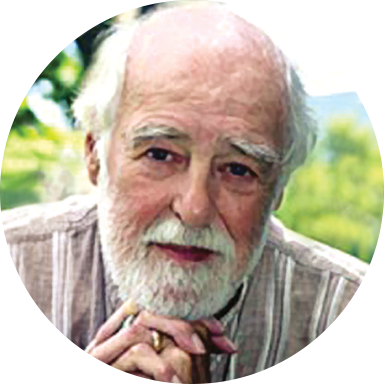
Robert DeCormier

Robert DeCormier earned his degree from the Juilliard School and built a career spanning classical conducting, Broadway, folk music, and spirituals. He served as music director of the New York Choral Society for seventeen years, worked as conductor and arranger for Harry Belafonte, and held the position of music director for Peter, Paul and Mary from 1978 to 2010. His academic work included teaching conducting and ensembles at the Eastman School of Music from 1972 to 1977.

Beyond his conducting roles, DeCormier founded the professional vocal ensemble Counterpoint in 2000, which performed extensively throughout New England and beyond, offering workshops and concerts with high school choirs. He composed and arranged prolifically across genres, from African-American spirituals to American and international folk songs, with recordings released on numerous labels including Albany, Arabesque, and Centaur. His contributions to the arts earned him the Vermont Governor's Award for Excellence in the Arts in 2002 and a Lifetime Achievement Award from the New England Choral Arts Foundation in 2006.

Why we love this

DeCormier's arrangement captures the spiritual's inherent joy while creating a sophisticated texture that works for both festival and concert settings. The SSAA voicing with solo line gives flexibility for different choir sizes and strengths, and the a cappella format means you can perform it anywhere without accompaniment logistics. Directors return to this piece year after year because it never fails to connect with audiences.

What to expect

Bright and buoyant, with a sense of spiritual aspiration that feels both accessible and artistically substantial. The a cappella texture gives the piece an intimate warmth, while the soaring solo line and four-part harmony create a feeling of lift and transcendence that connects directly to the text's message of hope.

Who it's for

This arrangement suits choirs at the moderately difficult level who want a rewarding spiritual that works equally well in concert and competitive settings. It's ideal for groups with a confident soloist and solid ensemble balance, whether you're a high school choir, community chorus, or college-level ensemble.

How to get the most out of it

  • Balance the solo voice so it soars above the harmonic foundation without forcing; the SSAA blend should support rather than overwhelm the individual line.
  • Shape the phrase "O let me fly to Mount Zion" with upward vocal energy and clear diction to capture the spiritual's sense of longing and transcendence.
  • Rehearse the inner voices (second soprano and alto parts) with particular attention, as they carry crucial harmonic detail that defines DeCormier's arrangement.
  • Lock in rhythmic precision across all four parts; the brightness of this piece depends on ensemble unity and clean attacks.

How to use it

Program this as a concert centerpiece or festival selection where its uplifting character provides emotional contrast to heavier repertoire. It also works beautifully as a closing piece on a spirituals-focused concert or as part of a mixed sacred program.

Skills your students will build

  • Blending upper voices (soprano I and II) while maintaining distinct line clarity
  • Supporting a solo line within a cappella texture
  • Executing clean attacks and releases as an ensemble
  • Shaping long phrases with sustained intensity in a sacred context
  • Interpreting spiritual music with historical authenticity and emotional depth

You May Also Like
