La Fiesta de Cuerdas Cover Image

La Fiesta de Cuerdas: String Orchestra Conductor Score

$10.00 USD
Sale price  $10.00 USD Regular price 
Skip to product information
La Fiesta de Cuerdas Cover Image

La Fiesta de Cuerdas: String Orchestra Conductor Score

(The Festival of Strings)

Traditional and John Nieto / arr. Bob Phillips and John Nieto

Grade: 2.5

Item: 00-47436S

$10.00
Shipped

One moment…

Description
Two traditional mariachi tunes, "Alá en el Rancho Grande" and "La Adelita," along with a new original, "Polka de San Antonio" by John Nieto, form a fabulous medley for any happy occasion---any fiesta. As the title (translated "The Festival of Strings") indicates, make it a party! In 2/4 and first position with some chromatic alterations, this piece is accessible and fun to play. The rhythmic pulse continues throughout this exciting piece.
For additional exploration of mariachi repertoire for the string orchestra or small ensembles, see Mariachi Philharmonic by Bob Phillips and John Nieto at alfred.com.

La Fiesta de Cuerdas: String Orchestra Conductor Score isn't in MakeMusic Cloud just yet...but it could be. Let us know you'd like to see it, and you'll help shape what comes next. In the meantime, start a free trial and dive into thousands of interactive titles your students can play along with today.

Sample Pages

Sample Audio
0:00
0:00
Sample Video
Additional Details
Series: Belwin Intermediate String Orchestra
Publisher: Alfred Music
Page Count: 24
UPC: 038081542010
SKU: 00-47436S

More about this title

About the Composer: John Nieto
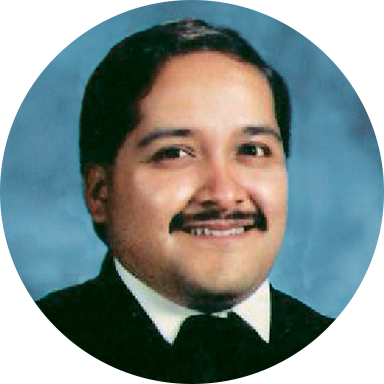
John Nieto

John Nieto directs mariachi at Brackenridge High School in San Antonio and leads instruction for the San Antonio ISD All District Mariachi ensemble. Beyond his classroom work, he serves as instructor, arranger, transcriber, and copyist at both the Albuquerque and Tucson mariachi conferences, bringing deep pedagogical expertise to the field.

Nieto performs professionally with ensembles throughout San Antonio and has shared stages with some of the world's most respected mariachi groups, including Mariachi Vargas de Tecalitlan and Mariachi Sol De Mexico. His high school mariachi groups have placed at the Ford, Lincoln-Mercury Mariachi Extravaganza and the Albuquerque Mariachi Spectacular at the university level. His students have served as cultural ambassadors for San Antonio internationally. His own journey into mariachi began at Our Lady of Guadalupe church nearly three decades ago, a path that has made him a vital voice in keeping this tradition alive for new generations.

Why we love this

Nieto and Phillips have crafted a medley that sounds effortless but packs real teaching value into every measure. The traditional melodies anchor students in authentic mariachi culture while the original "Polka de San Antonio" gives them new material to master, and the first-position writing with manageable chromatic movement keeps the focus on rhythmic precision and ensemble cohesion rather than technical struggle.

What to expect

The energy of a street celebration combined with the craftsmanship of arranged ensemble music. The piece radiates joy and motion throughout; there's a genuine party atmosphere that draws audiences in while the clear orchestration and straightforward harmonic language keep student musicians grounded and confident.

Who it's for

String orchestra programs at the Grade 2.5 level who want authentic mariachi exposure without compromising technical accessibility. This works equally well for groups building a concert repertoire and those preparing for festival or contest settings where culturally rooted programming makes an impact.

How to get the most out of it

  • Maintain rhythmic clarity in the 2/4 pulse even as the traditional melodies weave through the texture; a steady conductor beat prevents the piece from sagging or dragging between sections.
  • Shape the dynamic contours across the three tunes rather than playing each at the same volume; the transition between "Alá en el Rancho Grande" and "La Adelita" should feel like a momentum shift.
  • Highlight the chromatic alterations as moments of color, not stumbles; these add spice to folk melodies that students may already know, so bring them forward without losing the lilt.

How to use it

Program this as a centerpiece for a multicultural or spring concert program where it can anchor a thematic set or stand alone as a crowd-pleasing finale. It also serves well in festival or contest settings where authentic folk traditions are valued and accessible scoring is important, allowing your orchestra to shine without overextending the ensemble technically.

Skills your students will build

  • Reading and maintaining 2/4 time signatures with rhythmic precision
  • Playing chromatic alterations in first position with intonation control
  • Balancing melodic and harmonic roles within a traditional ensemble texture
  • Responding to dynamic and tempo cues that shape three distinct melodies

You May Also Like