


Kodály Approach
By Katinka S. Daniel
Item: 00-PB-0001885
$6.99
Pickup currently not available
Description
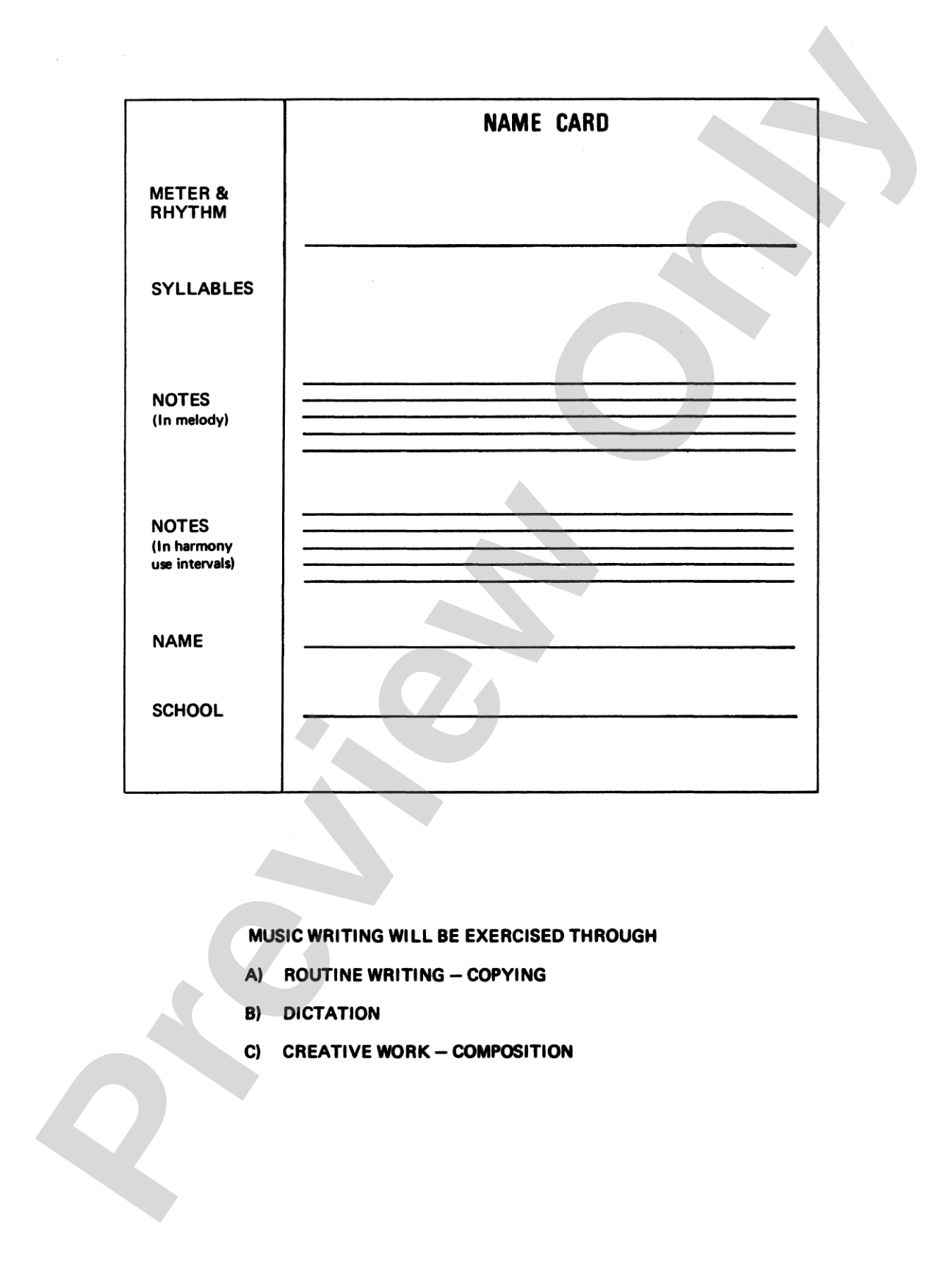
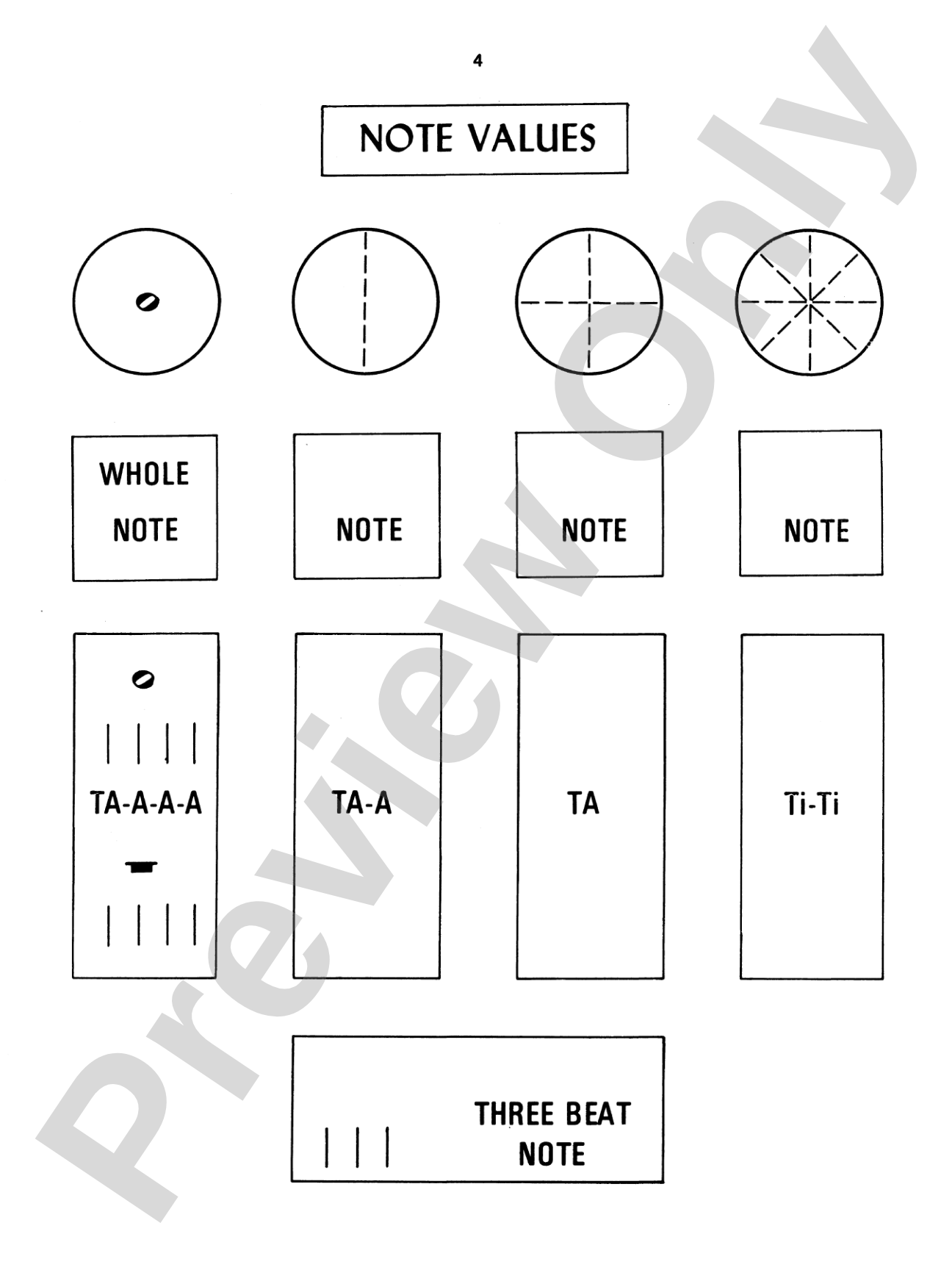
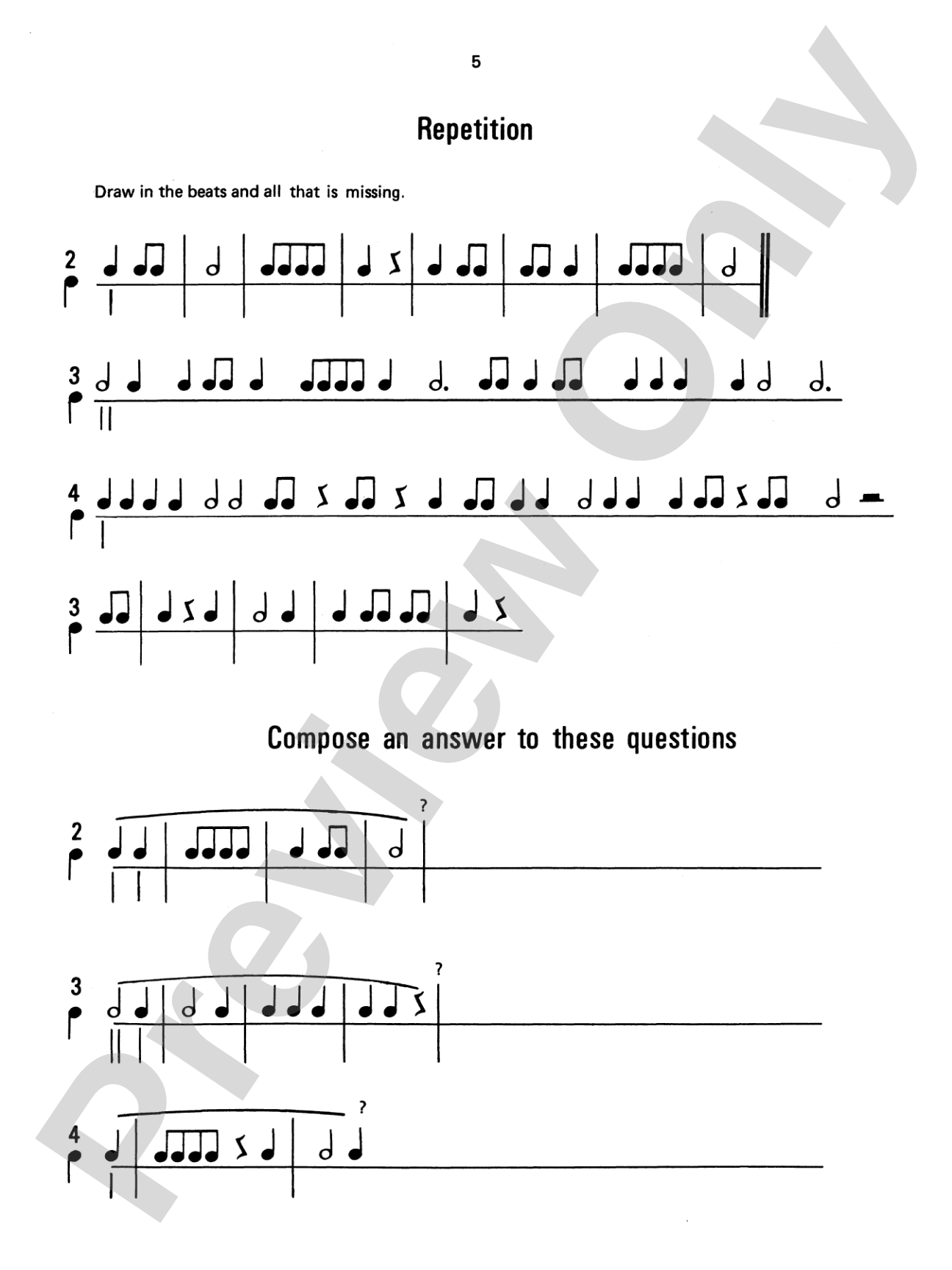
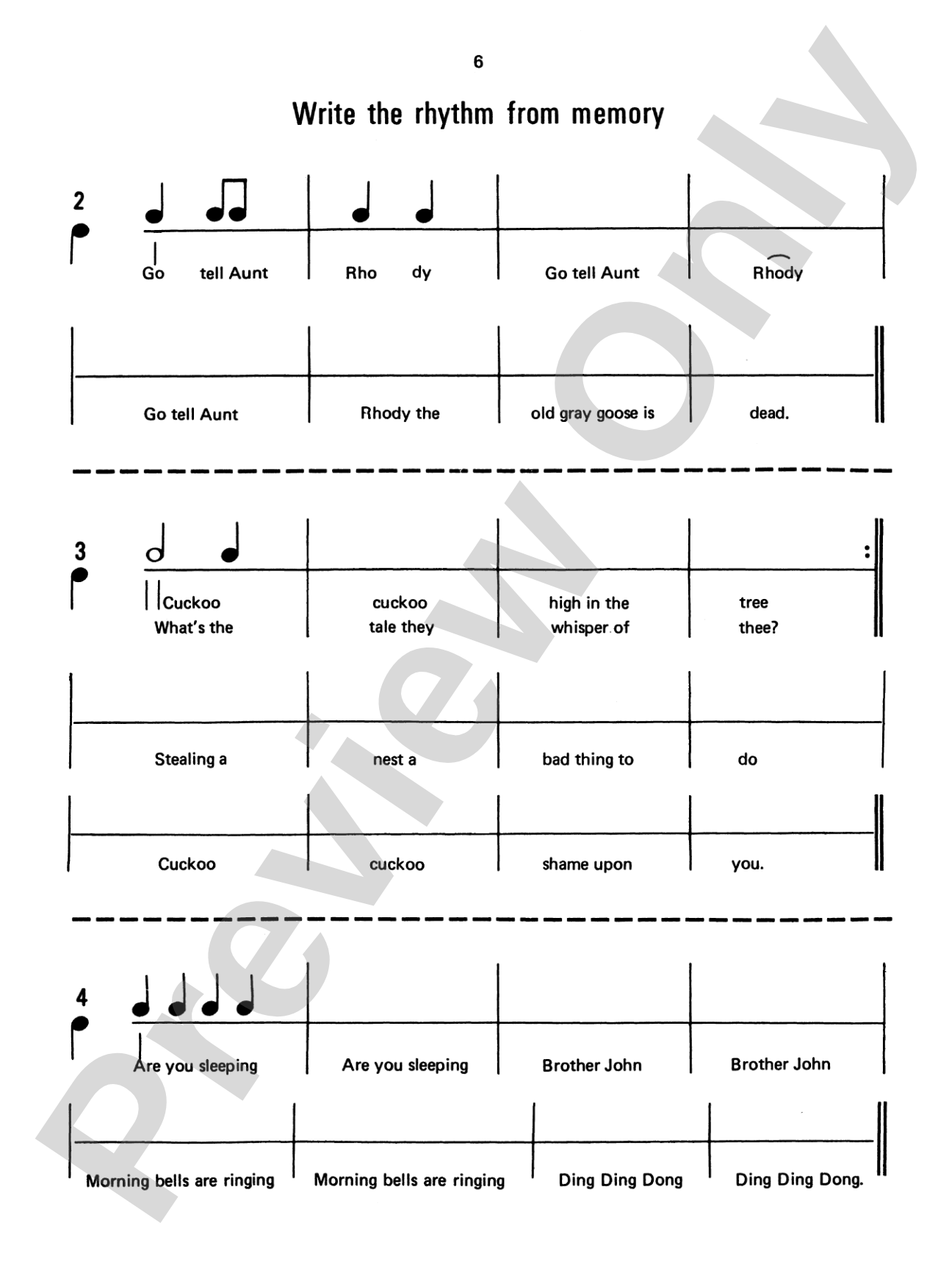
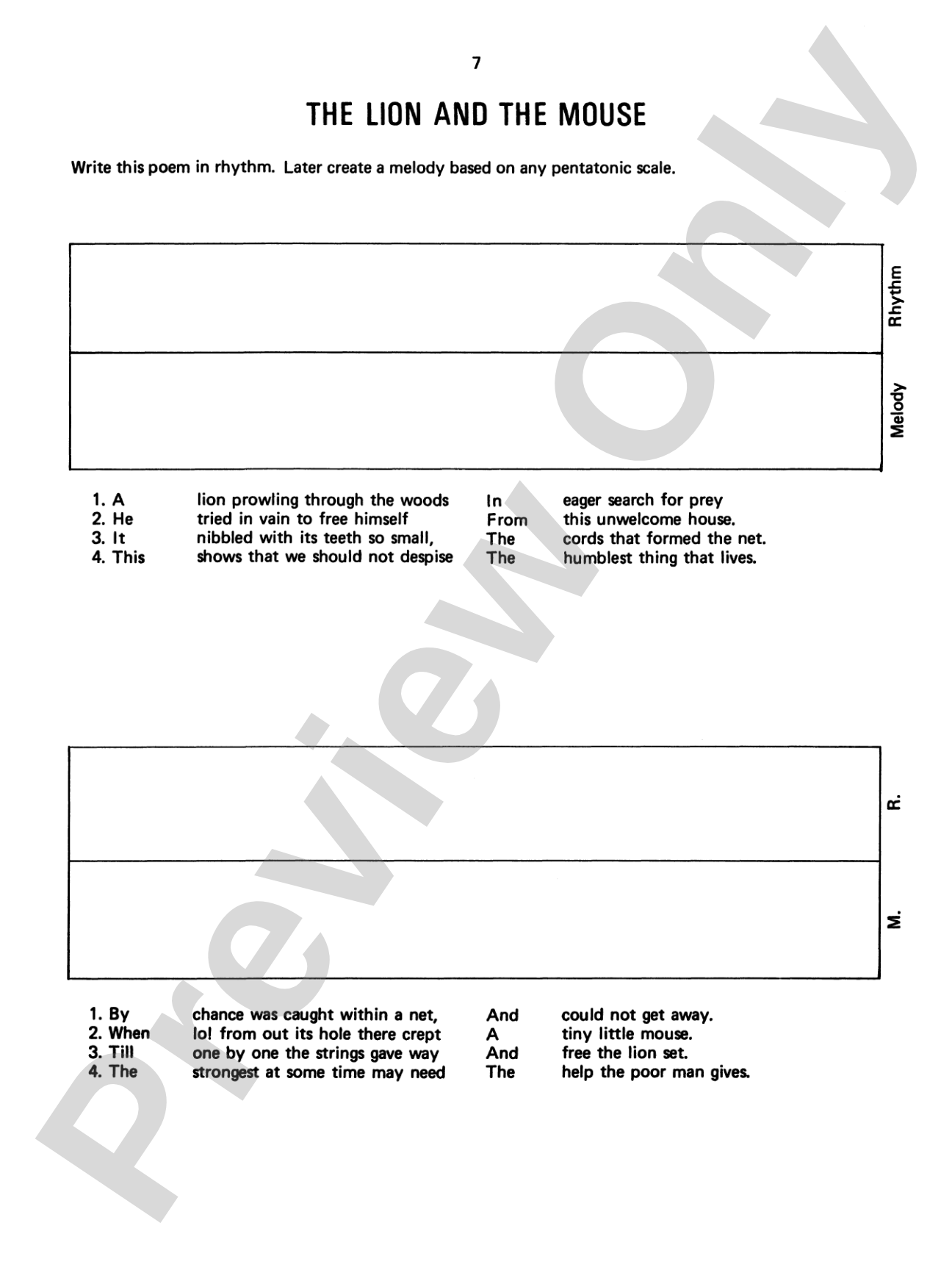
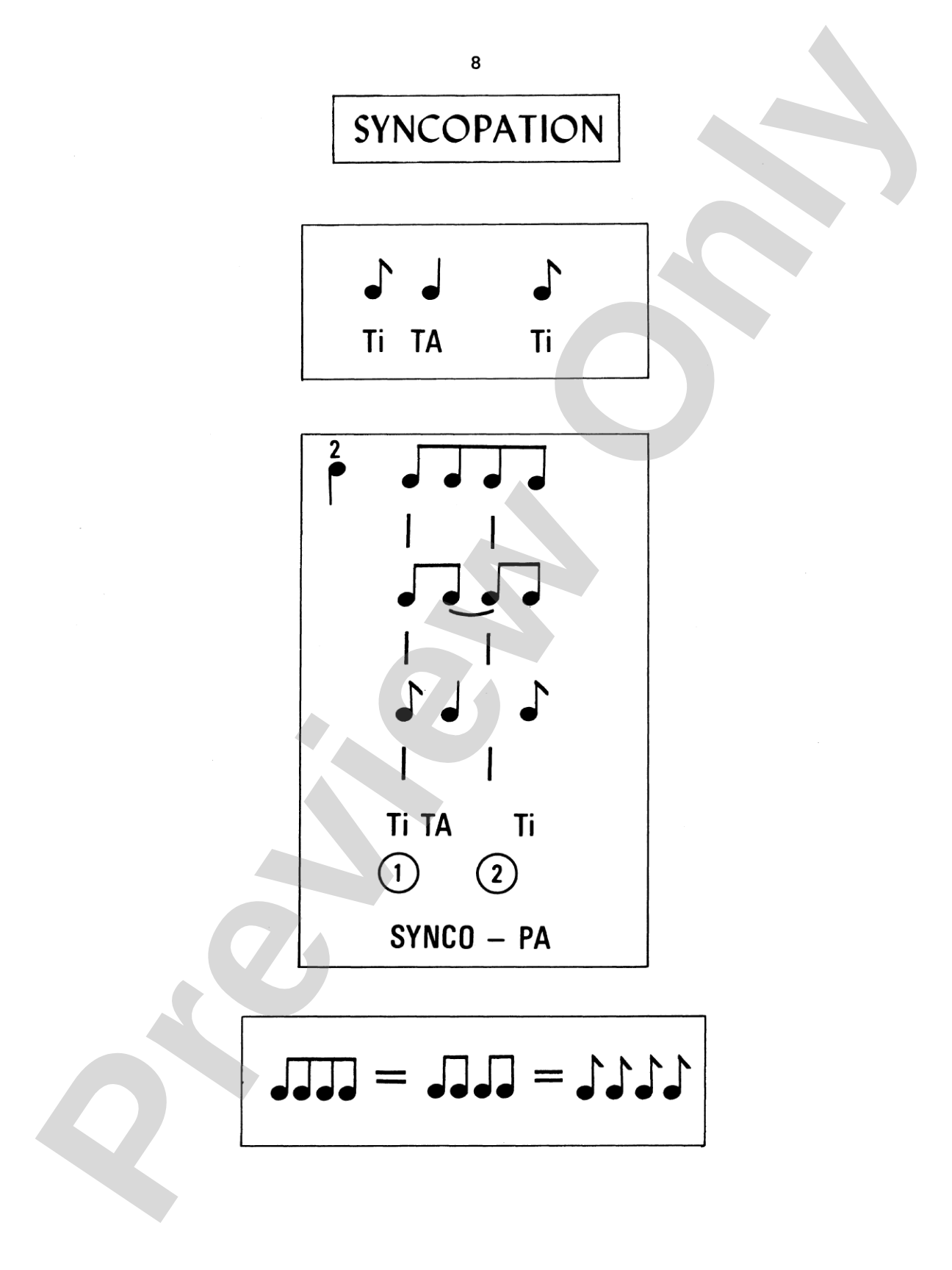
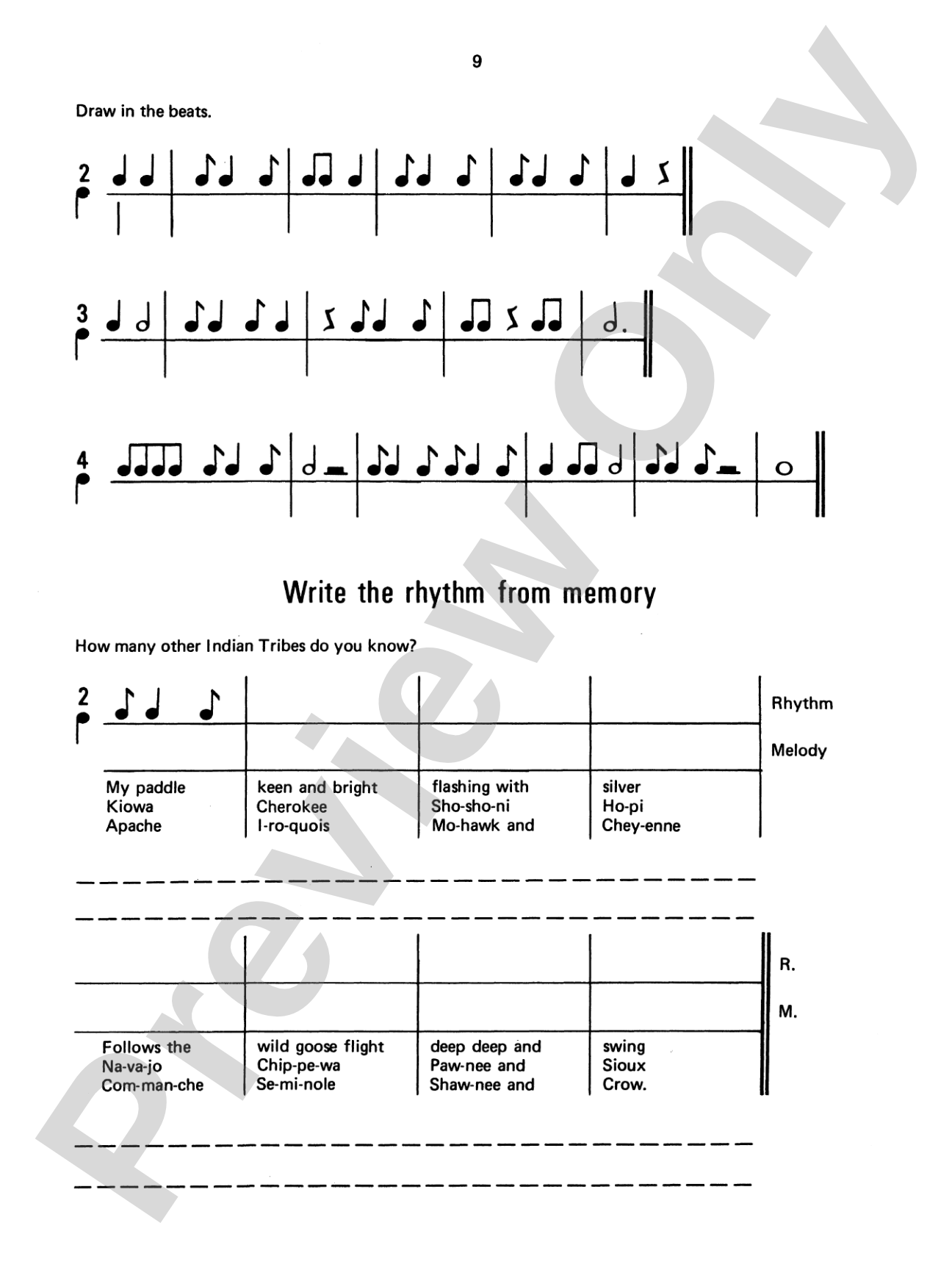
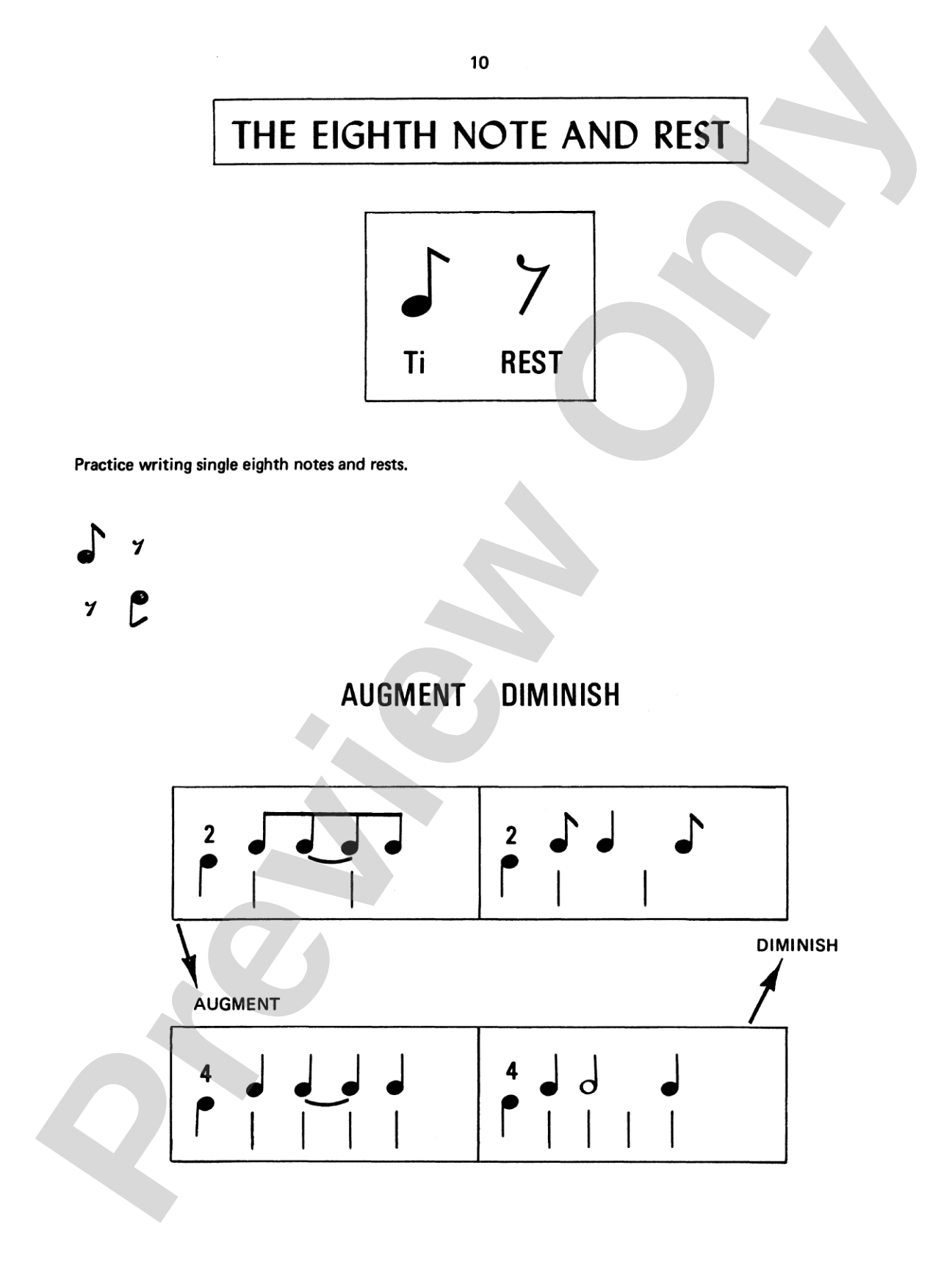
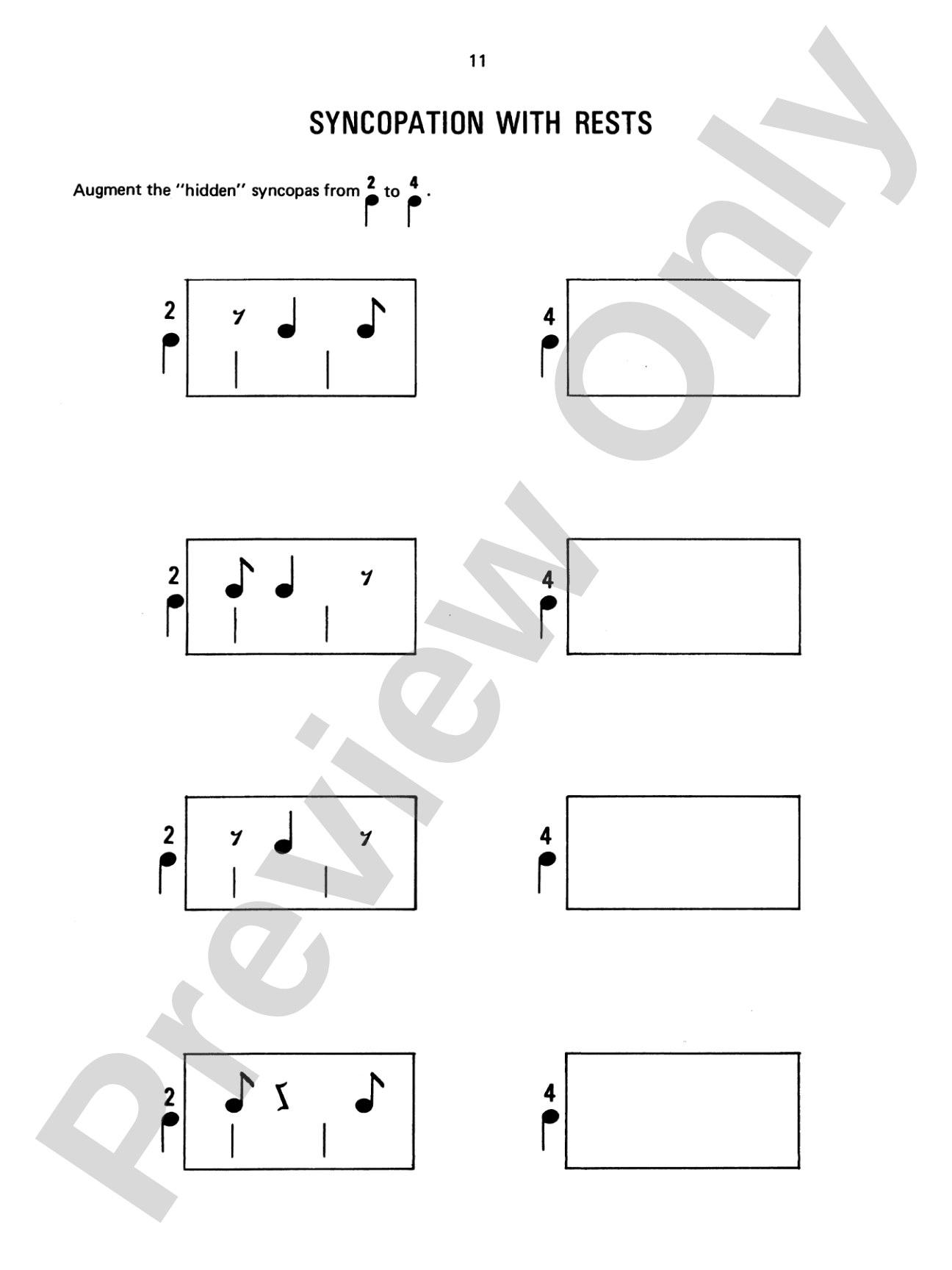
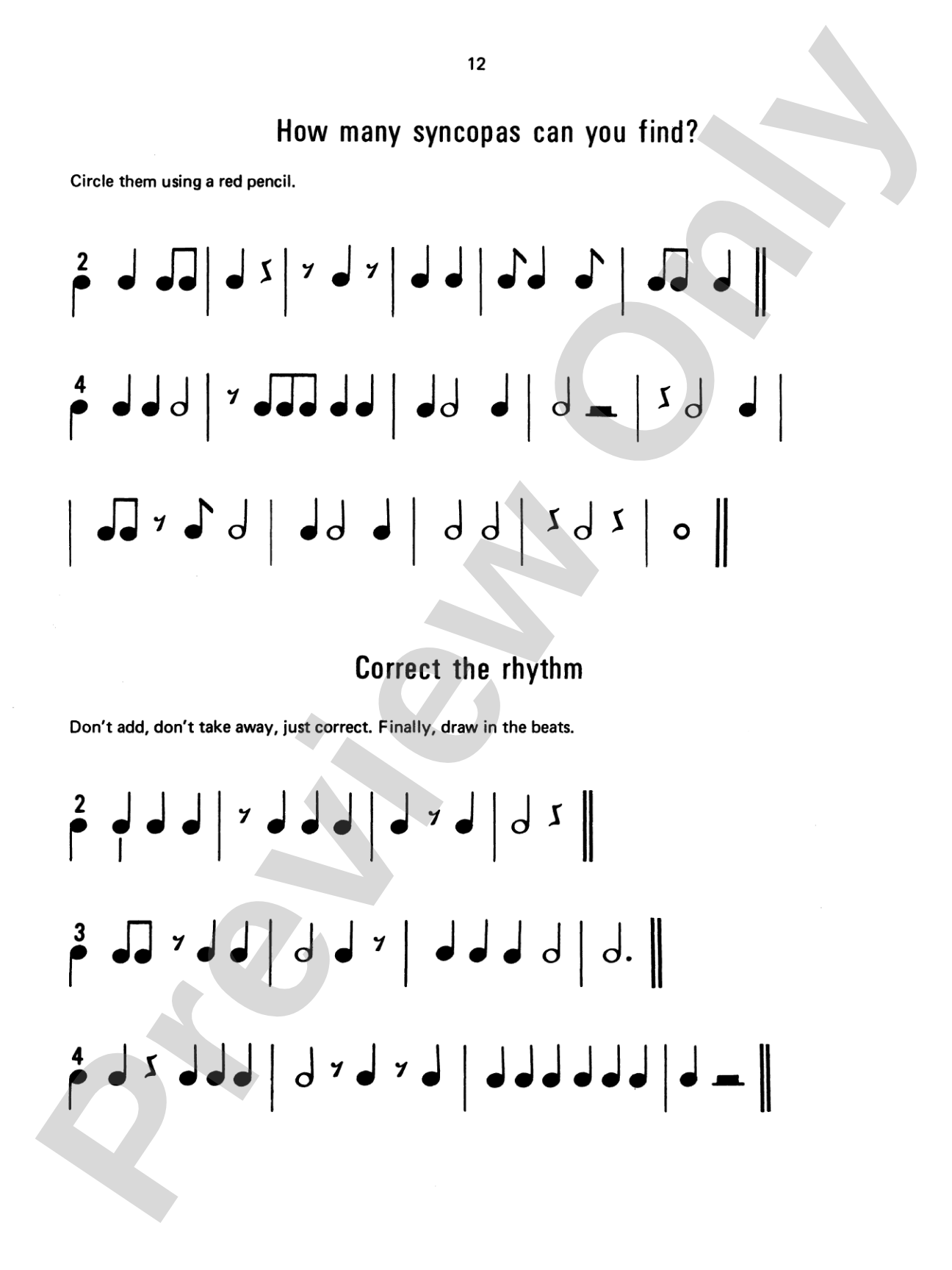
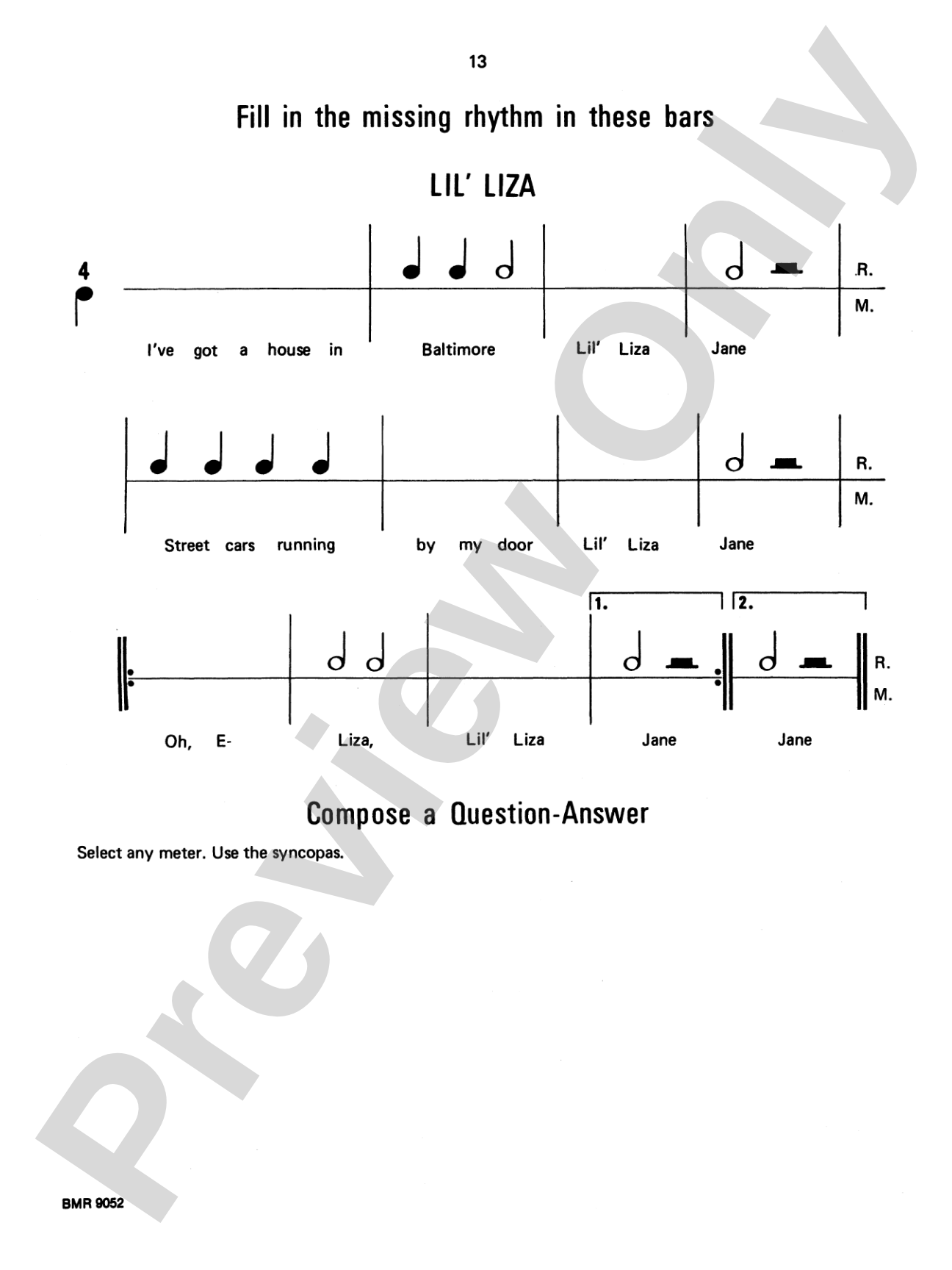
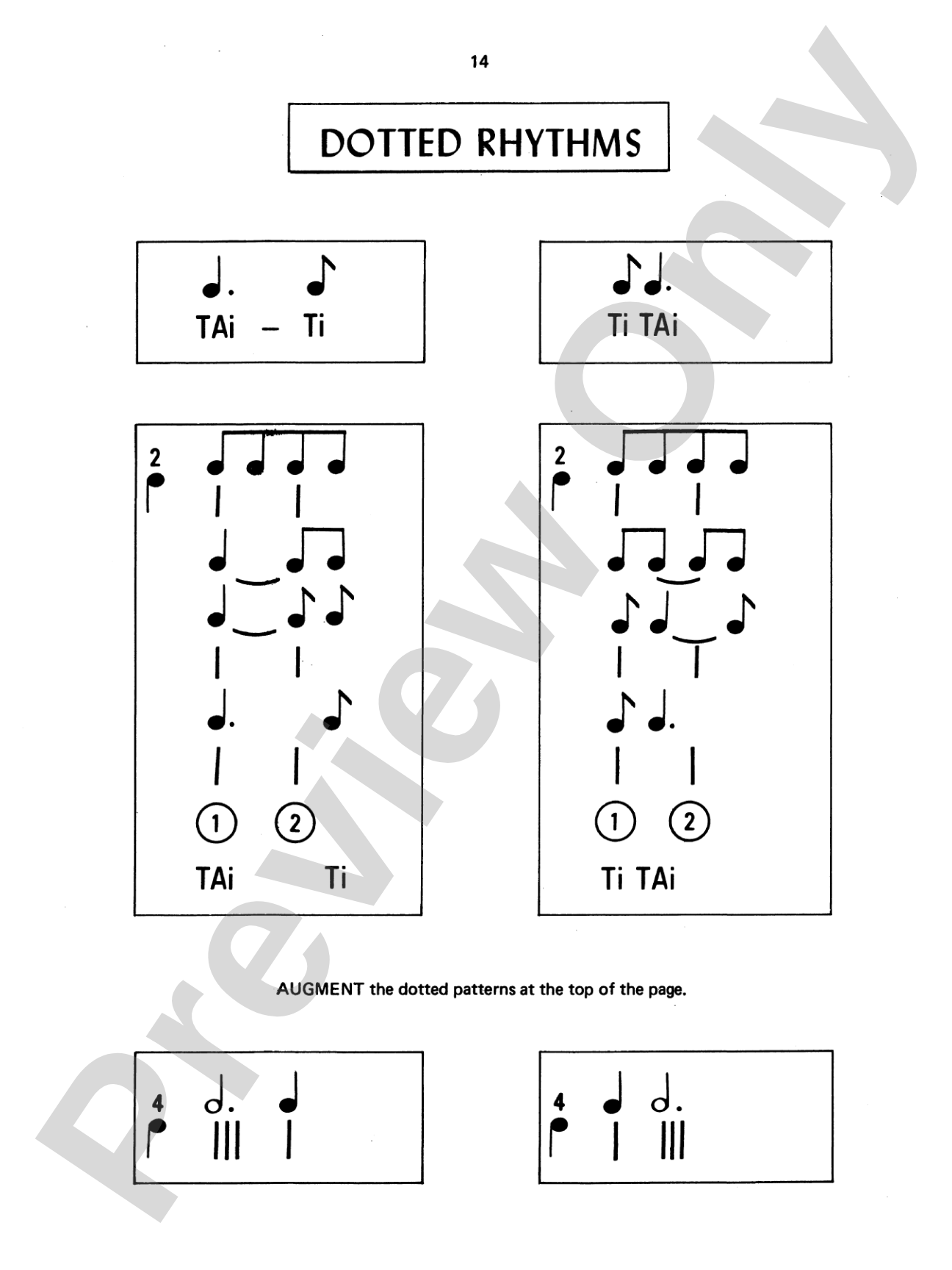
A sequentially organized program for grades K--6. The three workbooks contain materials for ear and rhythm training, music writing and reading, and creative work. Designed for North American schools, the program applies the Kodály approach to familiar songs and rhythms. These workbooks may be used to supplement the Threshold to Music program.


Discover MakeMusic Cloud: thousands of interactive titles your students can play along with today.
Sample Audio
No sample audio found.
Sample Video
No sample videos found.
Additional Details
Publisher:
Alfred Music
Page Count:
68
SKU:
00-PB-0001885
More about this title
Why we love this
Daniel's sequencing respects how children actually learn music, moving from concrete (familiar songs) to abstract (notation and composition) in a logical progression. The three-workbook structure lets you build a comprehensive foundation without forcing disconnected activities into your schedule. By anchoring Kodály pedagogy in songs your students already sing, this program makes ear training feel like music making rather than technique work.
What to expect
Working through these workbooks creates a sense of steady progress. Students encounter familiar melodies and rhythms alongside new notation concepts, which keeps the work approachable while gradually building complexity. The balance of ear training, notation, and creative activities maintains engagement across the three books.
Who it's for
Classroom teachers and music specialists working with elementary students in grades K through 6 who want a structured, sequential approach to foundational music literacy. This is especially valuable for educators already using Threshold to Music or those seeking to implement Kodály principles without overhauling their entire curriculum.
How to get the most out of it
- Start with the rhythm and ear training materials before moving into music writing; students who can clap and hear patterns independently will read notation with greater confidence.
- Use the familiar songs as anchors throughout the year. Return to them repeatedly so that the melodic and rhythmic concepts stick across multiple exposures.
- Integrate creative work alongside notation skills rather than saving it for the end. Students who compose and arrange early develop ownership over what they're learning.
- Pair workbook activities with singing and movement whenever possible. The Kodály approach relies on embodied learning, so keep pencil work connected to kinesthetic experience.
How to use it
Use the workbooks as your core elementary music literacy sequence, distributing them across your grade levels or cycling through them within a single grade depending on your enrollment and continuity. The sequential organization means students building from K onwards develop secure foundational skills before moving to more advanced repertoire and ensemble work.
Skills your students will build
- Interval recognition and singing in tune
- Rhythmic dictation and notation
- Sol-fa syllables (do, re, mi, fa, sol, la, ti, do)
- Staff reading in treble clef
- Simple composition and arranging
- Call-and-response and echo singing
- Connection between heard music and written notation