

Kodály Approach
By Katinka S. Daniel
Item: 00-PB-0001883
$5.99
Pickup currently not available
Description
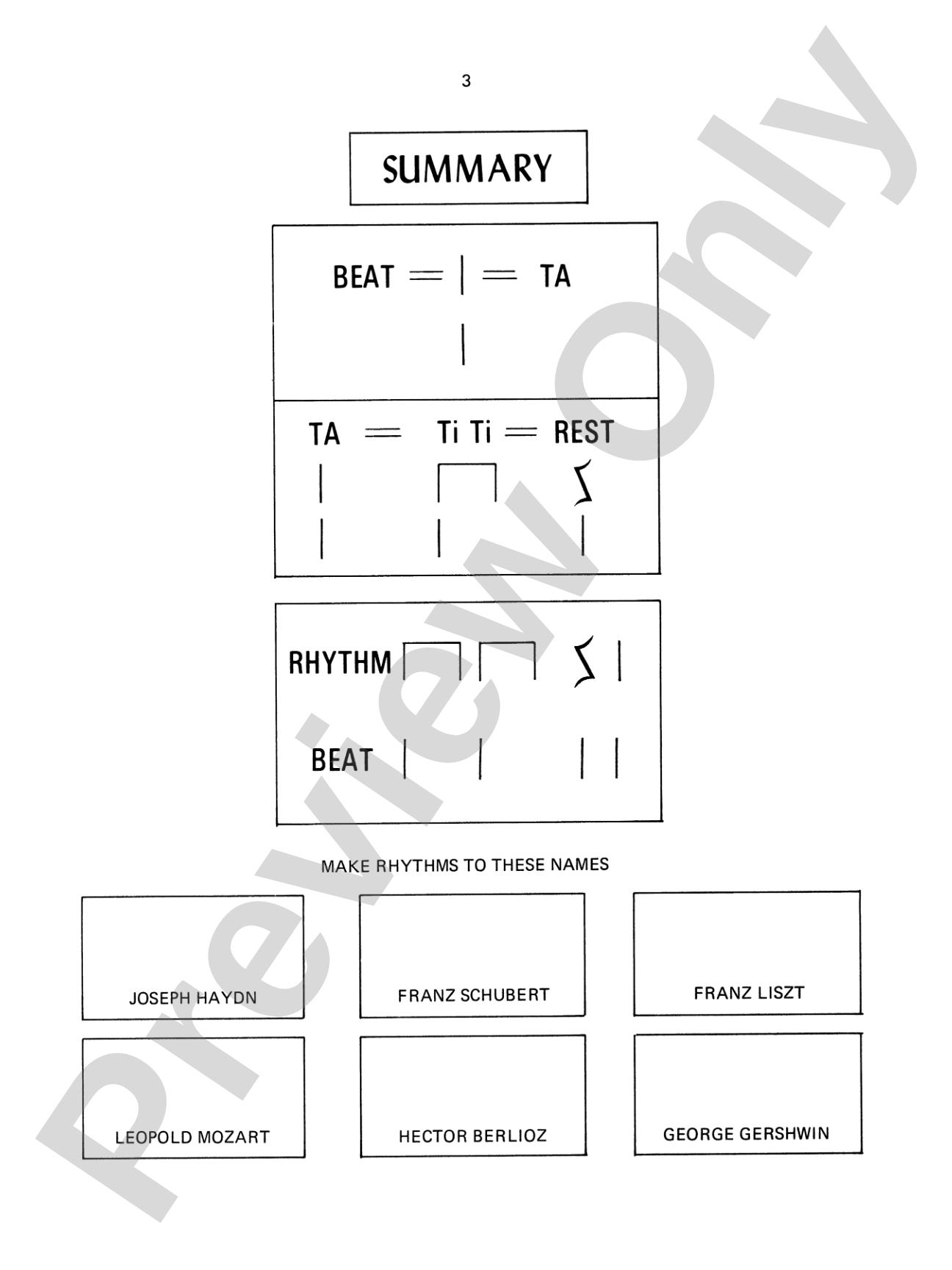
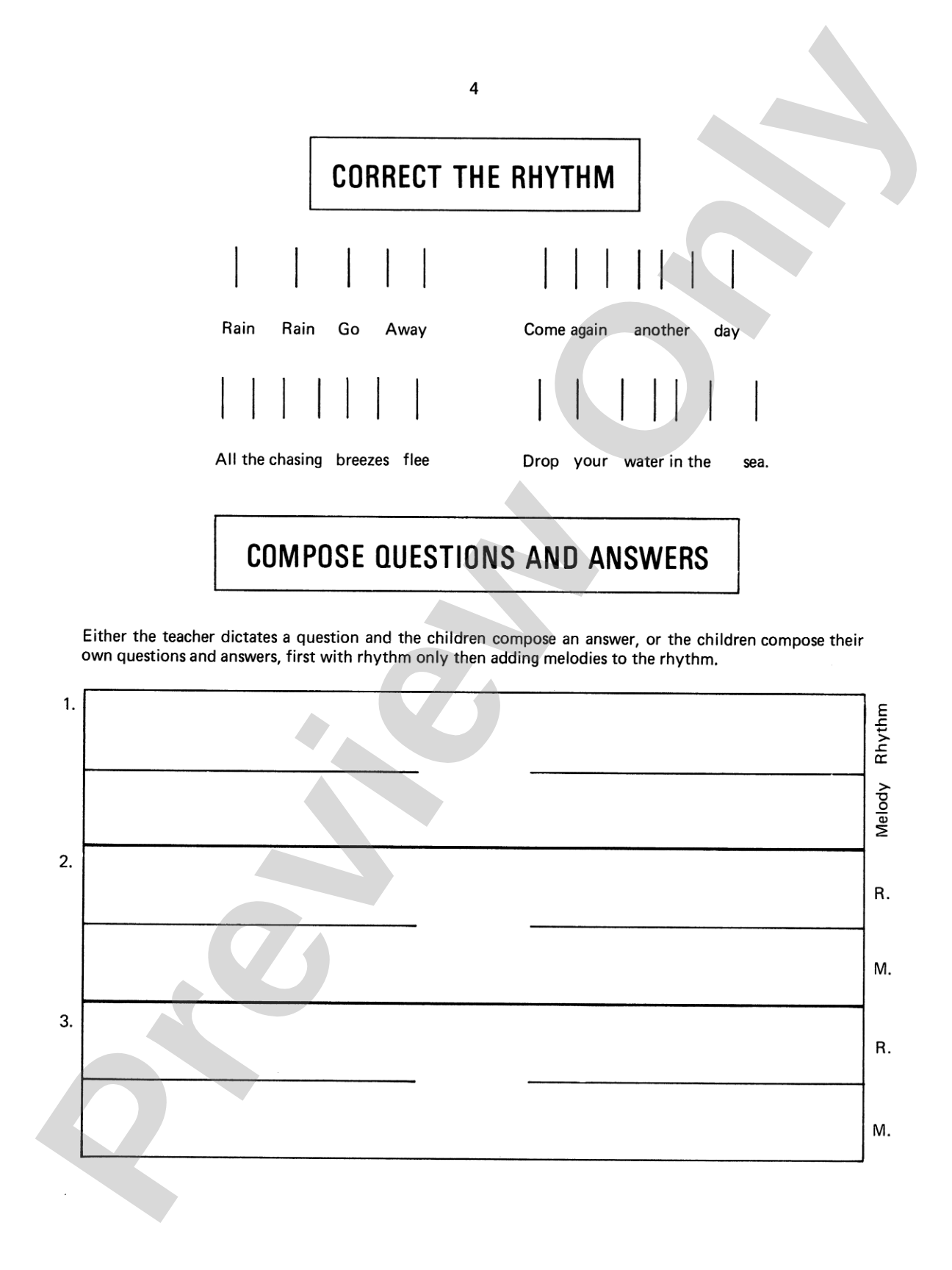
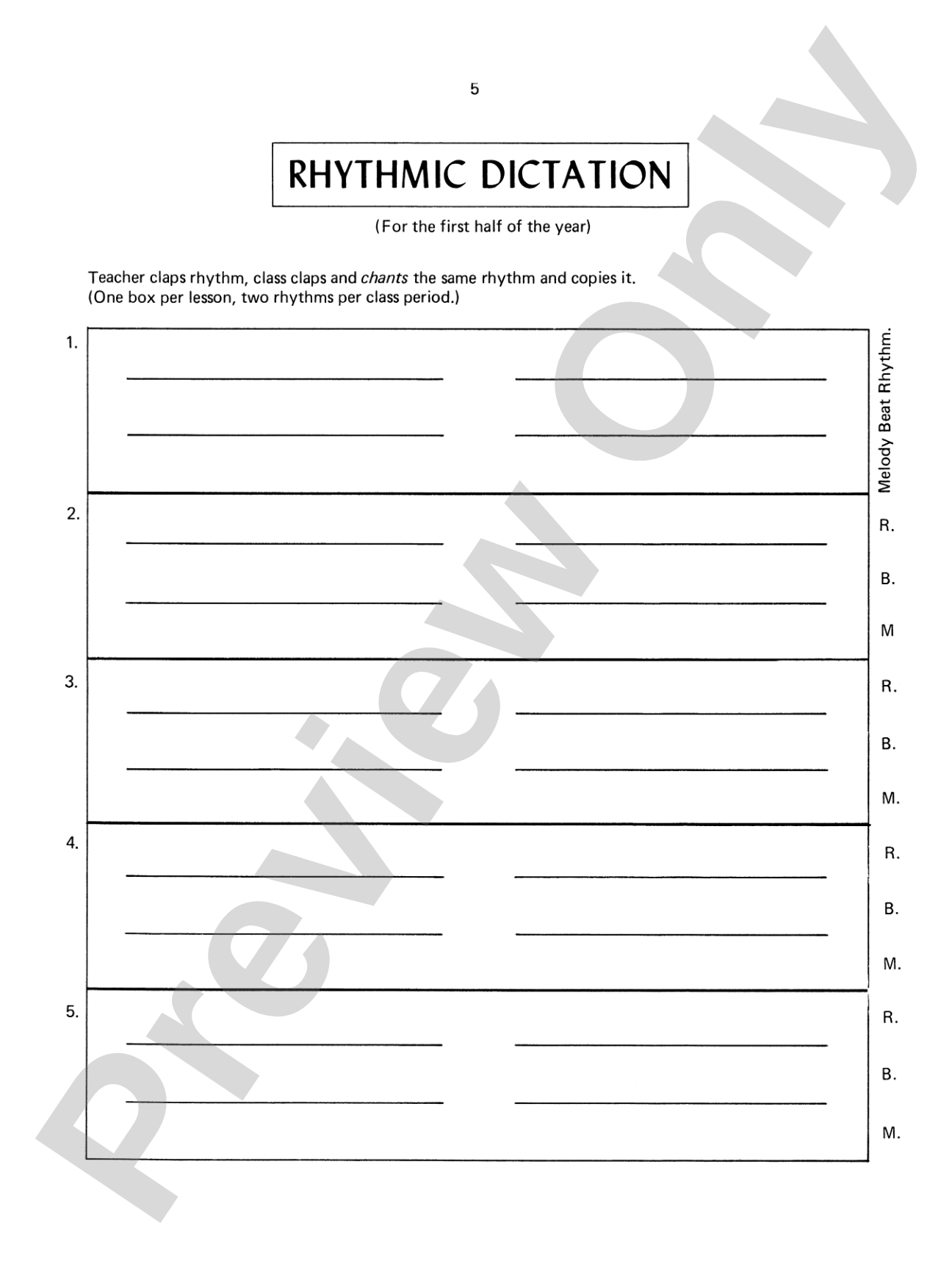
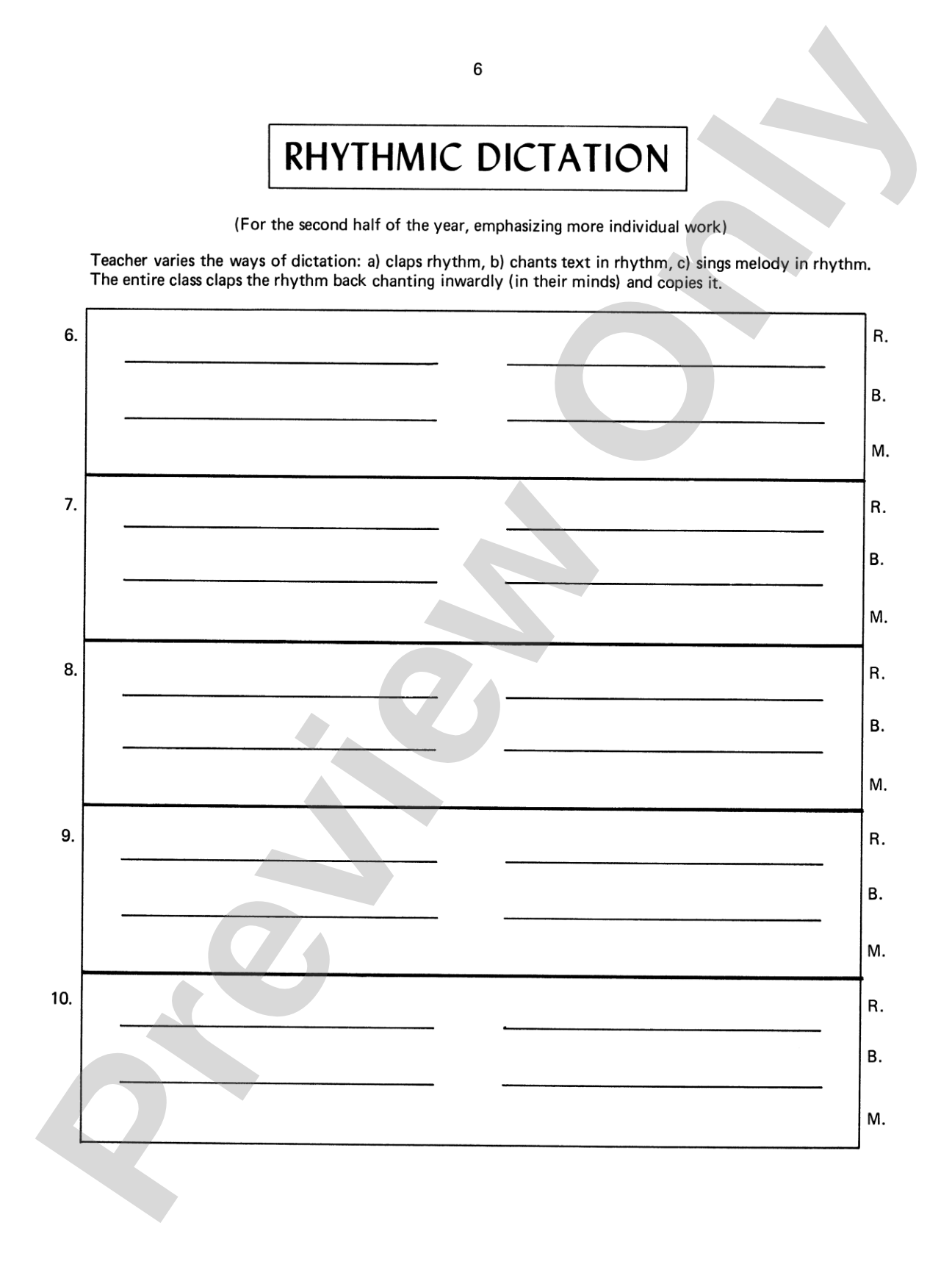
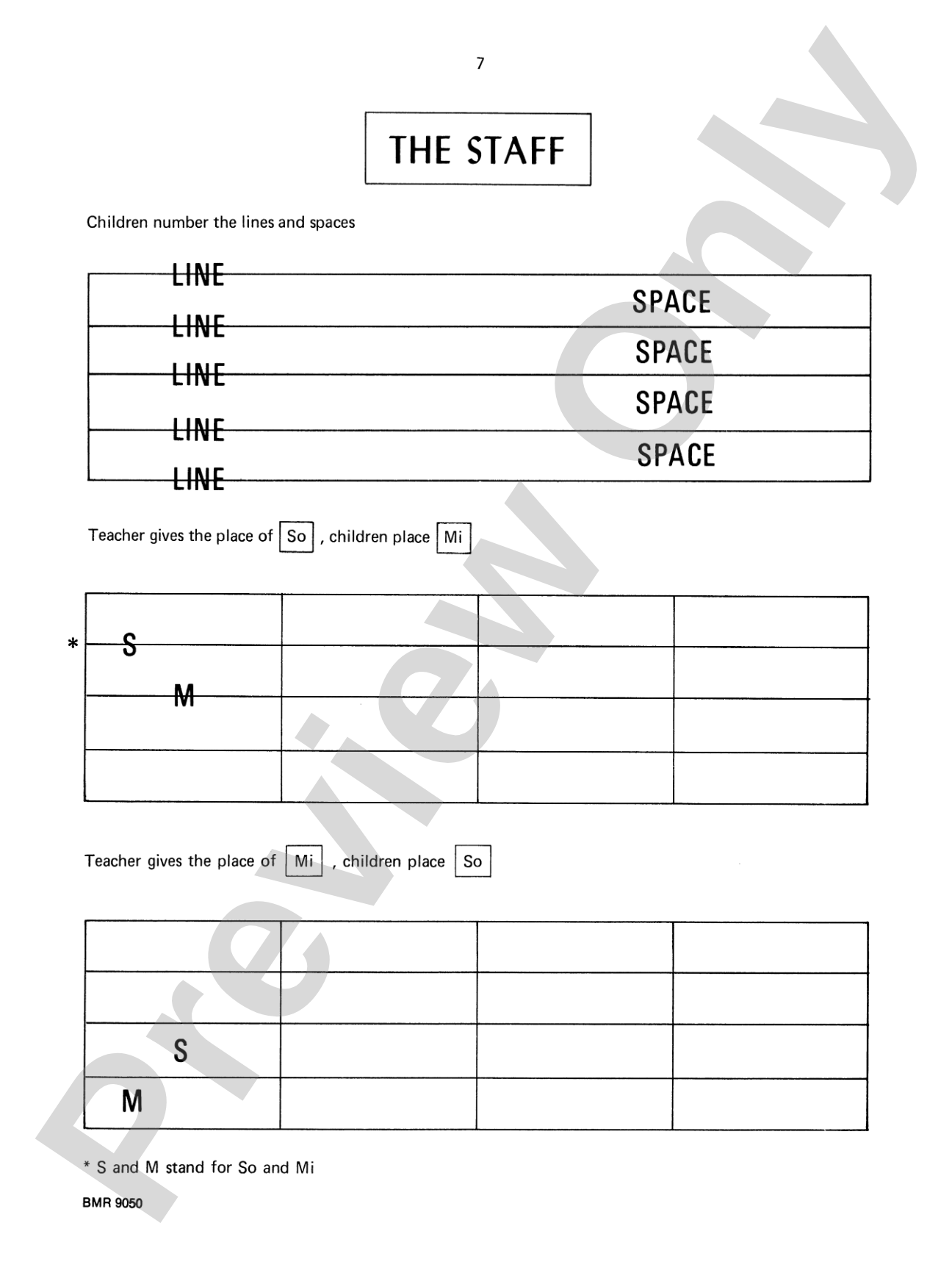
A sequentially organized program for grades K--6. The three workbooks contain materials for ear and rhythm training, music writing and reading, and creative work. Designed for North American schools, the program applies the Kodály approach to familiar songs and rhythms. These workbooks may be used to supplement the Threshold to Music program.


Discover MakeMusic Cloud: thousands of interactive titles your students can play along with today.
Sample Audio
No sample audio found.
Sample Video
No sample videos found.
Additional Details
Publisher:
Alfred Music
Page Count:
44
SKU:
00-PB-0001883
More about this title
Why we love this
This program respects the Kodály philosophy without forcing it onto unfamiliar material. By grounding instruction in songs and rhythms your students already know, Daniel makes the sequential development of ear training and music literacy feel natural rather than imposed. You get a coherent K-6 scope and sequence designed specifically for North American classrooms, which saves you the work of hunting for supplementary materials that actually fit together.
What to expect
Purposeful and grounded. The activities feel cumulative rather than scattered, building competence step by step. Students experience music as something they can listen to carefully, sing with precision, and eventually read and write with confidence.
Who it's for
Elementary music teachers and classroom teachers who want to build systematic ear training and music reading skills across K-6. This program works for schools already using or interested in the Kodály approach, and it integrates well with Threshold to Music if you're using that series.
How to get the most out of it
- Start with the ear training activities before jumping to notation. Students internalize patterns through singing and listening first, then connect those patterns to symbols on the page.
- Use familiar songs as anchors throughout the sequence. When students recognize the melody or rhythm, they focus on the new skill rather than decoding unfamiliar material.
- Return to earlier exercises frequently. Kodály-based work builds spirally, so revisiting earlier rhythms and intervals strengthens foundational knowledge.
- Balance workbook time with movement and singing. The creative work sections are meant to be enacted, not just completed on paper.
How to use it
Use these workbooks as your primary resource for general music instruction, distributing them across grade levels so each class works through one book over the year. The sequential design means students who have completed the K workbook enter first grade ready for specific rhythmic and melodic concepts, creating a genuine progression rather than starting over each fall.
Skills your students will build
- Interval identification and singing (minor second, major second, minor third, etc.)
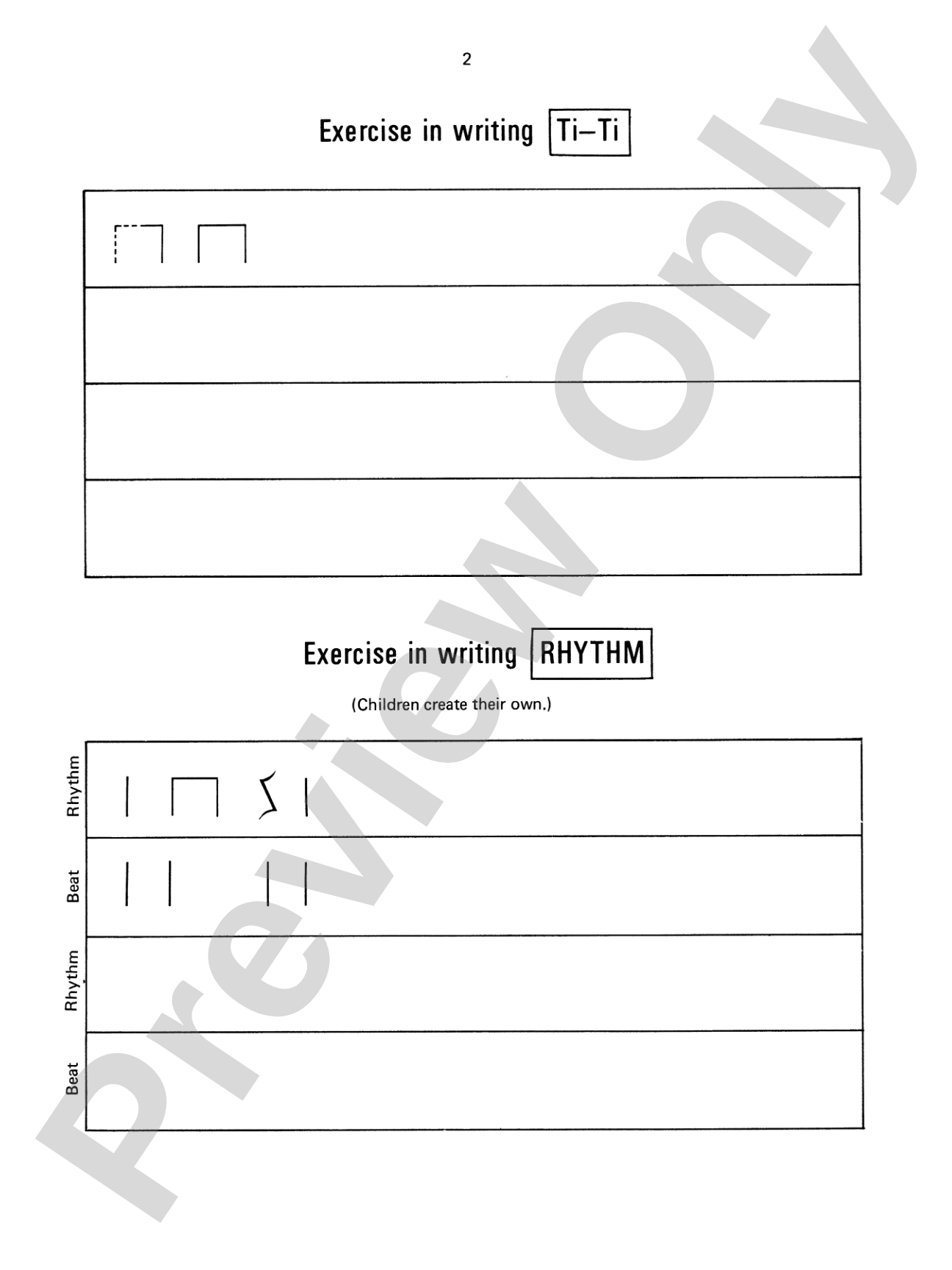
- Rhythm reading and notation in simple and compound meters
- Sol-fa syllables and moveable do system
- Listening discrimination and aural analysis
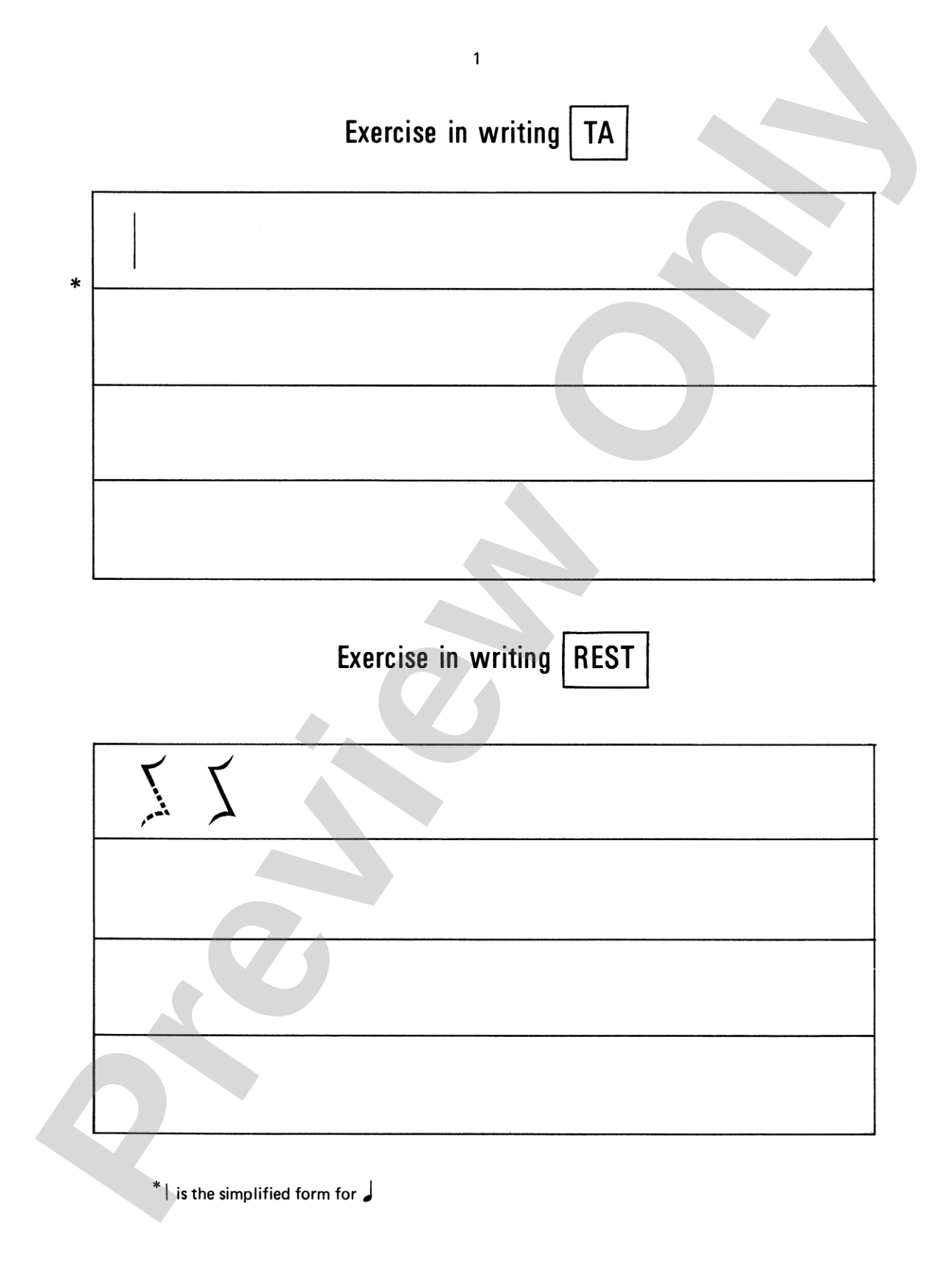
- Music notation and writing (clef, staff, note values, rests)
- Creative composition and improvisation using learned materials