Jump Right In Cover Image

Jump Right In: Jazz Ensemble Conductor Score & Parts

$50.00 USD
Sale price  $50.00 USD Regular price 
Skip to product information
Jump Right In Cover Image

Jump Right In: Jazz Ensemble Conductor Score & Parts

By Monika Herzig

Grade: 3

Item: 98-HX9019

Need it now?

Buy Digital Version
$50.00
Shipped

One moment…

Description
The Saxes and Bones begin with a statement that "speaks" the title of the chart, first answered by Piano and Guitar, later answered by the full Trumpet section. This is a solid, medium swing spiritual with hints of the blues. Solo changes are provided for Tenor Sax 1, Trumpet 2, Trombone 2, Guitar, Piano, and Bass. Solo transcriptions from the recording are provided for Trombone and Guitar. Straight-forward swing that feels right at home. (Top Trumpet Note: B5)

Jump Right In: Jazz Ensemble Conductor Score & Parts isn't in MakeMusic Cloud just yet...but it could be. Let us know you'd like to see it, and you'll help shape what comes next. In the meantime, start a free trial and dive into thousands of interactive titles your students can play along with today.

Sample Pages

Sample Audio
0:00
0:00
Sample Video
Additional Details
Series: HXmusic
Publisher: HXmusic
SKU: 98-HX9019

More about this title

About the Composer: Monika Herzig
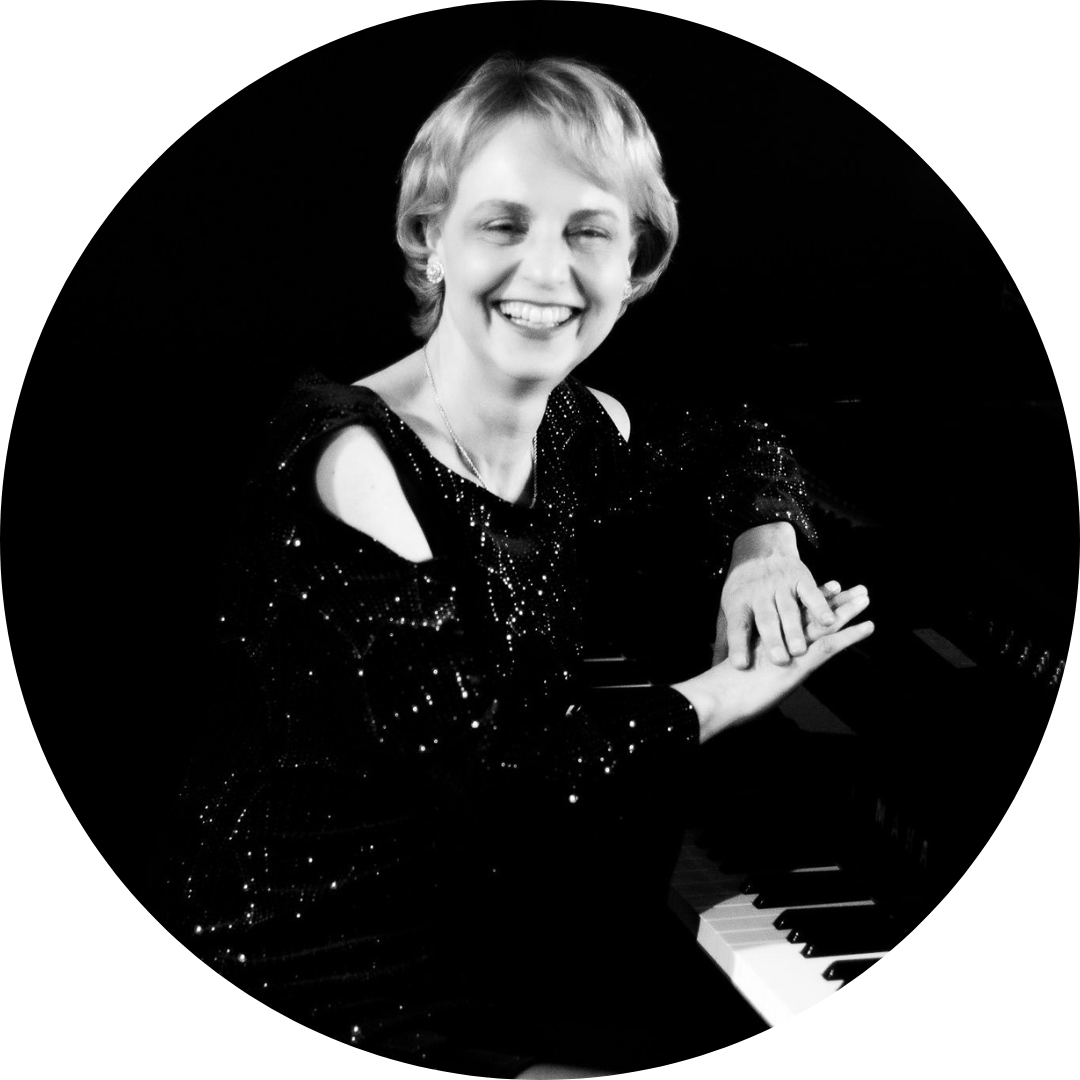
Monika Herzig

Monika Herzig arrived in the United States from Germany in 1988 with little more than a suitcase and a guitar, beginning a career that would span jazz performance, education, and scholarship. She earned her doctorate in Music Education with a minor in Jazz Studies from Indiana University, where she now serves on the faculty in Arts Administration. Her scholarly work includes two books: "David Baker – A Legacy in Music" (2011) and "Experiencing Chick Corea: A Listener's Companion" (2017), both examining influential figures in jazz history.

As a performer and bandleader, Herzig has recorded more than a dozen albums on her own ACME Records label and appeared at major venues including Birdland, Cleveland's Nighttown, and the Indianapolis Jazz Festival. Her ensembles have toured internationally and opened for acts ranging from Tower of Power to Yes. Recent recognition includes a Jazz Journalist Association Hero Award in 2015 and a 1994 Down Beat Magazine Award for Best Original Song. Her current project, "SHEroes," brings together world-class female jazz instrumentalists in collaborative performance.

Why we love this

Herzig writes with genuine swing sensibility grounded in blues language, making this chart feel authentic without being difficult to execute. The piece engages the whole ensemble through its call-and-response structure while giving meaningful solo space to six different voices, ensuring everyone in your section roster gets a featured moment. For a Grade 3 chart, the clarity of the melody and the built-in transcriptions from the recording give your soloists real examples to study and emulate.

What to expect

This is a warm, grounded piece that breathes with the ease of a spiritual set to medium swing time. The blues inflections keep things soulful without losing clarity; the melody speaks naturally, and the rhythm section settles into a pocket that feels right from the first downbeat.

Who it's for

This chart works perfectly for developing jazz ensembles at the high school or college jazz 2/3 level who are ready to work with traditional swing vocabulary without getting bogged down in complex harmony or advanced reading. Directors programming festival or contest performances will appreciate the solid construction and immediate accessibility. Ensembles with growing soloists benefit from the range of solo opportunities and the learning tool of transcribed solos.

How to get the most out of it

  • Lock in the groove with the rhythm section first. The swing feel depends on the piano and guitar laying back comfortably on beat two; rehearse them together before adding horns.
  • Study the provided solo transcriptions from the recording before sectionals. Your saxophone and trombone soloists will hear exactly what's possible over the changes.
  • Balance the opening statement carefully. The saxes and bones need to speak the title clearly enough for the audience to hear it, but not so loud that the piano and guitar answers get buried.
  • Give soloists permission to stretch the time slightly within the changes. Grade 3 jazz requires precision, but swing is about feeling the space, not metronomic exactitude.

How to use it

Schedule this early in the concert or festival performance to establish your ensemble's swing fundamentals and build audience confidence in your musicians' ability to solo over a solid, recognizable groove. It pairs well before a more modern or complex jazz chart, showing progression from traditional swing vocabulary to contemporary language. For contest contexts, the professional voicings and proven charts make it an ideal choice for demonstrating control and musical maturity.

Skills your students will build

  • Medium swing interpretation and rhythmic placement (behind and on the beat)
  • Blues-inflected melody playing with authentic phrasing
  • Solo construction over changes with provided transcription models
  • Call-and-response ensemble responding and listening
  • Rhythm section interlock (piano, guitar, bass, drums working as one unit)

You May Also Like