Jazz Standards for Vocalists with Combo Accompaniment Cover Image

Jazz Standards for Vocalists with Combo Accompaniment: Piano accompaniment/Conductor score

$12.95 USD
Sale price  $12.95 USD Regular price 
Skip to product information
Jazz Standards for Vocalists with Combo Accompaniment Cover Image

Jazz Standards for Vocalists with Combo Accompaniment: Piano accompaniment/Conductor score

Arr. Dave Wolpe

Item: 00-29947

$12.95
Shipped

One moment…

Description
Belwin Jazz offers ten great jazz standards arranged for solo vocalist with a nine or ten piece combo accompaniment. These songs are superbly arranged by one of the finest writers in the business, Dave Wolpe. This collection is ideal for a vocalist who needs a smaller ensemble with four or five horns and rhythm section. The combo horns are trumpet, alto sax, tenor sax, trombone and baritone sax. The baritone sax part adds additional color to the texture but is optional. The rhythm section is scored for guitar, bass, drumset and a piano/conductor part which includes cues for the horns.

Titles include: How High the Moon * I Get a Kick Out of You * I've Got You Under My Skin * Just Friends * My Funny Valentine * Night and Day * Something's Gotta Give * Summer Wind * They Can't Take That Away From Me * Too Close For Comfort

Jazz Standards for Vocalists with Combo Accompaniment: Piano accompaniment/Conductor score isn't in MakeMusic Cloud just yet...but it could be. Let us know you'd like to see it, and you'll help shape what comes next. In the meantime, start a free trial and dive into thousands of interactive titles your students can play along with today.

Sample Pages

No sample pages found.

Sample Audio
No sample audio found.
Sample Video
Additional Details
Publisher: Alfred Music
Page Count: 48
ISBN10: 0-7390-5253-5
ISBN13: 978-0-7390-5253-2
UPC: 038081328164
SKU: 00-29947
Instrumentation: Piano/Conductor

More about this title

About the Arranger: Dave Wolpe
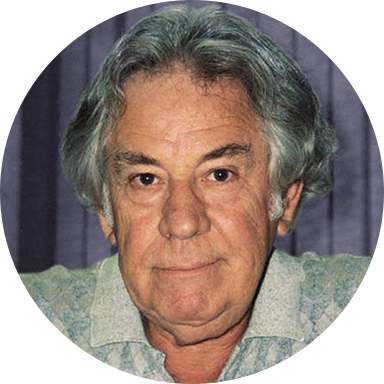
Dave Wolpe

Dave Wolpe established himself as a composer and arranger starting in 1965, building a career that spans decades of work with major jazz orchestras. His arrangements have been featured with the Glenn Miller Orchestra for many years, and he earned co-arranger credit on the platinum-certified holiday recording In the Christmas Mood. Beyond these flagship projects, his orchestrations have graced ensembles led by Ray Anthony, Lawrence Welk, and Les Brown, making him one of the most recorded arrangers in the big band and jazz repertoire.

Wolpe's arranging voice is marked by clarity of texture and respect for the vocalist, qualities that shine throughout this jazz standards collection. His understanding of both small combo and full orchestral voicings allows him to create arrangements that feel both intimate and full, giving pianists and conductors the tools they need to support a soloist while maintaining the vitality of a working jazz band.

Why we love this

These arrangements strike a genuine balance between authenticity and playability. Wolpe writes horn lines that sit naturally in the register of a working combo, he voices the rhythm section with purpose rather than padding, and he crafts cues into the piano part that feel organic to the accompaniment rather than afterthoughts. A vocalist gets real ensemble support, not a backing track; a pianist gets a score that functions equally well as a conductor score and a performance part.

What to expect

These are the standards that defined the American songbook, arranged with swing, warmth, and genuine interplay between the vocalist and the horns. The piano part sits at the heart of the ensemble, steering the group while remaining transparent enough for the singer's voice to shine; the combo horns frame and complement rather than overshadow. You're playing sophisticated jazz that feels effortless and social, the kind of music that draws listeners in.

Who it's for

This collection serves vocalists who perform in jazz settings and need quality arrangements written for an accessible ensemble size. It's equally valuable for music directors building a jazz program or organizing a special concert featuring a vocalist with a combo, since the material doesn't demand full big band resources and works in clubs, concert halls, or festival settings.

How to get the most out of it

  • Study the horn cues in the piano part before rehearsal. They tell you where the ensemble is heading and give you the chance to voice your voicings around theirs rather than playing into unisons by accident.
  • Lock the rhythm section (guitar, bass, drums) first in separate rehearsals if possible. These ten standards swing on pocket and time feel, not on perfect unison; a tight rhythm section gives the horns and vocalist the freedom to phrase.
  • Let the vocalist hear the horn line before the downbeat when it's new material. Wolpe's horn writing is idiomatic, and a quick preview helps singers understand the energy and style they're playing into.
  • Adjust baritone sax inclusion based on the room and the soloist's voice type. In a smaller or more intimate venue, the optional baritone sax can muddy the texture; in a larger room or with a darker vocalist, it adds welcome color.

How to use it

Program this collection for a jazz or pops concert where you want to feature a vocalist in a smaller ensemble context; it pairs beautifully with a big band feature or a set of instrumental standards played by the same combo. It also works as a foundation for a "Great American Songbook" series, where each concert might focus on two or three standards arranged by different writers or in different styles. For schools with active jazz programs, these arrangements make an ideal goal for intermediate combo ensembles working toward a special concert or recital.

Skills your students will build

  • Reading and conducting from a score that layers multiple instrumental and vocal lines simultaneously
  • Balancing ensemble texture by adjusting dynamic support around a featured soloist
  • Interpreting swing feel and jazz articulation through accompaniment choices
  • Managing optional instrument parts and making real-time decisions about instrumentation
  • Collaborating with horns and rhythm section as a pianist-conductor, using cues and eye contact to shape phrasing

You May Also Like