It Takes One to Tango Cover Image

It Takes One to Tango: String Orchestra Conductor Score

$8.00 USD
Sale price  $8.00 USD Regular price 
Skip to product information
It Takes One to Tango Cover Image

It Takes One to Tango: String Orchestra Conductor Score

By Brian Balmages

Grade: 3

Item: 98-ST6299S

$8.00
Shipped

One moment…

Description
Feature an advanced cello or euphonium soloist without worrying about the difficulty of the orchestral accompaniment. Easy and advanced parts are included for cello soloist so you can perform the work multiple times - once with your own soloist and once with an outstanding guest artist. Based on a rhythmic variation of a typical tango, the music combines dramatic lyrical lines with virtuosic technical passages that will take your breath away. Outstanding!

It Takes One to Tango: String Orchestra Conductor Score isn't in MakeMusic Cloud just yet...but it could be. Let us know you'd like to see it, and you'll help shape what comes next. In the meantime, start a free trial and dive into thousands of interactive titles your students can play along with today.

Sample Pages

Sample Audio
No sample audio found.
Sample Video
Additional Details
Series: FJH String Orchestra
Publisher: The FJH Music Company, Inc.
UPC: 241444569504
SKU: 98-ST6299S

More about this title

About the Composer: Brian Balmages
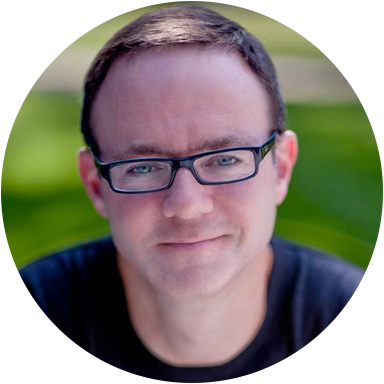
Brian Balmages

Brian Balmages has built an international reputation as a composer and conductor working across orchestral, band, and chamber repertoire. His works have been performed by ensembles ranging from professional symphony orchestras to elementary school groups in prestigious venues including Carnegie Hall, the Kennedy Center, the Sydney Opera House, and the Toronto Centre for the Arts. He received the A. Austin Harding Award from the American School Band Directors Association, won the 2020 NBA William D. Revelli Composition Contest for Love and Light, and holds membership in the American Bandmasters Association.

As a conductor, Balmages regularly appears with all-state and regional ensembles, university orchestras, and professional groups worldwide, with notable guest conducting engagements at the Midwest Clinic, Western International Band Clinic, and numerous state ASTA conferences. He received the inaugural James Madison University Distinguished Alumni Award and was commissioned by the University of Miami to compose music for the inauguration of its 6th president. His work has also been featured in the 2013 Presidential Inaugural Prayer Service. Currently, he serves as Director of MakeMusic Publications and Digital Education for Alfred and MakeMusic.

Why we love this

Balmages solves a real logistical problem here: you can feature an advanced soloist without demanding that same technical level from your entire orchestra. The dual cello/euphonium part system means you cast this twice with different soloist levels, making it perfect for showcasing both your emerging young talent and a guest artist. The tango foundation gives it immediate character, but the dramatic and virtuosic writing keeps it from feeling like a novelty.

What to expect

The piece pulses with the rhythmic urgency of a tango while maintaining lyrical sophistication. Dramatic, soaring melodic lines alternate with bursts of technical display, creating a performance that feels both elegant and thrilling, with the soloist cutting through the accompaniment as the undeniable focal point.

Who it's for

String orchestra directors who want to feature an advanced soloist but whose orchestral ensemble is still developing. The accessible orchestral parts mean you're not asking your section players to perform beyond grade 3 level while your principal cello or guest artist performs something genuinely challenging.

How to get the most out of it

  • Balance the soloist's lyrical passages by pulling back the orchestral dynamics slightly; these moments should float above the accompaniment rather than compete with it.
  • Work the rhythmic variations of the tango figure thoroughly in sectional rehearsals before bringing it to full ensemble; the groove needs to feel natural, not metronomic.
  • Coordinate with your soloist on the virtuosic technical passages early; mark any alternate fingerings or bowings that suit their particular strengths.
  • Consider bringing in your accompaniment recording (available separately) for solo rehearsals so the soloist becomes comfortable with the ensemble's tempo and phrasing choices.

How to use it

This works beautifully as a concert opener or closer, especially in a program that doesn't otherwise feature a dedicated solo spotlight. It also pairs well with other Balmages titles in a thematic conductor's showcase, and the fact that you can perform it twice with different soloists makes it ideal for an end-of-year concert where you want to highlight both developing talent and visiting artists.

Skills your students will build

  • Maintaining a steady tango rhythm while supporting contrasting lyrical and virtuosic solo lines
  • Adjusting dynamic balance in ensemble passages that accompany rather than lead
  • Reading and executing rhythmic variations on a foundational tango pulse
  • Ensemble coordination across articulation changes and tempo-sensitive solo passages

You May Also Like