It Takes One to Tango Cover Image

It Takes One to Tango: String Orchestra Conductor Score & Parts

$60.00 USD
Sale price  $60.00 USD Regular price 
Skip to product information
It Takes One to Tango Cover Image

It Takes One to Tango: String Orchestra Conductor Score & Parts

By Brian Balmages

Grade: 3

Item: 98-ST6299

Need it now?

Buy Digital Version
$60.00
Shipped

One moment…

Description
Feature an advanced cello or euphonium soloist without worrying about the difficulty of the orchestral accompaniment. Easy and advanced parts are included for cello soloist so you can perform the work multiple times - once with your own soloist and once with an outstanding guest artist. Based on a rhythmic variation of a typical tango, the music combines dramatic lyrical lines with virtuosic technical passages that will take your breath away. Outstanding!

It Takes One to Tango: String Orchestra Conductor Score & Parts isn't in MakeMusic Cloud just yet...but it could be. Let us know you'd like to see it, and you'll help shape what comes next. In the meantime, start a free trial and dive into thousands of interactive titles your students can play along with today.

Sample Pages

Sample Audio
0:00
0:00
Sample Video
Additional Details
Series: FJH String Orchestra
Publisher: The FJH Music Company, Inc.
UPC: 067439823039
SKU: 98-ST6299

More about this title

About the Composer: Brian Balmages
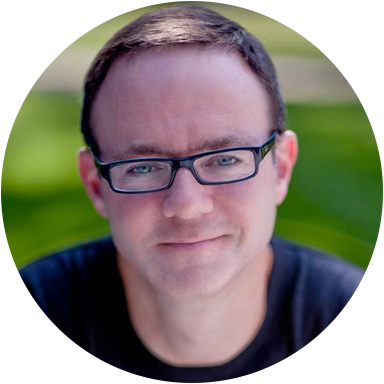
Brian Balmages

Brian Balmages moves fluidly between orchestral, band, and chamber music as both composer and conductor, with his work heard in venues from Carnegie Hall to the Sydney Opera House and everywhere in between. His accolades include the A. Austin Harding Award, the 2020 NBA William D. Revelli Composition Contest, and membership in the American Bandmasters Association. He has been commissioned by universities, conducted at major clinics and conferences across multiple continents, and his music was performed at the 2013 Presidential Inaugural Prayer Service.

Currently serving as Director of MakeMusic Publications and Digital Education for Alfred and MakeMusic, Balmages brings a deep understanding of what works in educational settings without sacrificing musical substance. His pieces are written for real ensembles with real constraints, which is why they resonate in both high school rehearsal rooms and professional concert halls.

Why we love this

The inclusion of two cello parts at different levels gives you genuine flexibility. You can perform this once with your best student soloist, then bring in a guest artist and program it again without retooling the entire piece. That's smart design that respects both your ensemble's needs and your budget.

What to expect

Sensual and energetic in equal measure. The tango foundation creates intimacy and rhythmic sophistication, while the virtuosic passages add flash and excitement. You get sophisticated harmony and compelling solo work without losing the dance-like character that makes tango instantly recognizable.

Who it's for

String orchestra directors at the Grade 3 level who want to feature a strong soloist without over-complicating the ensemble writing. The dual-part cello setup makes this especially valuable if you rotate soloists or work with multiple strong players in your section.

How to get the most out of it

  • Balance the soloist carefully against the string accompaniment. The orchestra should support and frame the solo line, not compete with it, even in the busier rhythmic sections.
  • Lock into the tango's characteristic rhythmic feel early in rehearsal. This isn't a standard Latin pulse; it's a rhythmic variation that needs deliberate attention so the ensemble sounds intentional rather than accidental.
  • Let the virtuosic passages breathe. When the soloist is working technically, give them room to shine while the orchestra stays rhythmically tight underneath.

How to use it

Program this as a feature on a spring concert or end-of-year performance where you can showcase a soloist alongside your ensemble's growth. The Latin genre also offers a refreshing contrast to standard classical fare, making it a smart choice when you're building a diverse program.

Skills your students will build

  • Playing characteristic tango rhythmic figures and maintaining them under solo variation
  • Accompanying a soloist while keeping independent rhythmic accuracy
  • Balancing ensemble texture to support rather than overshadow a featured player
  • Reading and executing the interaction between simple and complex rhythmic layers

You May Also Like