Improvisation at the Piano Cover Image

Improvisation at the Piano: Piano Book

$39.95 USD
Sale price  $39.95 USD Regular price 
Skip to product information
Improvisation at the Piano Cover Image

Improvisation at the Piano: Piano Book

A Systematic Approach for the Classically Trained Pianist

By Brian Chung and Dennis Thurmond

Item: 00-26255

$39.95
Shipped

One moment…

Description
This unique text uses a step-by-step approach to guide the reader from fundamental concepts to advanced topics in improvisation. Each subject is broken into easy to understand segments, gradually becoming more complex as improvisational tools are acquired. Designed for the classically trained pianist with little or no experience in improvisation, it uses the reader's previous knowledge of basic theory and technique to help accelerate the learning process. Included are more than 450 music examples and illustrations to reinforce the concepts discussed. These concepts are useful in all improvisational settings and can be applied to any musical style. For pianists interested in jazz, there are three chapters dedicated to introducing jazz improvisation, which can be used as the basis for further study in this idiom. Teachers using this text can go online to www.brianchung.net/improv-landing-page to download lesson plans, ask specific questions about improvisation, and view answers to the most frequently asked questions about this book. 232 pages.

Improvisation at the Piano: Piano Book isn't in MakeMusic Cloud just yet...but it could be. Let us know you'd like to see it, and you'll help shape what comes next. In the meantime, start a free trial and dive into thousands of interactive titles your students can play along with today.

Sample Pages

Sample Audio
No sample audio found.
Sample Video
Additional Details
Publisher: Alfred Music
Page Count: 232
ISBN10: 0-7390-4378-1
ISBN13: 978-0-7390-4378-3
UPC: 038081289588
SKU: 00-26255

More about this title

About the Author: Brian Chung
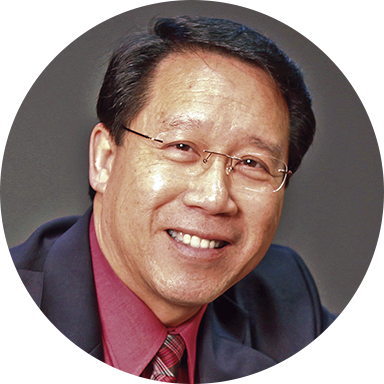
Brian Chung

Brian Chung brings together a rare combination of classical training, business acumen, and deep knowledge of the music industry. He studied piano and conducting at the Guildhall School of Music and Drama in London, earned an MBA from Northwestern University's Kellogg School of Management, and spent over three decades as Senior Vice President of Kawai America Corporation, where he shaped the company's strategic direction and vision.

Recognized across the profession for his contributions to music education and leadership, Chung has been honored as an MTNA Foundation Fellow (2004), recipient of the MTNA Distinguished Service Award (2010) and Citation for Leadership (2019), and most recently awarded the Lifetime Achievement Award from the California Association of Professional Music Teachers (2024). A frequent conference speaker, he continues to advocate for the music-making community through his writing, teaching, and mentorship.

Why we love this

This book bridges the gap between classical training and creative expression in a way that respects both worlds. Chung's step-by-step architecture means students aren't overwhelmed; they build genuine improvisational thinking rather than memorizing patterns. For teachers whose classically trained pianists have never touched improvisation, this text removes the intimidation factor while the 450+ music examples provide concrete reference points at every stage.

What to expect

Like learning to speak a new language using a grammar you already understand. The step-by-step approach feels manageable rather than chaotic, and the abundance of examples means you're never left guessing. Moving through the chapters builds genuine confidence; by the end, improvisation feels like a natural extension of your musicianship rather than a foreign skill.

Who it's for

Classically trained pianists who want to develop improvisation skills but have little to no experience in this area. Students and teachers looking for a structured, conceptual approach to improvisation that honors classical training while opening creative possibilities. Pianists curious about jazz or other improvisational idioms will find accessible entry points.

How to get the most out of it

  • Start with the foundational chapters even if your theory background is strong; the book's progression builds conceptual confidence that matters more than technical knowledge alone.
  • Work through the music examples at the keyboard as you read. Seeing a concept on the page and feeling it under your hands creates muscle memory that silent reading cannot provide.
  • If you're drawn to jazz, use the three dedicated jazz chapters as a springboard for deeper study rather than a complete system. They introduce the vocabulary and thinking; follow-up resources will deepen mastery.
  • Use the companion website for lesson plans and FAQs while you work. Chung anticipated common questions, and having those answers available accelerates understanding.

How to use it

Assign this text to pianists preparing for college auditions who want to demonstrate creative musicianship beyond repertoire interpretation. Studio teachers can use it as a year-long independent study project, asking students to report back on concepts they've applied in their own playing. The jazz chapters work particularly well for pianists interested in supplementing classical studies with jazz fundamentals.

Skills your students will build

  • Building harmonic progressions from chord symbols and voice-leading principles
  • Improvising melodic lines over static and changing harmonic contexts
  • Developing jazz vocabulary including chord voicings, comping techniques, and blues progressions
  • Translating improvisation concepts across musical styles (classical, contemporary, jazz)
  • Creating spontaneous musical responses using learned harmonic and melodic tools
  • Analyzing existing improvisations and extracting teachable patterns and strategies

You May Also Like