
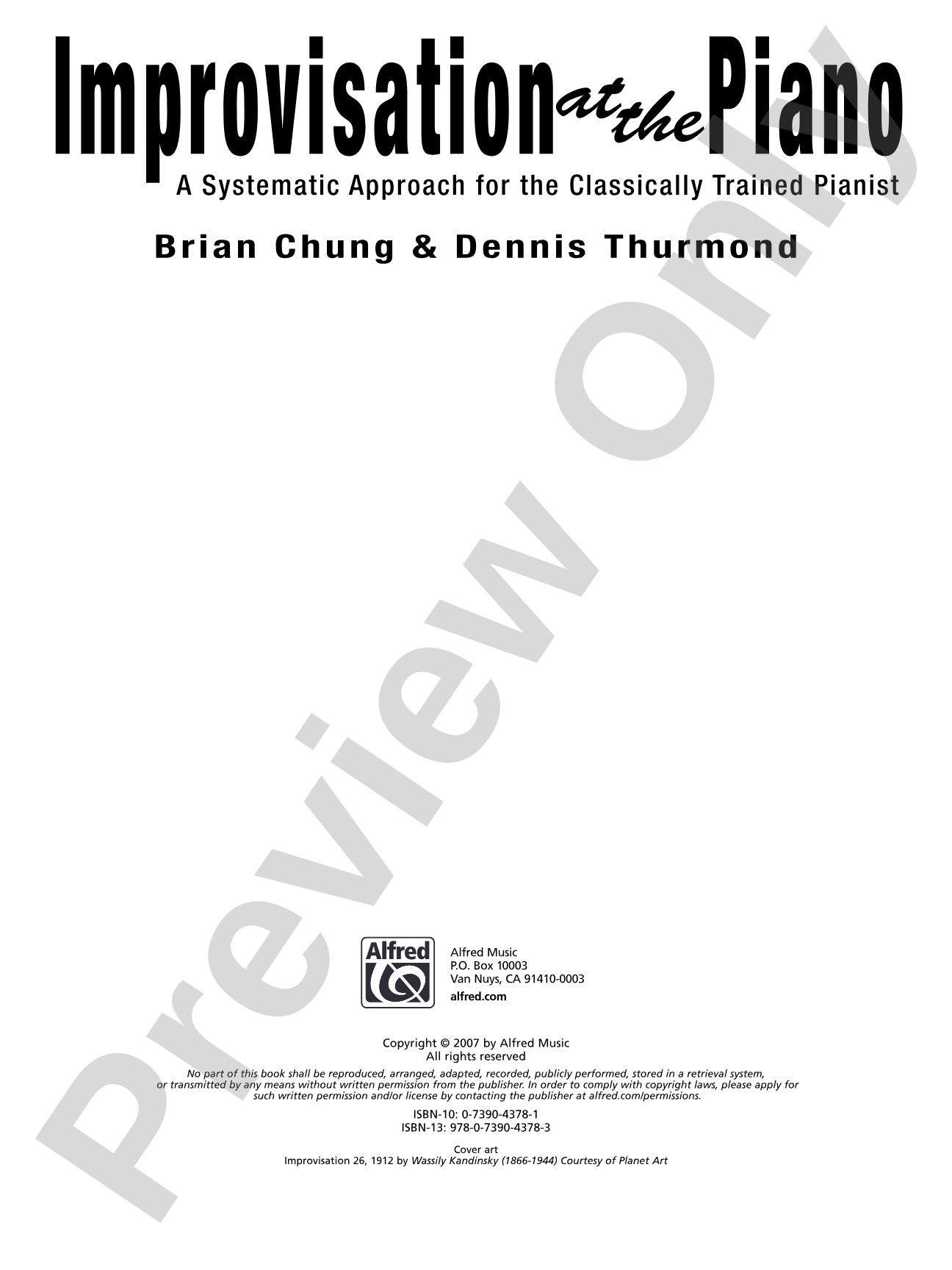




Improvisation at the Piano: A Systematic Approach for the Classically Trained Pianist: Piano
A Systematic Approach for the Classically Trained Pianist
By Brian Chung and Dennis Thurmond
Item: 00-PB-0001805
$39.95
Pickup currently not available
Related Items
Improvisation at the Piano: Piano Book |
$39.95
|
View |
Description
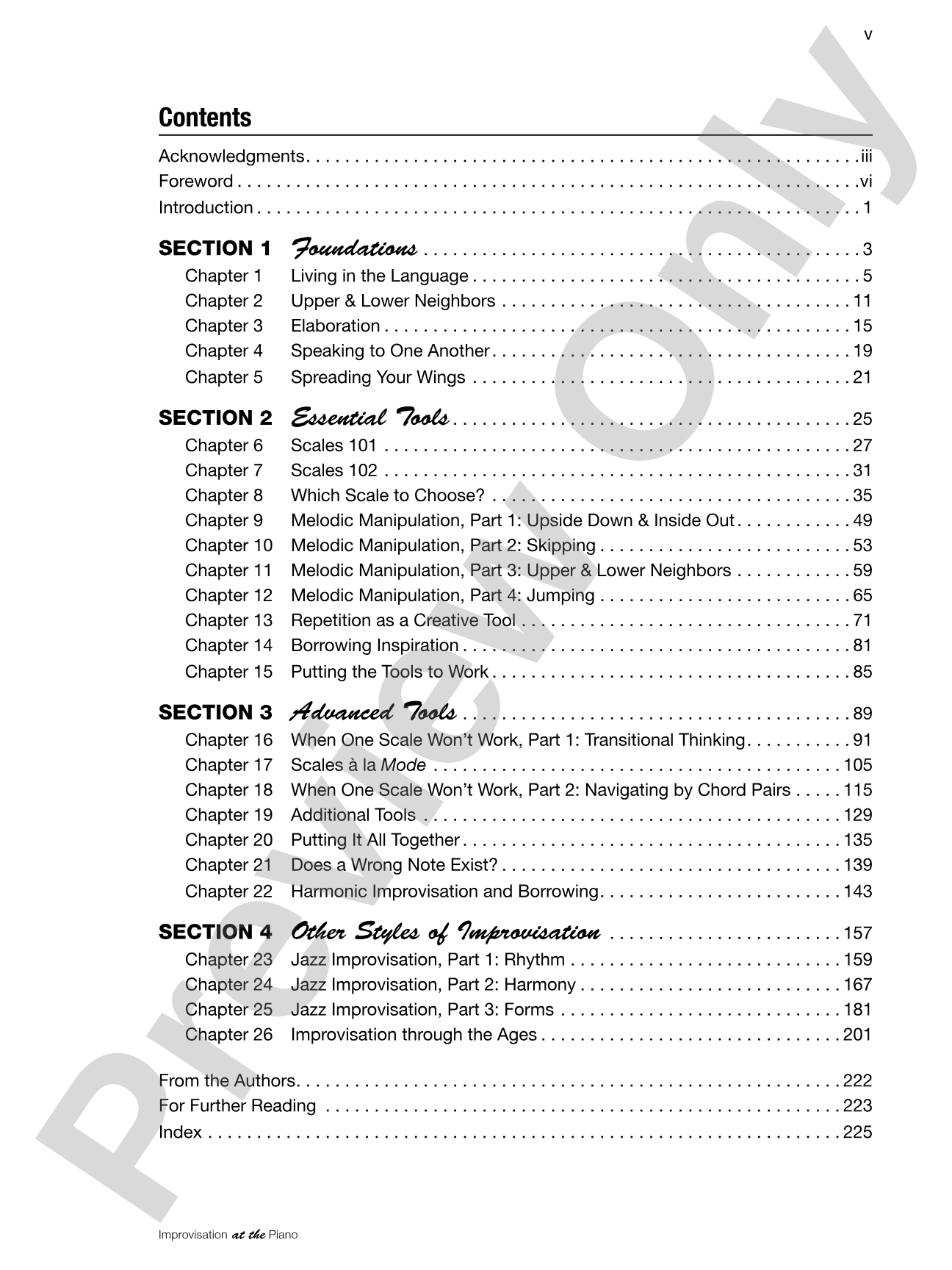
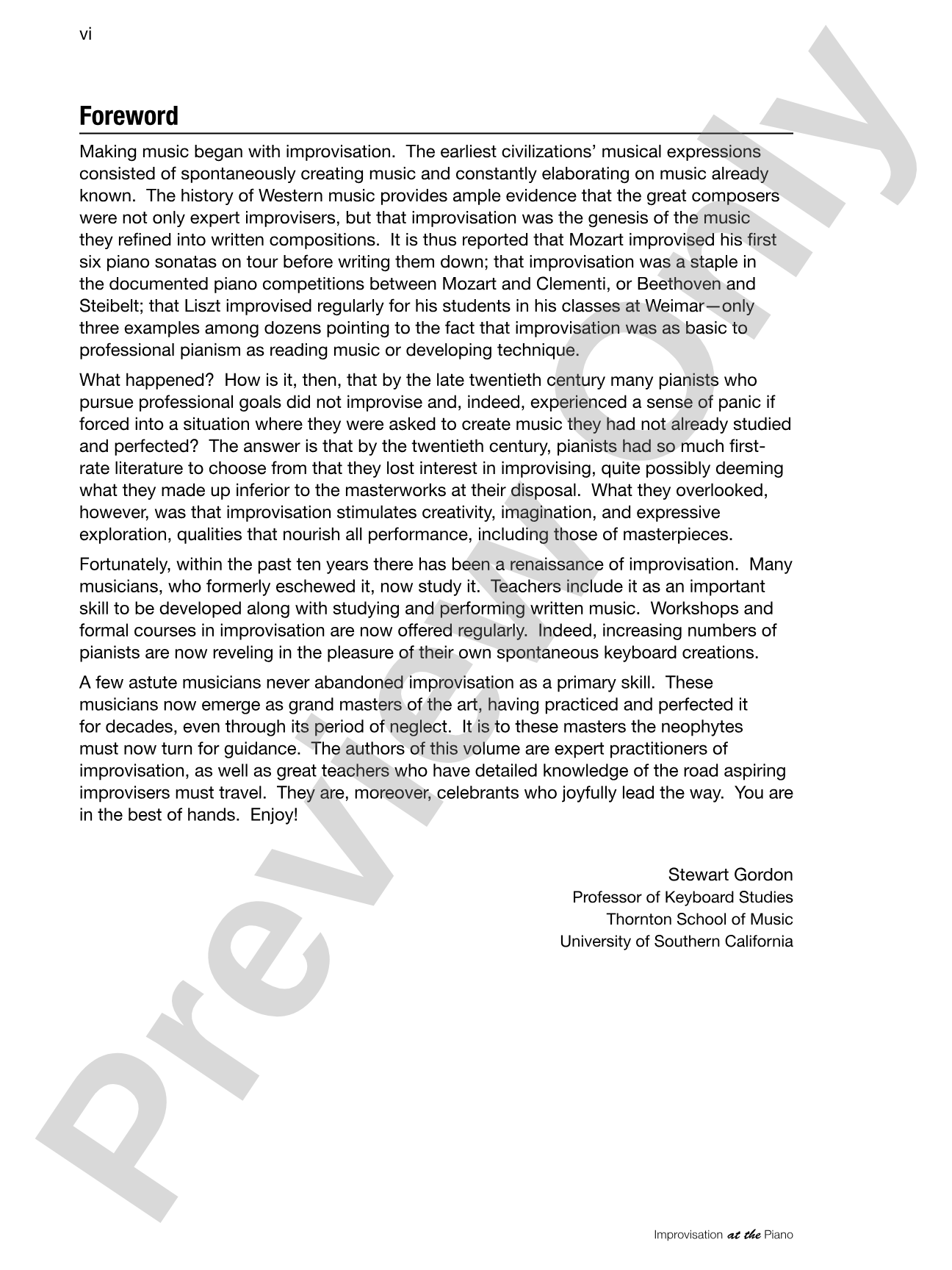
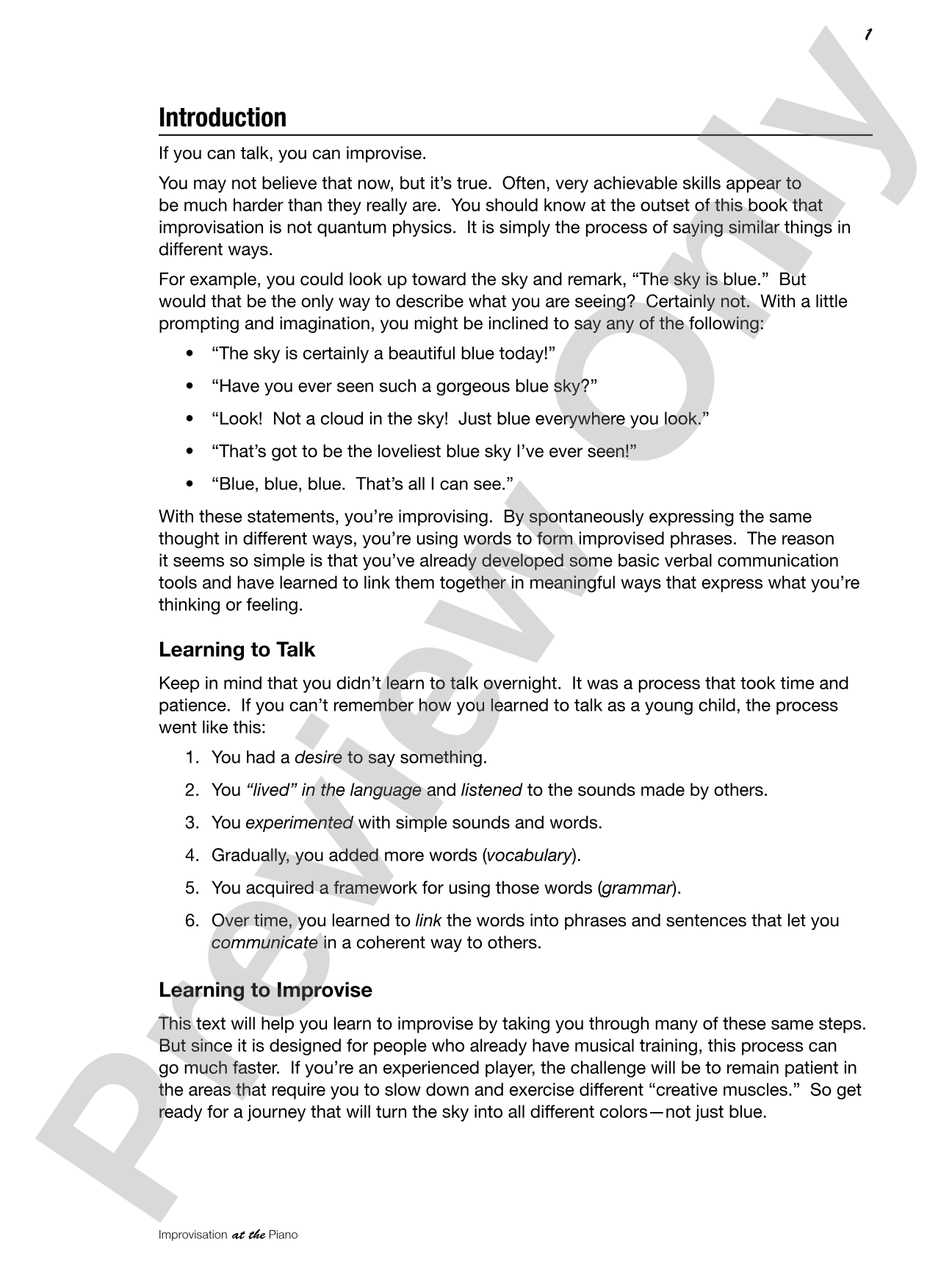
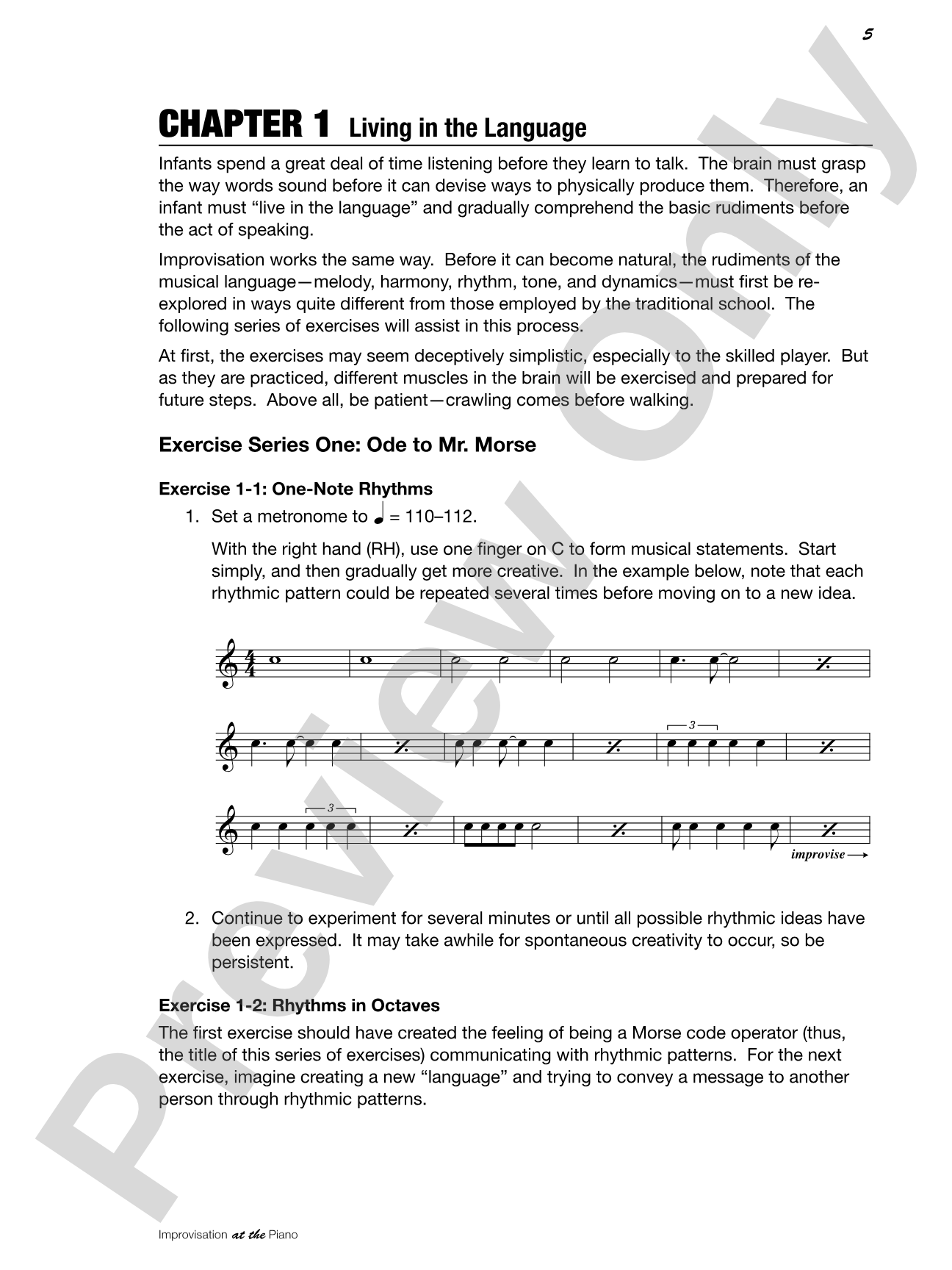
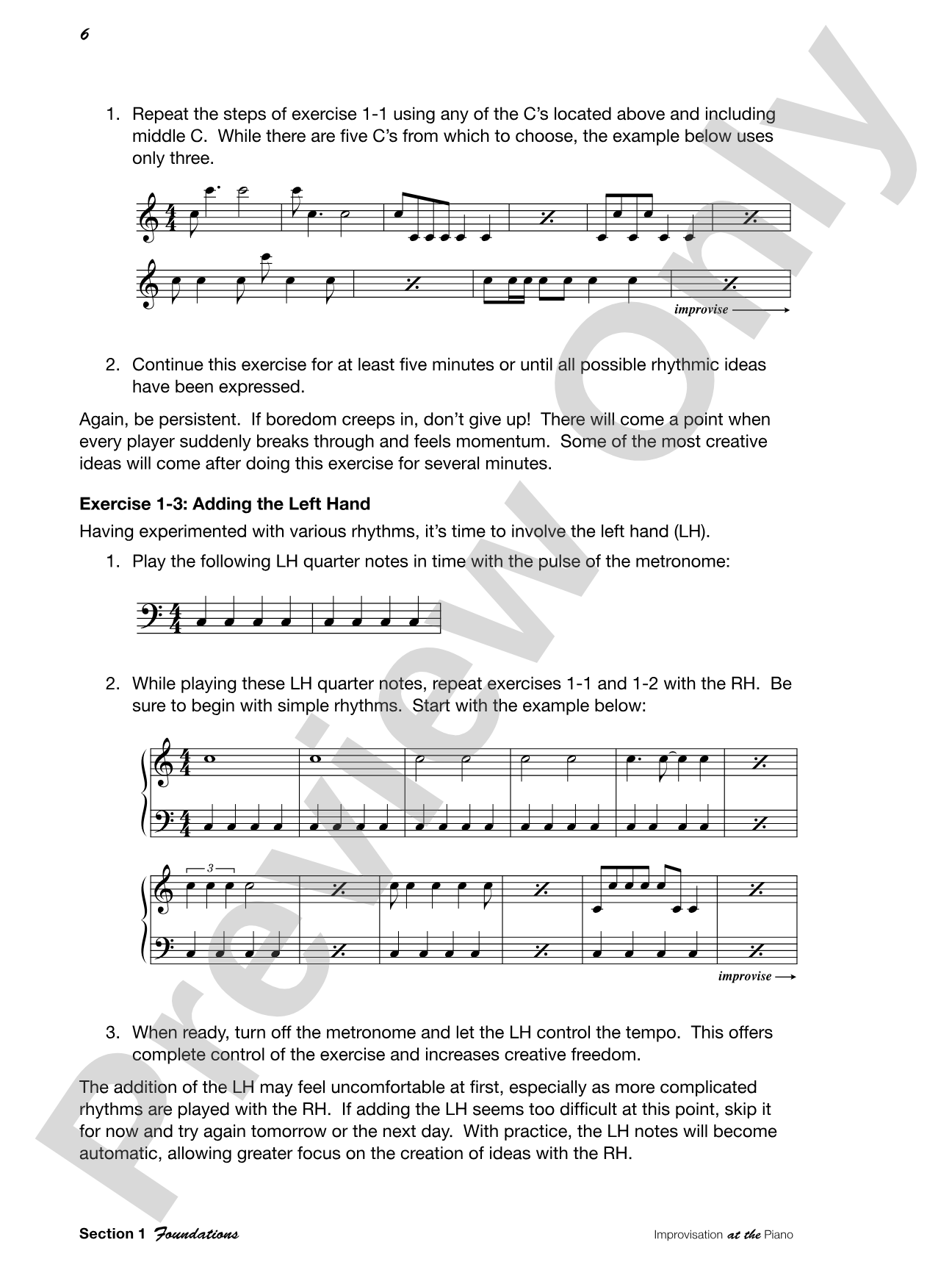
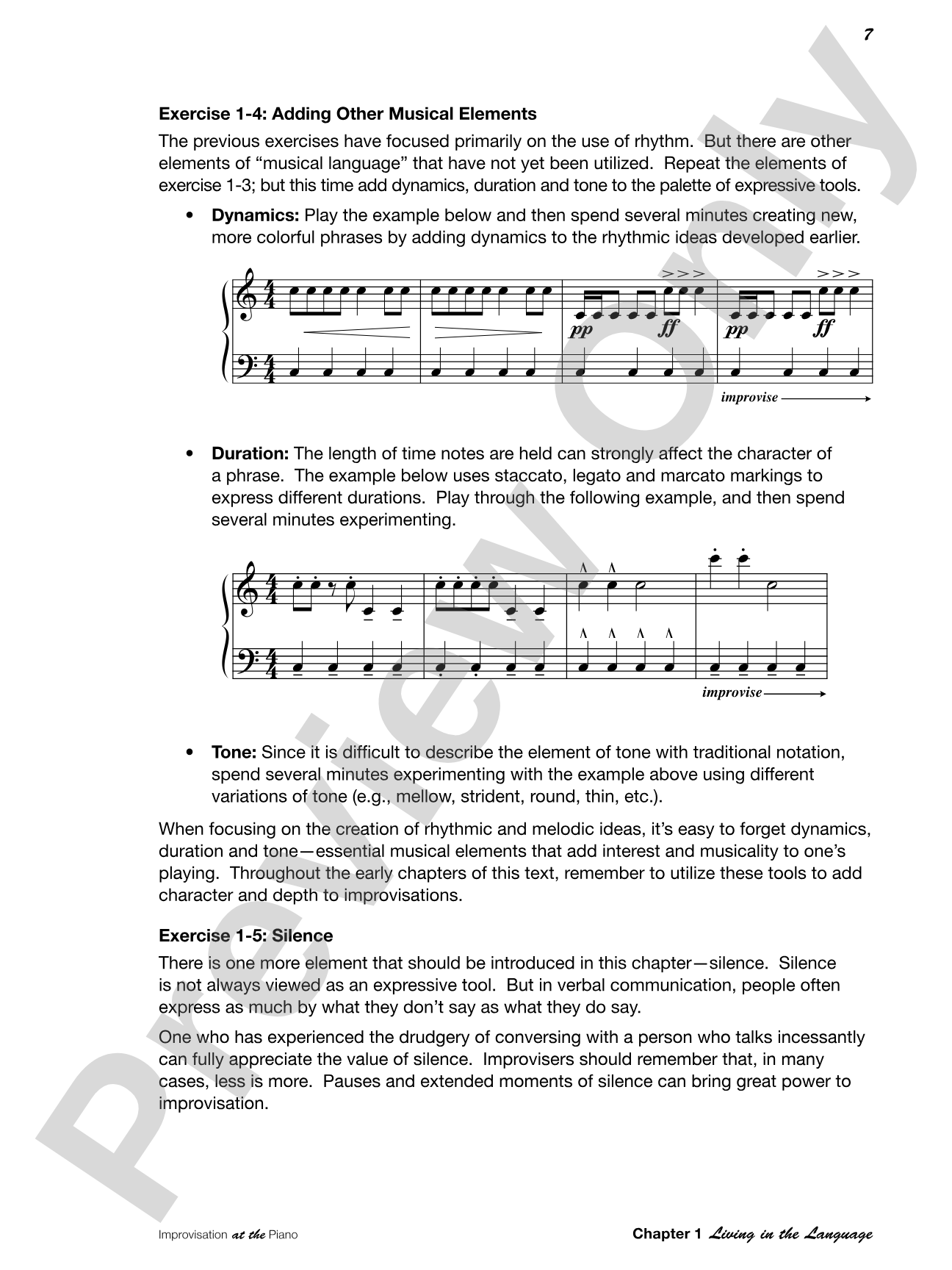
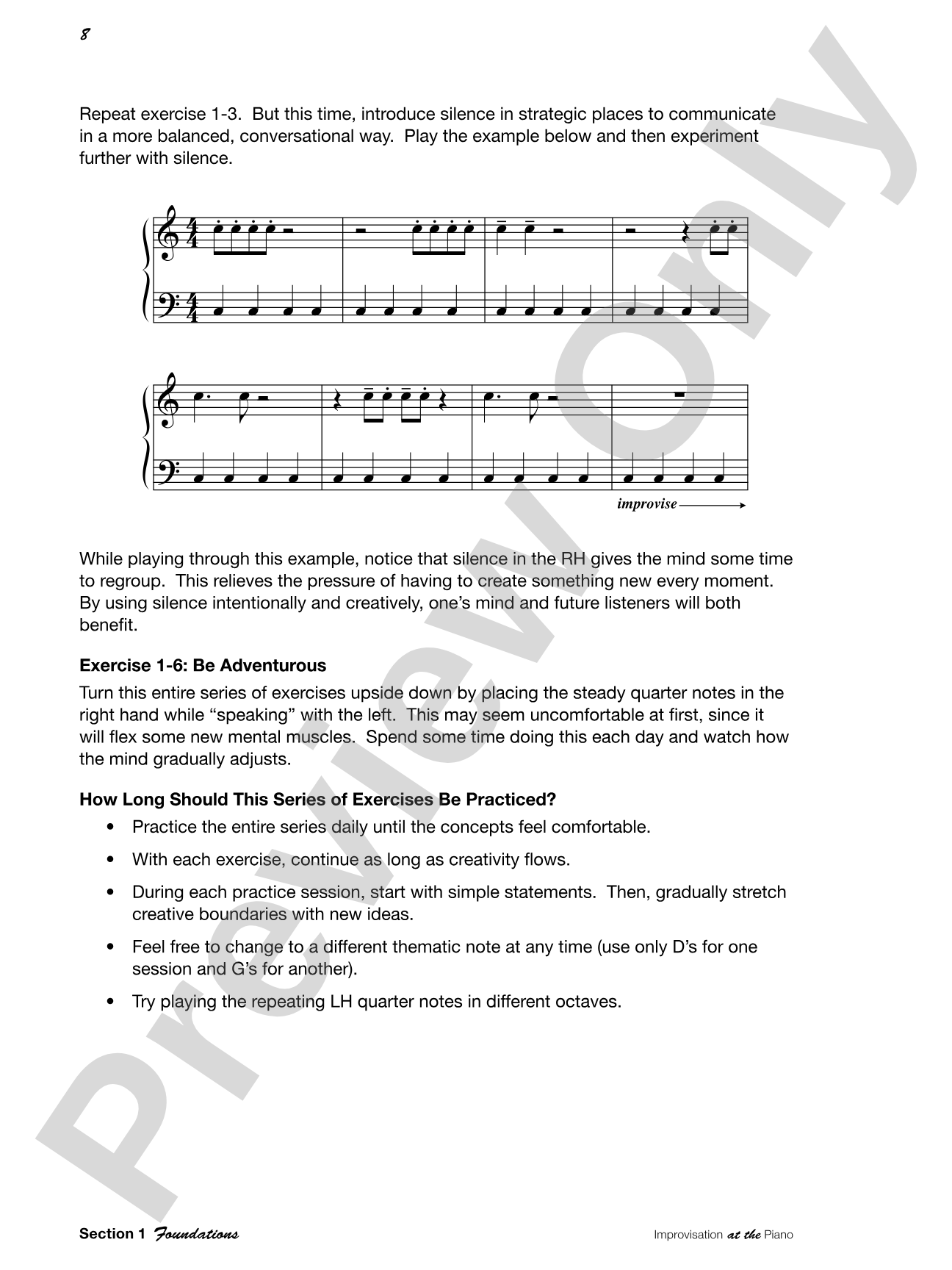
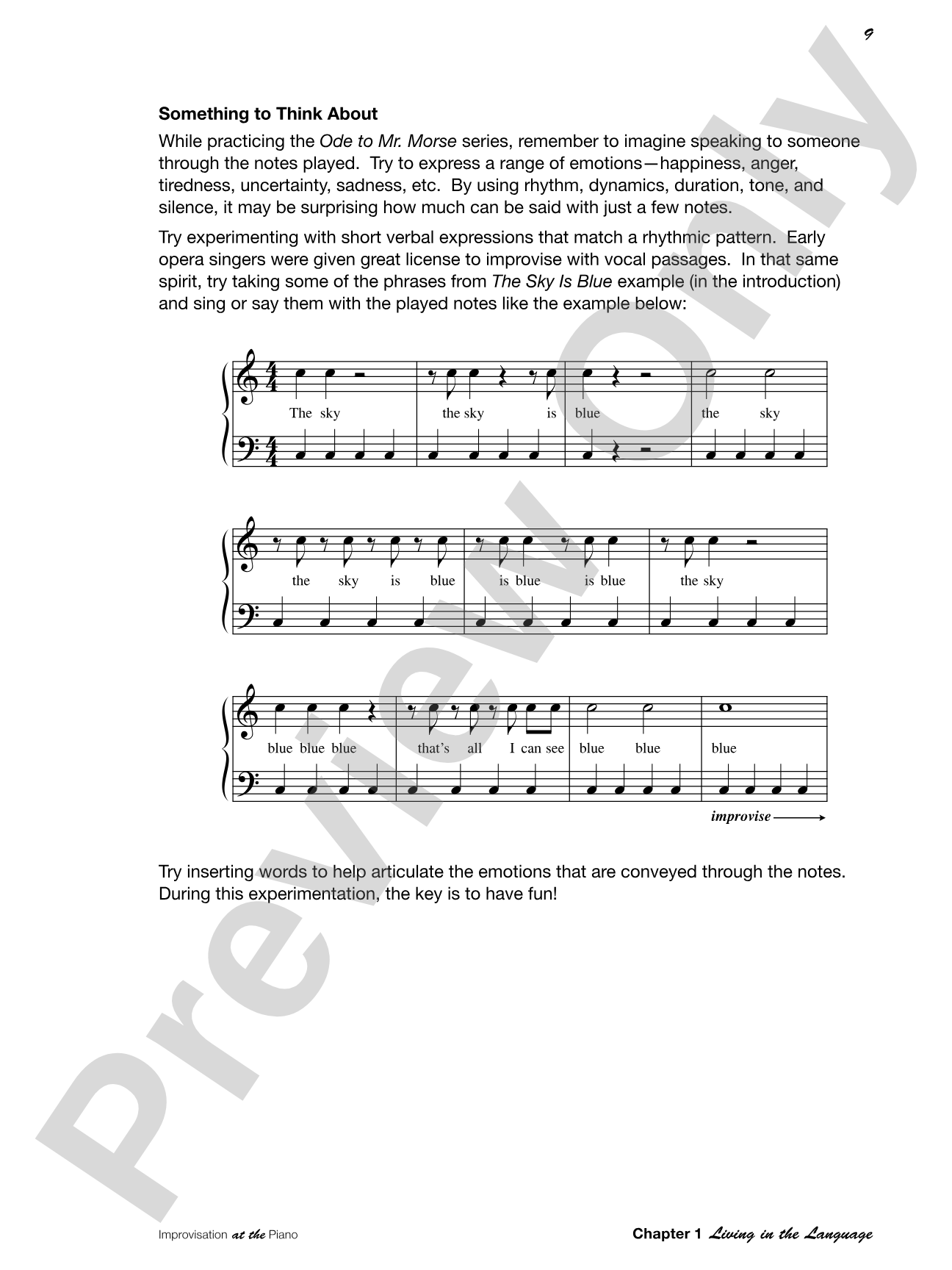
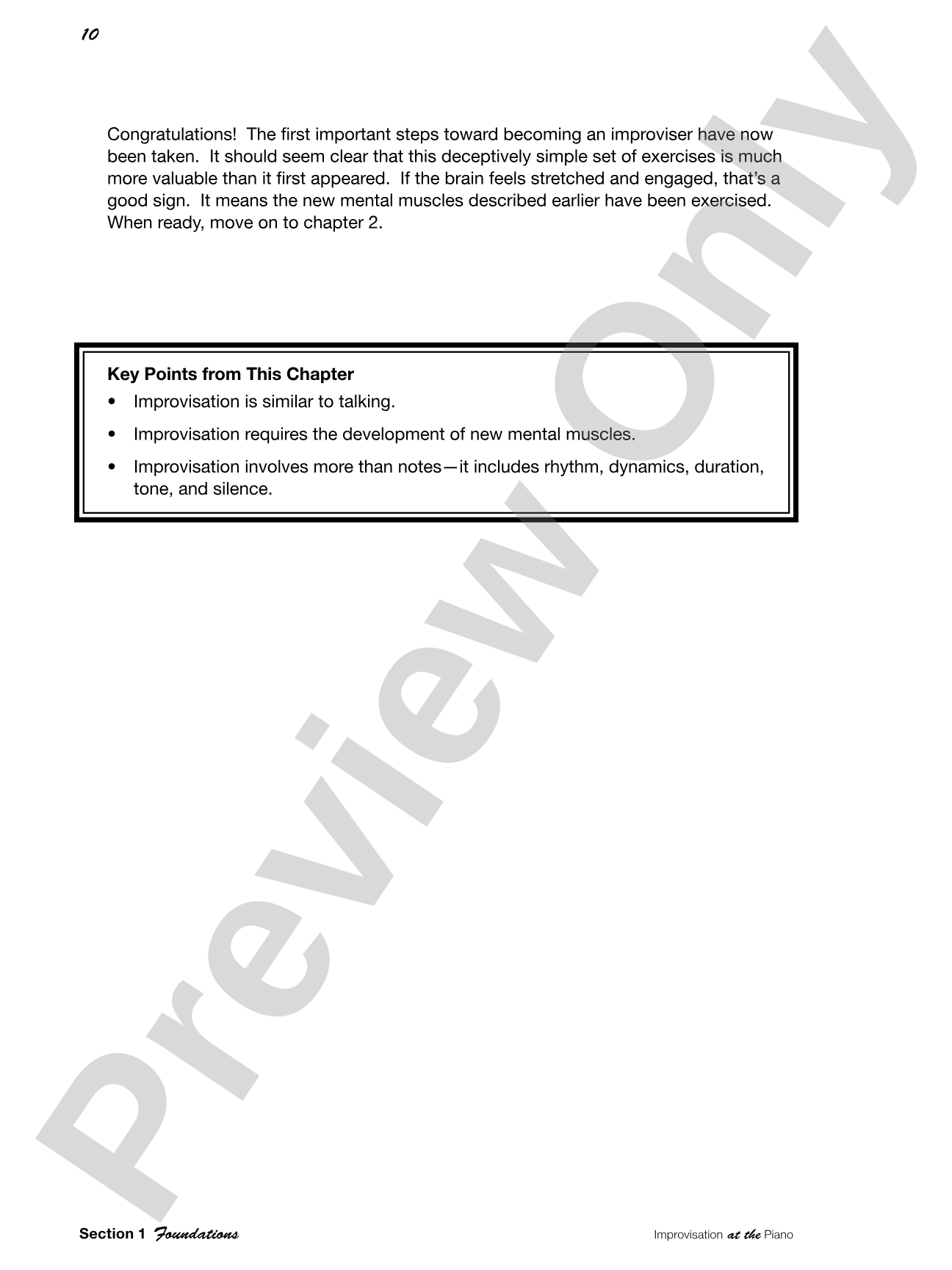
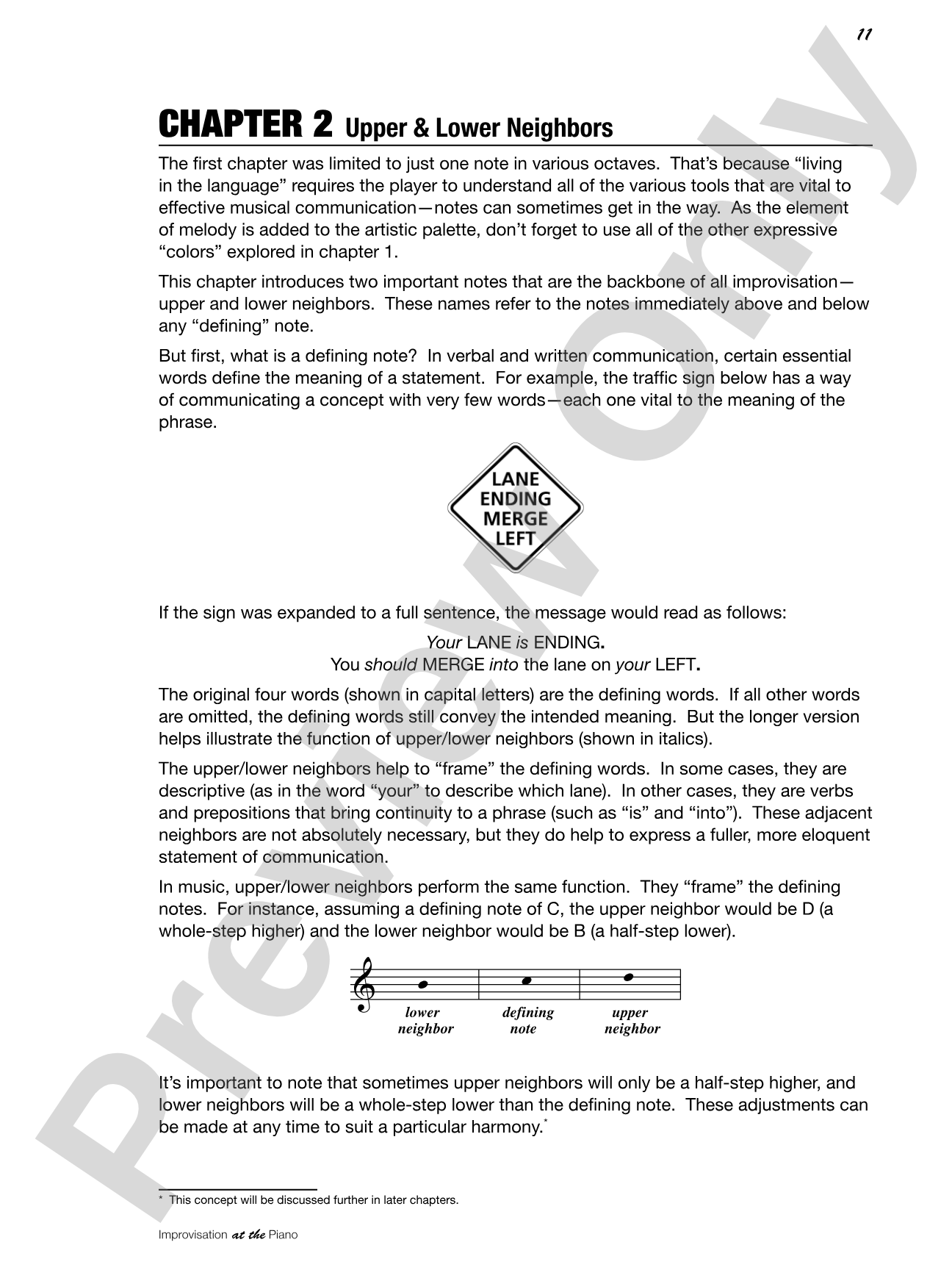
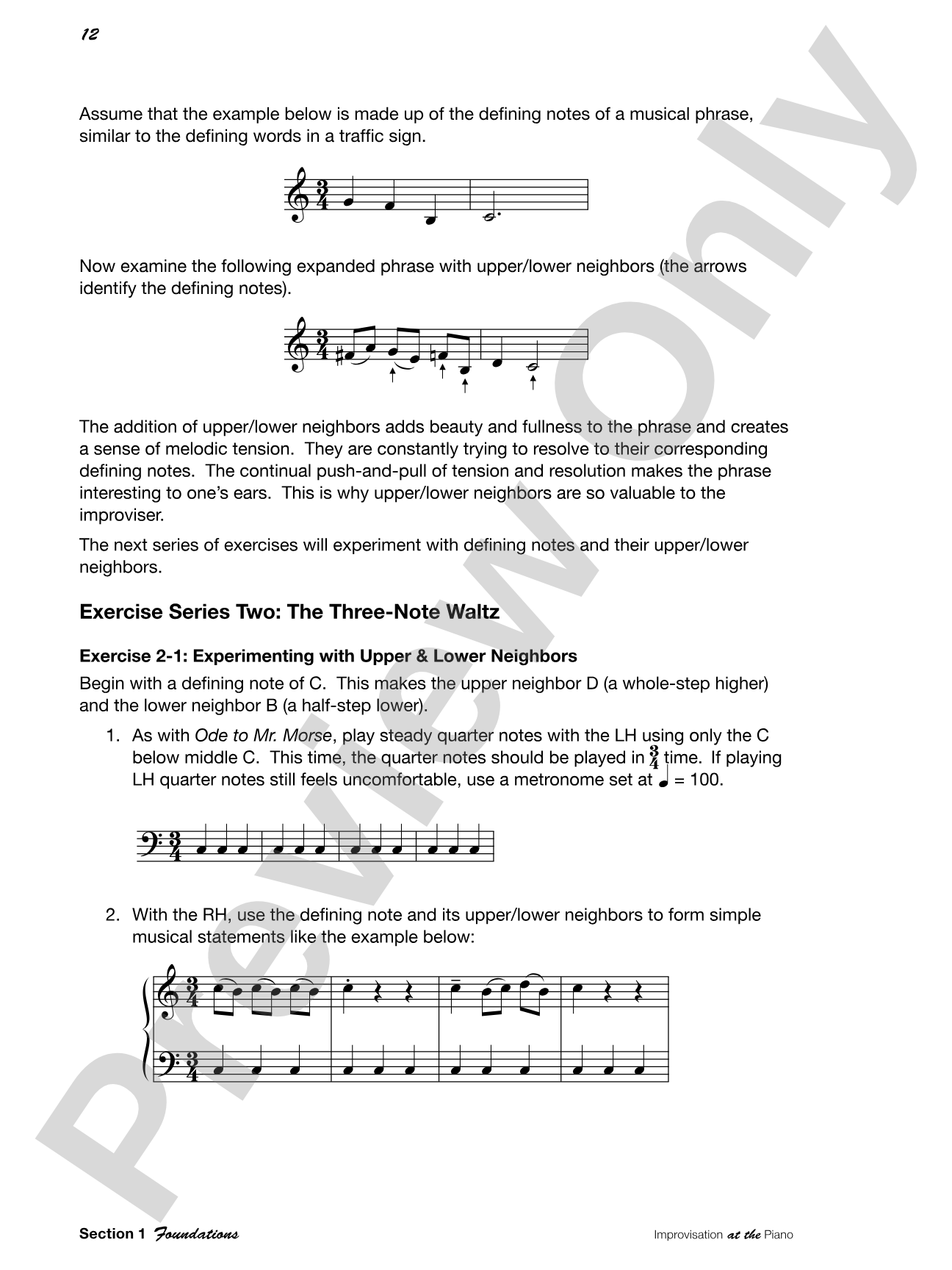
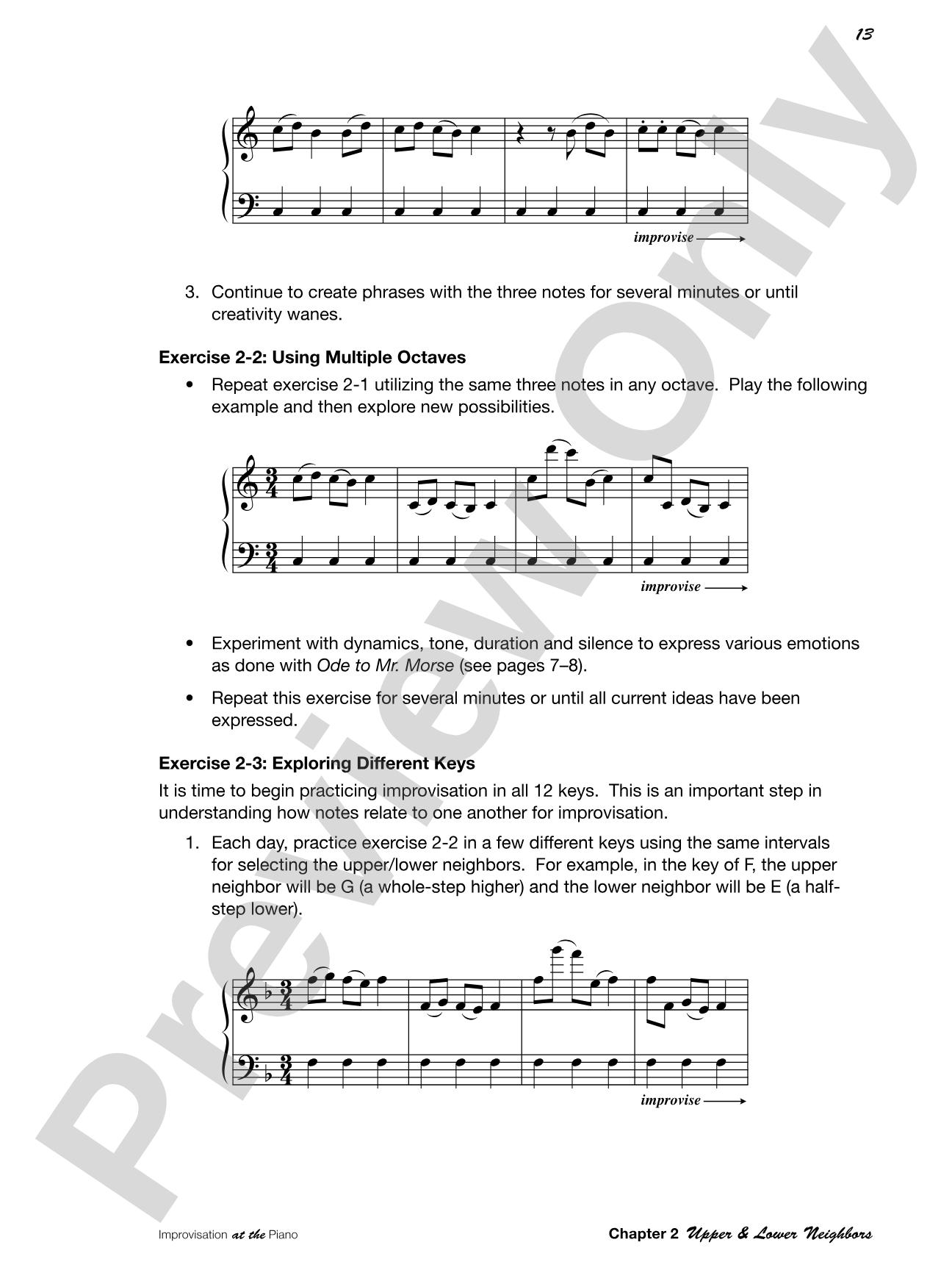
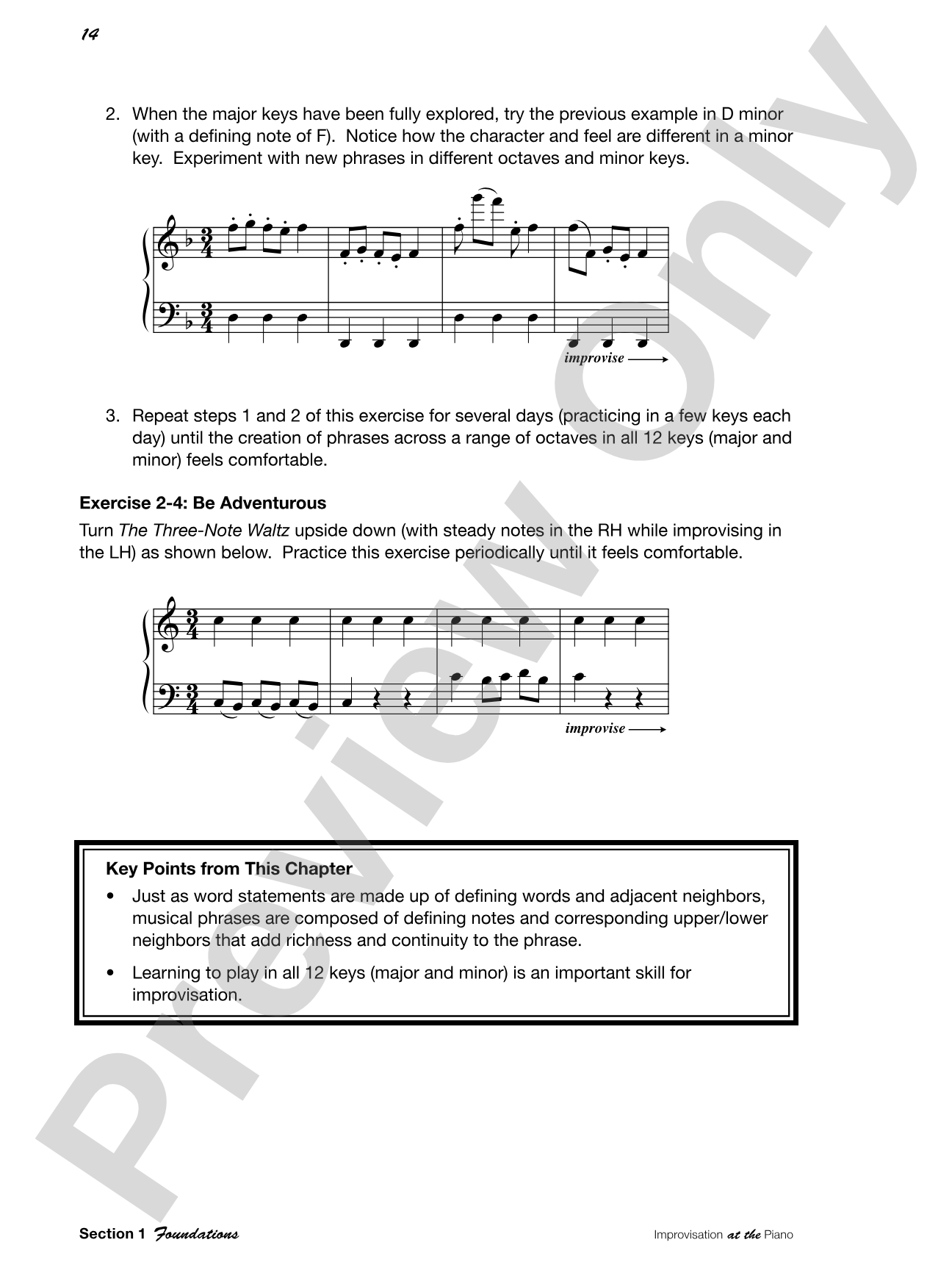
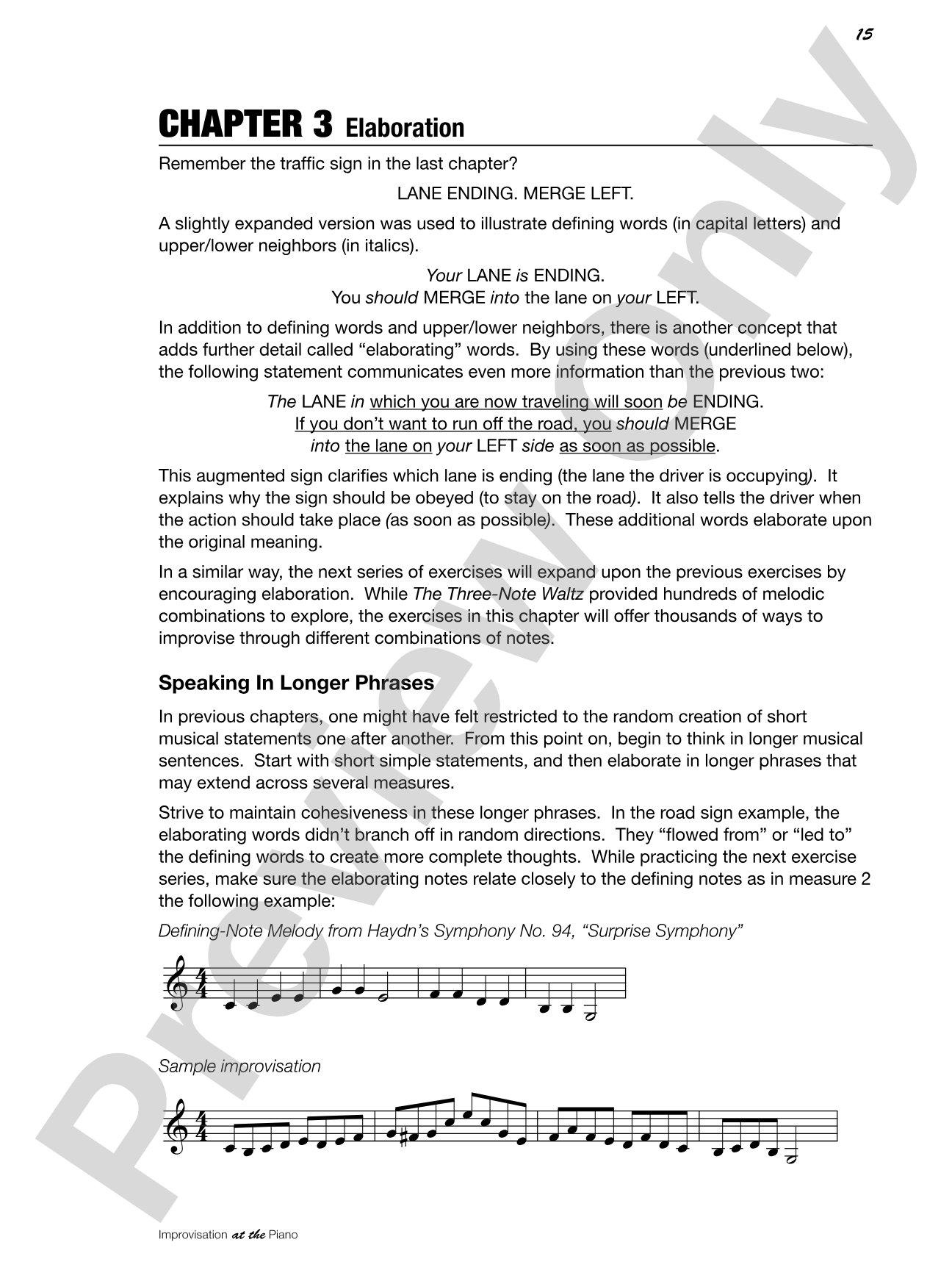
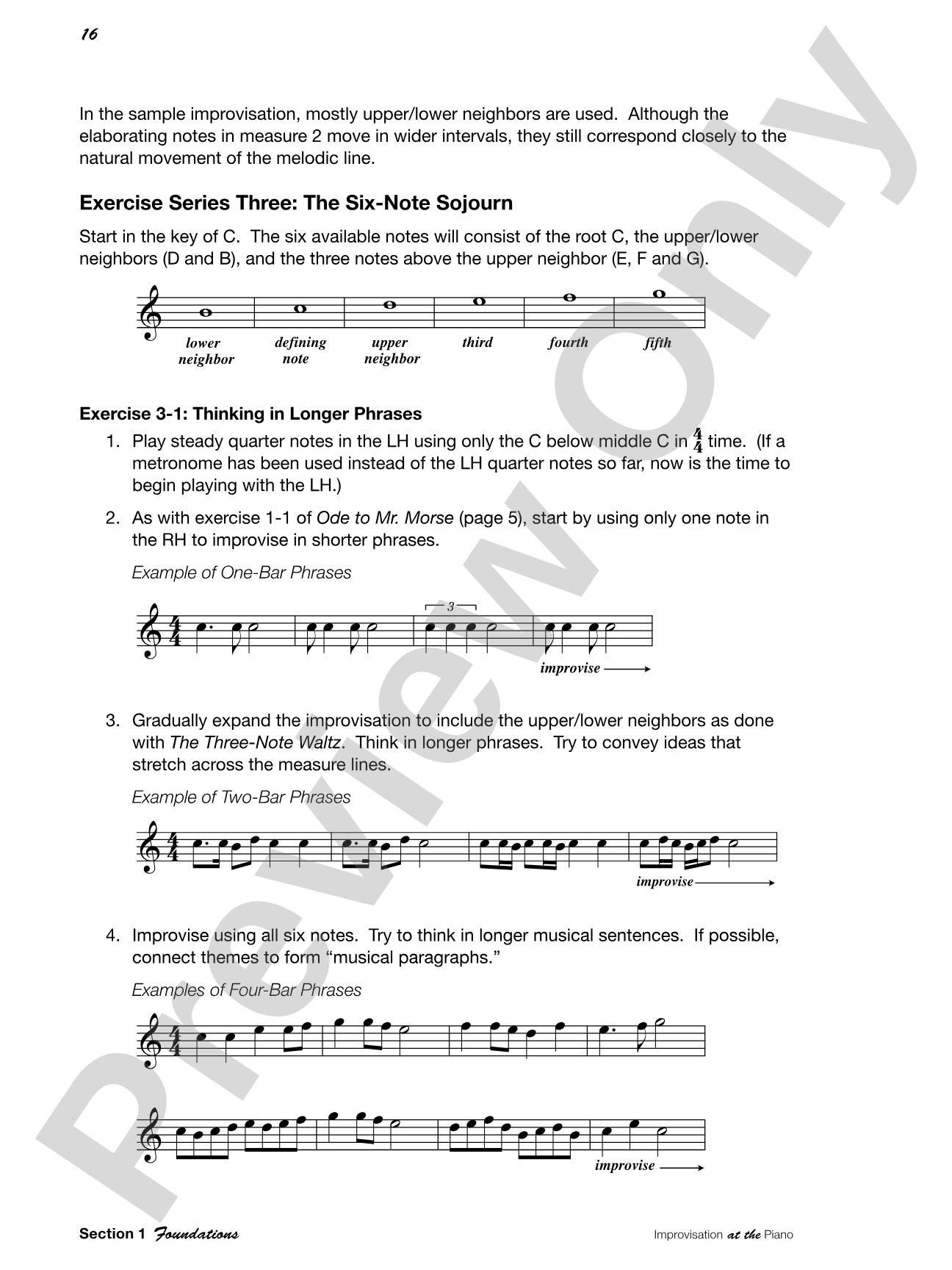
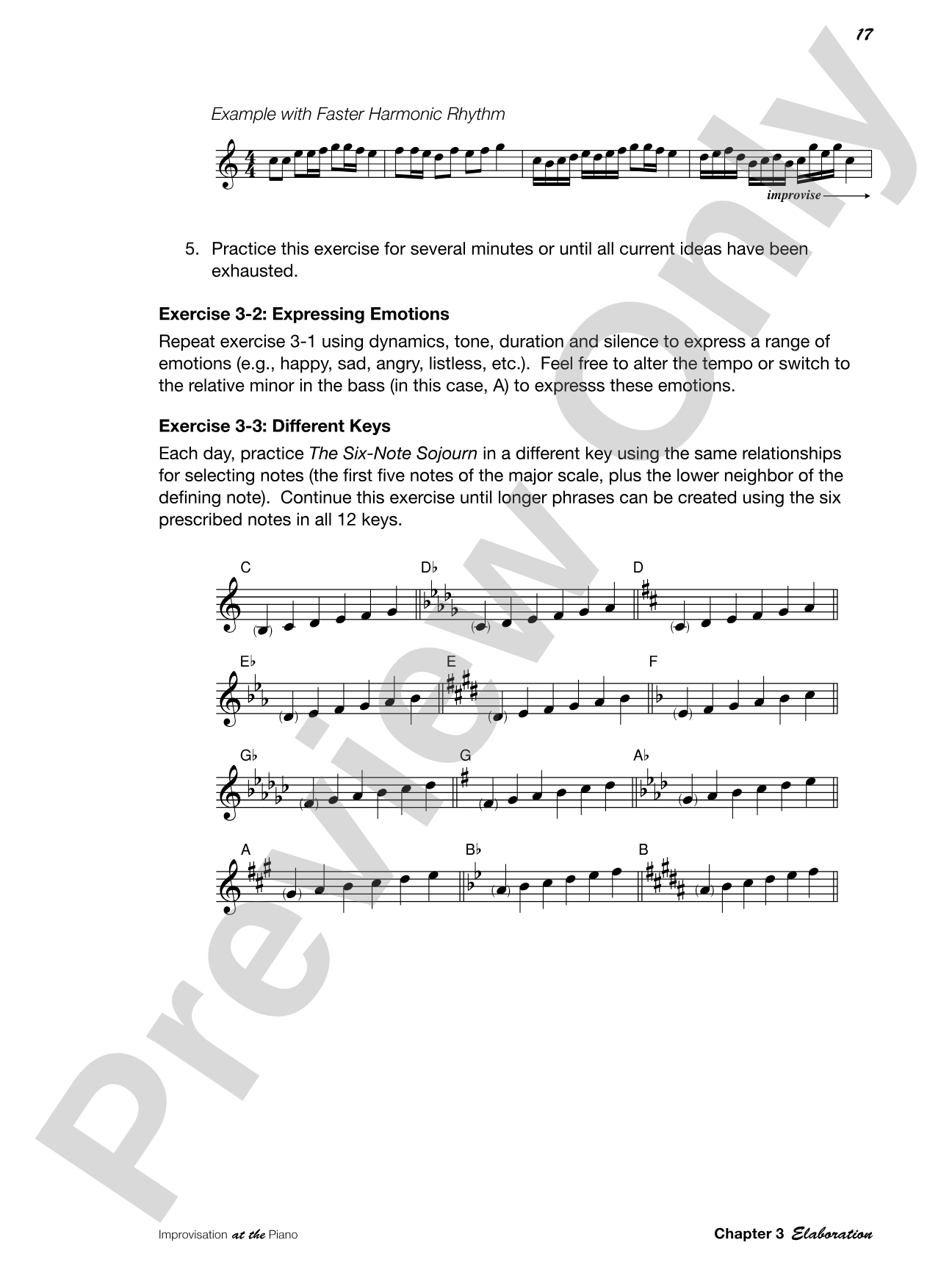
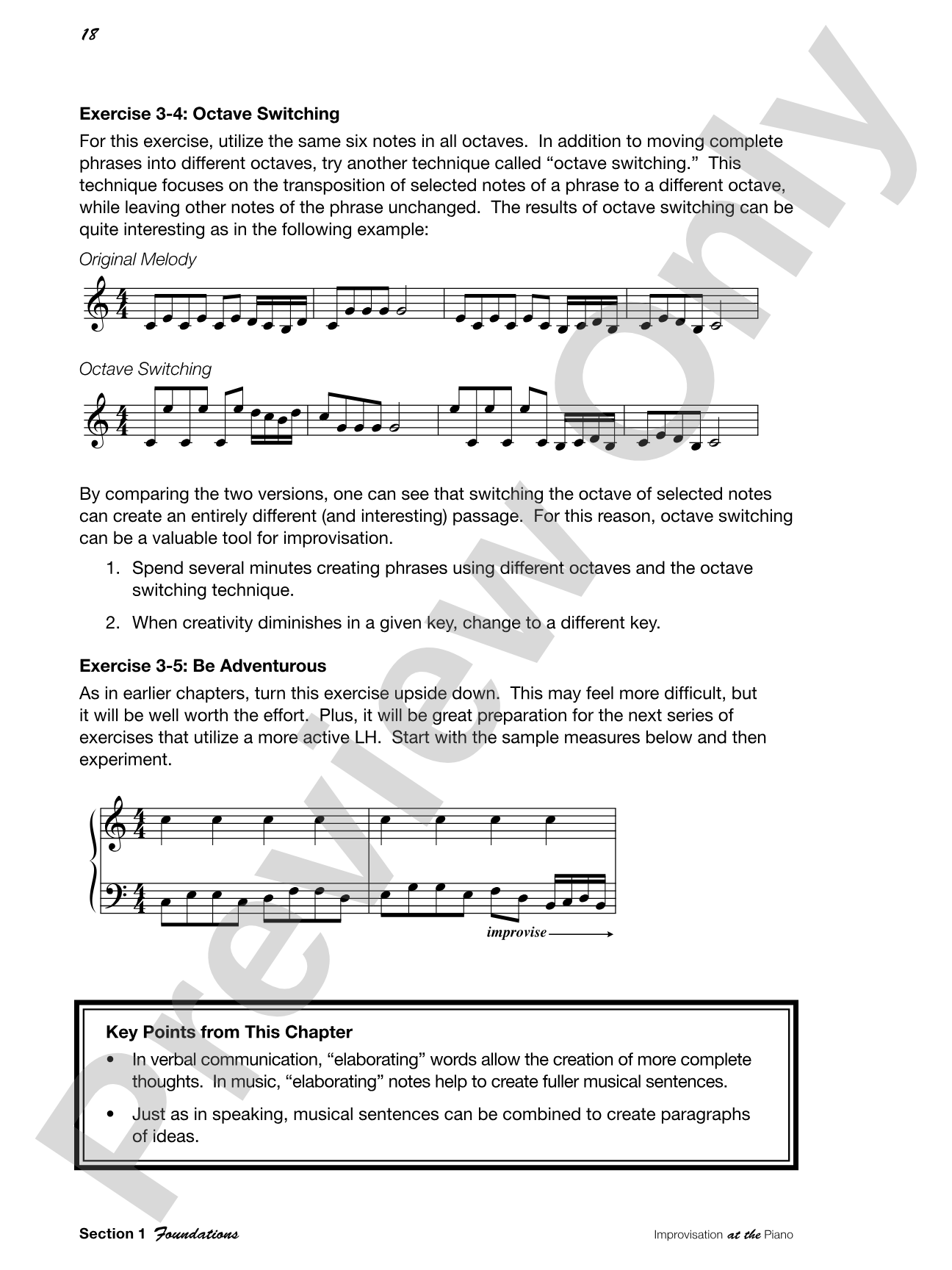
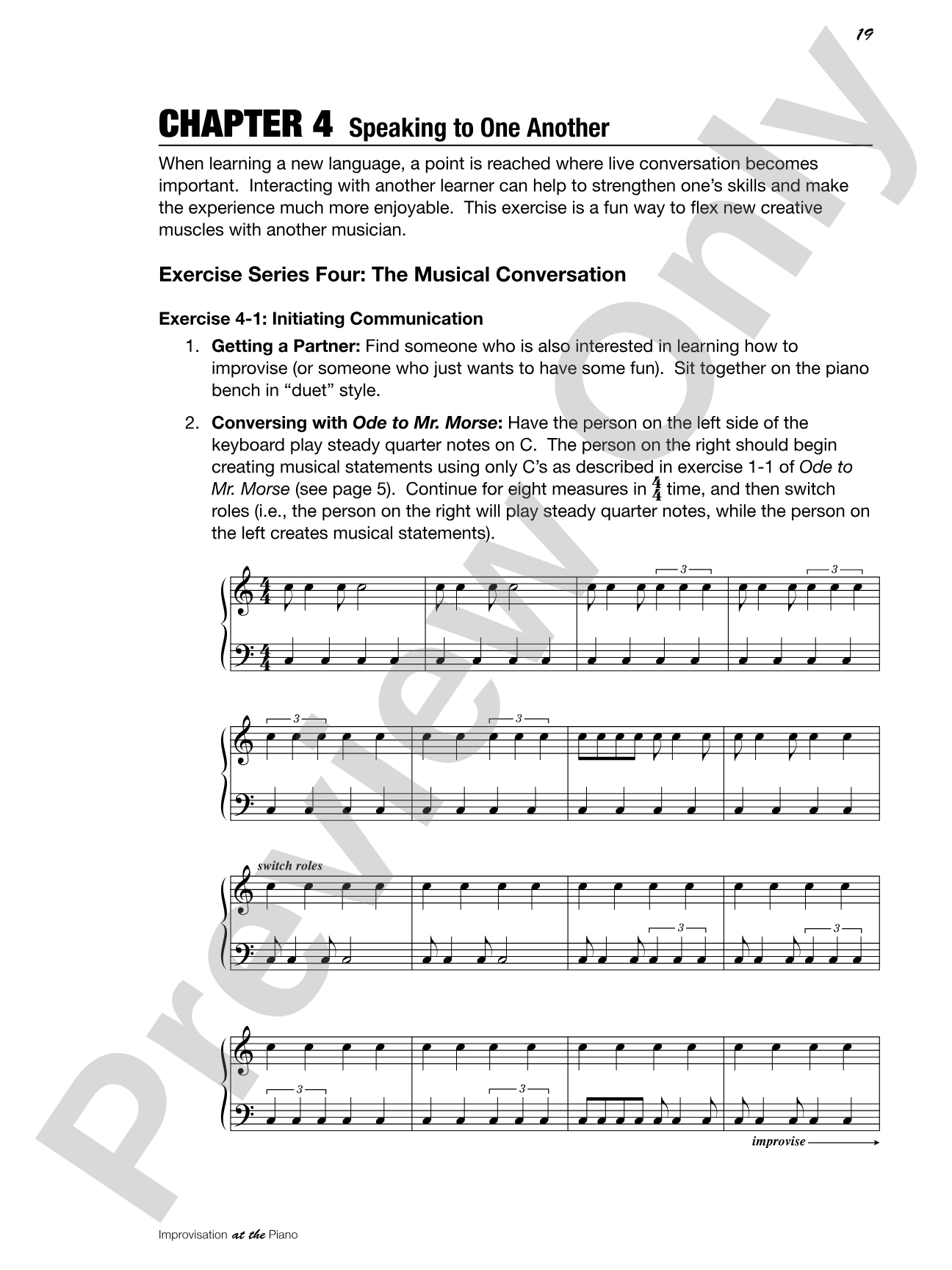
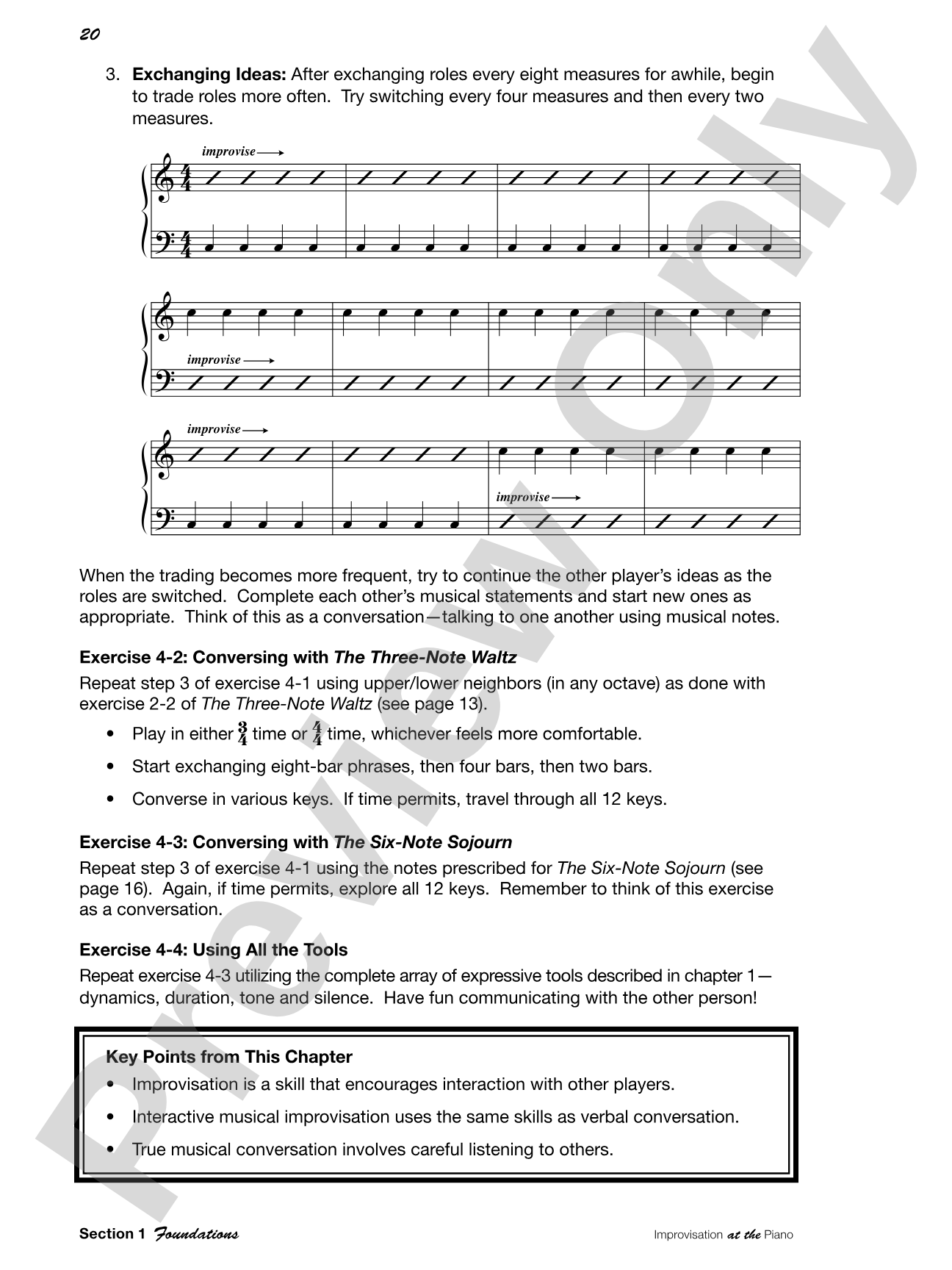
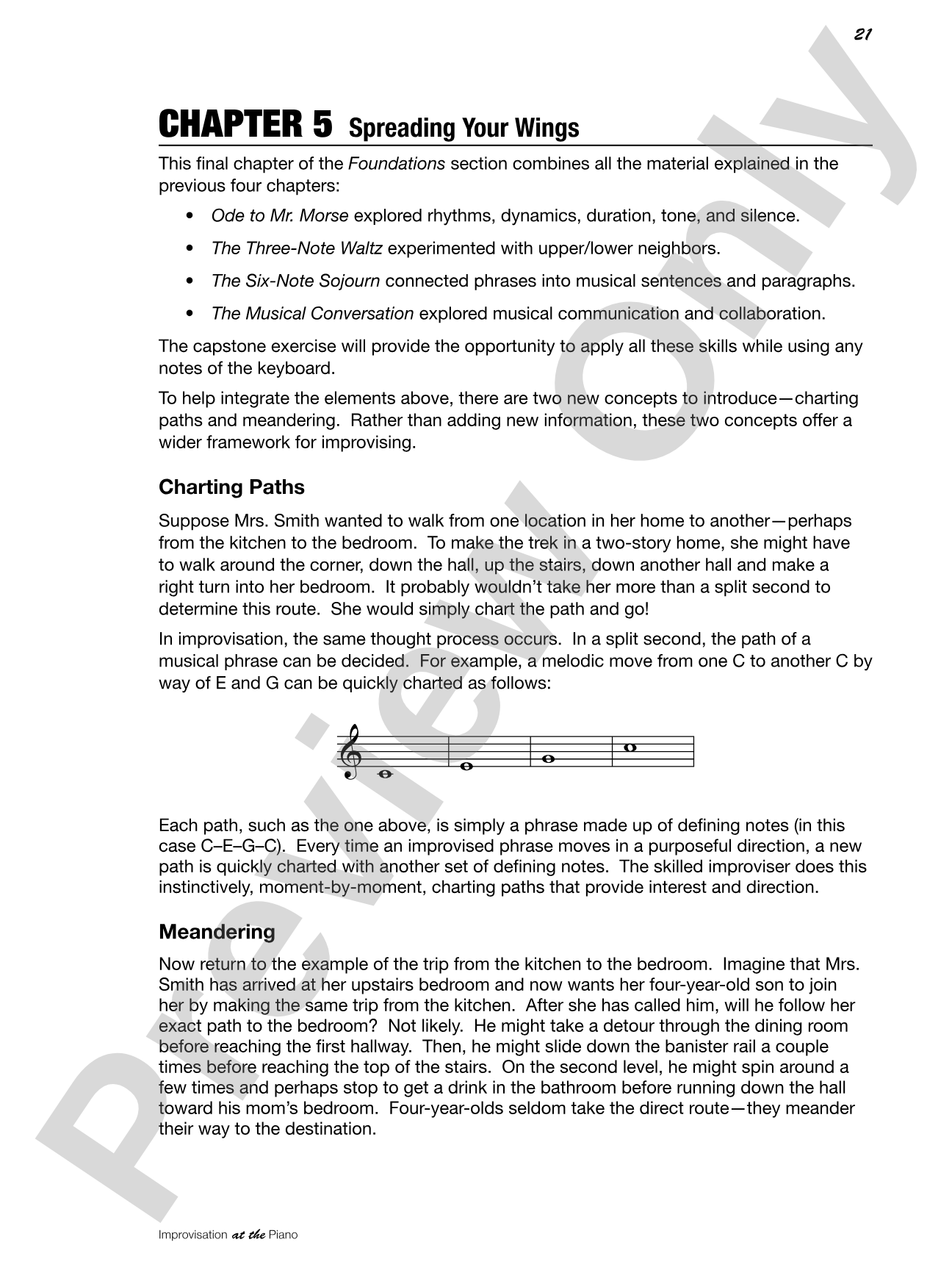
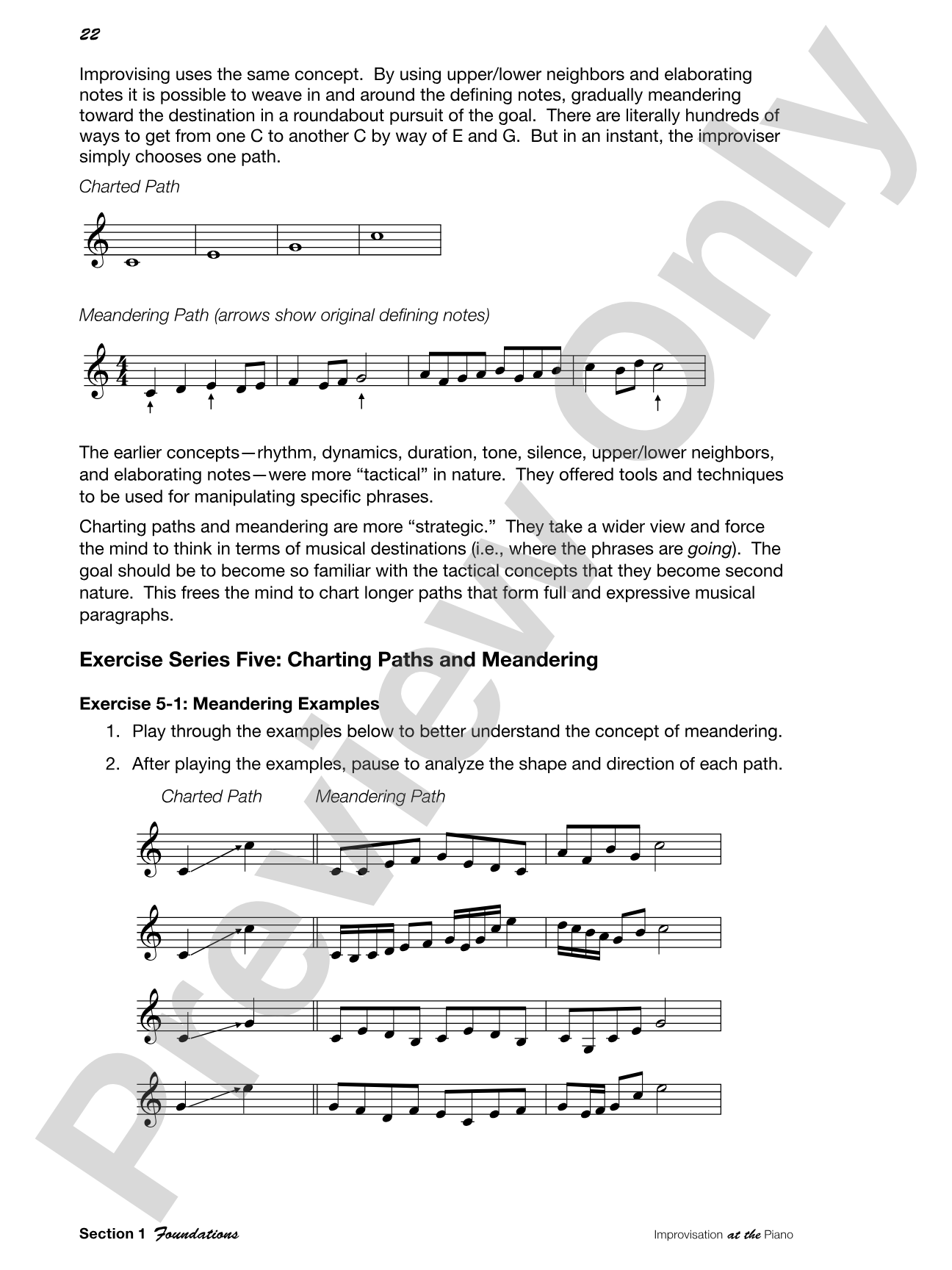
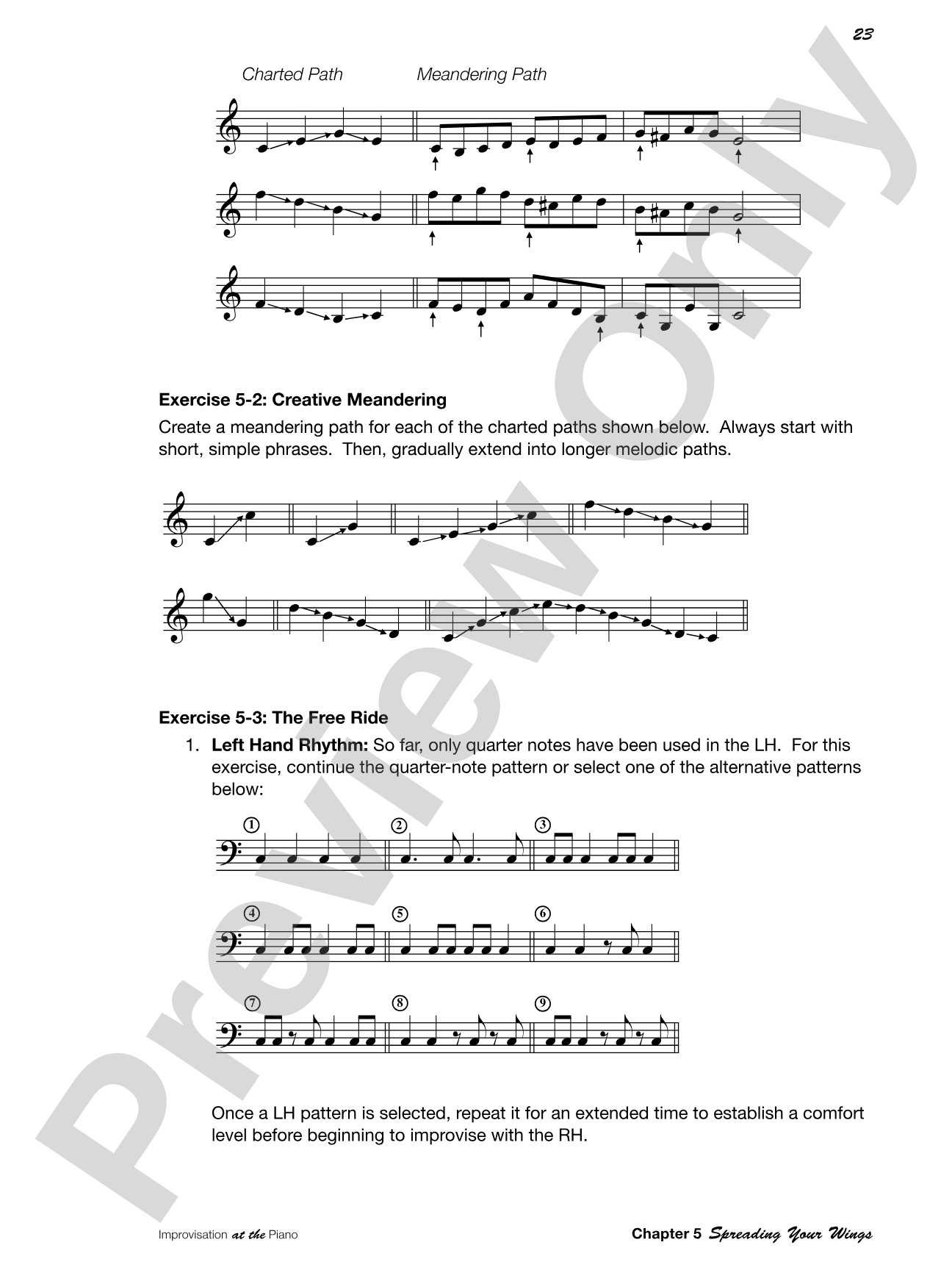
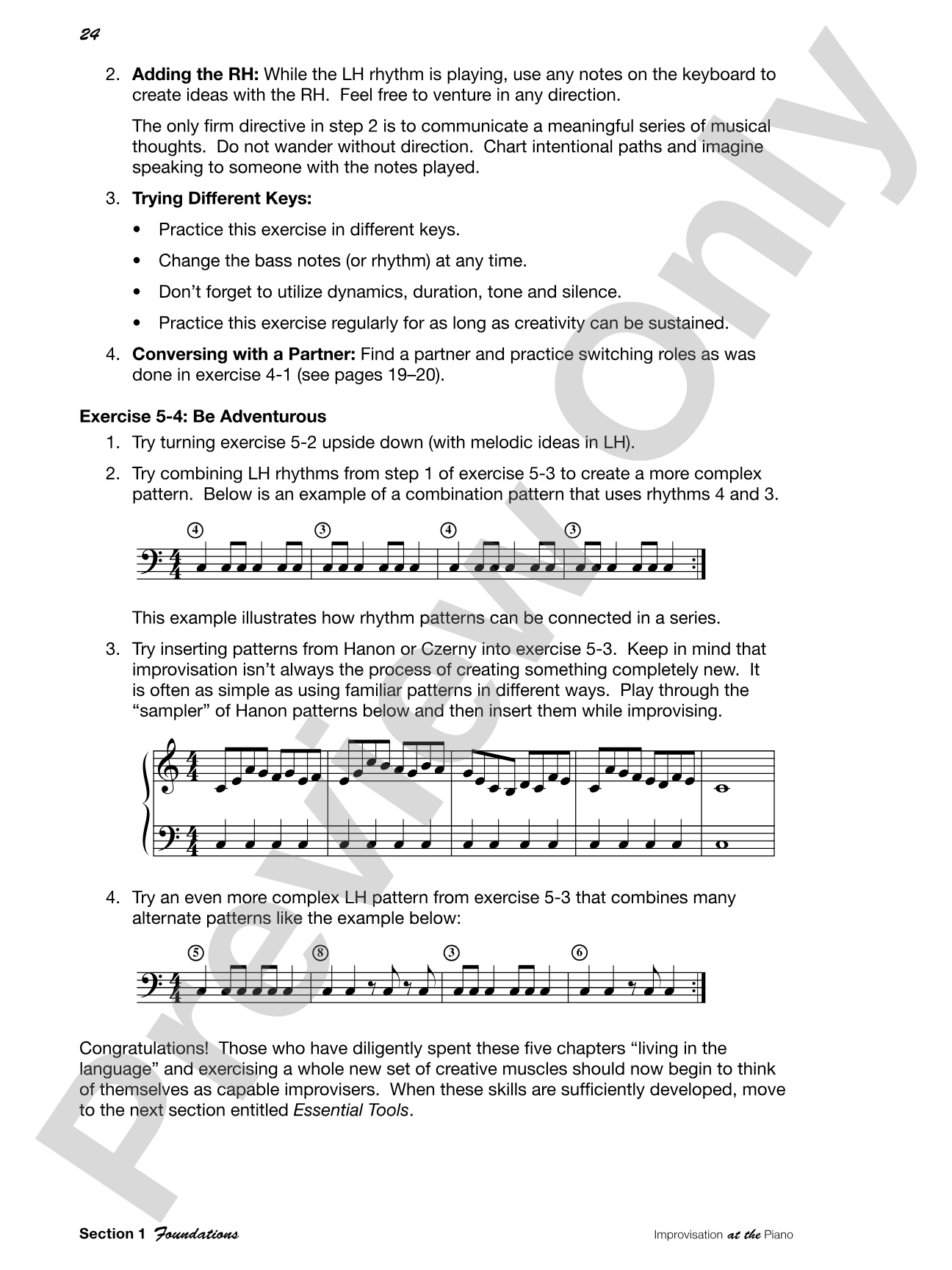
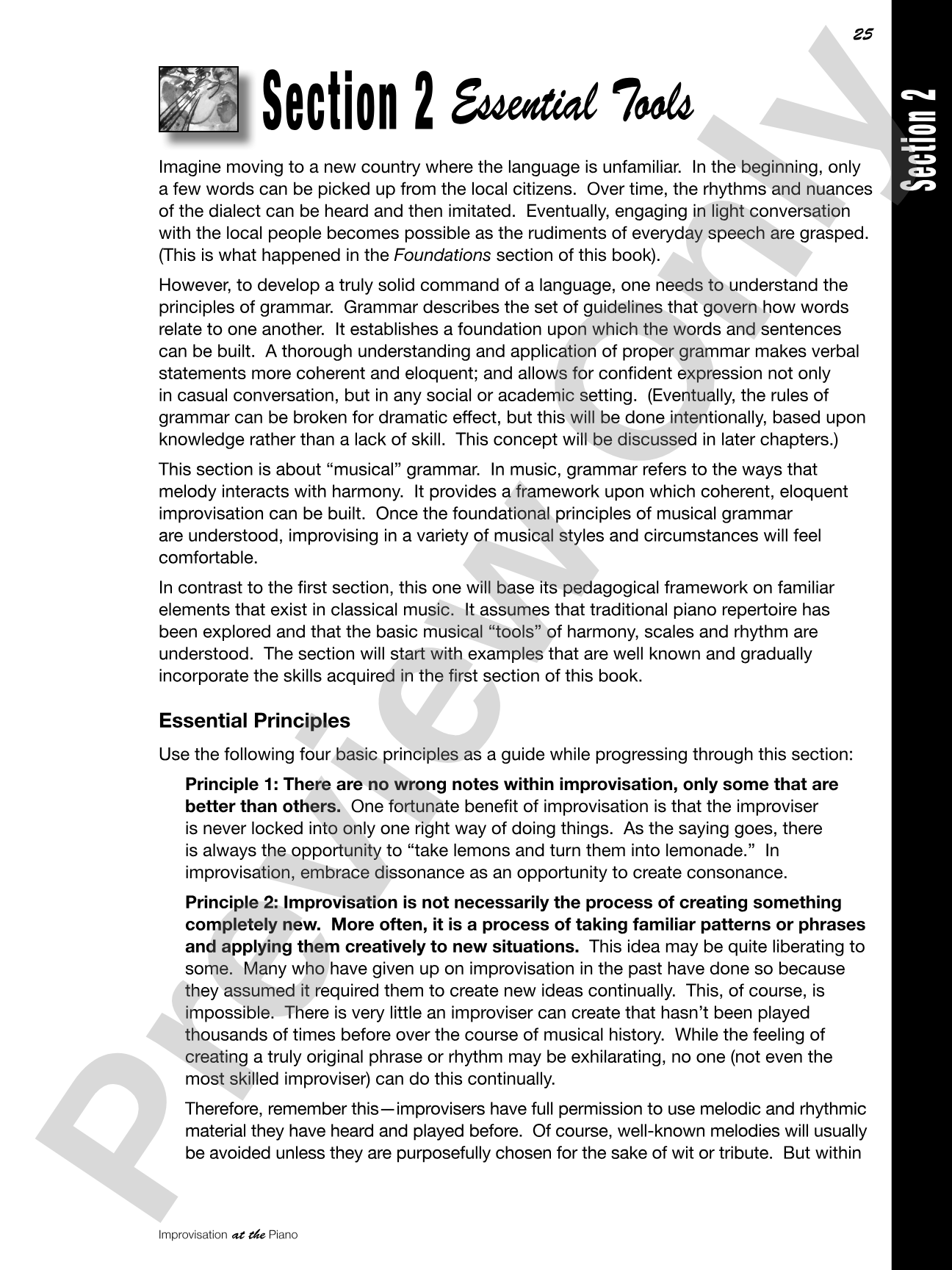
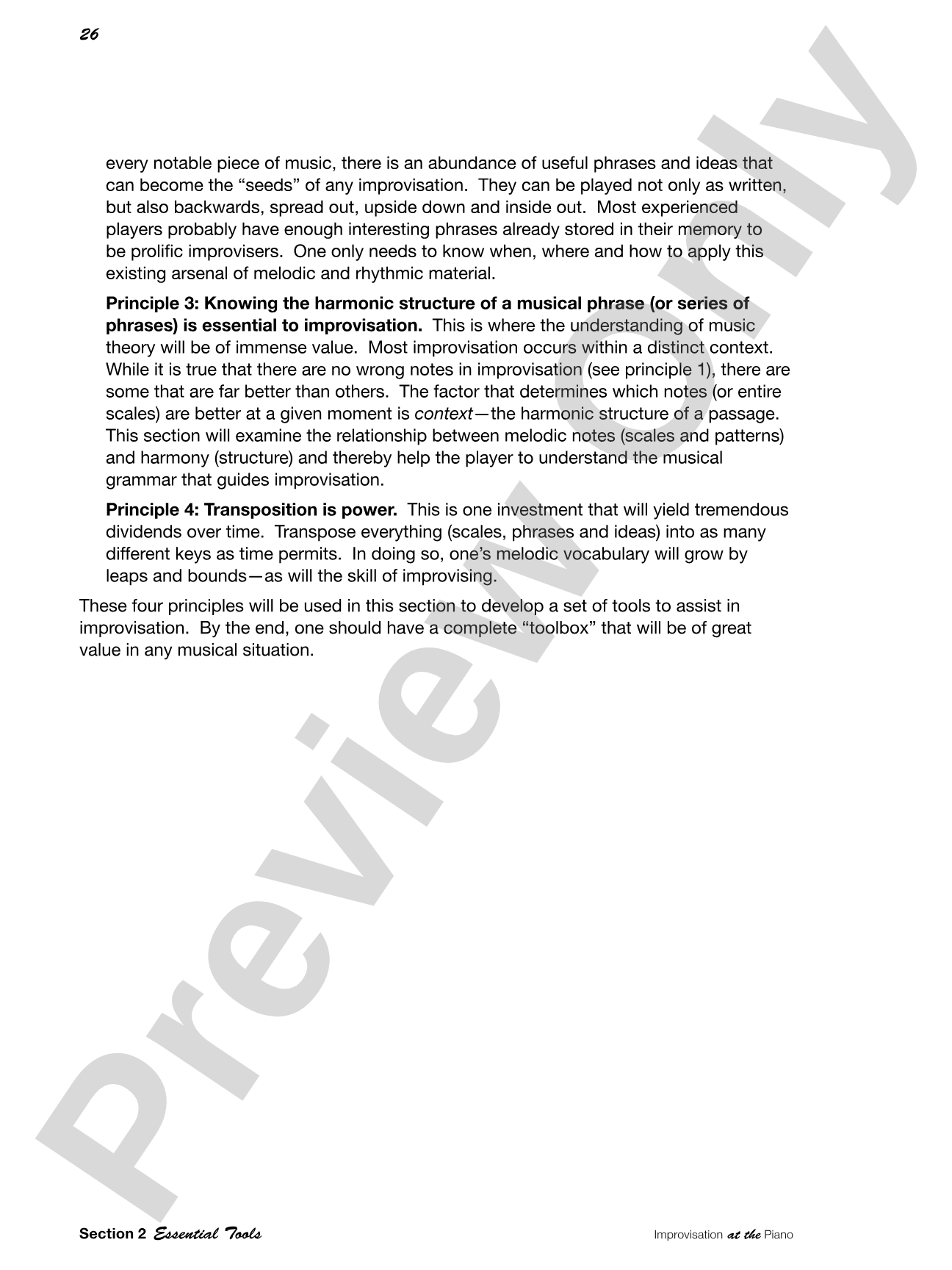
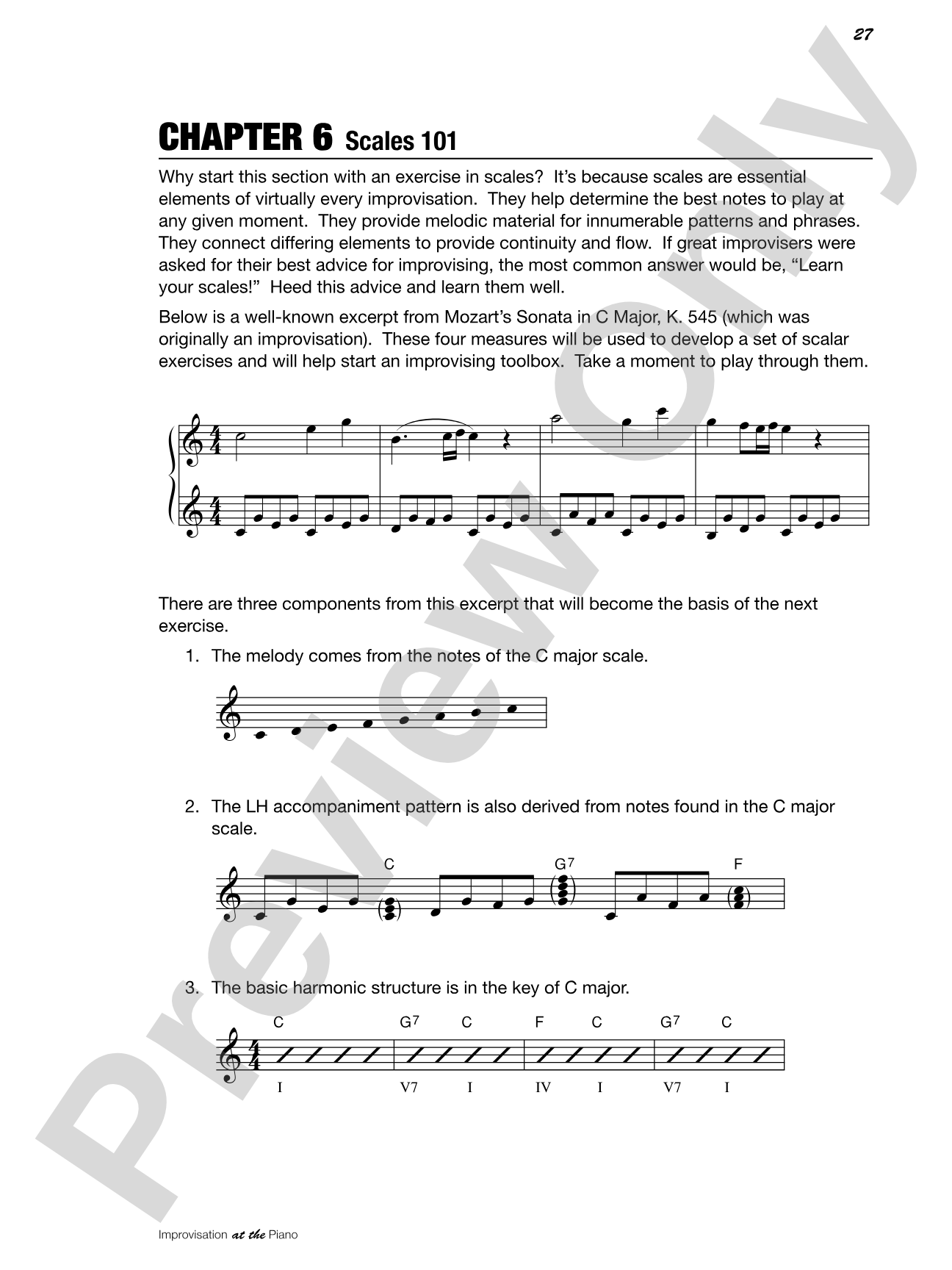
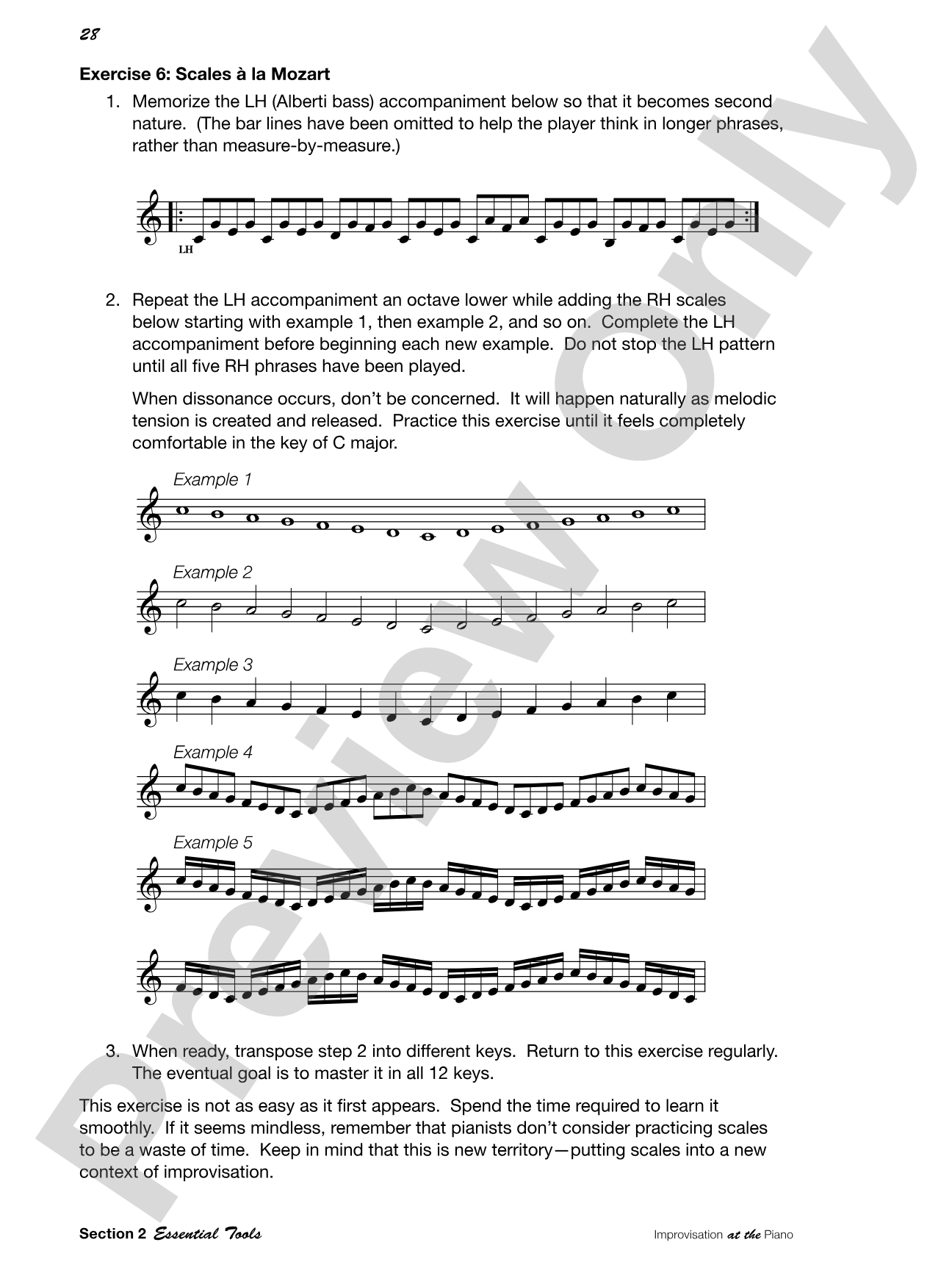
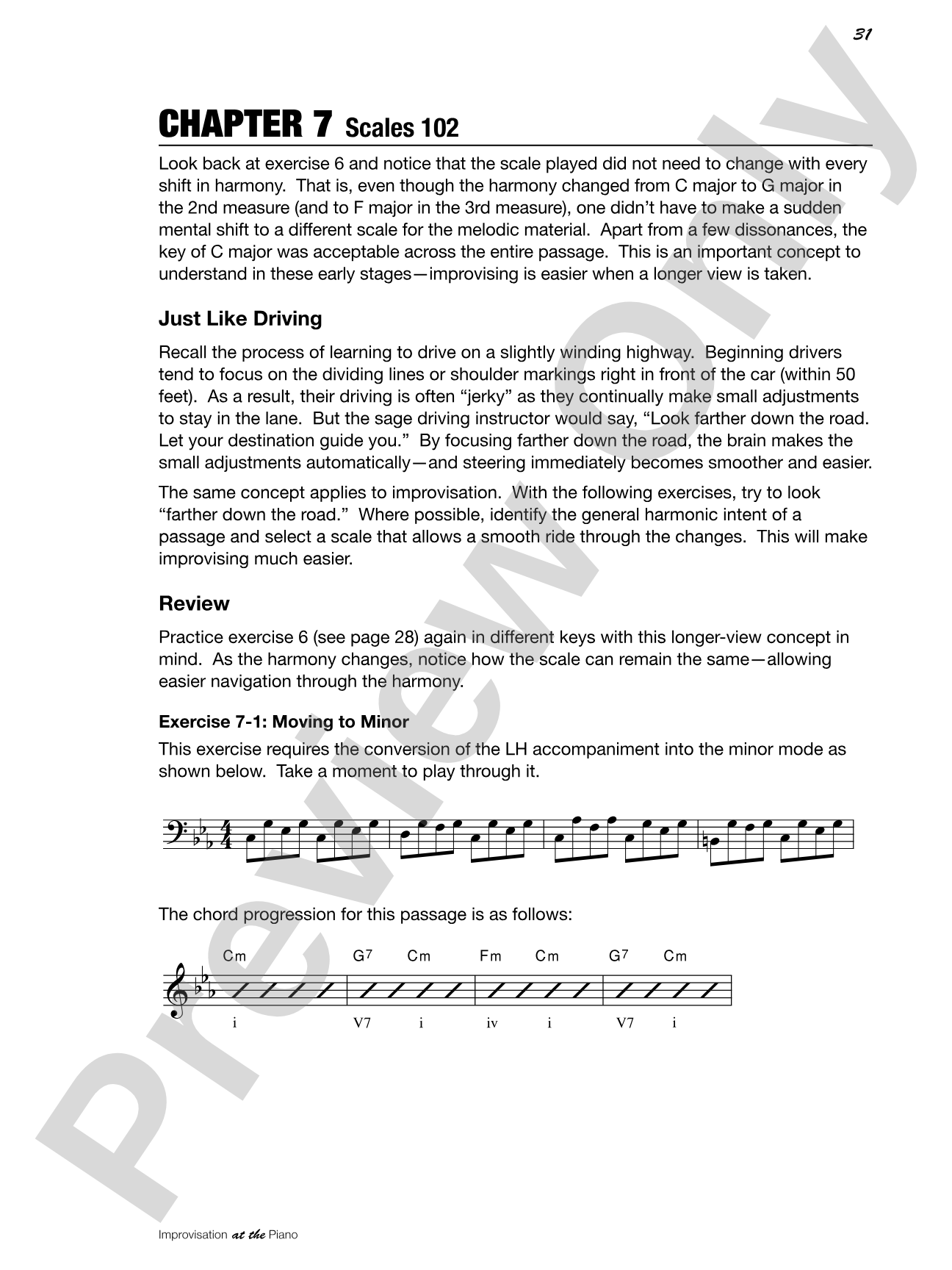
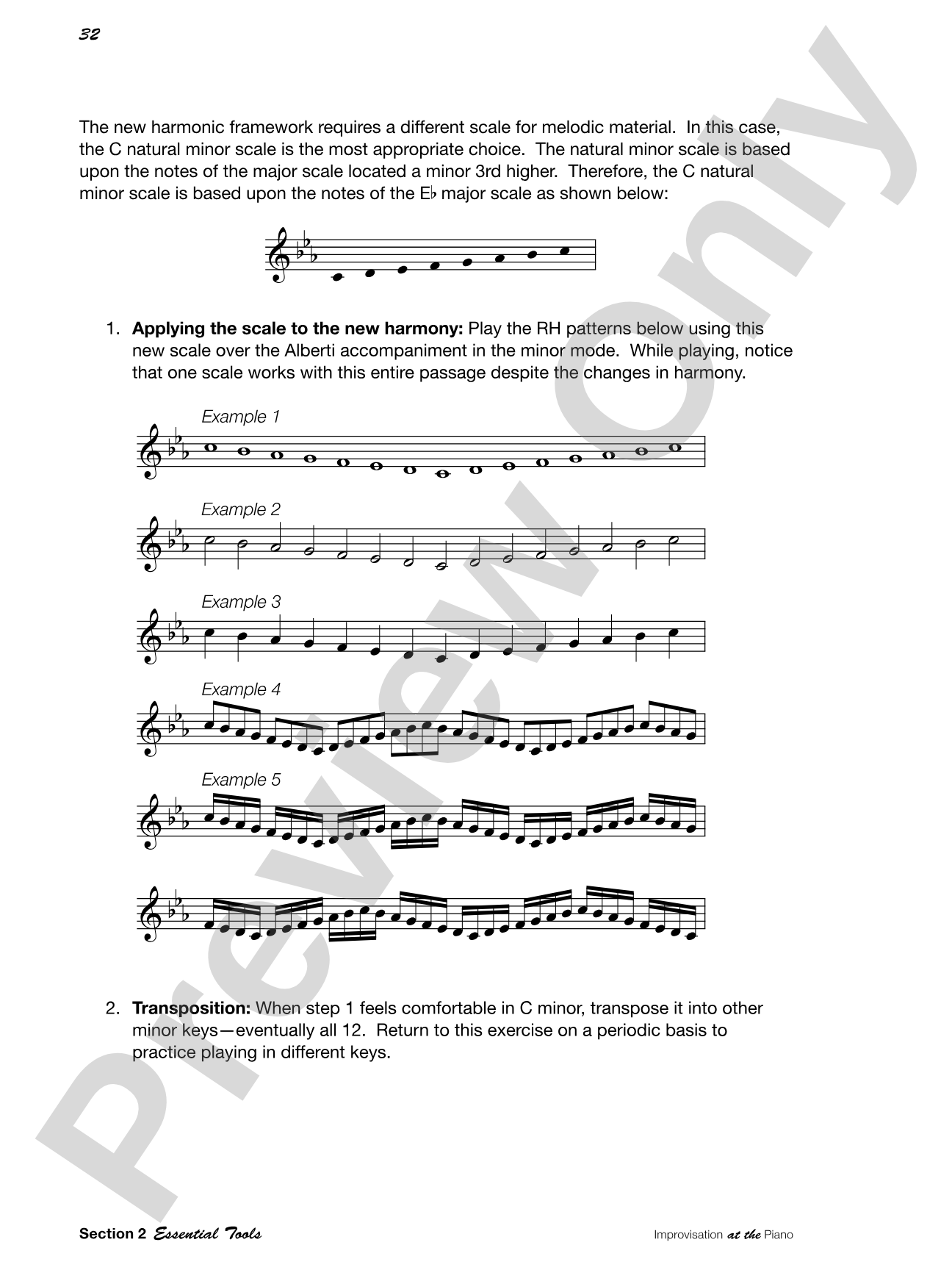
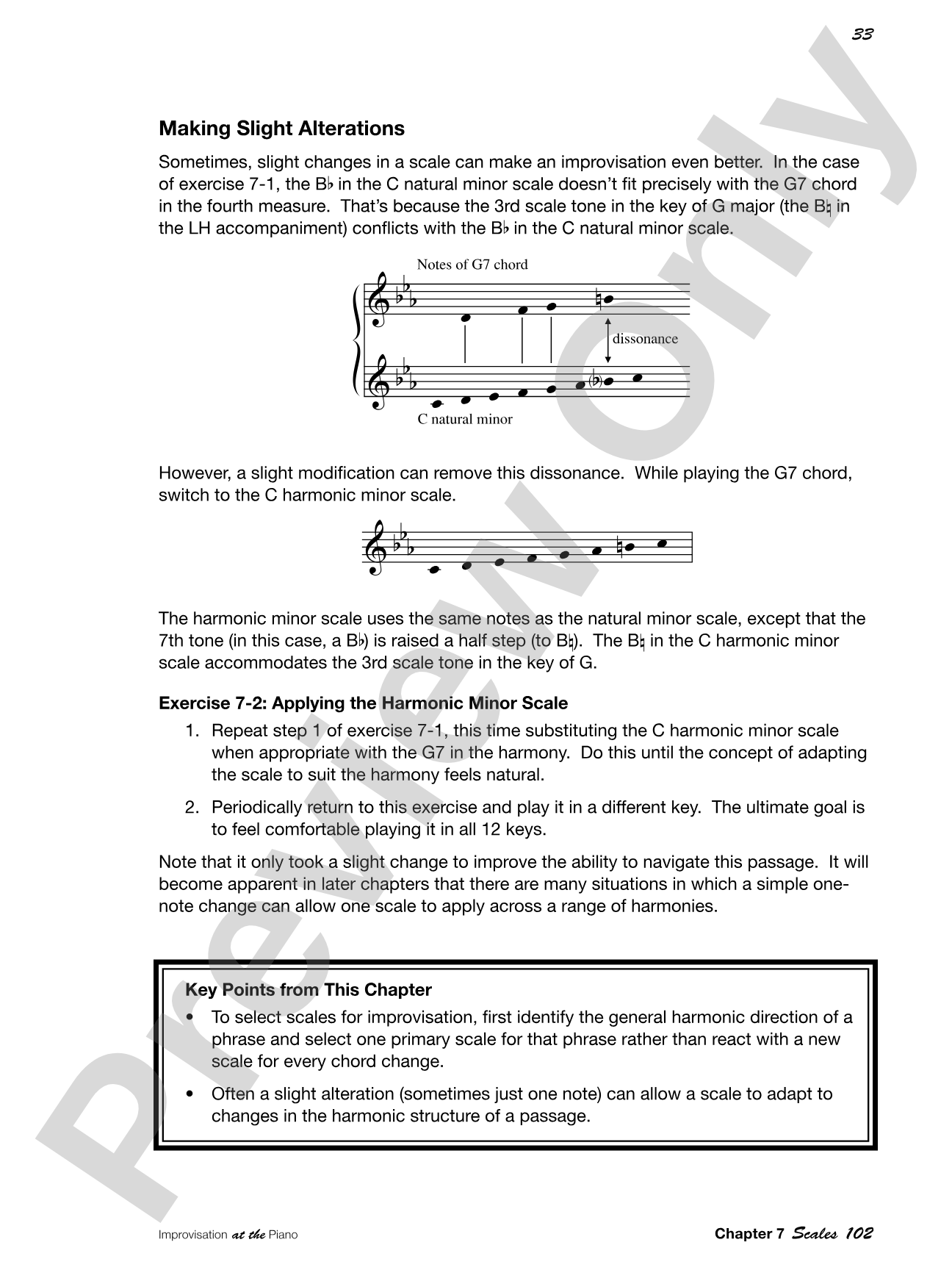
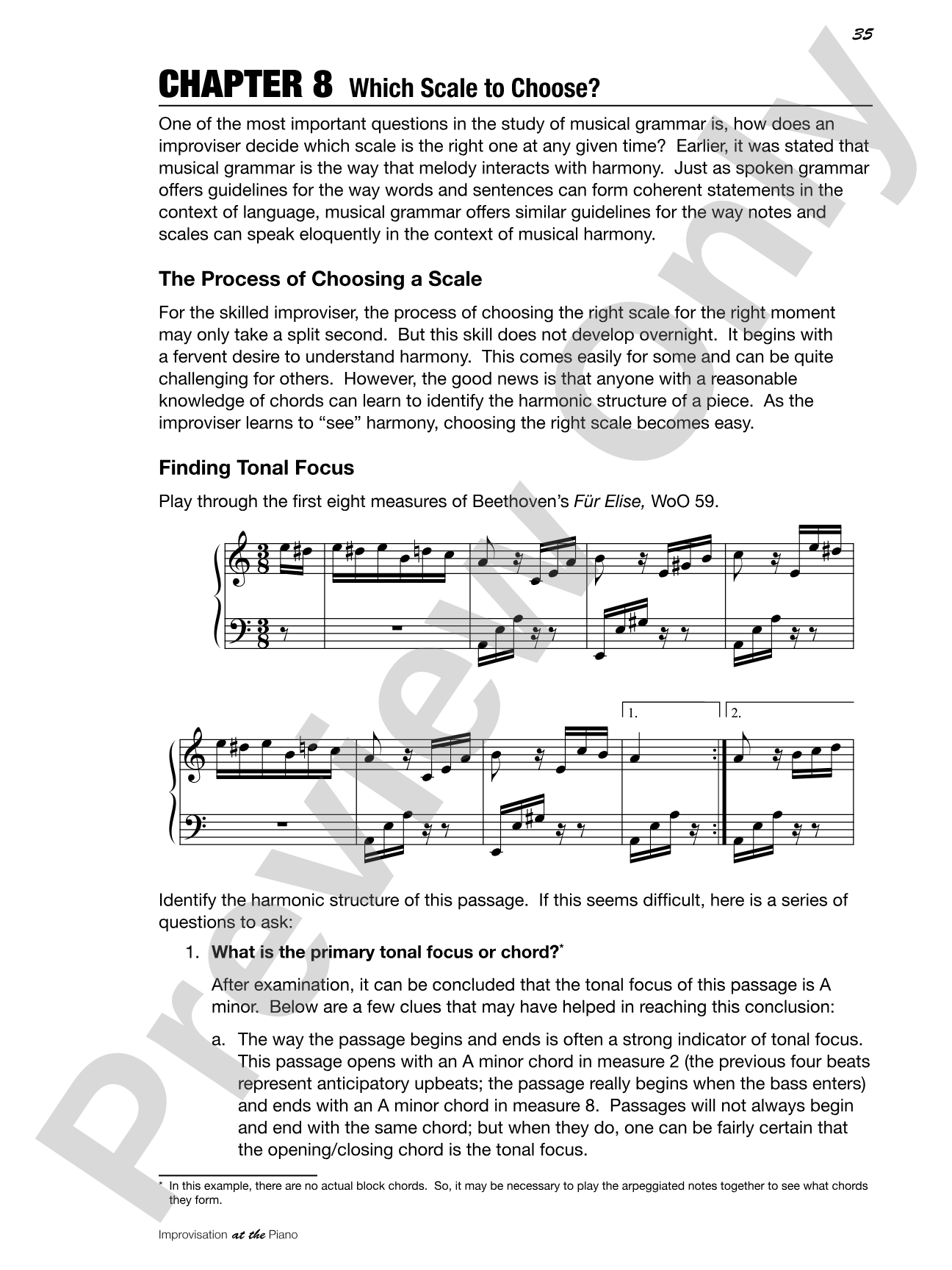
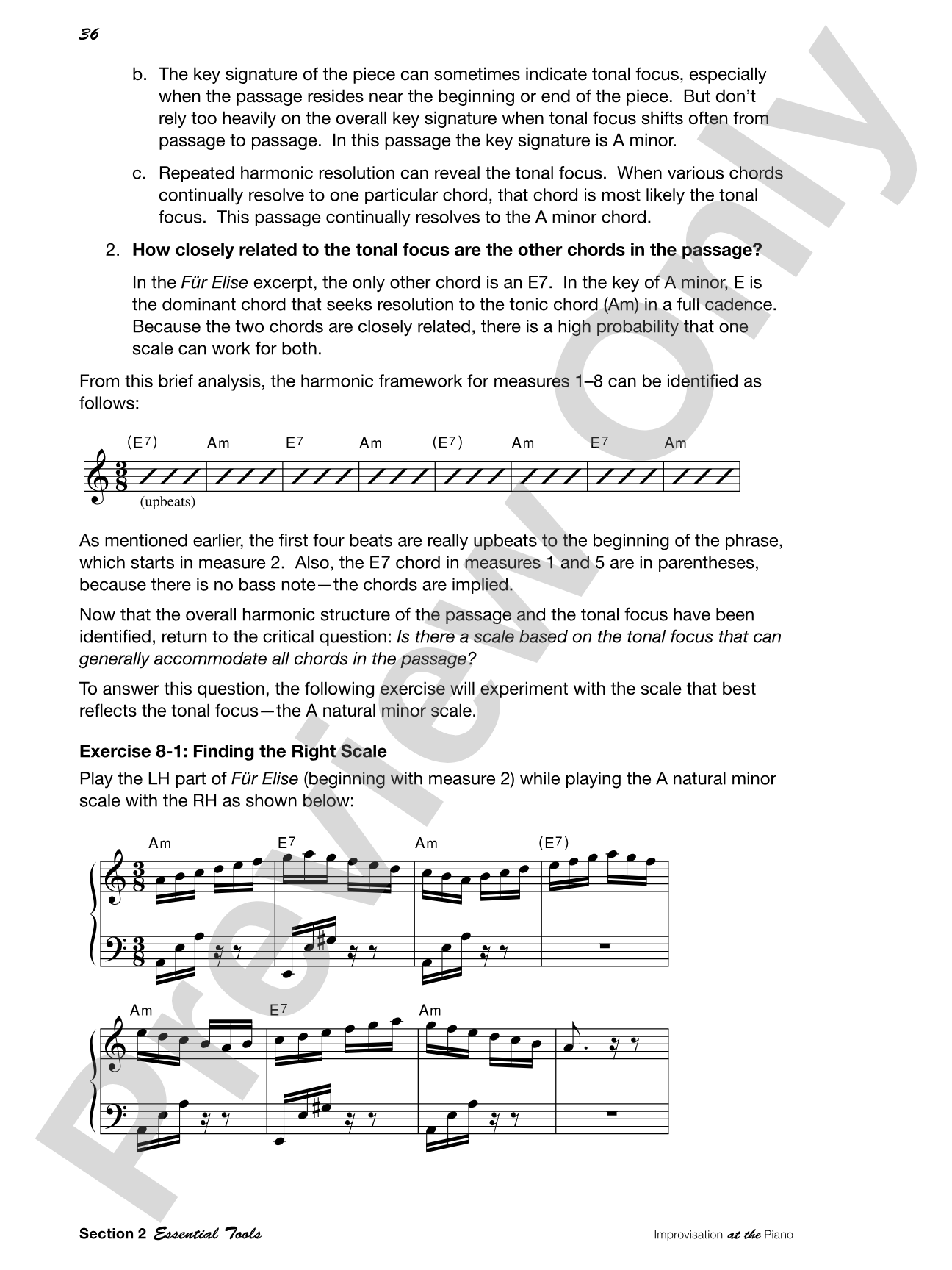
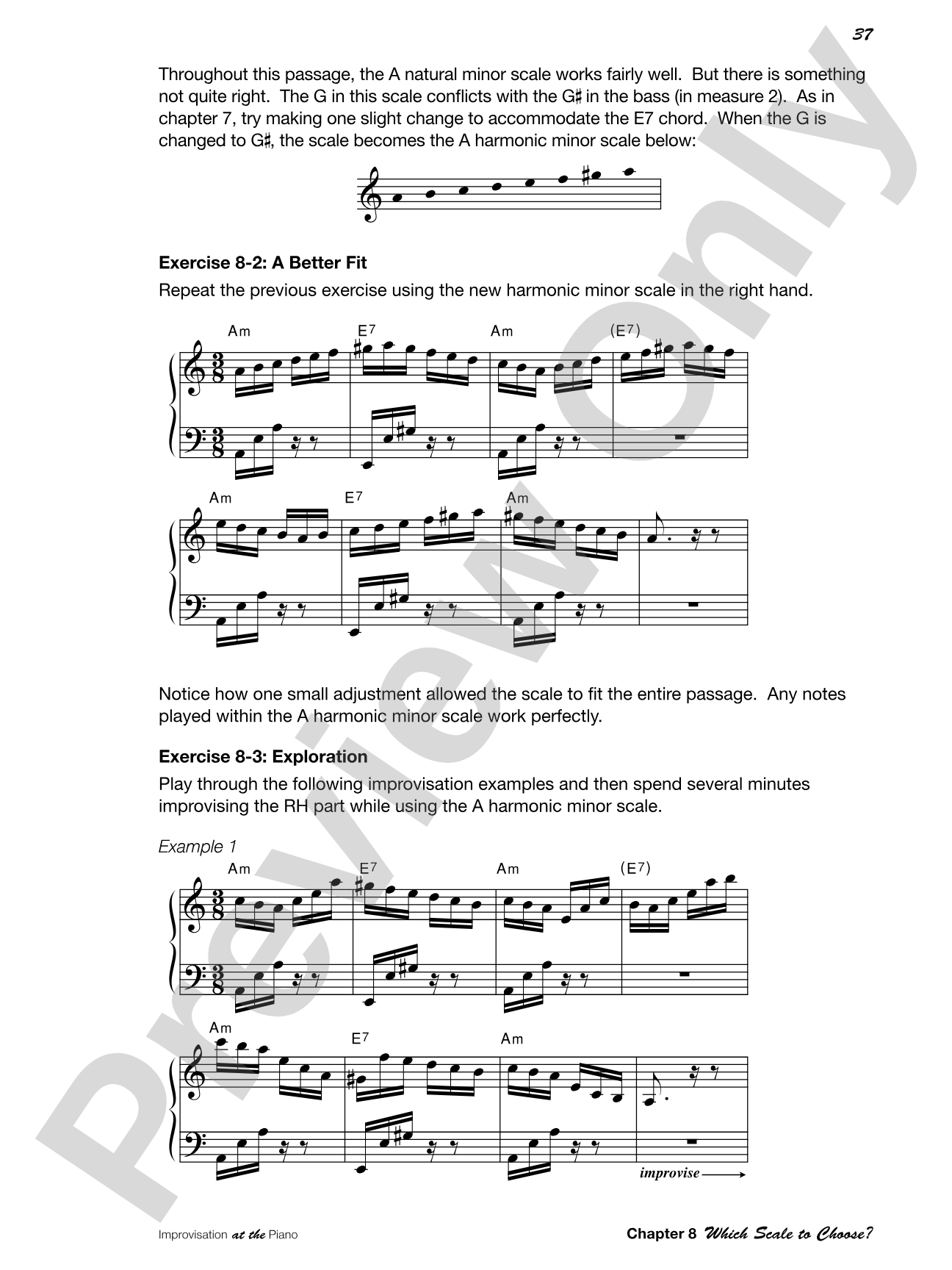
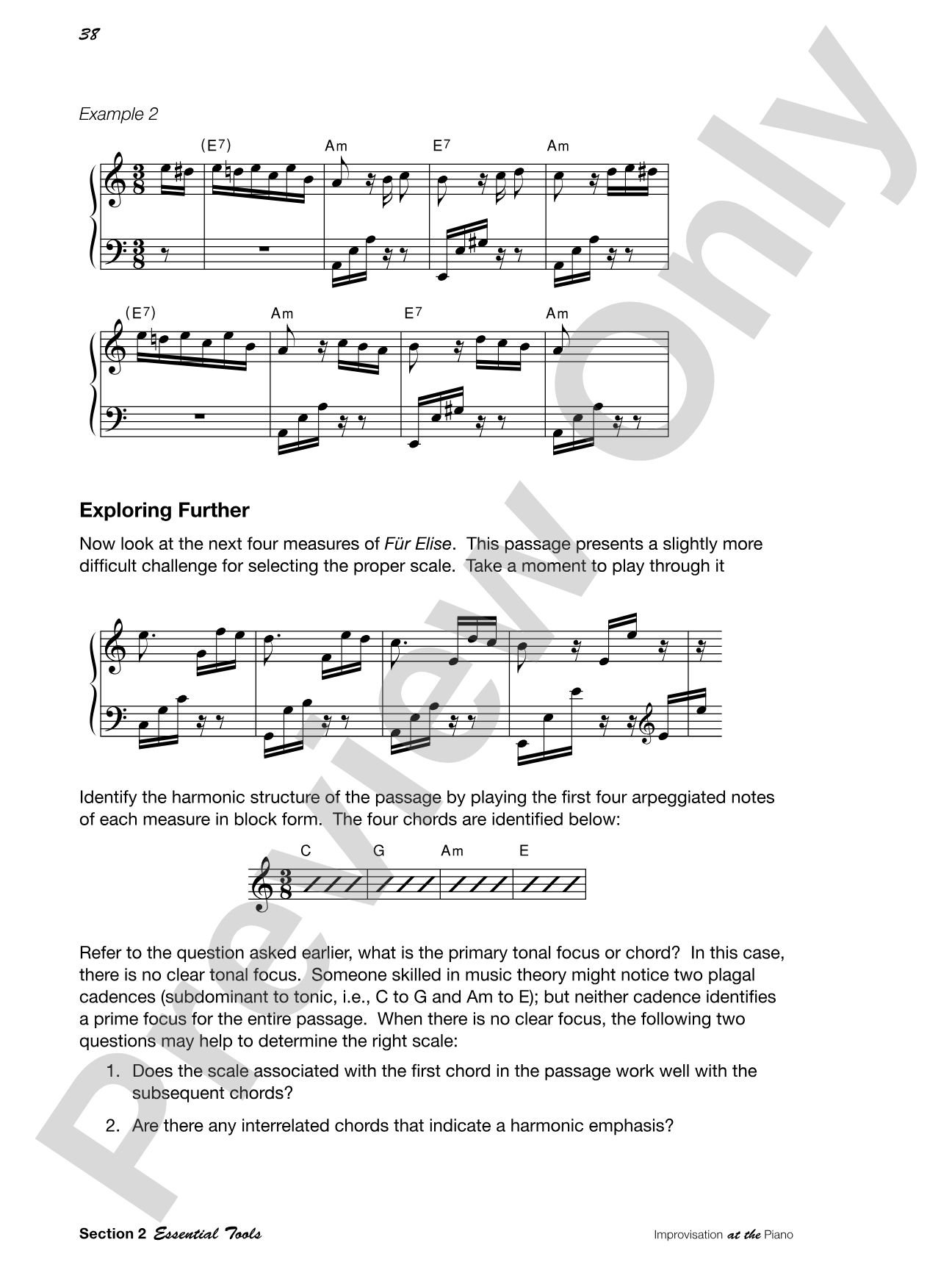
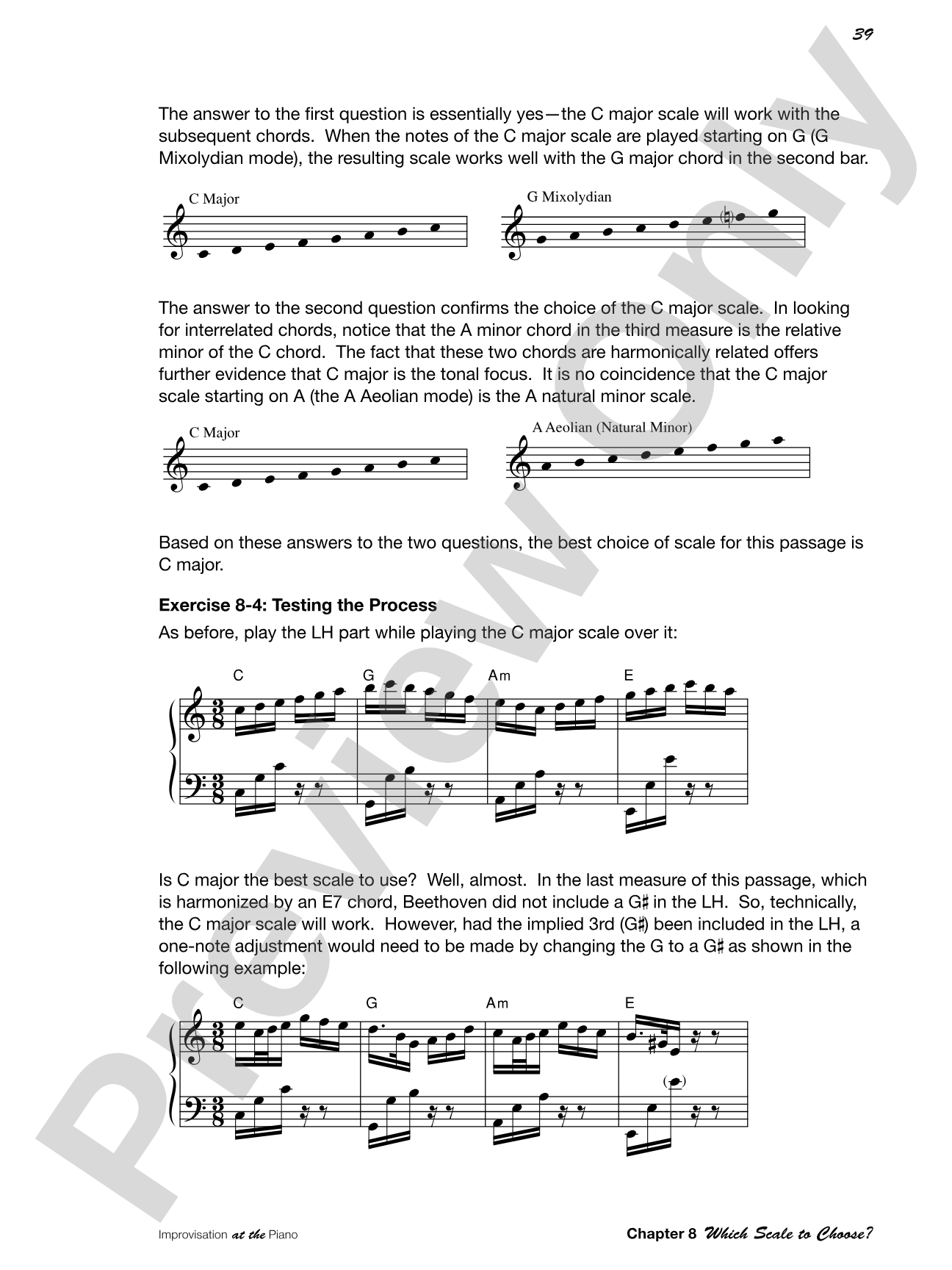
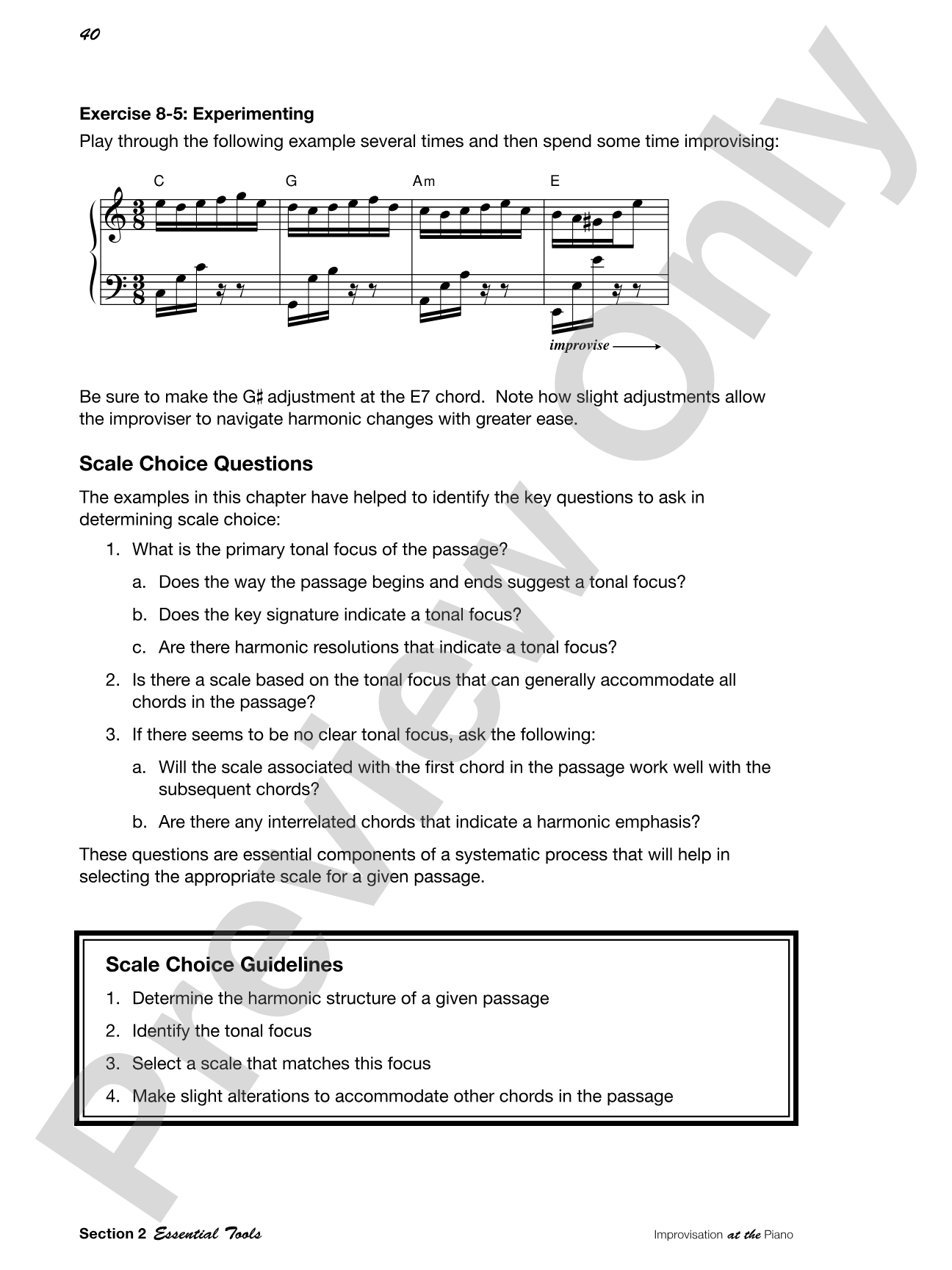
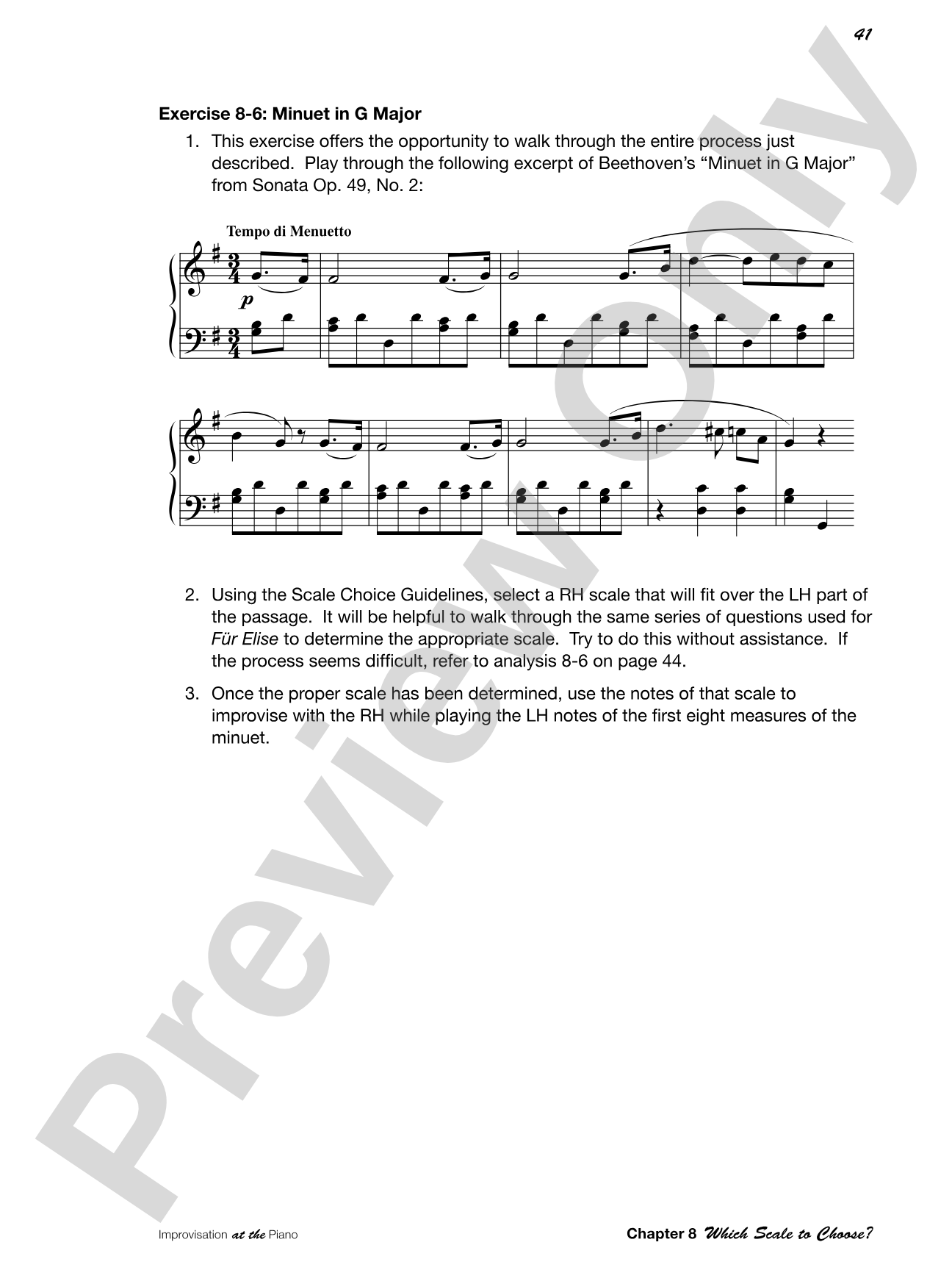
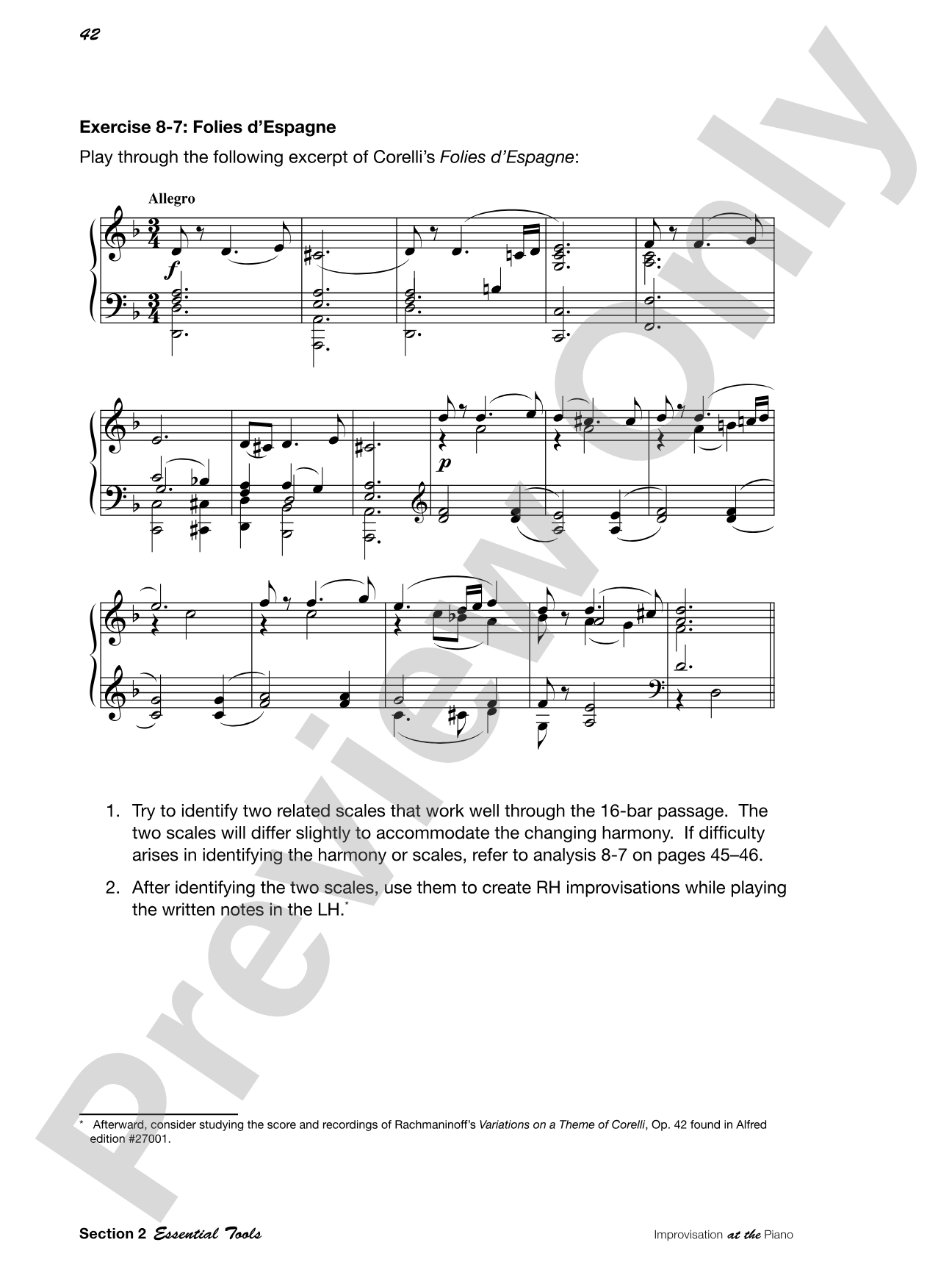
This unique text uses a step-by-step approach to guide the reader from fundamental concepts to advanced topics in improvisation. Each subject is broken into easy to understand segments, gradually becoming more complex as improvisational tools are acquired. Designed for the classically trained pianist with little or no experience in improvisation, it uses the reader's previous knowledge of basic theory and technique to help accelerate the learning process. Included are more than 450 music examples and illustrations to reinforce the concepts discussed. These concepts are useful in all improvisational settings and can be applied to any musical style. For pianists interested in jazz, there are three chapters dedicated to introducing jazz improvisation, which can be used as the basis for further study in this idiom. Teachers using this text can go online to www.brianchung.net/improv-landing-page to download lesson plans, ask specific questions about improvisation, and view answers to the most frequently asked questions about this book. 232 pages.


Improvisation at the Piano: A Systematic Approach for the Classically Trained Pianist: Piano isn't in MakeMusic Cloud just yet...but it could be. Let us know you'd like to see it, and you'll help shape what comes next. In the meantime, start a free trial and dive into thousands of interactive titles your students can play along with today.
Request This Title
Tell us you want it.
Start Your Free Trial
Explore everything that's ready to play right now.
Sample Audio
No sample audio found.
Sample Video
No sample videos found.
Additional Details
Publisher:
Alfred Music
Page Count:
232
SKU:
00-PB-0001805
More about this title
About the Composer: Brian Chung

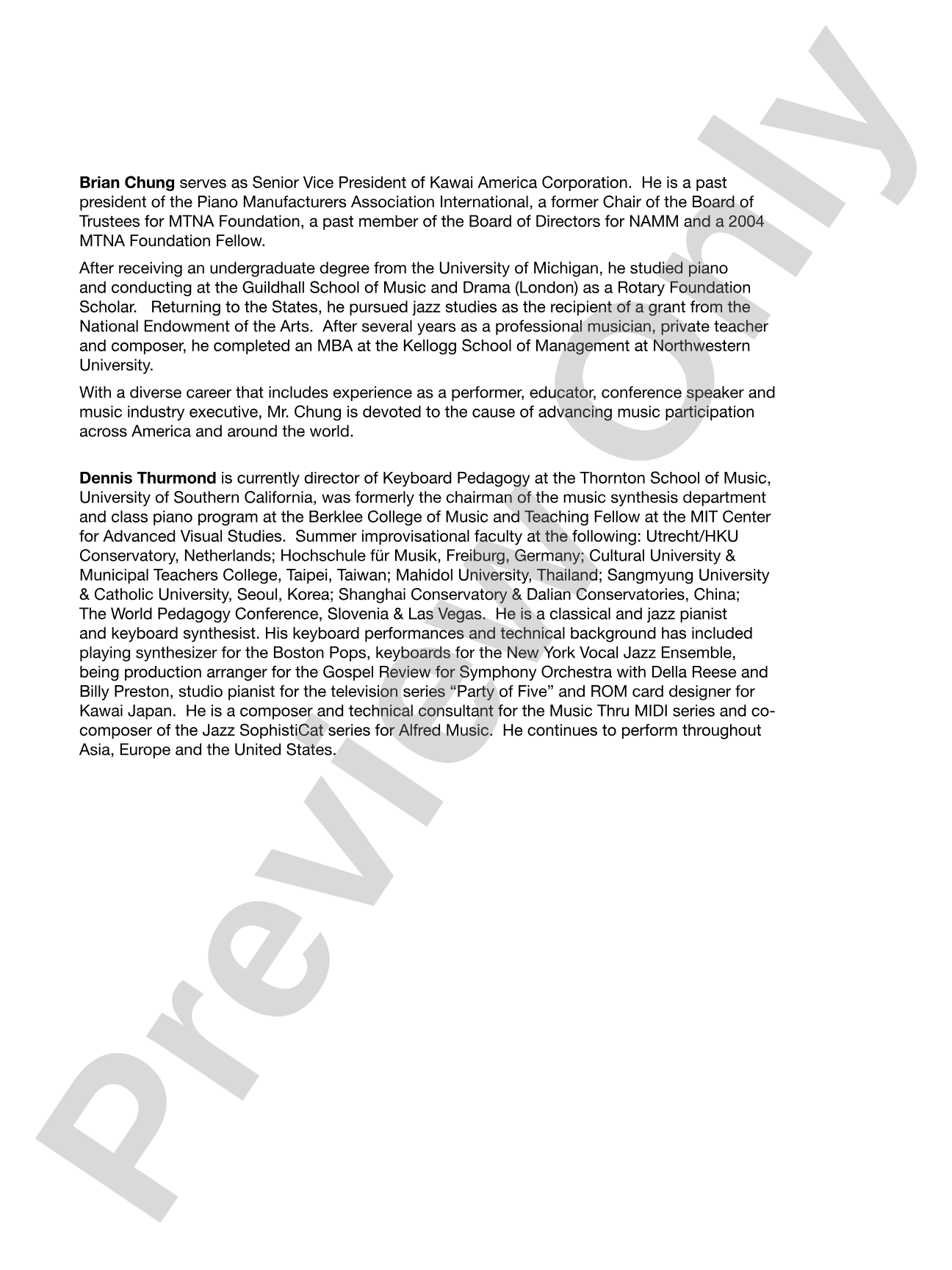
Brian Chung has built a multifaceted career spanning performance, composition, arrangement, writing, and institutional leadership. His path includes undergraduate business studies at the University of Michigan, advanced piano and conducting training at the Guildhall School of Music and Drama in London, and an MBA from Northwestern University's Kellogg School. For over three decades, he served as Senior Vice President of Kawai America Corporation, bringing both artistic vision and industry expertise to the music education field.
His contributions to music education have earned him recognition as a 2004 MTNA Foundation Fellow, recipient of the 2010 MTNA Distinguished Service Award, the 2019 MTNA Citation for Leadership, and the 2024 Lifetime Achievement Award from the California Association of Professional Music Teachers. As a frequent conference speaker and author, Chung remains deeply invested in advancing the music-making community through innovative pedagogy and mentorship.
Why we love this
This book bridges a real gap in piano pedagogy by treating improvisation as a legitimate discipline rather than an intuitive afterthought. Chung respects the classical training your students already possess, building on their theory knowledge and technical foundation rather than asking them to start from scratch. The 450+ music examples mean you can assign concepts with confidence, knowing students have concrete models to learn from and imitate.
What to expect
Systematic and encouraging. Rather than throwing concepts at you all at once, this text builds methodically from foundational ideas toward sophisticated improvisational thinking. The 450+ examples make each idea concrete and playable right away, creating a sense of tangible progress rather than abstract theory.
Who it's for
Classically trained pianists who have solid music theory knowledge and technical facility but have never explored improvisation. Teachers looking for a systematic, comprehensive resource that respects their students' classical background while opening entirely new musical possibilities. Piano students interested in jazz or seeking to develop musicianship beyond the repertoire tradition.
How to get the most out of it
- Work through the examples aloud at the piano before assigning them. Your familiarity with the material will help you diagnose where students struggle and which concepts need reinforcement.
- Assign the jazz chapters strategically. Students don't need to complete the entire text before exploring jazz concepts; these chapters work as a standalone introduction when your student shows genuine interest in that idiom.
- Use the online lesson plans and FAQ section on the companion website. Chung has already anticipated common teaching questions and misconceptions, saving you preparation time.
- Have students document their improvisations (recording or notation) as they progress. The step-by-step structure creates natural checkpoints where comparing early attempts to later ones demonstrates genuine growth.
How to use it
Integrate this into your music theory or musicianship curriculum as a capstone unit that synthesizes harmonic knowledge into real-time musical thinking. For student pianists preparing for college auditions or performances, the jazz chapters offer a distinct repertoire category that showcases versatility. Use it as independent study material for advanced students ready to deepen their connection to the instrument beyond classical scores.
Skills your students will build
- Harmonic improvisation grounded in classical music theory
- Real-time melodic construction and development
- Style-specific improvisation in jazz contexts
- Reharmonization and harmonic substitution
- Spontaneous musical decision-making under structural constraints
- Application of classical technique to free compositional thinking