
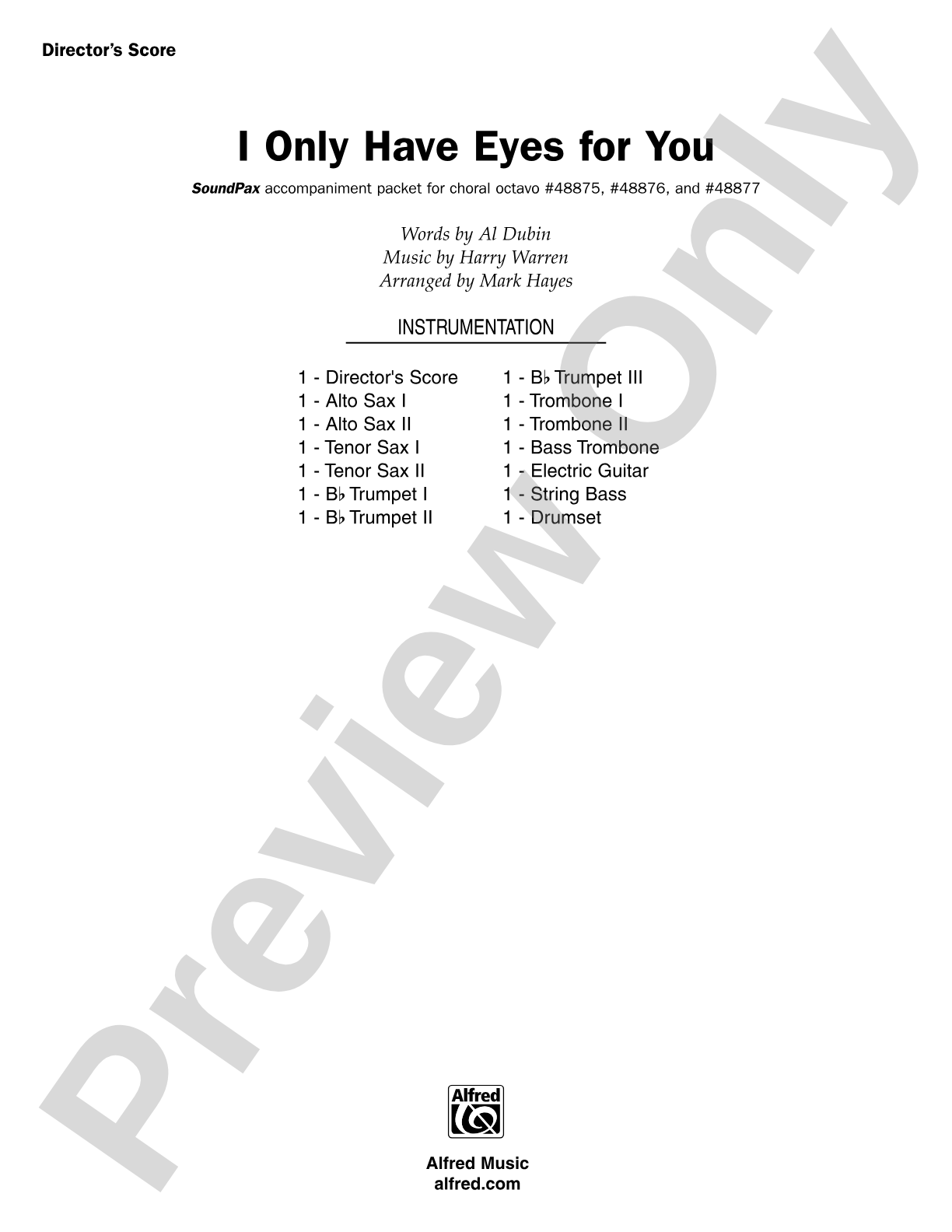
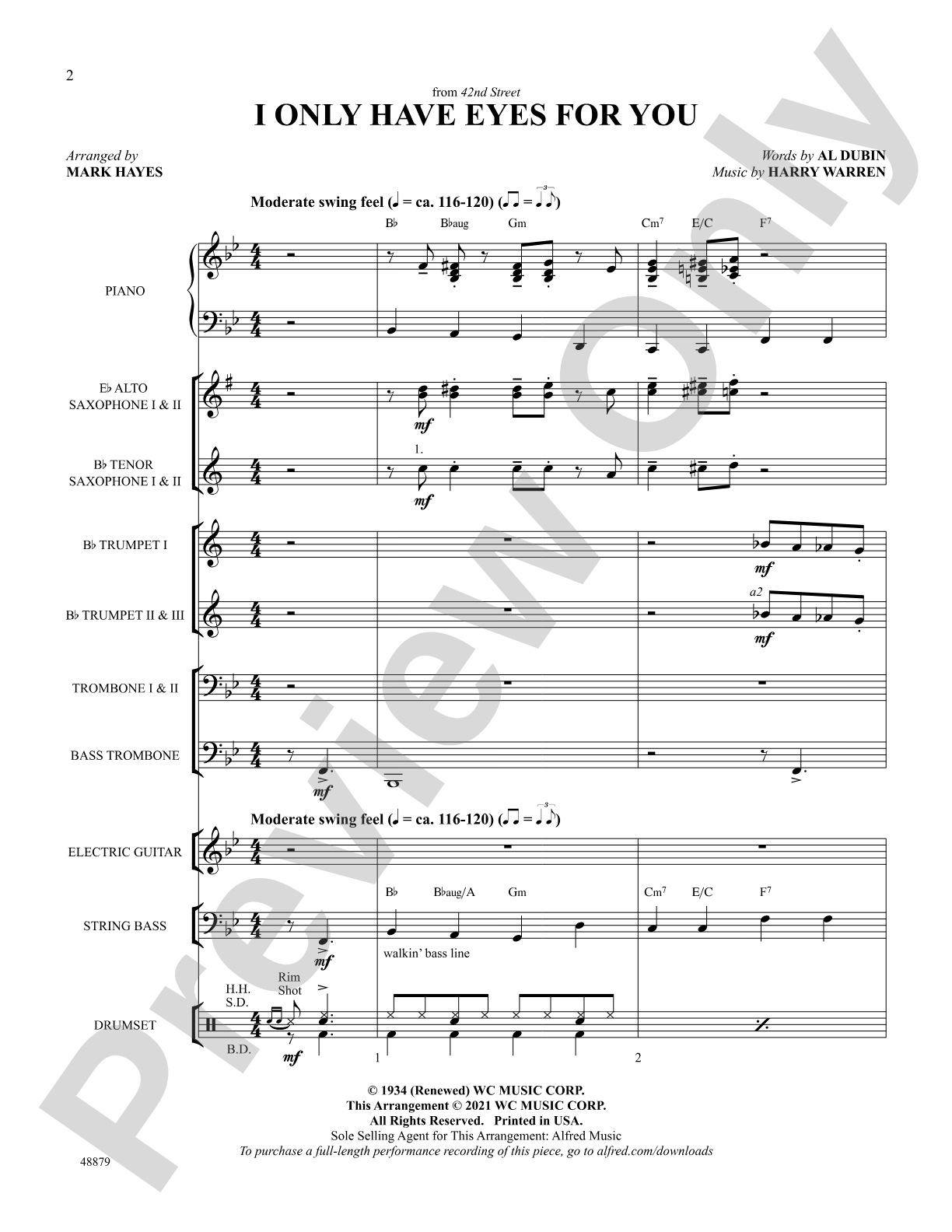
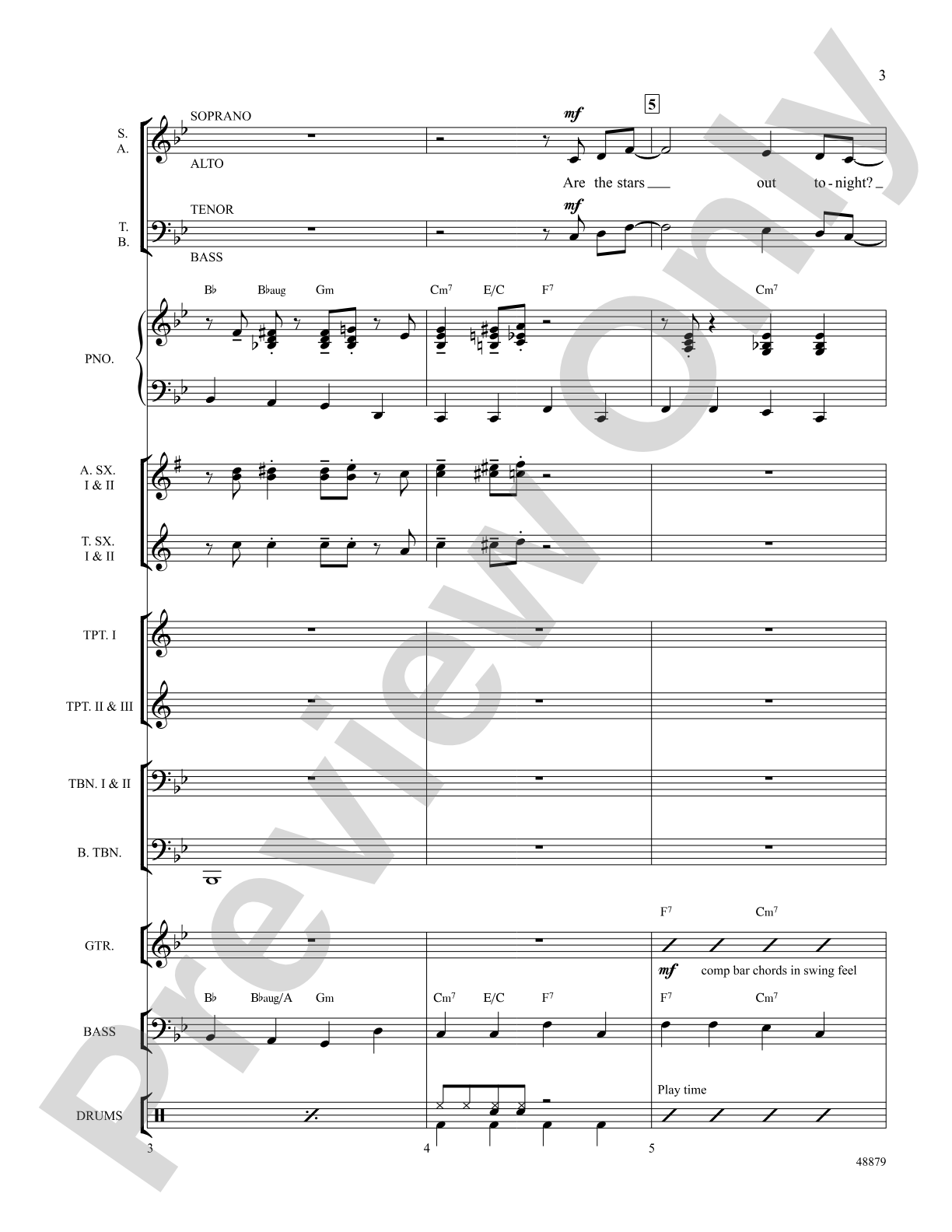
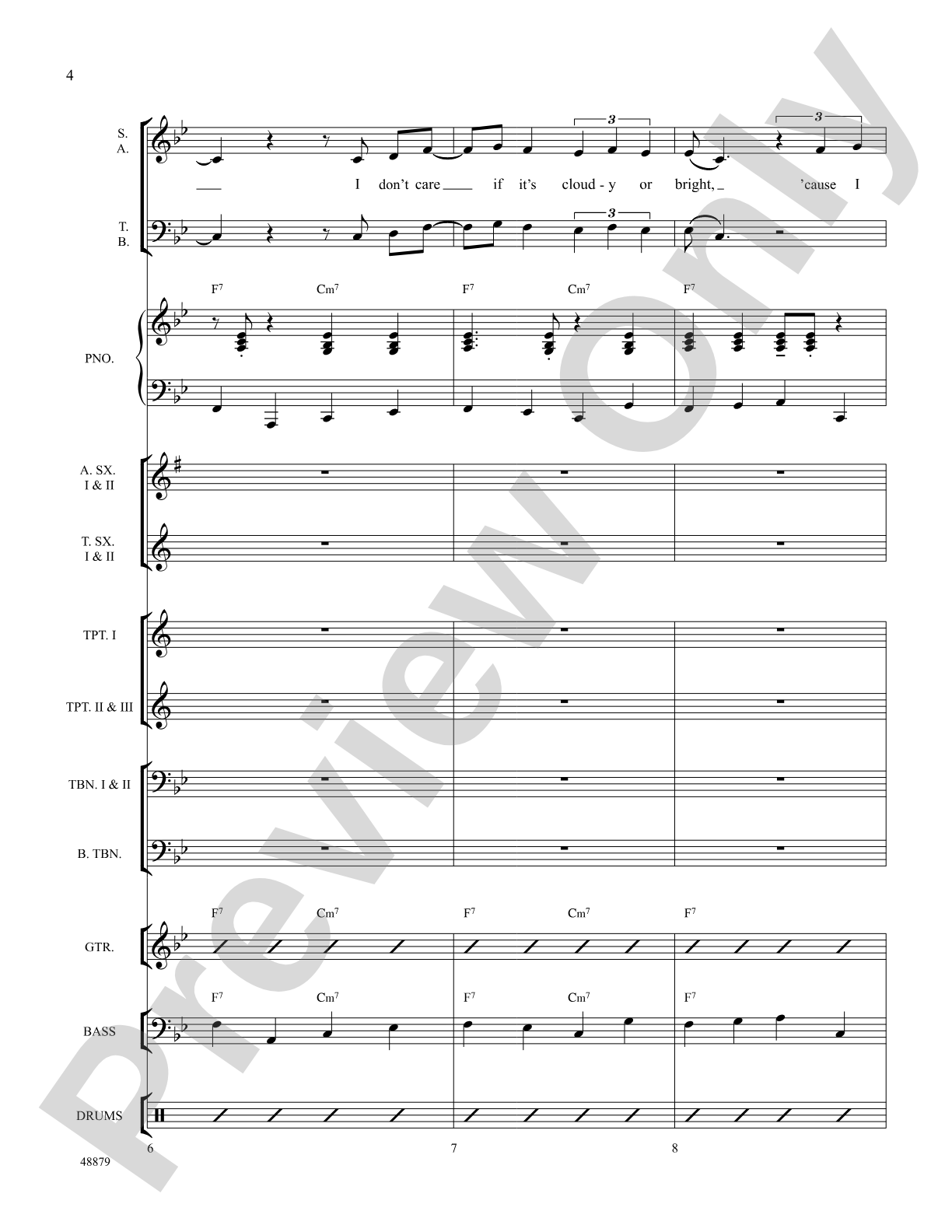
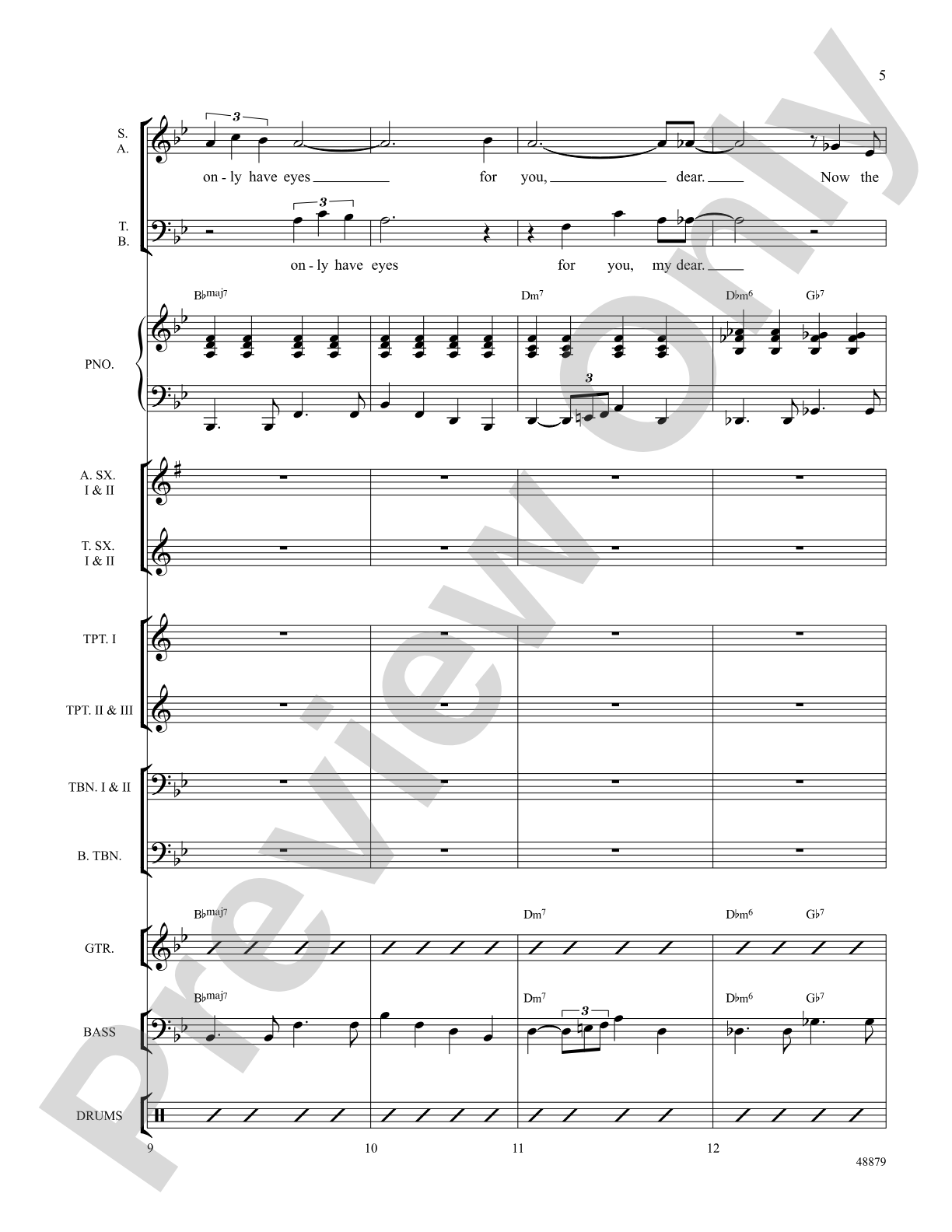
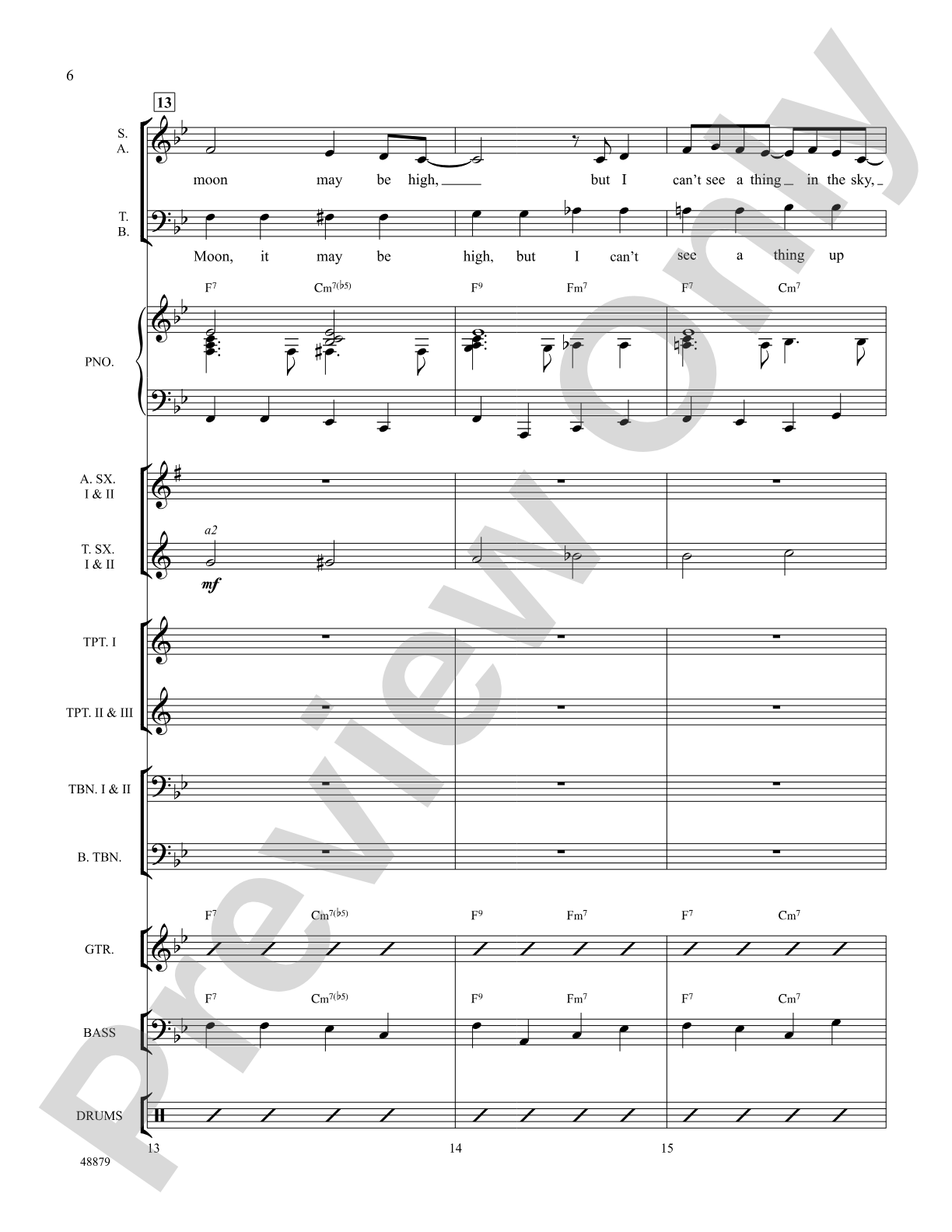
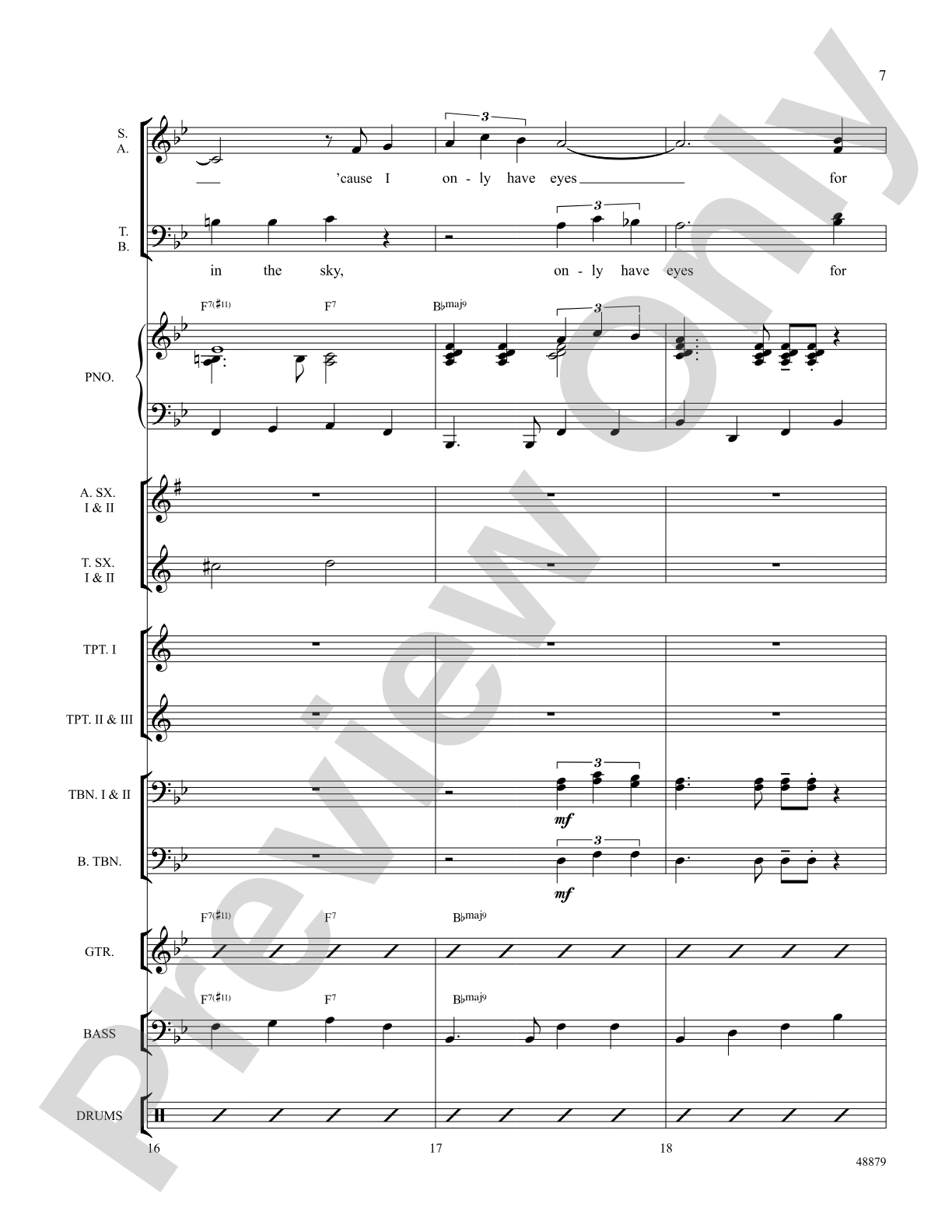
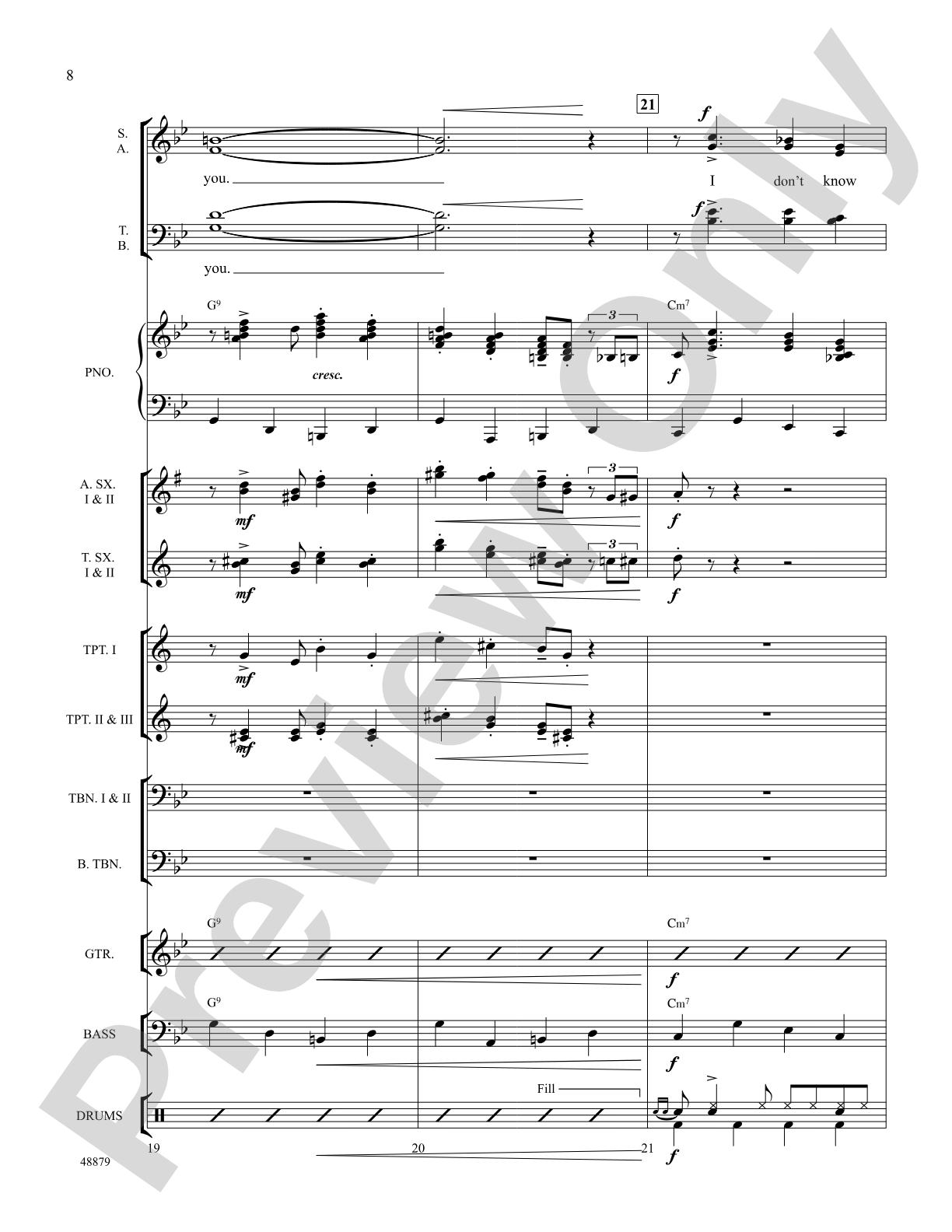
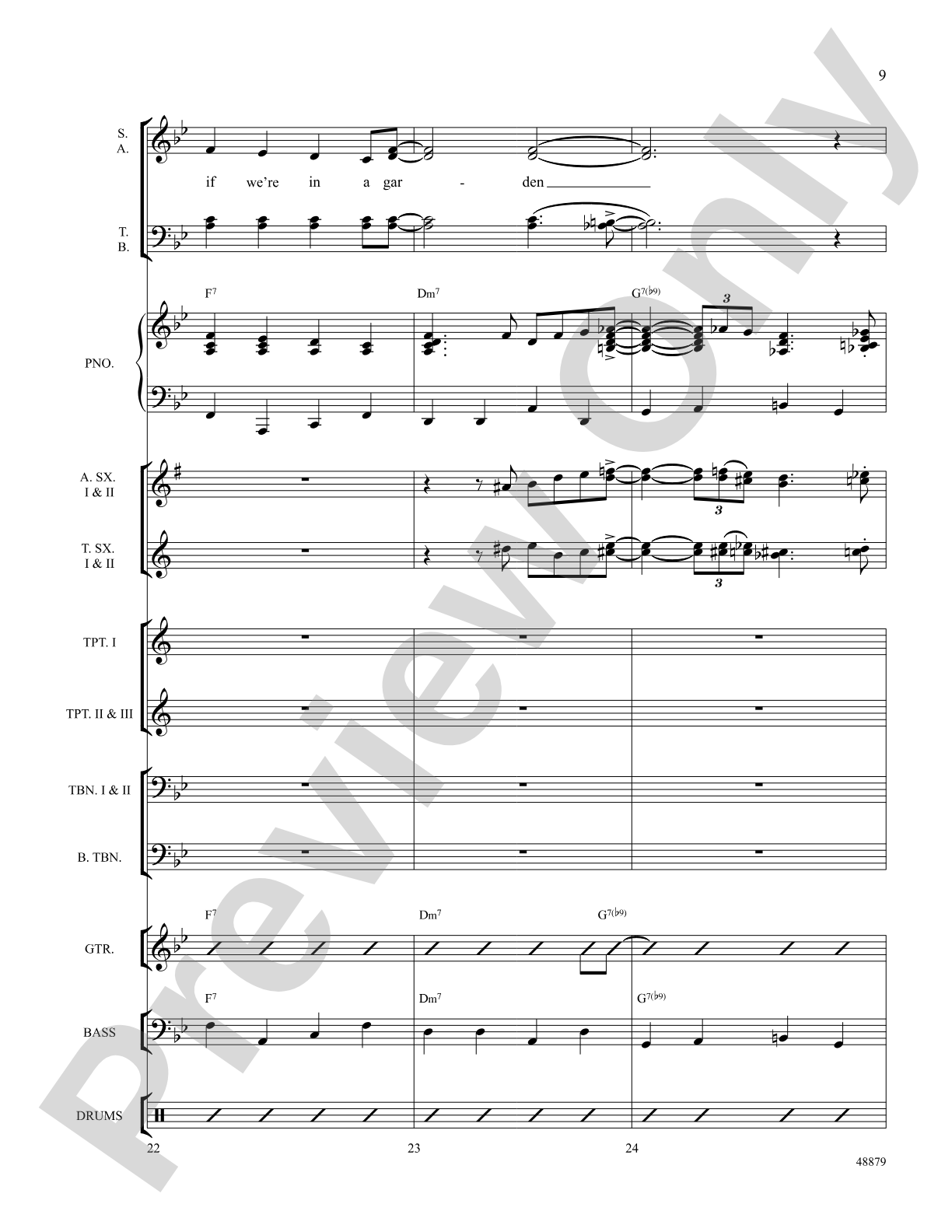
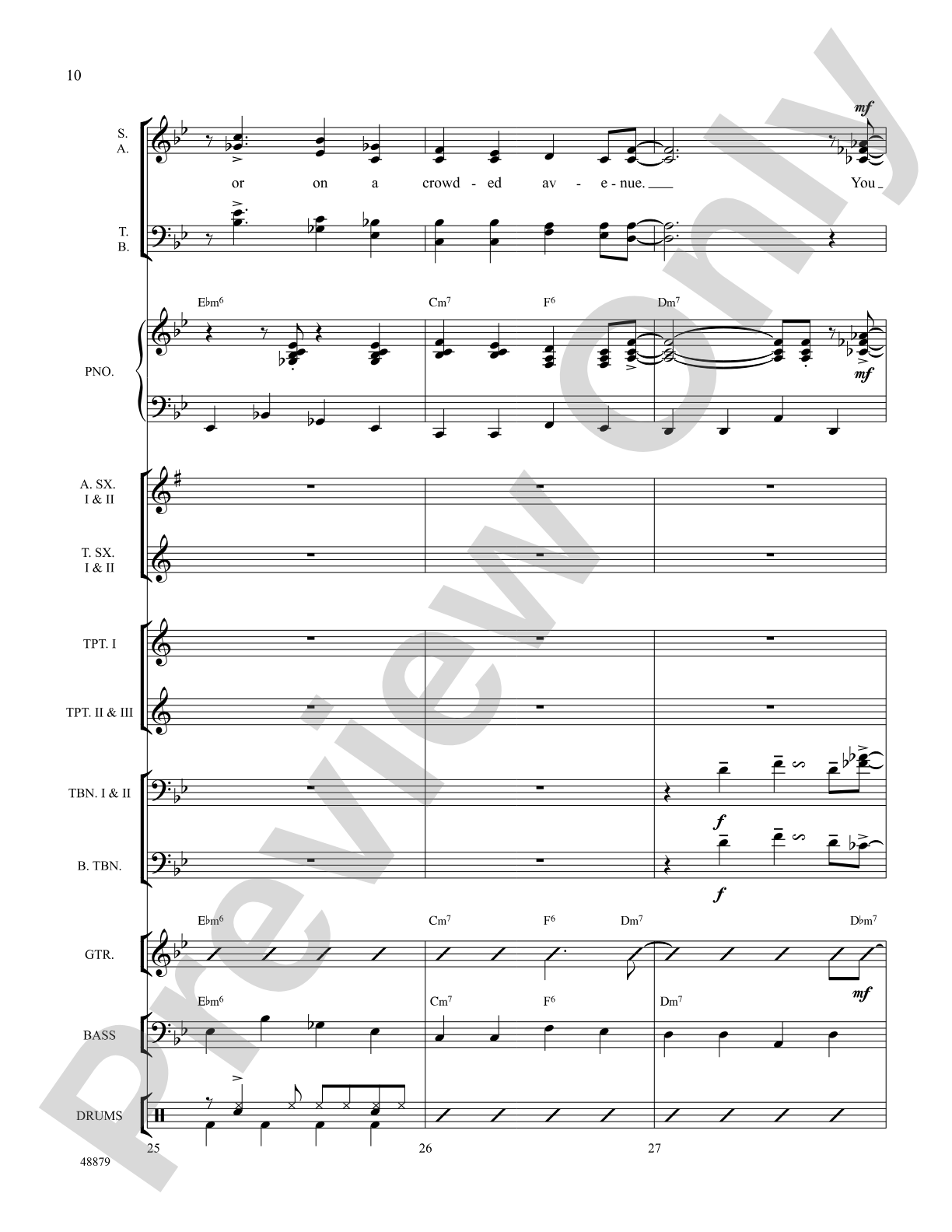
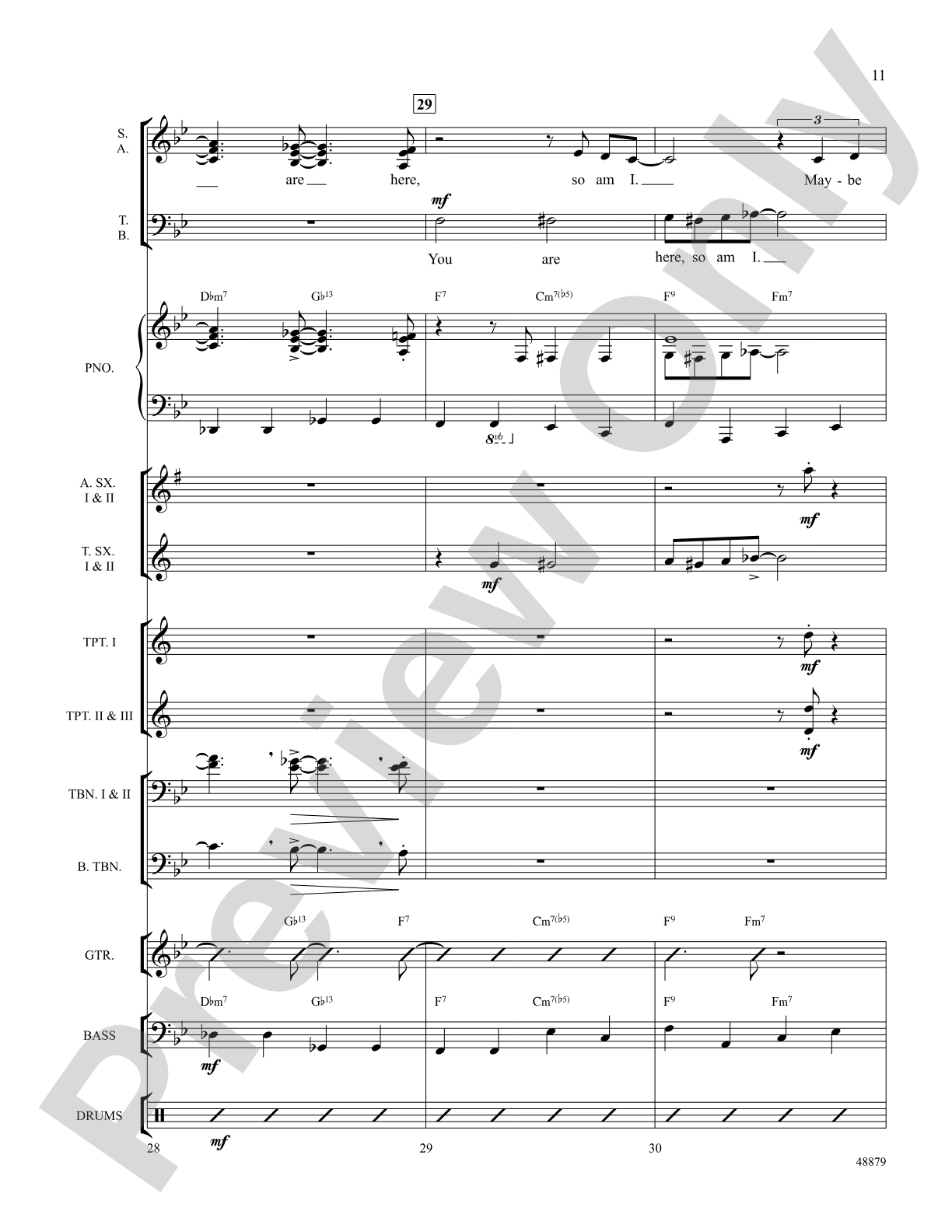
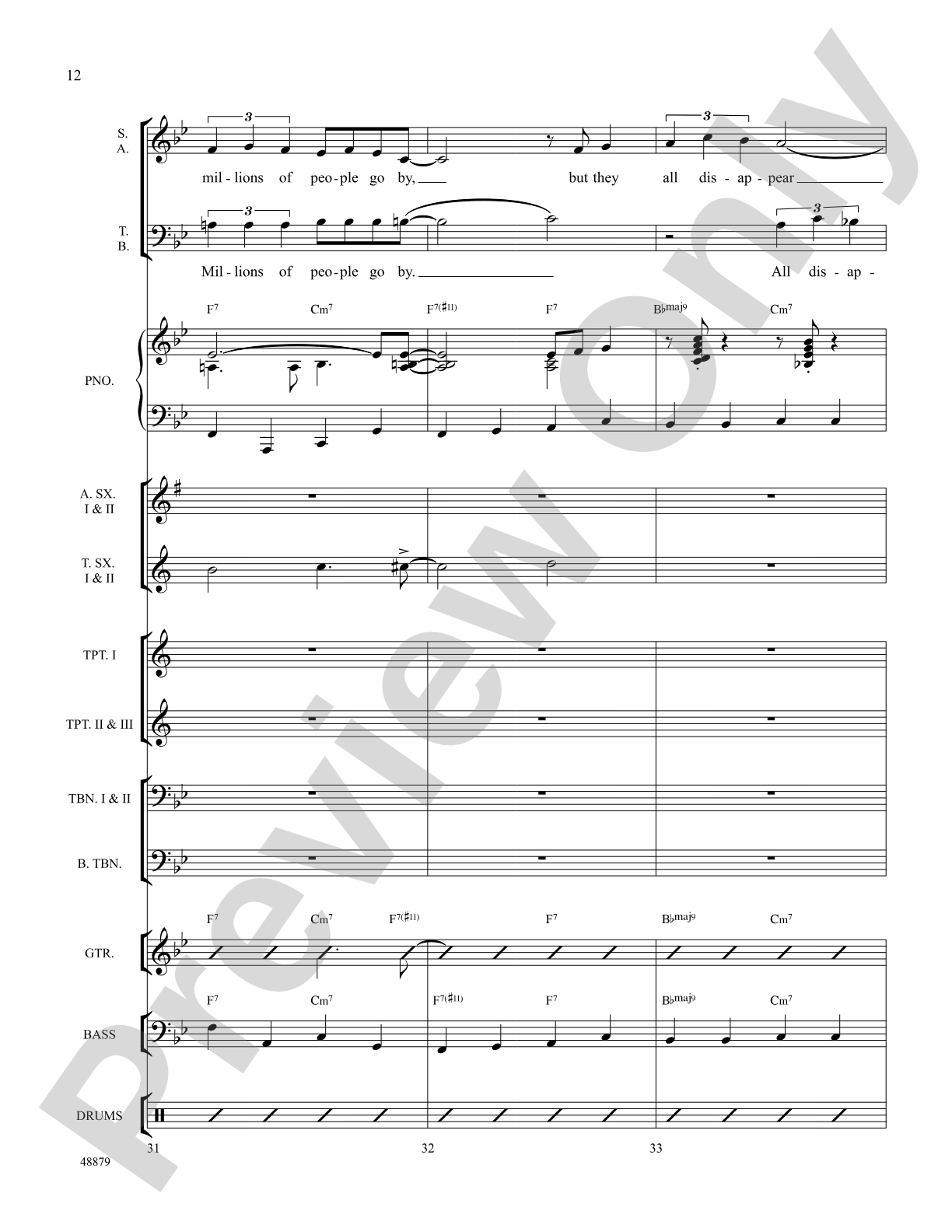
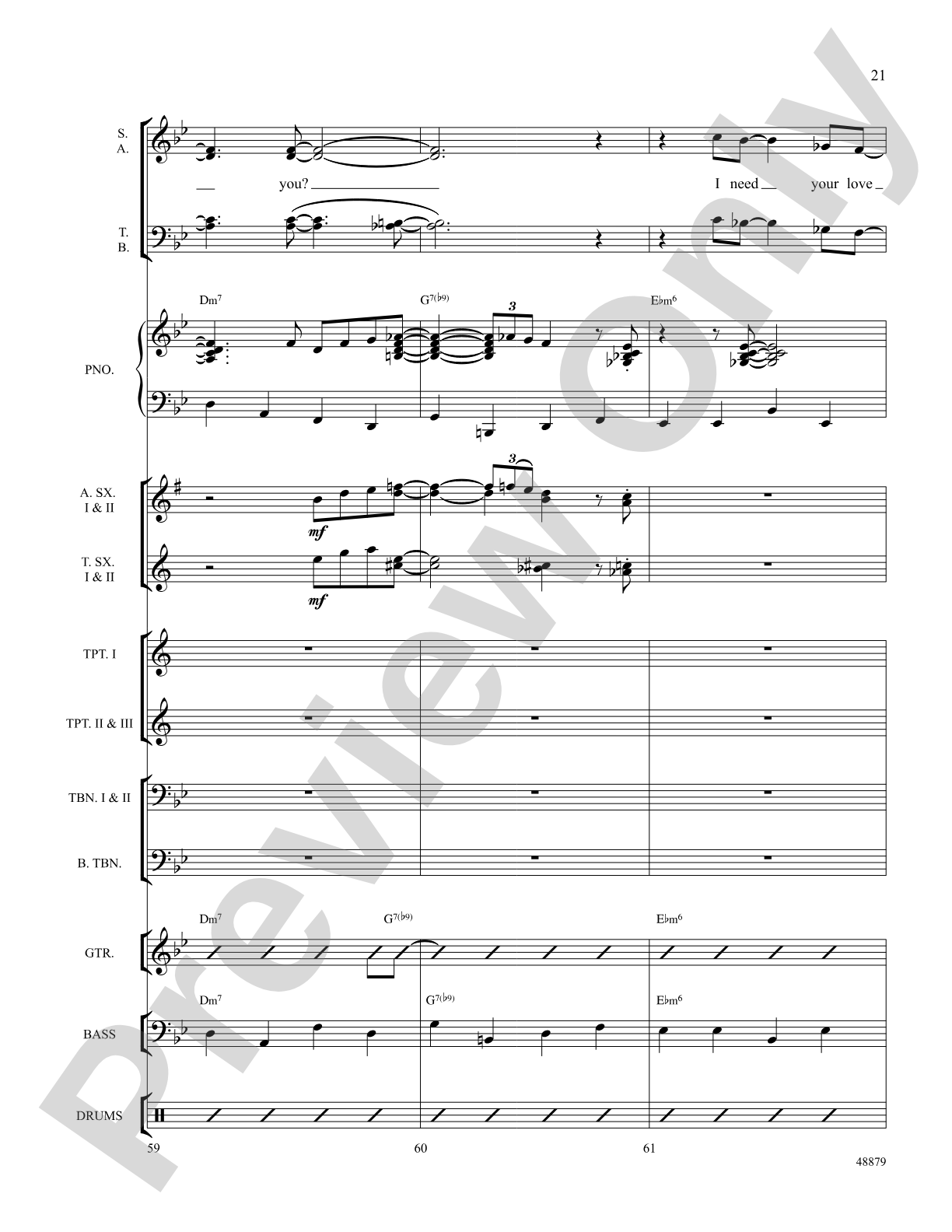
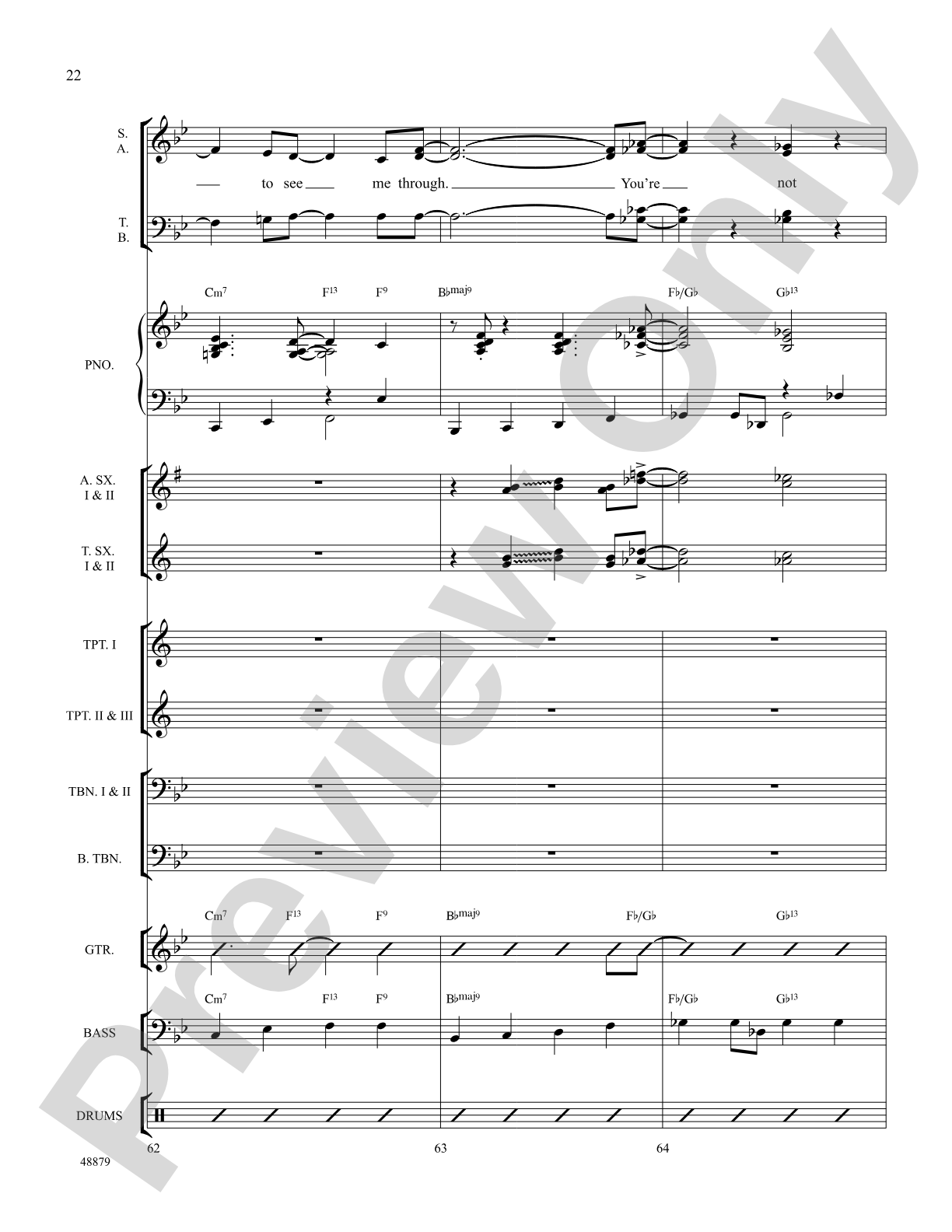
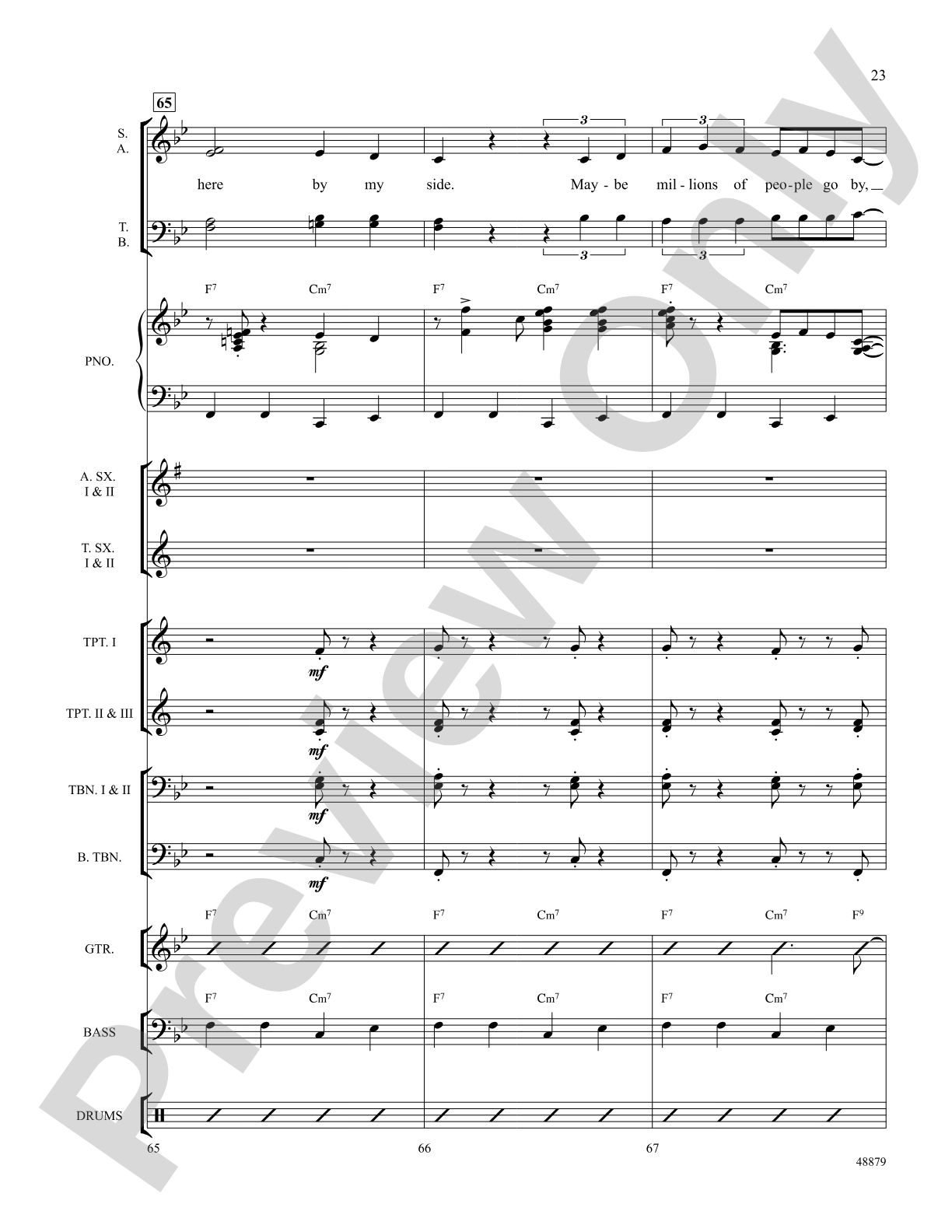
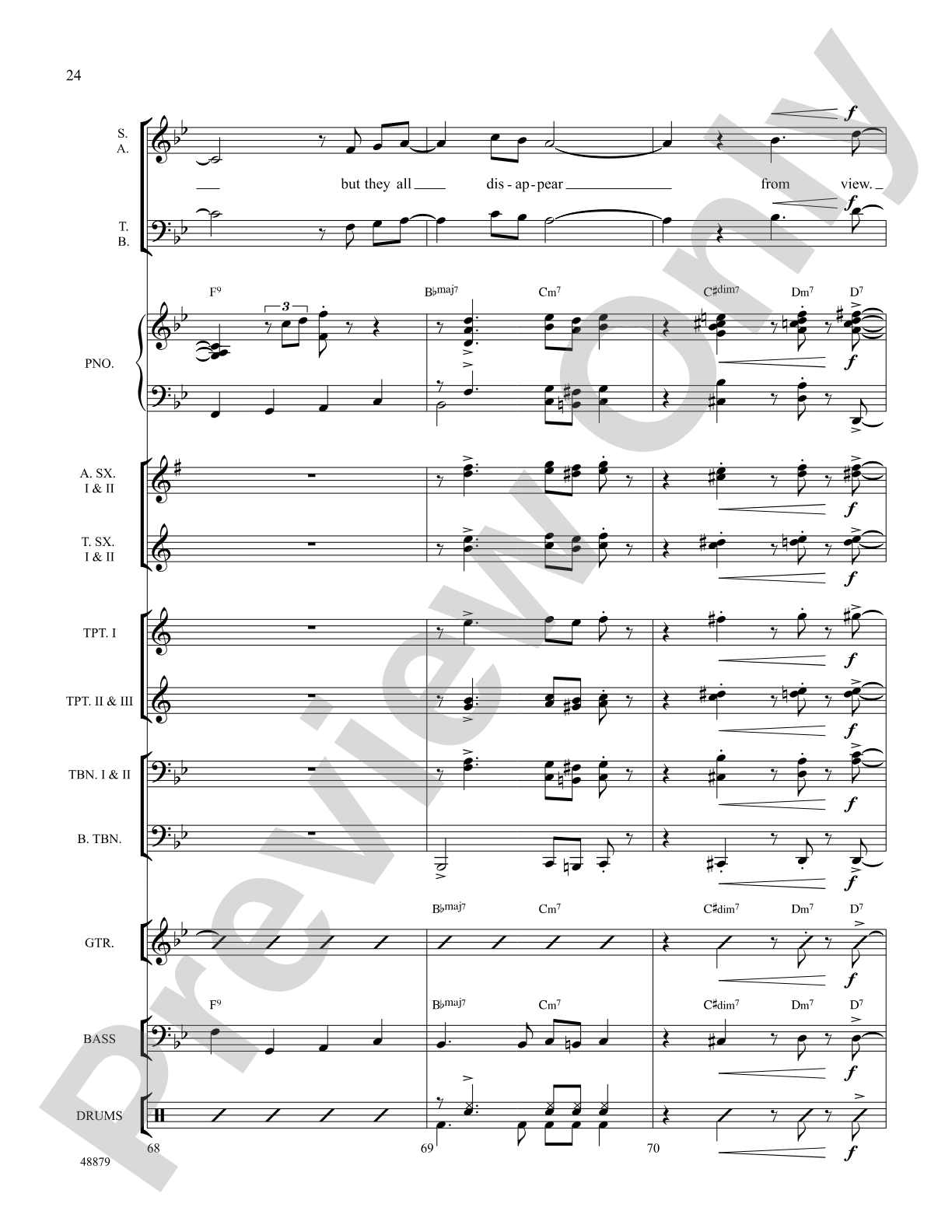
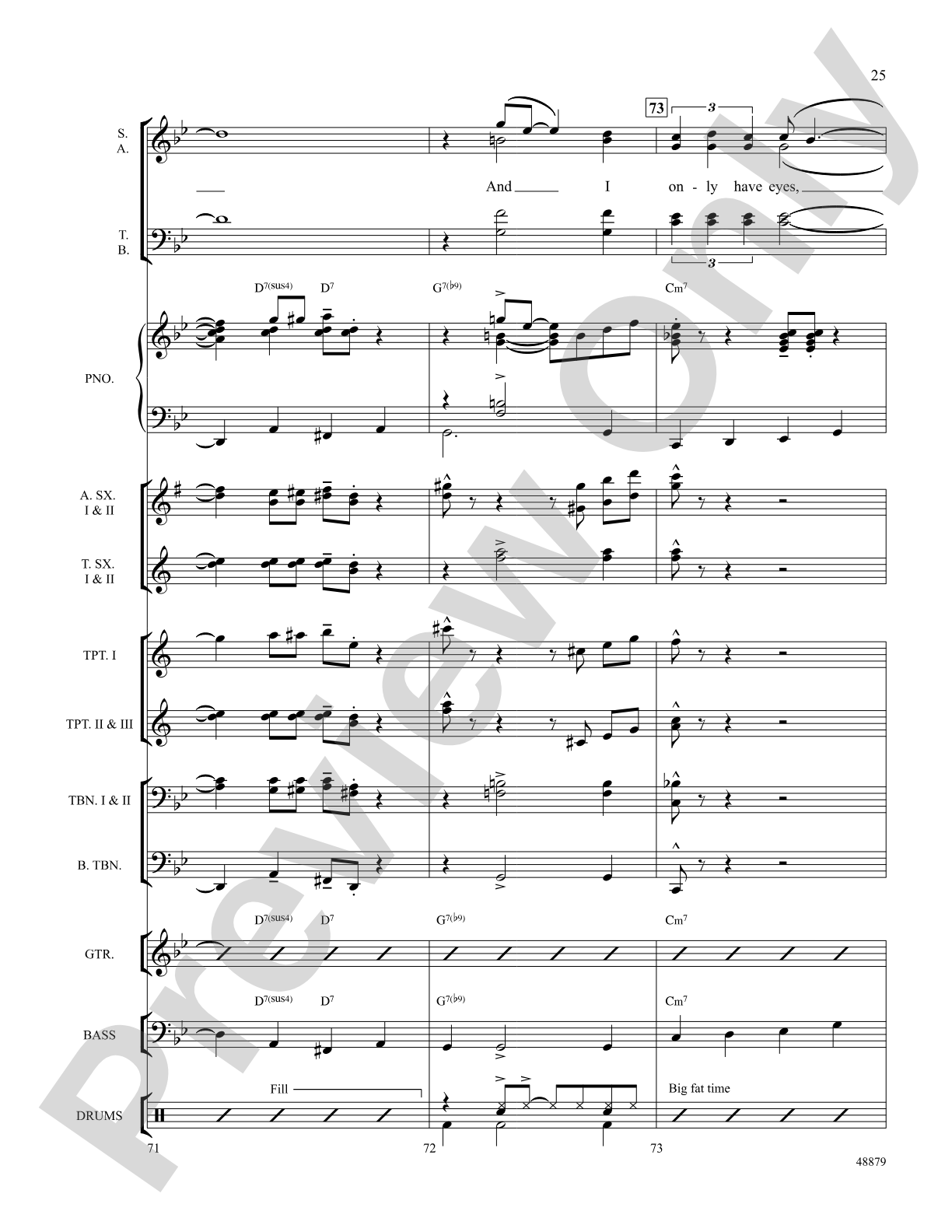
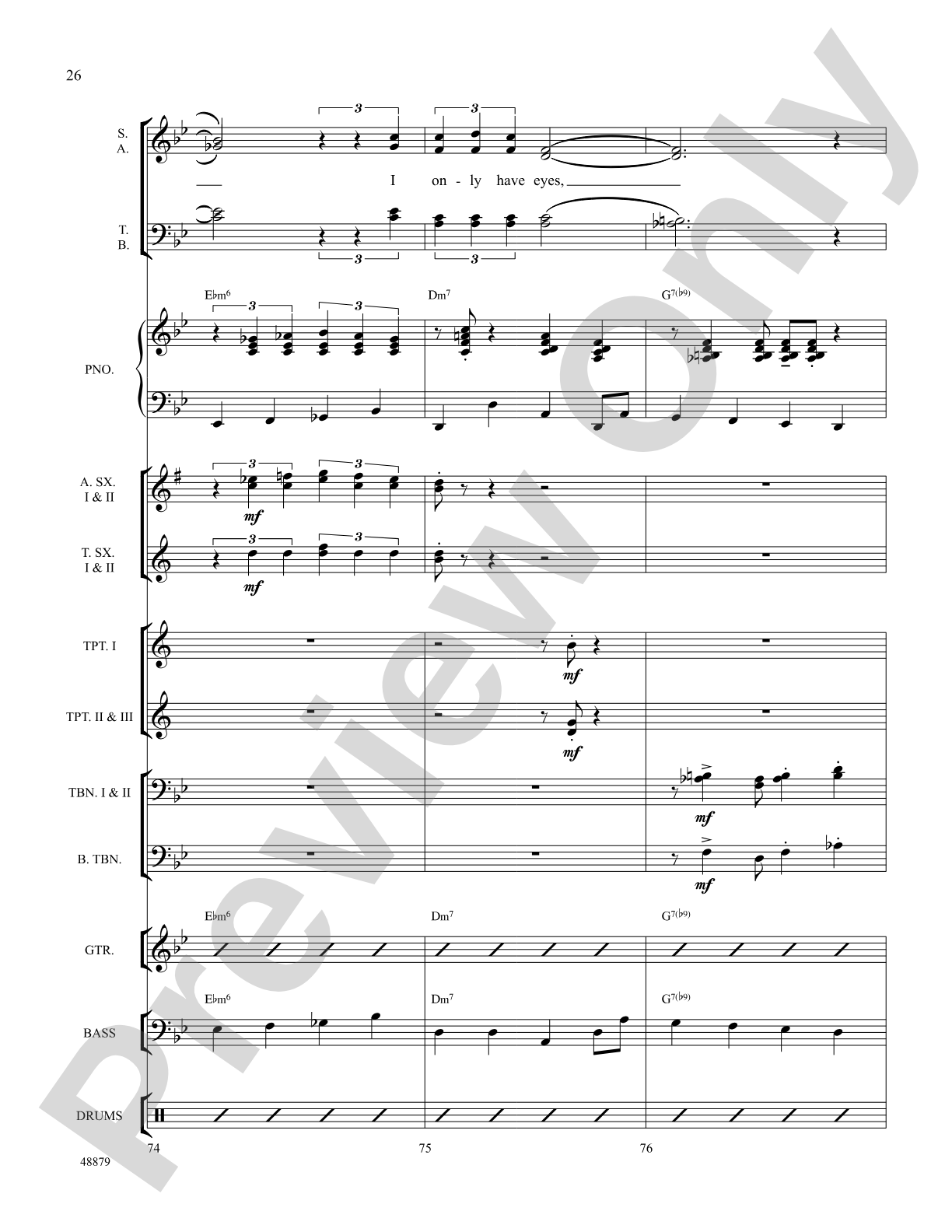
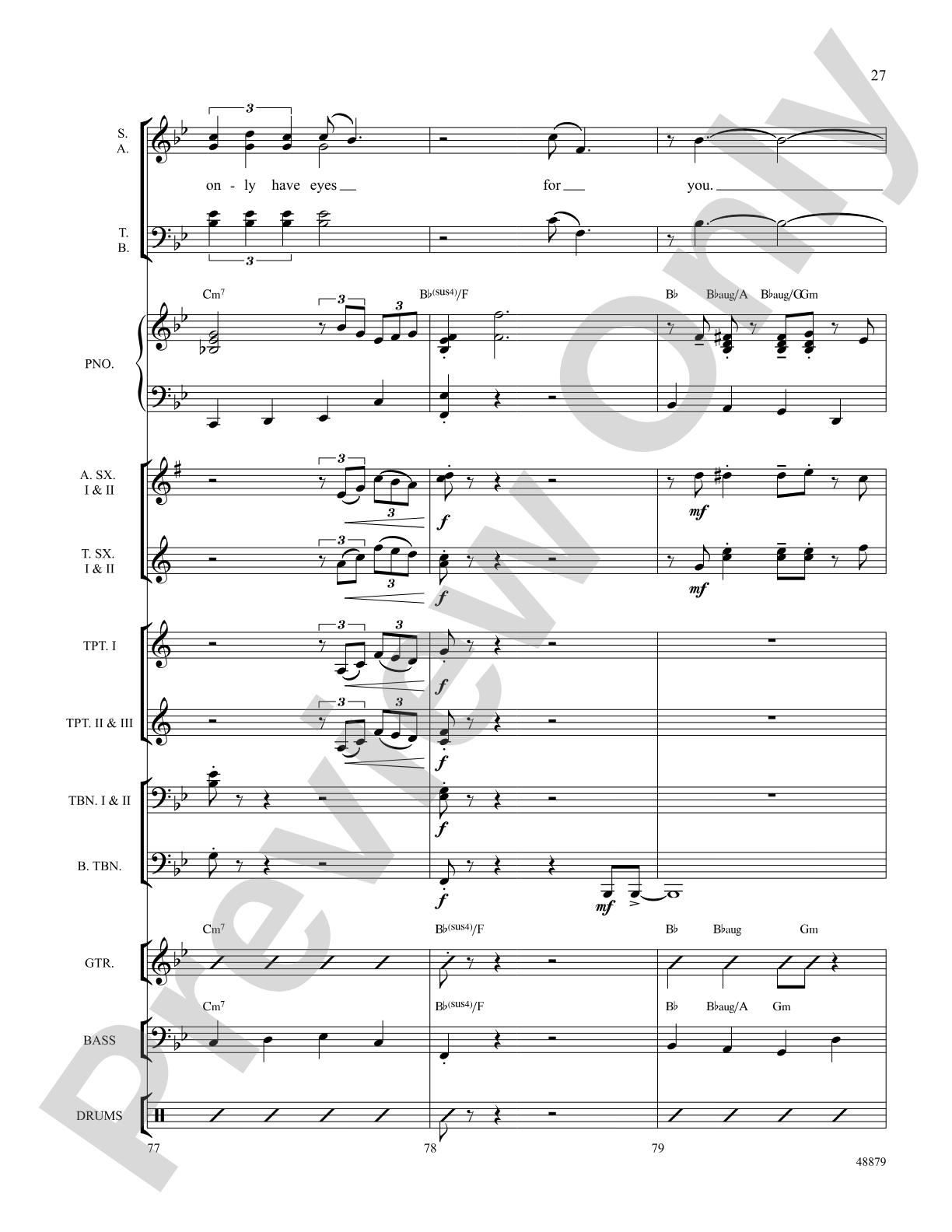
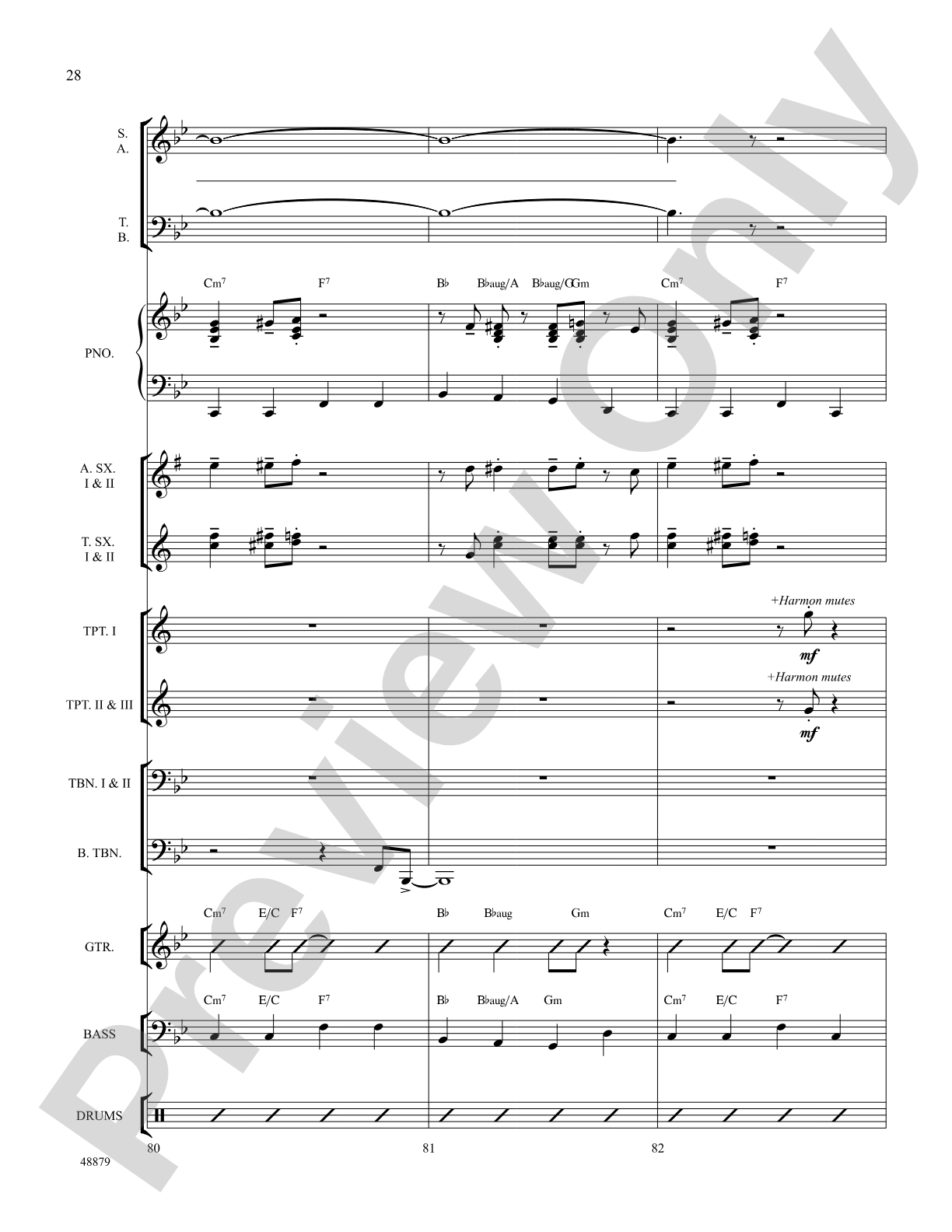
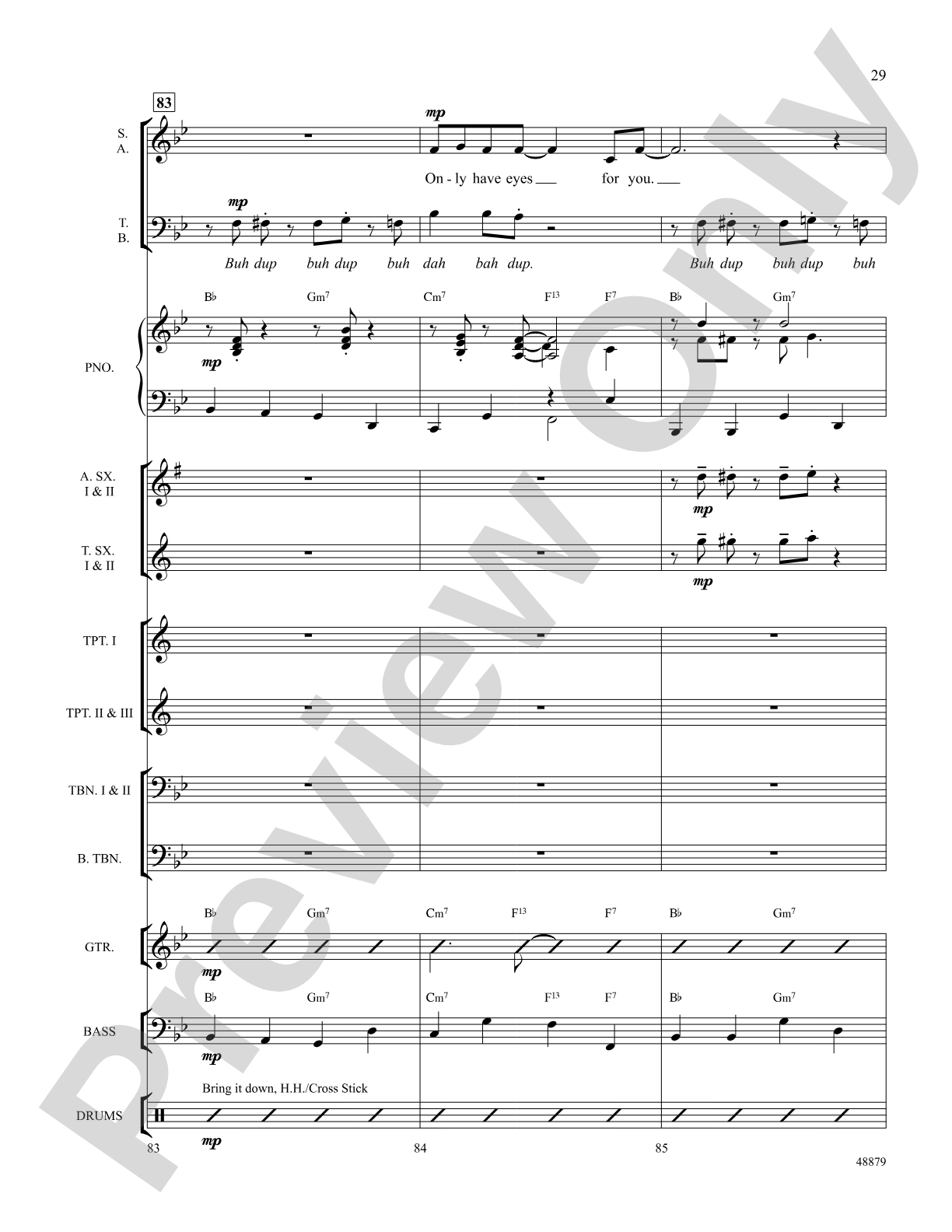
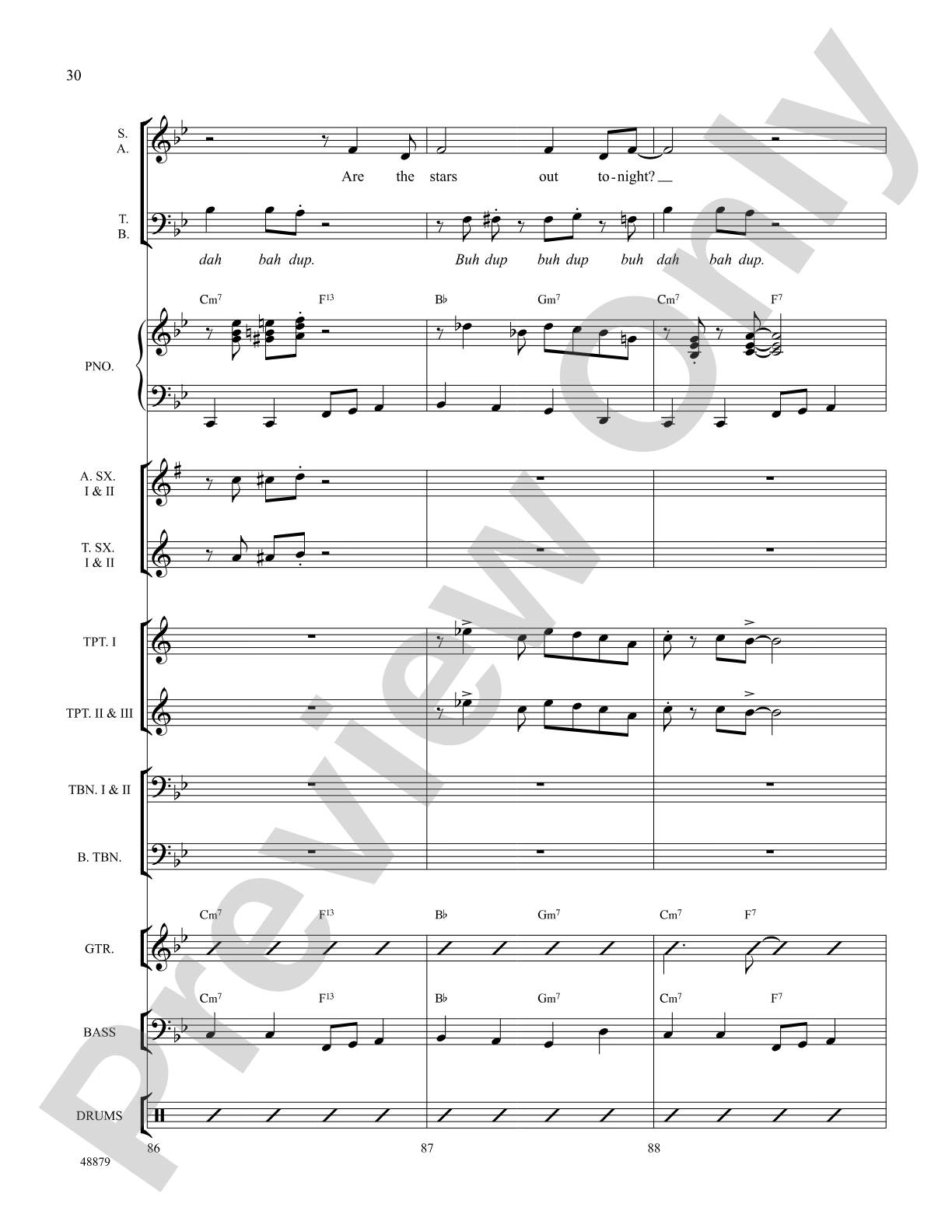
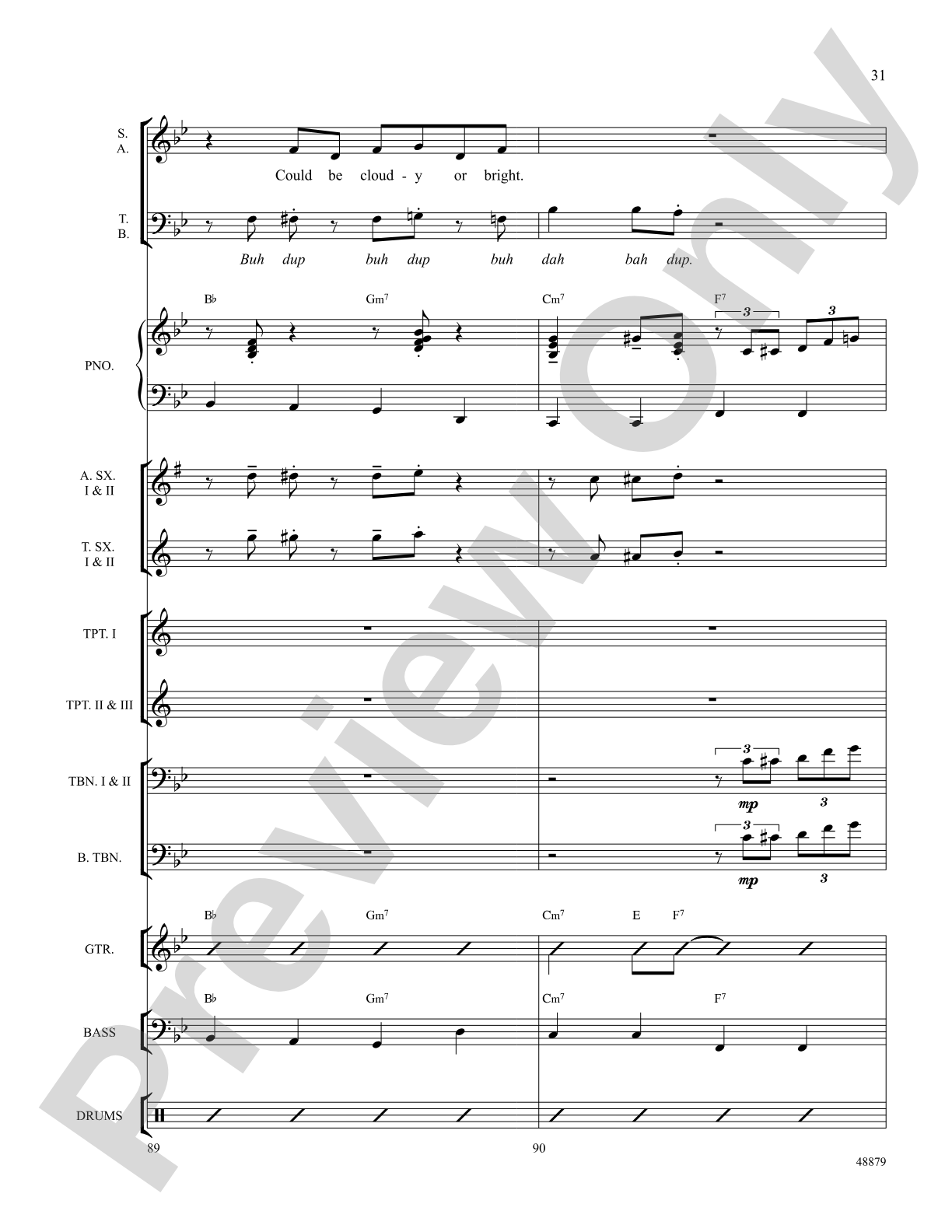
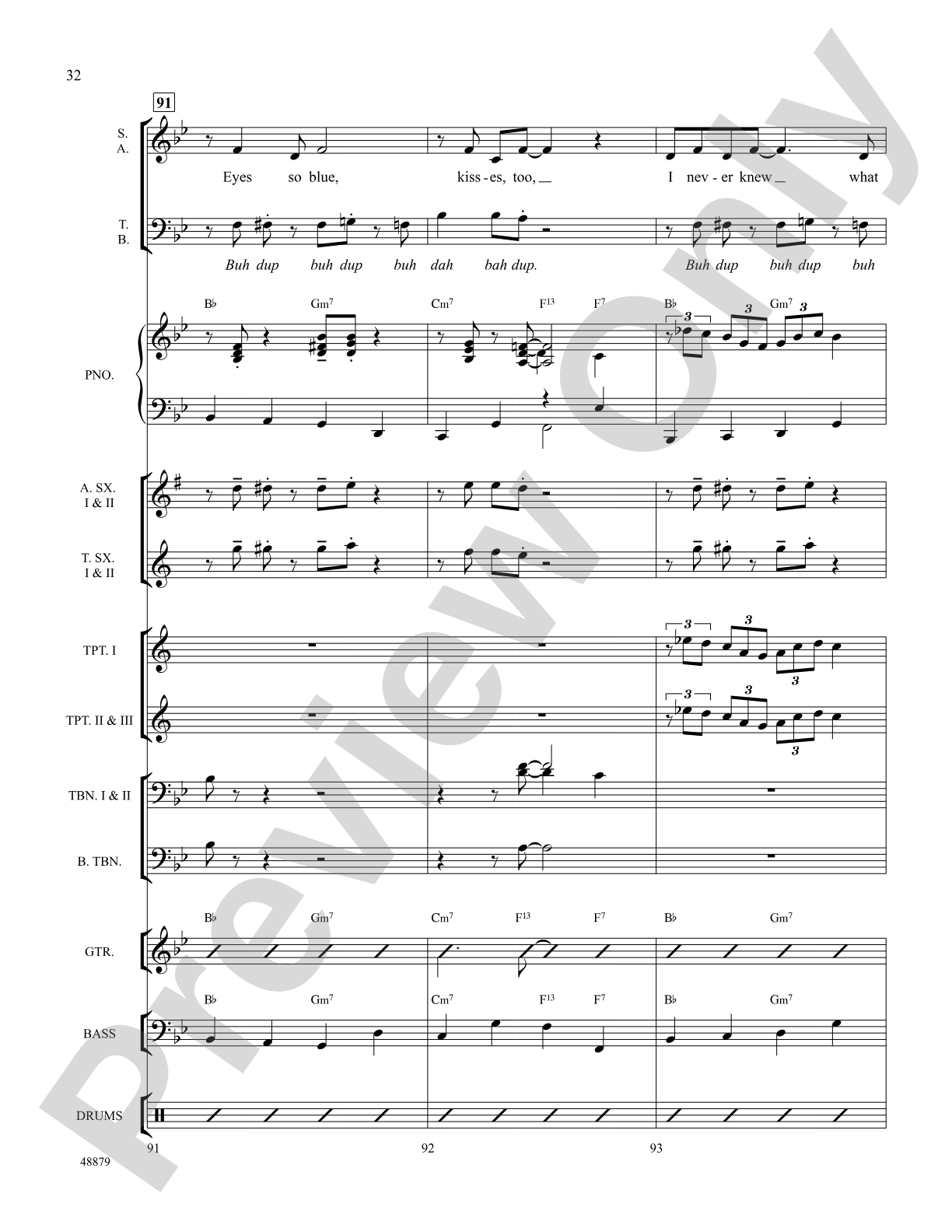



I Only Have Eyes for You: Choral SoundPax
Words by Al Dubin, music by Harry Warren / arr. Mark Hayes
Item: 00-PK-0008614
$50.00
One moment…
Related Items
I Only Have Eyes for You: SoundTrax Digital Audio Download |
$29.99
|
View | |
I Only Have Eyes for You: SATB Choral Octavo |
$2.25
|
View | |
I Only Have Eyes for You: SAB Choral Octavo |
$2.25
|
View | |
I Only Have Eyes for You: SSA Choral Octavo |
$2.25
|
View | |
I Only Have Eyes for You: SATB Choral Octavo |
$2.25
|
View | |
I Only Have Eyes for You: SAB Choral Octavo |
$2.25
|
View | |
I Only Have Eyes for You: SSA Choral Octavo |
$2.25
|
View | |
I Only Have Eyes for You: Choral Octavo SoundTrax CD |
$29.99
|
View | |
I Only Have Eyes for You: Choral SoundPax |
$50.00
|
View |
Description
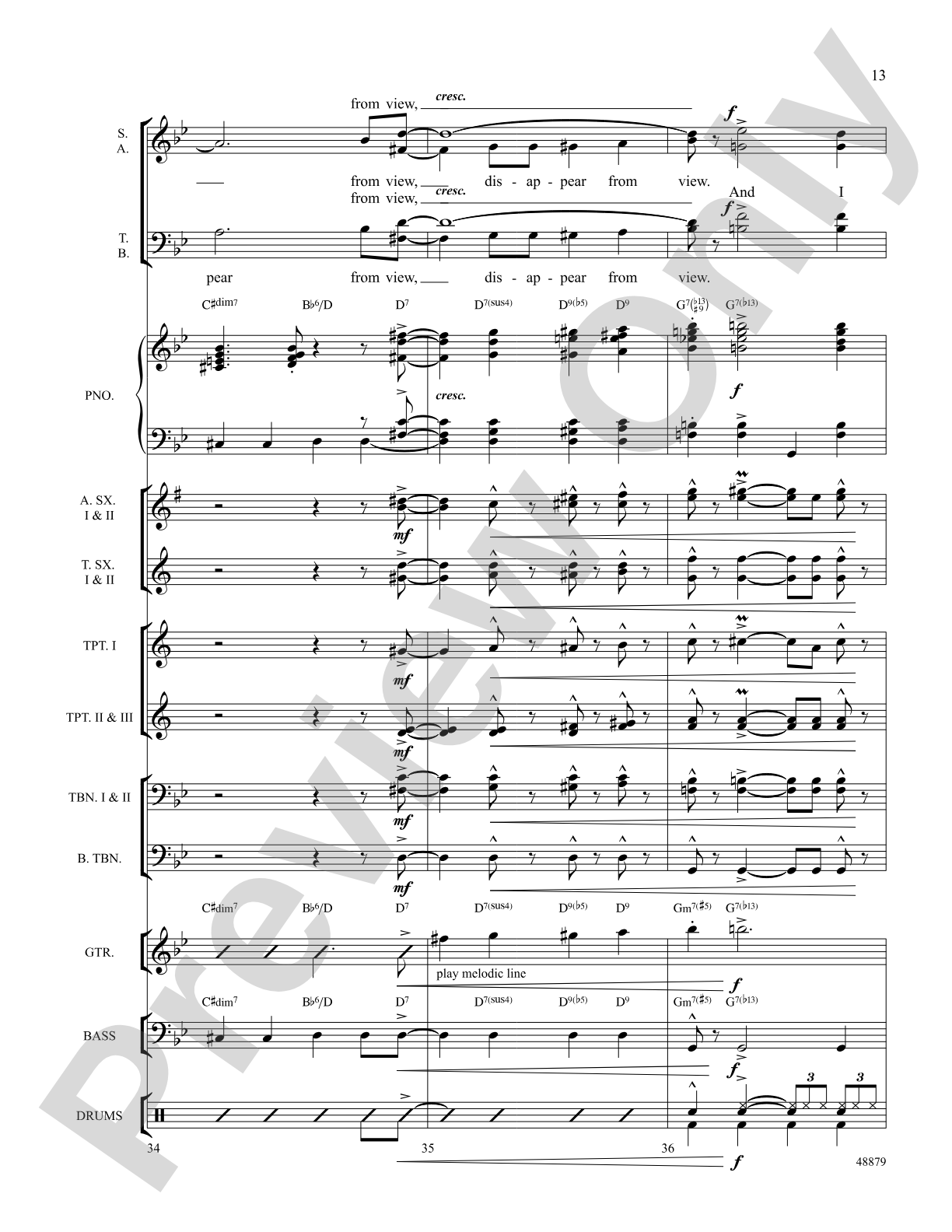
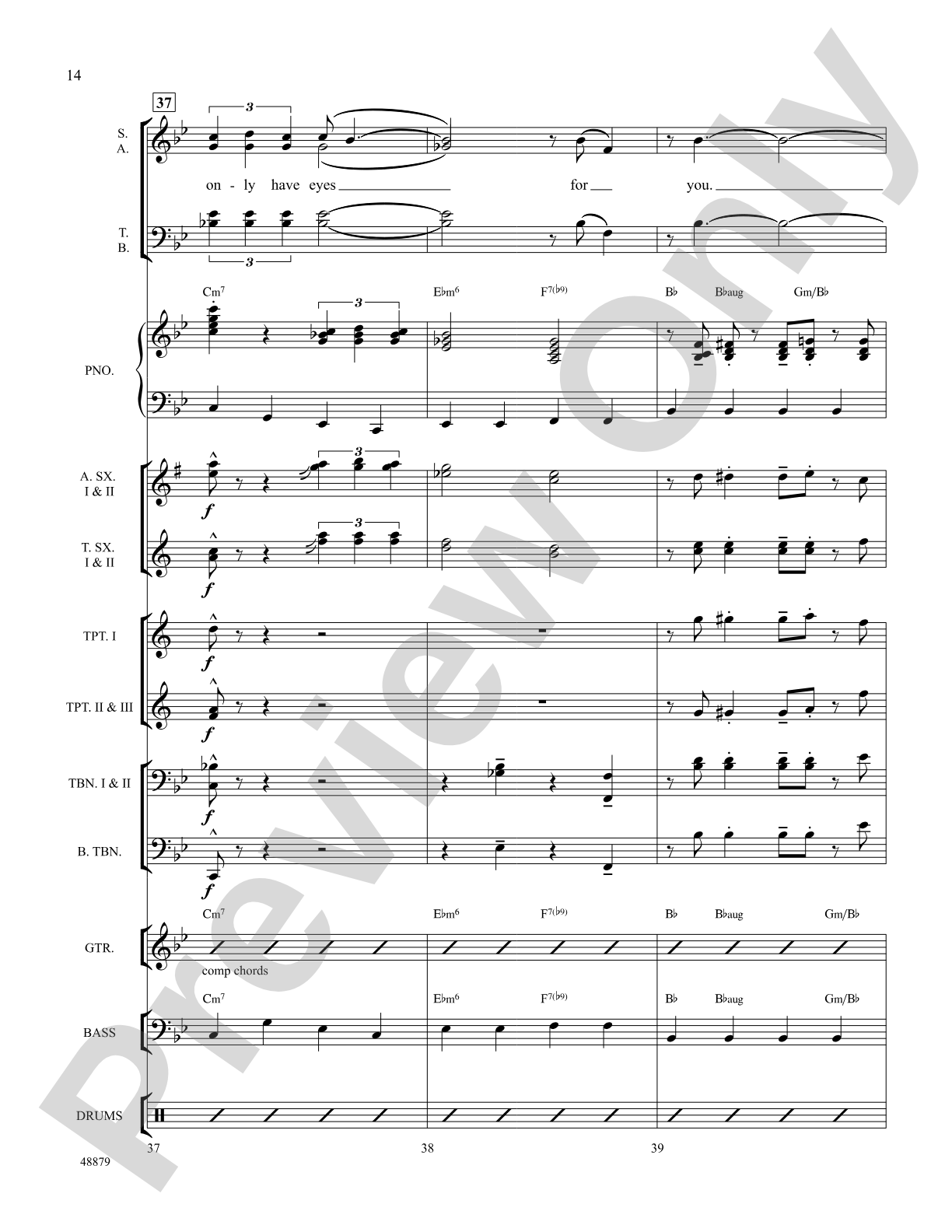
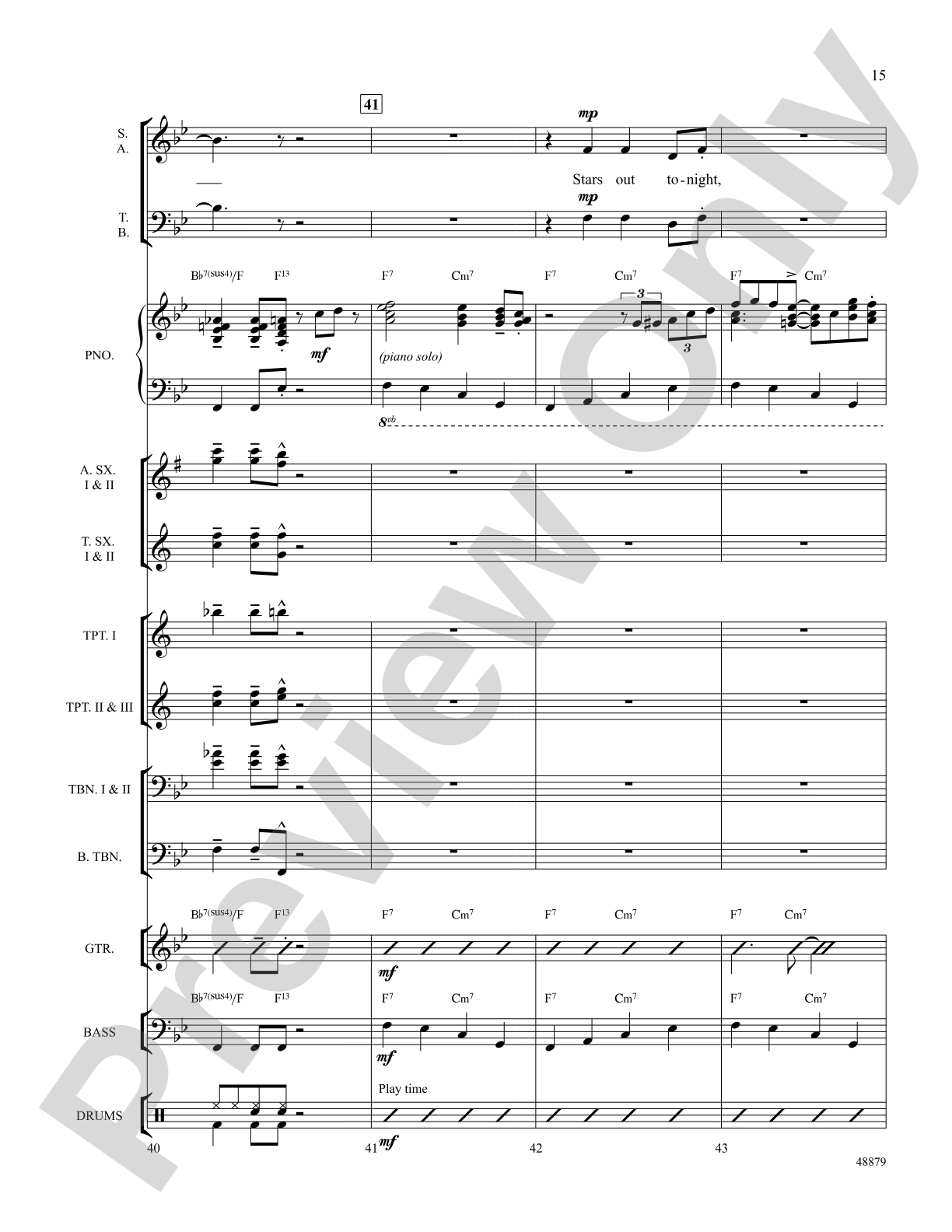
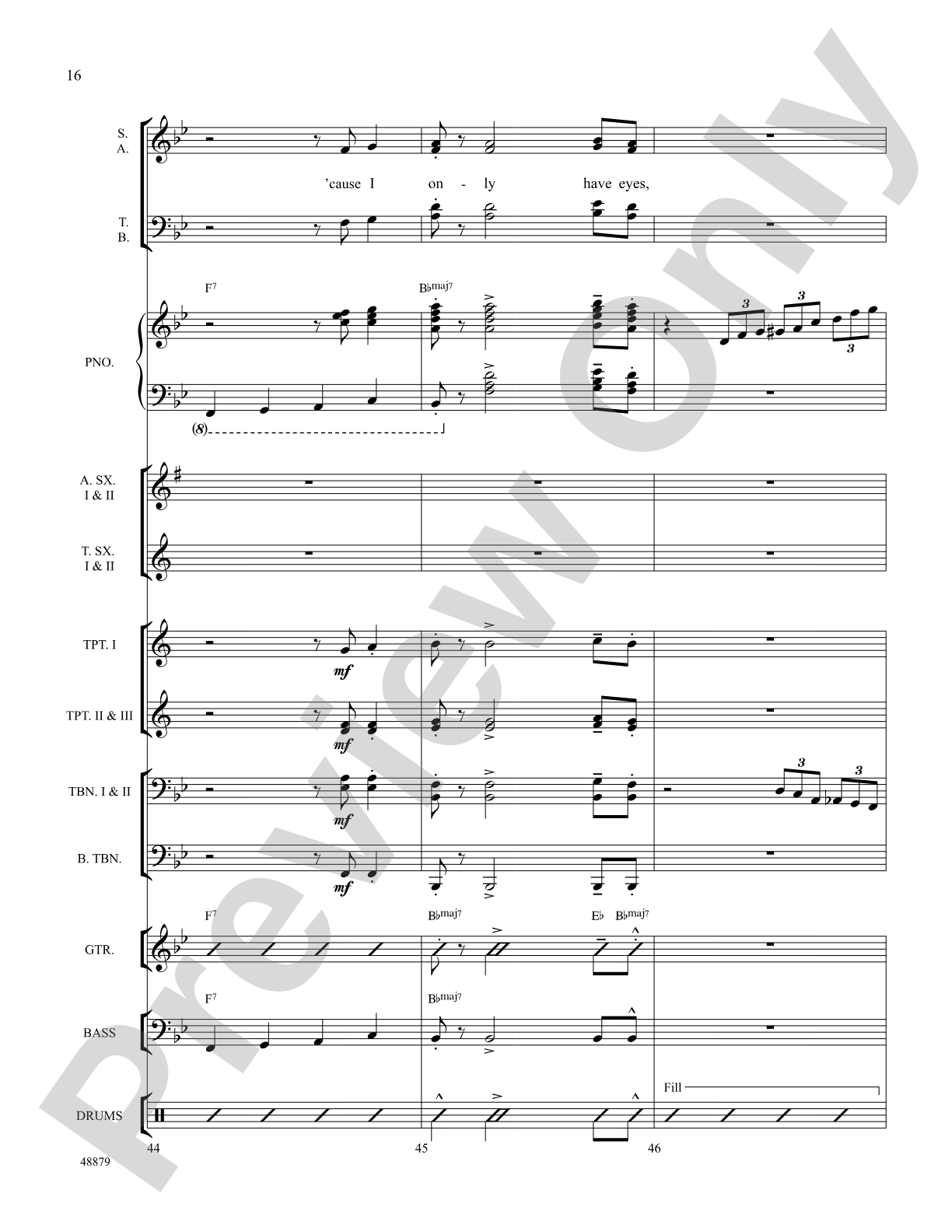
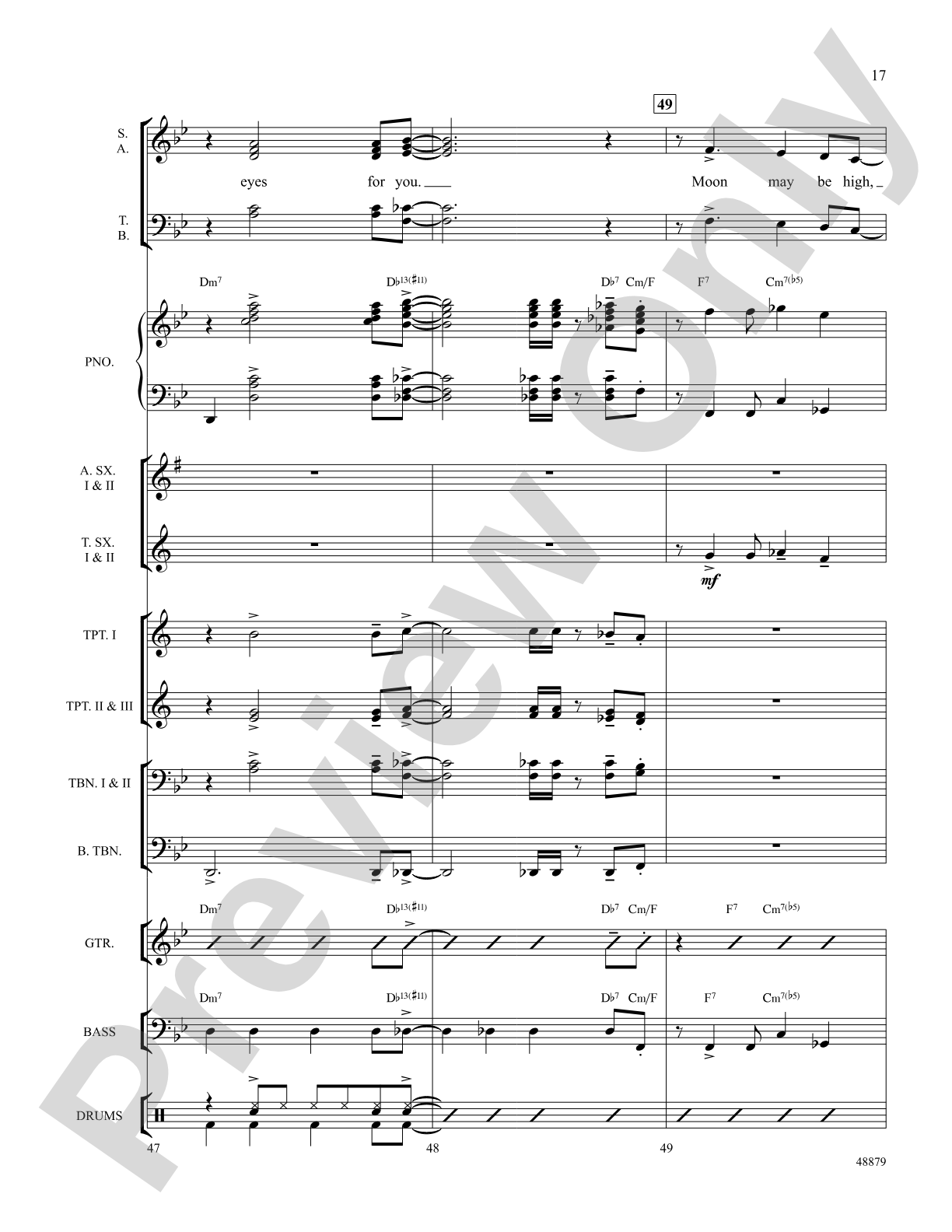
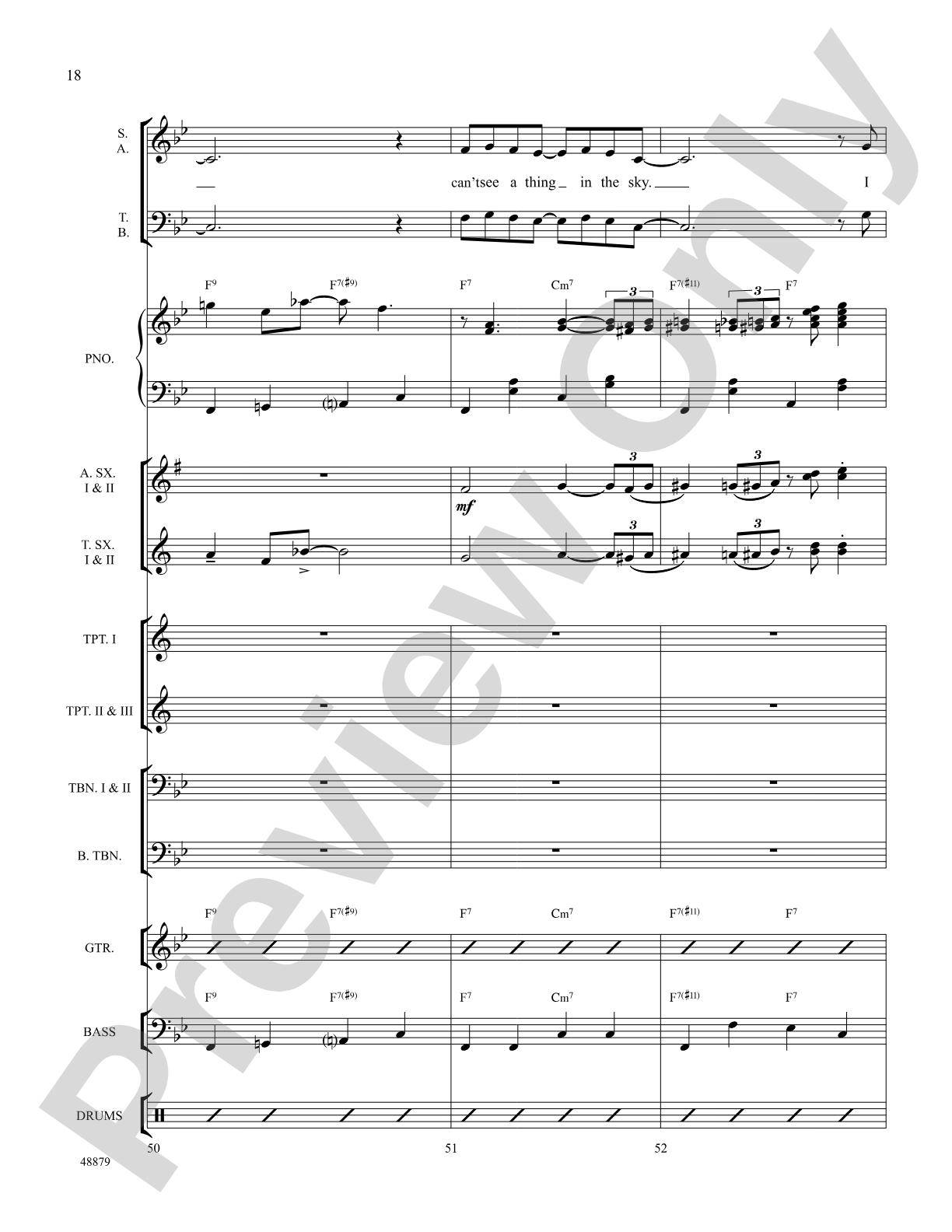
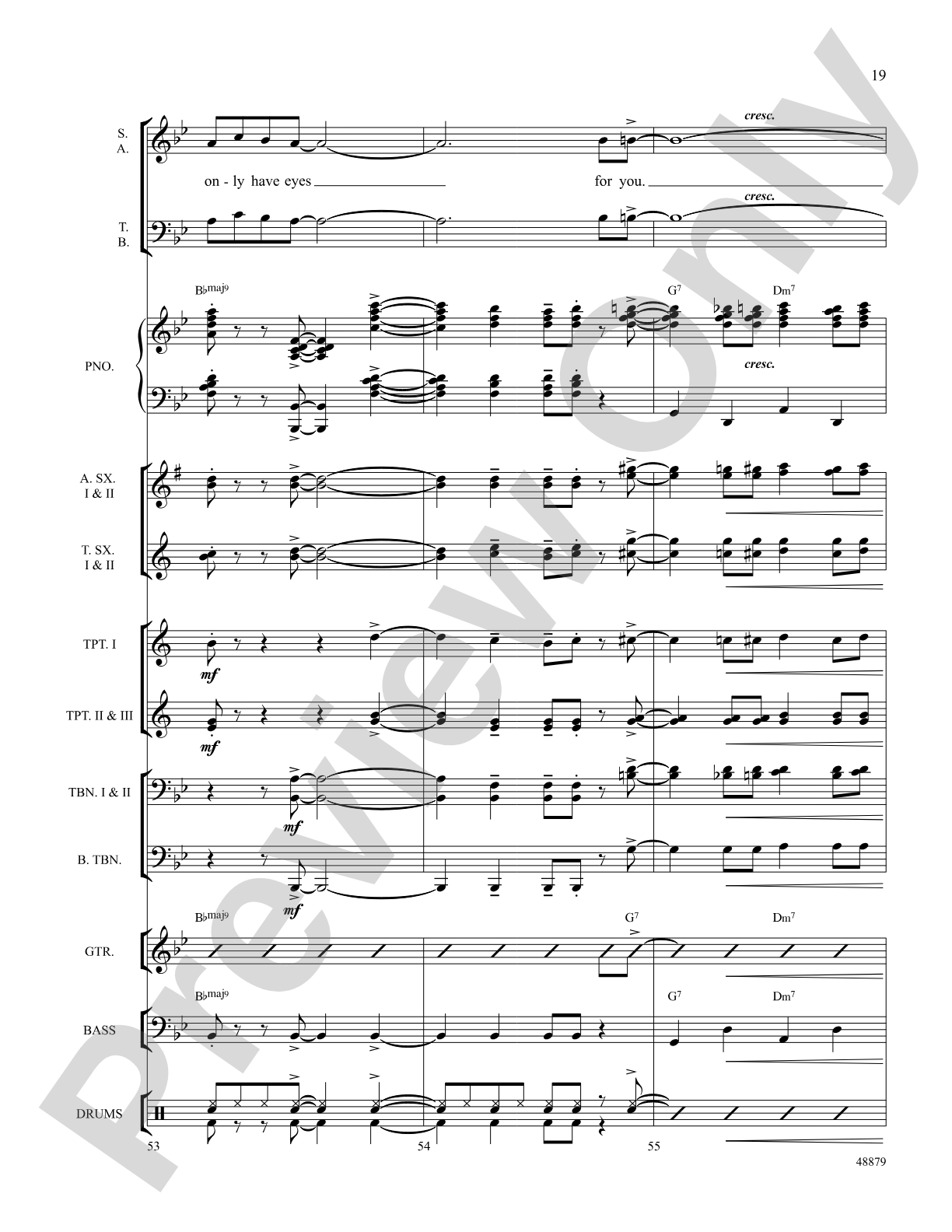
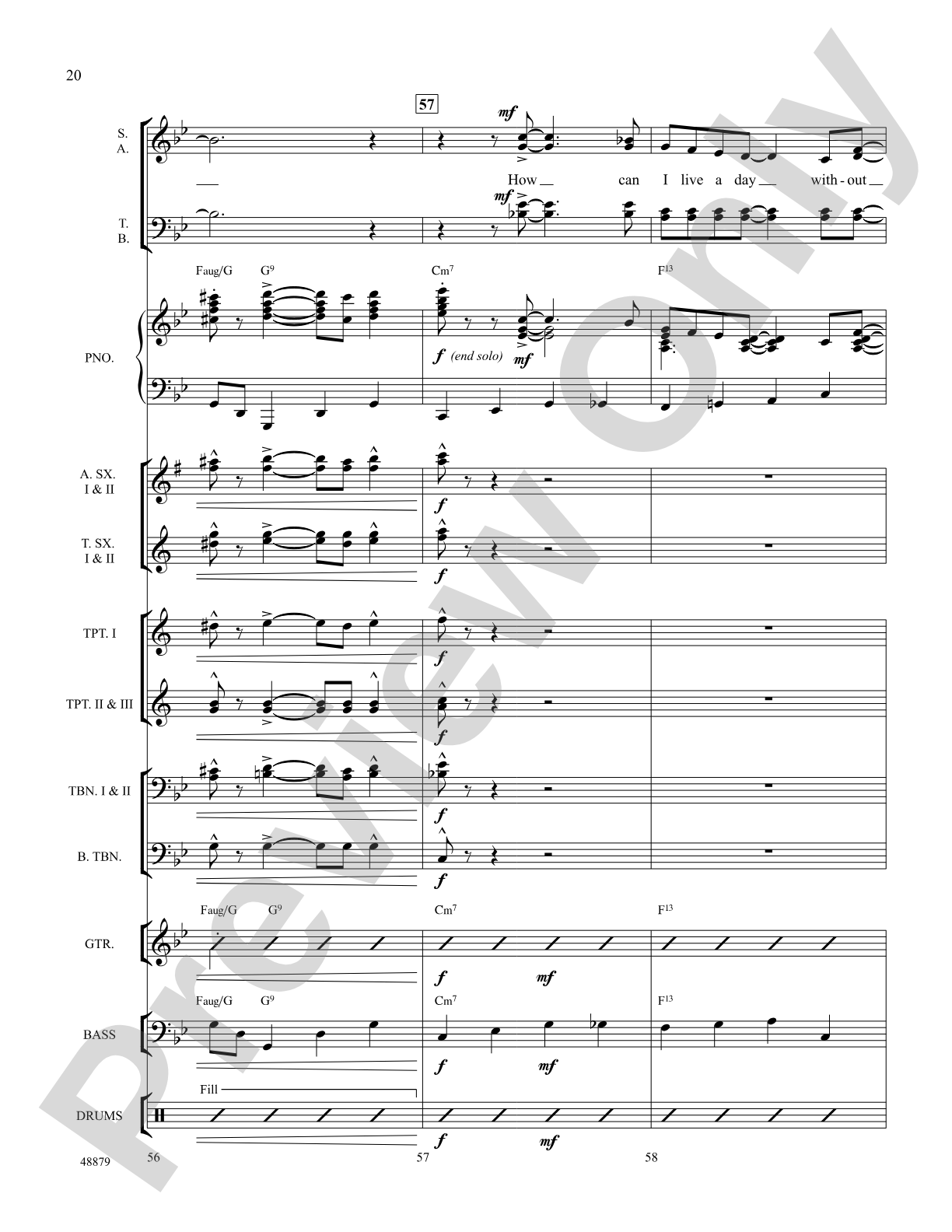
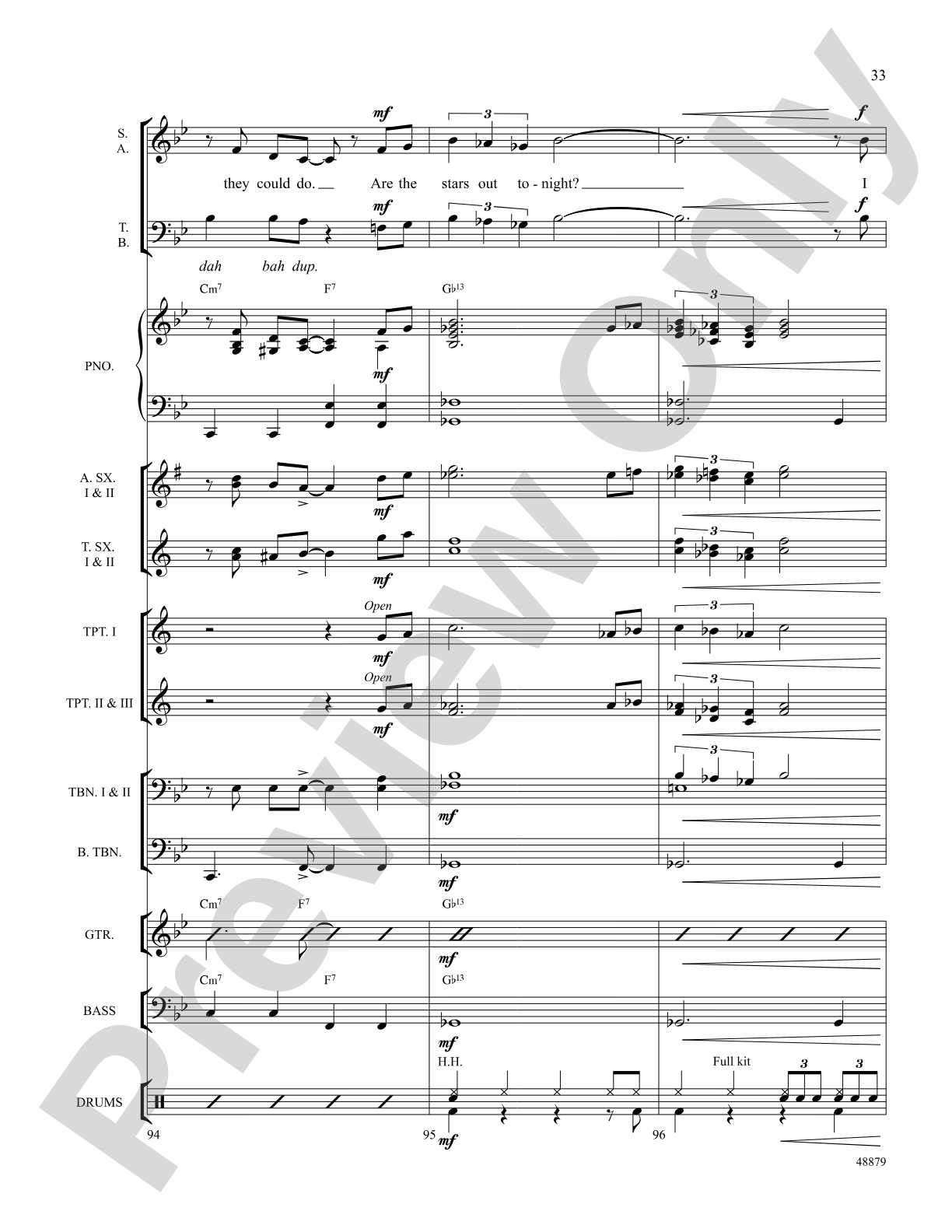
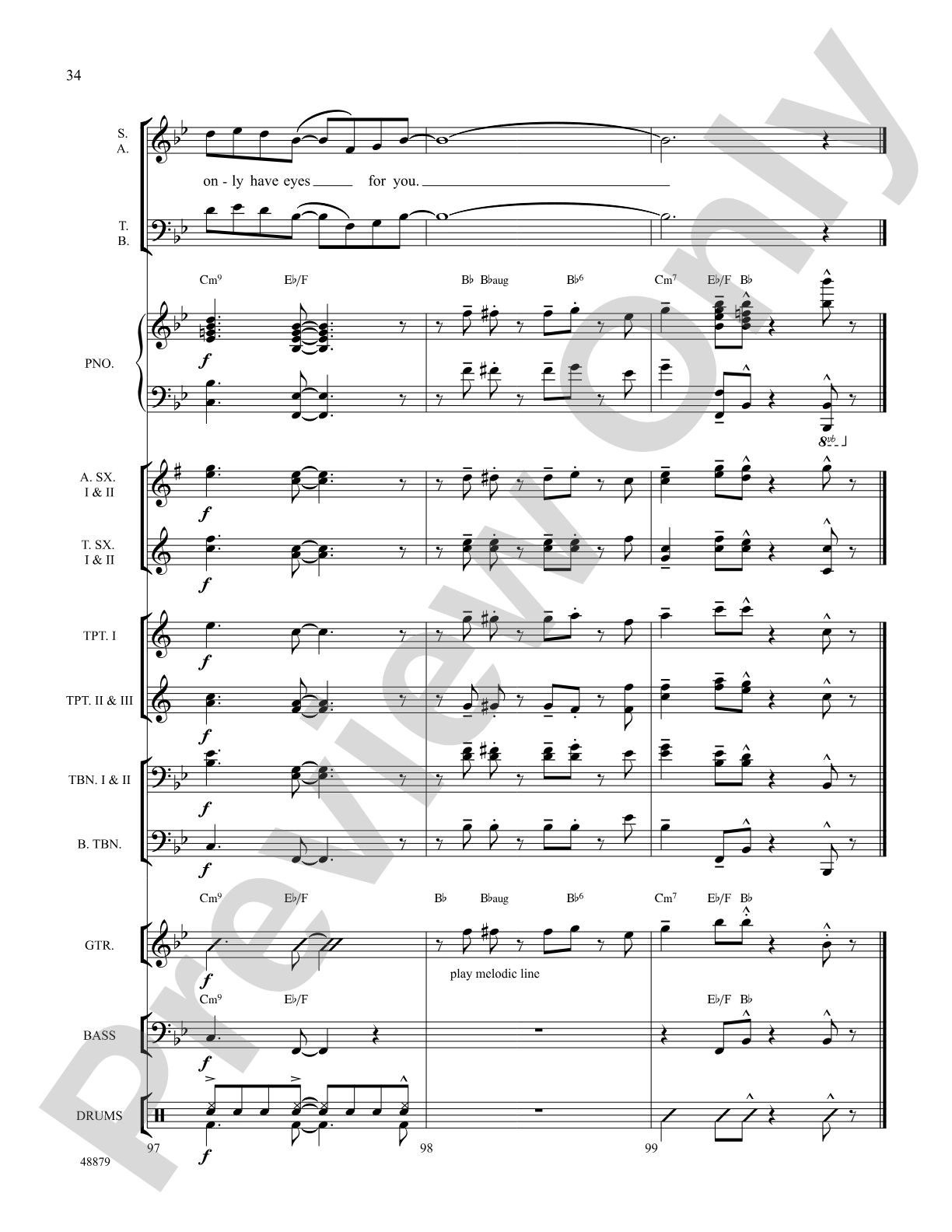
This swingin' standard made Rolling Stones' "500 Greatest Songs of All Time" list and has been recorded by various artists from The Flamingos and Art Garfunkel to Michael Bublé. This big-band style arrangement includes a dash of scat singing toward the end and plenty of jazzy syncopations along the way. Besides the obvious meaning of the title, a current-day twist hints at smizing over a face mask (wink, wink).


Discover MakeMusic Cloud: thousands of interactive titles your students can play along with today.
Sample Audio
1
Audio File
--:--
0:00
0:00
Sample Video
No sample videos found.
Additional Details
Series:
Alfred Pop Choral Series
Publisher:
Alfred Music
SKU:
00-PK-0008614
More about this title
About the Composer: Harry Warren
Harry Warren (1893-1981) composed some of the most enduring American popular standards of the 20th century. A prolific songwriter for film and stage, Warren created melodies that combined accessible charm with sophisticated harmonic underpinnings—songs that worked equally well in a Broadway theater, a jazz club, or a concert hall.
Warren's gift for writing memorable tunes that could be interpreted across multiple styles made his work ideal for music education. His standards remain alive in arrangement catalogs because they reward good musicianship while remaining genuinely fun to perform.
Why we love this
Mark Hayes brings a playful big-band sensibility to this classic standard without losing its warmth, and the scat-singing moment gives singers a chance to flex some jazz vocabulary in a structured, supportive context. The contemporary reference woven into the arrangement (that mask lyric) signals that this isn't a dusty period piece; it's a song that still speaks to audiences right now. Singers will sound sophisticated and have genuine fun doing it.
What to expect
Suave and swinging. The big-band voicings create a sophisticated shimmer while the melody sits comfortably in the ear, and those syncopations keep things playful and modern. There's an easy confidence here—the kind of arrangement that makes a choir sound like they belong in a jazz room.
Who it's for
This arrangement works well for choirs with some jazz experience or willingness to develop it. The syncopations and scat singing require singers who can navigate rhythmic flexibility and articulation with accuracy, though Hayes's orchestration supports the singers throughout.
How to get the most out of it
- Land the jazz syncopations with precision by having the choir subdivide the beat in rehearsal; these rhythms need to feel natural, not labored.
- Shape the scat section as a small group moment even if everyone sings it. Let the energy lighten and the articulation get snappier; this is where the arrangement invites playfulness.
- Balance the harmonic richness of the arrangement by listening for inner voices, especially in the big-band voicings. Use the recorded accompaniment to anchor chord quality while you refine blend.
- Treat the contemporary lyrical references as sincere moments, not punchlines. The wink lands better when the musical execution is confident.
How to use it
Pair this with other jazz standards or contemporary pop arrangements in a concert built around songs that cross generations. It also works beautifully as a bridge piece in a more classical-heavy program, signaling that your choir speaks multiple musical languages. The recorded accompaniment means you could feature this in a casual concert or community setting without requiring a full jazz band.
Skills your students will build
- Syncopated rhythm reading and execution in a jazz idiom
- Articulation control in scat singing
- Jazz harmony and blend in big-band voicings
- Stylistic interpretation of a standard across period and contemporary contexts