I Get a Kick Out of You Cover Image

I Get a Kick Out of You: Vocal Solo with Jazz Ensemble Conductor Score

$11.00 USD
Sale price  $11.00 USD Regular price 
Skip to product information
I Get a Kick Out of You Cover Image

I Get a Kick Out of You: Vocal Solo with Jazz Ensemble Conductor Score

Arr. Dave Wolpe

Grade: 3.5 (Medium)

Item: 00-29808S

$11.00
Shipped

One moment…

Description
A staple of every jazz singer's repertoire, arranger Dave Wolpe delivers another great chart with plenty of musical space for the vocalist. Dave knows how to arrange better than just about anyone and this chart proves it with perfect ensemble writing, an alto solo, and it's arranged in two keys: female (low) key of B-flat---G below middle C to 3rd space C, male (high) key of E-flat---middle C to top line F, treble clef. Includes two scores and reversible parts---just flip the page for the key that suits your vocalist. You'll get a kick out of this chart! (4:02)

I Get a Kick Out of You: Vocal Solo with Jazz Ensemble Conductor Score isn't in MakeMusic Cloud just yet...but it could be. Let us know you'd like to see it, and you'll help shape what comes next. In the meantime, start a free trial and dive into thousands of interactive titles your students can play along with today.

Sample Pages

Sample Audio
0:00
0:00
Sample Video
Additional Details
Series: Jazz Vocal Series
Publisher: Alfred Music
Page Count: 36
UPC: 038081314860
SKU: 00-29808S

More about this title

About the Arranger: Dave Wolpe
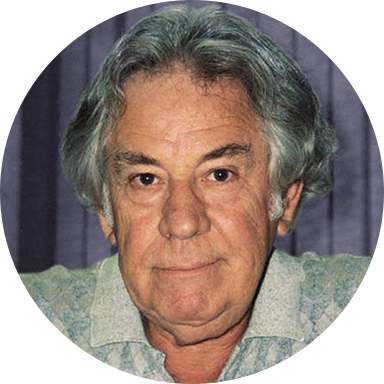
Dave Wolpe

Dave Wolpe has been arranging professionally since 1965, building a catalog of work that spans decades of American popular music. His arrangements for the Glenn Miller Orchestra number in the dozens, and he served as co-arranger on the platinum-certified recording In the Christmas Mood. Throughout his career, he has contributed arrangements to major orchestras led by Ray Anthony, Lawrence Welk, and Les Brown, establishing himself as a trusted voice in big band and jazz ensemble writing.

Why we love this

Wolpe understands how to write for vocalists without drowning them out. The arrangement gives the singer genuine musical space while the ensemble sounds sophisticated and swung, and the reversible parts mean you don't need two separate purchases to accommodate different voice types. That's craft meeting practicality.

What to expect

Sophisticated, playful, and swinging. Cole Porter's melody sits perfectly in the pocket of a well-arranged ensemble, and Wolpe's writing lets the vocalist shine without sacrificing the band's voice. It's the sound of a good night out at a jazz club, with enough musical substance to make everyone on stage feel like professionals.

Who it's for

Any jazz ensemble working with a vocalist who has the maturity to handle a classic standard with style and control. This works equally well for a high school or college jazz vocal soloist, and the two-key format removes the excuse of transposition limitations.

How to get the most out of it

  • Balance the alto solo with the vocalist's entrance; the ensemble should support, not compete, once the vocalist enters.
  • The choice between B-flat and E-flat keys matters for the vocalist's comfort and power zone. Rehearse with the key that lets your singer sit naturally in the middle-to-upper range rather than pushing toward extremes.
  • Lock the rhythm section's swing feel early. The ensemble's pocket depends on the drums and bass committing to the same articulation and placement of beats.
  • Give the vocalist time to breathe during ensemble passages. Mark those moments in rehearsal so everyone knows when the vocalist is resting and regaining air.

How to use it

Feature this at a jazz concert or variety show where you want to showcase both your vocalist and ensemble strength. It works well in the second half of a program, after you've established the band's instrumental chops, as a shift in mood and focus.

Skills your students will build

  • Balancing vocal line with ensemble accompaniment
  • Swing articulation and phrasing in a standard
  • Reading and performing from the appropriate transposed key
  • Listening to and supporting a featured soloist
  • Jazz ensemble cohesion in a head-and-solo chart structure

You May Also Like