I Get a Kick Out of You Cover Image

I Get a Kick Out of You: Vocal Solo with Jazz Ensemble Conductor Score & Parts

$62.00 USD
Sale price  $62.00 USD Regular price 
Skip to product information
I Get a Kick Out of You Cover Image

I Get a Kick Out of You: Vocal Solo with Jazz Ensemble Conductor Score & Parts

Arr. Dave Wolpe

Grade: 3.5 (Medium)

Item: 00-29808

Need it now?

Buy Digital Version
$62.00
Shipped

One moment…

Description
A staple of every jazz singer's repertoire, arranger Dave Wolpe delivers another great chart with plenty of musical space for the vocalist. Dave knows how to arrange better than just about anyone and this chart proves it with perfect ensemble writing, an alto solo, and it's arranged in two keys: female (low) key of B-flat---G below middle C to 3rd space C, male (high) key of E-flat---middle C to top line F, treble clef. Includes two scores and reversible parts---just flip the page for the key that suits your vocalist. You'll get a kick out of this chart! (4:02)

I Get a Kick Out of You: Vocal Solo with Jazz Ensemble Conductor Score & Parts isn't in MakeMusic Cloud just yet...but it could be. Let us know you'd like to see it, and you'll help shape what comes next. In the meantime, start a free trial and dive into thousands of interactive titles your students can play along with today.

Sample Pages

Sample Audio
0:00
0:00
Sample Video
Additional Details
Series: Jazz Vocal Series
Publisher: Alfred Music
Page Count: 102
UPC: 038081314853
SKU: 00-29808

More about this title

About the Arranger: Dave Wolpe
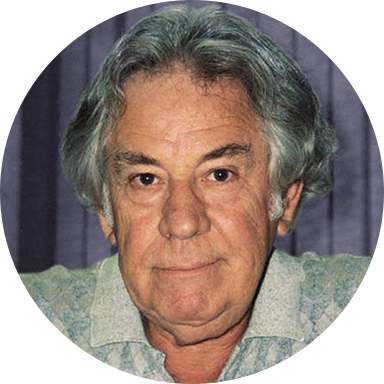
Dave Wolpe

Dave Wolpe has been writing and arranging jazz orchestrations since 1965, amassing a catalog that spans decades of professional work. He arranged dozens of charts for the Glenn Miller Orchestra and served as co-arranger on the platinum-selling CD In the Christmas Mood. His arrangements have also appeared with the orchestras of Ray Anthony, Lawrence Welk, and Les Brown, making him a trusted voice in the big band and jazz ensemble world.

Why we love this

Wolpe writes with the vocalist first, creating genuine musical space rather than crowding the soloist with busy ensemble parts. The reversible parts system solves a real logistical problem: you can use the same printed charts for both B-flat (female) and E-flat (male) keys simply by flipping the page, saving money and rehearsal confusion. His alto solo gives the band something memorable to play when the vocalist isn't singing, keeping the ensemble engaged throughout.

What to expect

Classic swing with elegance and restraint. The arrangement breathes like a real jazz standard should, with enough ensemble support to feel full without ever overshadowing the story the vocalist is telling. There's warmth in the harmony and genuine swing in the rhythm section.

Who it's for

Jazz ensemble directors working with vocalist soloists at the intermediate to advanced level. This is also a strong choice for vocalists building a jazz performance portfolio, as the arrangement is sophisticated enough to showcase musicianship without requiring a virtuosic voice.

How to get the most out of it

  • Balance the ensemble dynamics so the vocalist can float easily over the top; Wolpe's voicings sit naturally under a solo line, but only if the band remembers they're the foundation, not the feature.
  • Let the alto soloist have real ownership of that break. It's written to land cleanly and deserves a moment to breathe rather than being rushed through.
  • Set the tempo with the vocalist in mind. The chart is clocked at just over four minutes, which gives you room to find a groove that feels relaxed rather than driven.

How to use it

Feature this as a centerpiece on a jazz concert or within a mixed program of standards and original compositions. The tune works equally well as a showcase for a featured vocalist or as part of a larger jazz set where your ensemble gets to demonstrate ensemble writing and solo work in a single chart.

Skills your students will build

  • Balancing solo melody with ensemble accompaniment
  • Swing phrasing and rubato over a steady rhythm section
  • Reading reversible parts in multiple transpositions
  • Small ensemble voicing and voice leading
  • Trading solos and trading sections between voice and instruments

You May Also Like