
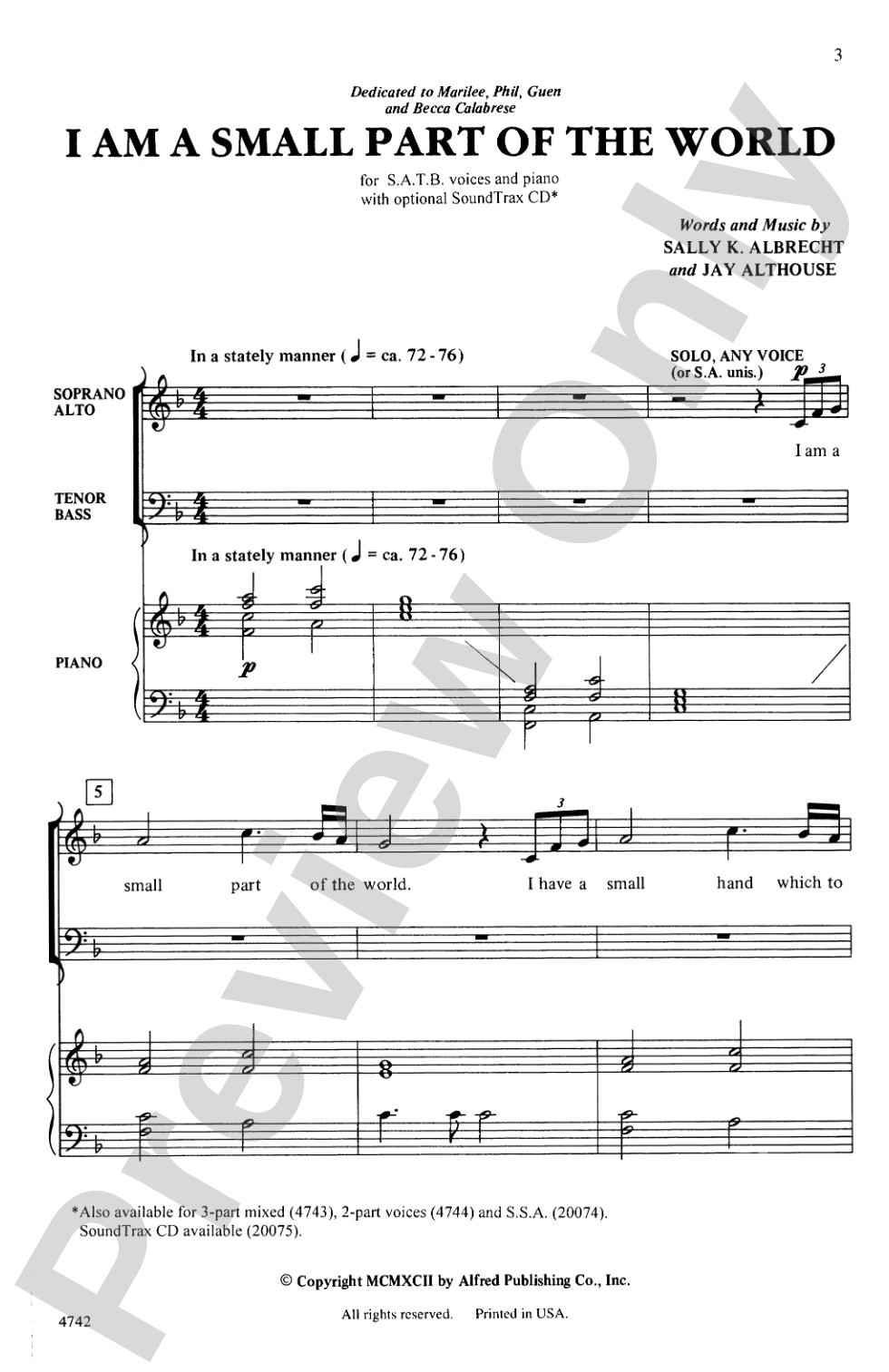
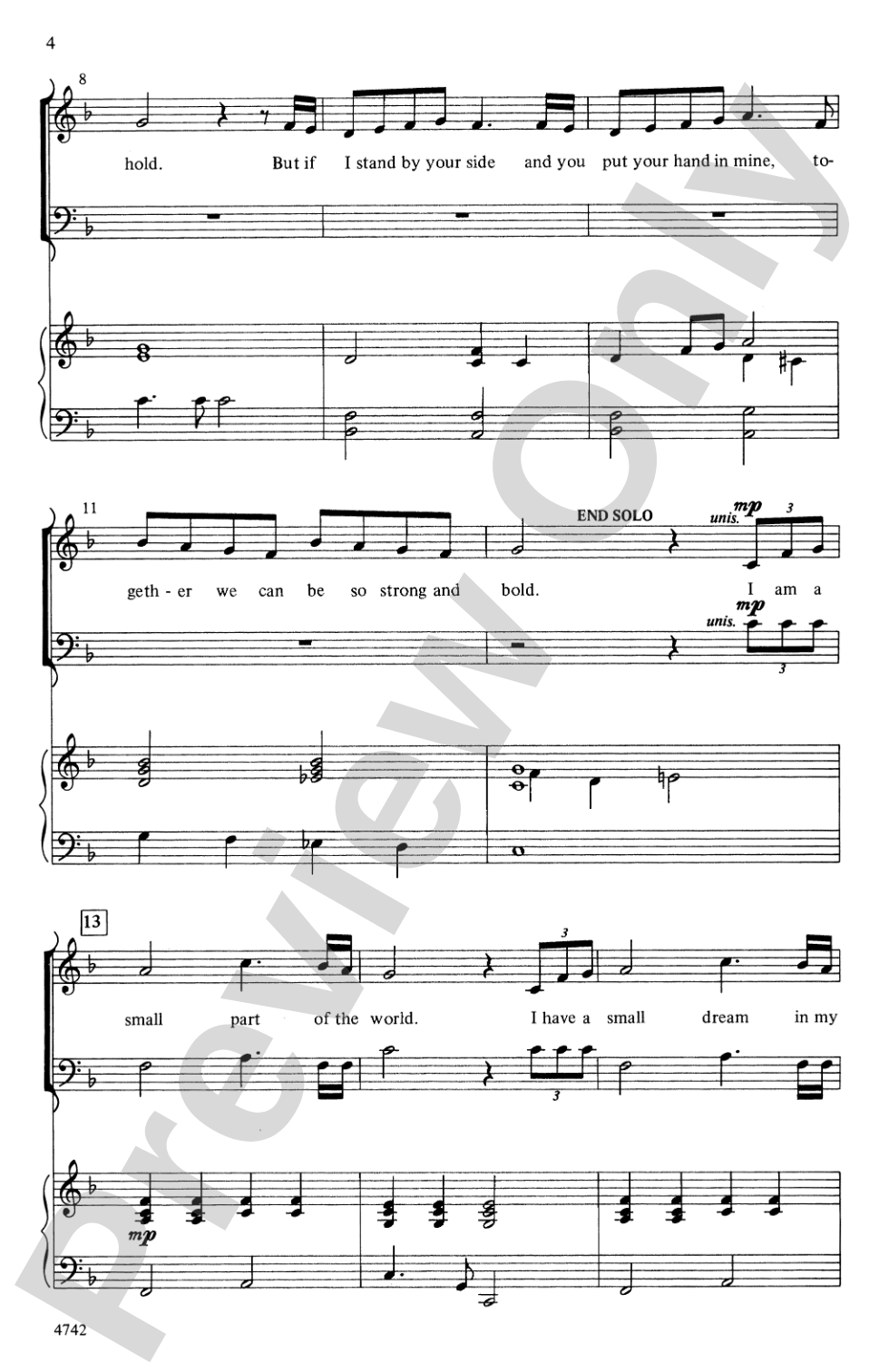

I Am a Small Part of the World: SATB Choral Octavo
Music by Sally K. Albrecht and Jay Althouse
Item: 00-PO-0002929

$2.25
Minimum order quantity: 20 copies
Pickup currently not available
Related Items
I Am a Small Part of the World: 3-Part Mixed Choral Octavo |
$2.05
|
View | |
I Am a Small Part of the World: SSA Choral Octavo |
$2.25
|
View | |
I Am a Small Part of the World: 2-Part Choral Octavo |
$2.05
|
View | |
I Am a Small Part of the World: 3-Part Mixed Choral Octavo |
$2.05
|
View | |
I Am a Small Part of the World: SSA Choral Octavo |
$2.25
|
View | |
I Am a Small Part of the World: 2-Part Choral Octavo |
$2.05
|
View | |
I Am a Small Part of the World: Choral Octavo SoundTrax CD |
$27.99
|
View |
Description
A stirring text combined with solid choral writing make this an ideal choice for concerts and festivals. Perfect for massed choirs or for any size choir. Starts small, builds, and then ends quietly: 'I am a small part of the world. Take my hand.' A dramatic choral work, full of strength, power and determination.


Don't just read it, hear it, play along with it, and watch your students grow with it. In MakeMusic Cloud, I Am a Small Part of the World: SATB Choral Octavo comes alive with professional accompaniment, adjustable tempo, and built-in practice tools that turn solo practice into real progress.
Open in the Player
Jump straight in and assign it today.
Start Your Free Trial
Open this title and explore the full library in minutes.
Sample Audio
1
Audio File
--:--
0:00
0:00
Sample Video
No sample videos found.
Additional Details
Series:
Alfred Archive Edition: Alfred Choral Designs
Publisher:
Alfred Music
Page Count:
12
SKU:
00-PO-0002929
More about this title
About the Composer: Sally K. Albrecht
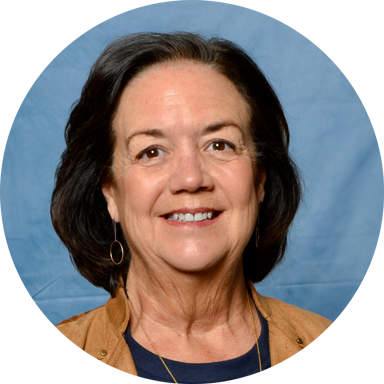
Sally K. Albrecht is a prolific choral composer and conductor whose career spans more than three decades in music education and publishing. She has received the ASCAP Special Music Award annually since 1987 and maintains over 600 choral publications in print, alongside 75 larger works for stage and song. Her conducting has shaped honor choirs at major venues including Lincoln Center, Carnegie Hall, and The Kennedy Center, and she directed choral and vocal publications for leading educational publishers, including Alfred Music.
Albrecht holds degrees from Rollins College (B.A. in Music and Theater, 1976), the University of Miami (M.A. in Drama, 1977; M.M. in Accompanying, 1979), and has taught at Oakland University, Jersey City State College, and Meredith College. She is particularly recognized for integrating movement into choral performance. In 2021, she received the Distinguished Alumna Award from both the University of Miami Frost School of Music and Rollins College, where she serves as a Board member. She resides in Wake Forest, North Carolina, with her husband, composer and arranger Jay Althouse.
Why we love this
The arc of this piece is remarkably sophisticated for its accessibility. It begins with intimacy and restraint, builds through compelling harmonic movement, and resolves with quiet conviction. That structural honesty paired with a text about individual agency within the collective makes it sing for spring concerts, graduations, and peace-focused programming where you need something that moves singers and audiences without sentimentality.
What to expect
The piece unfolds like a conversation that starts as a whisper and grows into a collective voice. There is strength in the middle section that feels earned rather than forced, and the return to quietness at the end carries weight because of where you have traveled. Singers feel part of something larger than themselves without losing their individuality.
Who it's for
Any choir looking for a piece that works equally well in a small ensemble or massed festival setting. The writing sits comfortably across voice types and doesn't demand soloistic maturity, making it suitable for developing singers who are ready to engage emotionally with meaningful text.
How to get the most out of it
- Shape the opening phrases with careful dynamic control to establish intimacy; the contrast becomes much more powerful when the buildup has somewhere to come from.
- Pay attention to the text as the primary shaper of expression. 'Take my hand' carries the emotional weight of the piece, so singers should understand what binds these words together before worrying about technical precision.
- Explore the movement and staging options if your singers and space allow it. Albrecht's writing often invites physical gesture, and even subtle positioning during key moments can amplify the message without overshadowing the harmony.
- Use the recorded accompaniment in rehearsal to lock ensemble entrances, but gradually reduce its volume as singers internalize the harmonic foundation and can focus on blend and balance.
How to use it
This works beautifully as the closing piece of a spring or Earth Day concert, or as a powerful closing statement for graduation programs. It pairs well with both contemplative selections and more energetic repertoire, as its emotional arc gives any program a sense of intentionality and growth. It also shines in festival settings where multiple choirs perform together and need a unifying piece.
Skills your students will build
- Dynamic control in quiet passages and gradual crescendi
- Ensemble blend and balance across all four voice parts
- Text expression and understanding how lyrics shape phrasing
- Harmonic listening and intonation in sustained chords
- Coordination of movement with singing (if staging is incorporated)