Hitch a Ride Cover Image

Hitch a Ride: 3-Part Mixed, <I>a cappella</I> Choral Octavo

$2.25 USD
Sale price  $2.25 USD Regular price 
Skip to product information
Hitch a Ride Cover Image

Hitch a Ride: 3-Part Mixed, a cappella Choral Octavo

Music by Mary Donnelly and George L. O. Strid

Item: 00-4772

makemusic Cloud badge

Need it now?

Buy Digital Version
$2.25
Shipped

One moment…

Description
Mary Donnelly and George Strid wrote this exciting spiritual exclusively for 3-part mixed choirs. It has a limited boys' range, but the guys get the melody (which practically sings itself). The piece is built on the percussive sound of the title: 'Hit-ch a ride on the glory train.' Optional piano, but intended to sung a cappella.

Don't just read it, hear it, play along with it, and watch your students grow with it. In MakeMusic Cloud, Hitch a Ride: 3-Part Mixed, a cappella Choral Octavo comes alive with professional accompaniment, adjustable tempo, and built-in practice tools that turn solo practice into real progress.

Sample Pages

Sample Audio
0:00
0:00
Sample Video
Additional Details
Series: Alfred Archive Edition: Alfred Choral Designs
Publisher: Alfred Music
Page Count: 12
UPC: 038081004778
SKU: 00-4772

More about this title

About the Composer: Mary Donnelly
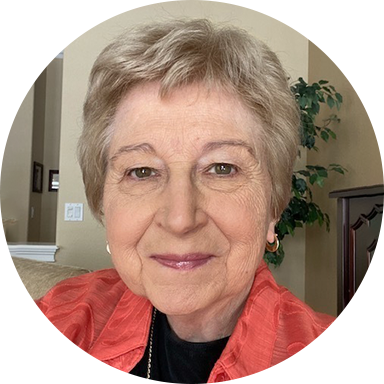
Mary Donnelly

Mary Donnelly grew up in Reno, Nevada, and studied English and French at the University of Nevada before discovering her passion for music education. While still an undergraduate, she co-founded two children's choruses, an experience that prompted her to pursue formal training in music pedagogy. She earned a Master's Degree in Education from Lesley College in Cambridge, Massachusetts, with a focus on arts integration across disciplines. Over thirty years, she taught general music and choir in the Washoe County School District, retiring as an active educator and member of ACDA, NEA, and ASCAP.

In 1985, Donnelly began collaborating with George Strid when they were asked to write a musical for their school's Reading Week. That first project, The Million Dollar Mystery, launched a partnership that has produced over two hundred songs and twenty-five stage musicals. The pair's work reflects Donnelly's deep understanding of how music learning happens in ensemble settings, with writing that meets singers where they are while building genuine musicianship.

Why we love this

The genius here is how the title itself becomes the rhythmic engine of the piece. Donnelly and Strid give tenors and basses the melody (not a background role), which energizes them while keeping their range realistic for mixed choirs. The a cappella texture lets the percussive articulation shine, and optional piano means you can strengthen the sound if your ensemble needs support without sacrificing the piece's driving identity.

What to expect

Propulsive and joyful, with a spiritual's innate sense of uplift. The percussive consonants of 'Hit-ch a ride' create momentum that feels almost locomotive, while the melody's accessibility makes the whole piece feel like it's singing itself into existence. There's energy without fussiness and celebration without bombast.

Who it's for

This piece works beautifully for mixed choirs at the middle school level and beyond, especially ensembles where tenor and bass sections need confidence-building opportunities. It also serves choirs with limited rehearsal time, since the straightforward writing and catchy hook mean singers can find security and joy quickly.

How to get the most out of it

  • Treat 'Hit-ch a ride' as the heartbeat of the arrangement. Lock that rhythm across all three parts before worrying about blend or dynamics; once the groove is solid, everything else clicks into place.
  • Shape the men's melody with confidence. Tenors and basses should own this line, not apologize for it. Encourage them to sing with the same presence they'd use in a pop song.
  • If you use the optional piano, keep it supportive rather than leading. The voices must remain the primary texture; the accompaniment fills in harmonic richness without overbalancing the a cappella intention.
  • Explore subtle movement or gestures tied to the 'glory train' imagery. Even minimal staging (a sway, a step, directional focus) can enliven the spiritual's message without overshadowing the singing.

How to use it

Open a concert with this piece to set an uplifting, engaging tone immediately. It pairs well alongside other spirituals or contemporary choral works that celebrate joy and resilience. The combination of accessible melody, confident men's writing, and optional accompaniment makes it flexible enough for a spring concert, assembly performance, or educational outreach event.

Skills your students will build

  • Rhythmic independence in SAB voicing
  • Singing a cappella with clear articulation and blend
  • Performing spiritual repertoire with cultural awareness
  • Part-singing confidence, especially for tenor and bass ranges
  • Connecting lyrical content to emotional expression

You May Also Like
