Happy Song Cover Image

Happy Song: Tuba, Solo with Piano, Solo and Piano

$5.99 USD
Sale price  $5.99 USD Regular price 
Skip to product information
Happy Song Cover Image

Happy Song: Tuba, Solo with Piano, Solo and Piano

By Edmund J. Siennicki

Grade: 1

Item: 36-10550466

$5.99
Shipped

One moment…

Description
Offering both clear dynamic, articulation contrasts, and a great melody, all within the playable range of a new student, this work is perfect for a young musician's first recital or contest. The piano accompaniment can also be performed by a one or two year private study middle-school level piano player. And the variety of solo instrument parts makes it possible for one student to accompany many different students. A prepatory "warm-up" exercise for young acccompanists is printed on the last page of the piano part. Instruments available from the publisher: flute, clarinet, bassoon, saxophone (alto and tenor), cornet/trumpet/baritone T.C., horn, trombone, baritone B.C., tuba, and electronic keyboard.

Happy Song: Tuba, Solo with Piano, Solo and Piano isn't in MakeMusic Cloud just yet...but it could be. Let us know you'd like to see it, and you'll help shape what comes next. In the meantime, start a free trial and dive into thousands of interactive titles your students can play along with today.

Sample Pages

No sample pages found.

Sample Audio
No sample audio found.
Sample Video
Additional Details
Series: LudwigMasters Brass Series
Publisher: Keiser Productions, Inc.
ISBN10: 1-62-156499-1
ISBN13: 978-1-62-156499-7
UPC: 659859191058
SKU: 36-10550466
Instrumentation: Tuba and Piano

More about this title

About the Composer: Edmund J. Siennicki
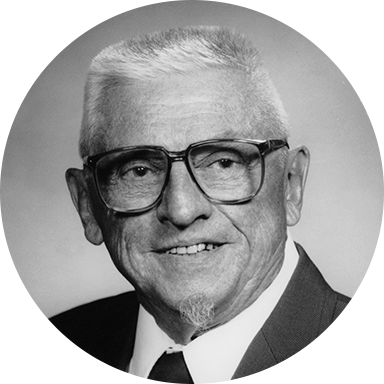
Edmund J. Siennicki

Edmund J. Siennicki grew up in Cleveland, Ohio, where a formative conversation with pianist Ignacy Jan Paderewski at age twelve shaped his artistic direction. He earned his Bachelor's degree from Kent State University, where he composed Fight on for KSU, a piece still performed at the university's football games. His graduate studies at Teachers College, Columbia University, included composition study with Herbert Elwell, electronic music training with Sergio Barroso, and consultation with Vincent Persichetti.

Siennicki built his career as both a performer (on bassoon and piano) and educator, teaching in Cleveland's junior high schools while also serving on the faculty at Michigan and Kent State University. His compositional output earned recognition through prizes in the National School Orchestra composition contests and two residencies at the MacDowell Colony. With approximately 200 published compositions and two decades of consecutive ASCAP awards, he remains an active composer who visits schools and leads clinics.

Why we love this

Siennicki writes with a clear understanding of what a young tubist can actually achieve: the melody sits comfortably in a new student's range, the accompaniment is straightforward enough for a developing pianist, and the piece builds genuine musicianship through dynamic and articulation variety rather than technical gymnastics. Having the same piano part work with multiple solo instruments makes this an efficient choice for studios or school programs fielding students on different instruments.

What to expect

Happy Song lives up to its title with an uncomplicated, genuinely joyful melody that sits naturally in the tuba's comfortable register. The dynamic and articulation shifts prevent it from feeling one-dimensional, giving young performers small but meaningful opportunities to shape the music and communicate with their accompanist.

Who it's for

This is designed for young tubists entering their first recital or contest, and it works equally well for beginning students in a classroom setting or a private lesson studio. The accessible range and straightforward technical demands make it realistic for a player with six months to a year of study. The piano part is written at a level that allows a young accompanist to grow alongside the soloist.

How to get the most out of it

  • Shape the melody with clear phrase breathing; even at this level, connecting musical ideas through intentional silence is more effective than rushing to the next entrance.
  • Work the dynamic contrasts deliberately with your pianist. Sudden shifts between soft and loud make this simple piece memorable.
  • Lock the articulation with your accompanist early in rehearsal; if the piano part marks staccato passages, match that tongue clarity in the tuba line.
  • Take advantage of the warm-up exercise on the last page of the piano part before each performance to settle both players into the same sound world.

How to use it

Feature this as a student recital opener when you want to establish a warm, encouraging tone for the program. It also serves well in a school assembly or community performance where young musicians benefit from an approachable but musical first performance experience. Because the piano part works with multiple solo instruments, you can program several students performing different versions back-to-back to showcase an ensemble's breadth.

Skills your students will build

  • Dynamic contrast (playing with clear soft and loud levels)
  • Articulation control (matching tonguing style with the accompaniment)
  • Phrase shaping within a limited range
  • Ensemble coordination (listening and balancing with piano)
  • Music reading in bass clef at Grade 1 level

You May Also Like