Happy Song Cover Image

Happy Song: Trombone/ Euphonium, Solo with Piano, Book

$5.99 USD
Sale price  $5.99 USD Regular price 
Skip to product information
Happy Song Cover Image

Happy Song: Trombone/ Euphonium, Solo with Piano, Book

By Edmund J. Siennicki

Grade: 1

Item: 36-10530466

$5.99
Shipped

One moment…

Description
Offering both clear dynamic, articulation contrasts, and a great melody, all within the playable range of a new student, this work is perfect for a young musician's first recital or contest. The piano accompaniment can also be performed by a one or two year private study middle-school level piano player. And the variety of solo instrument parts makes it possible for one student to accompany many different students. A prepatory "warm-up" exercise for young acccompanists is printed on the last page of the piano part. Instruments available from the publisher: flute, clarinet, bassoon, saxophone (alto and tenor), cornet/trumpet/baritone T.C., horn, trombone, baritone B.C., tuba, and electronic keyboard.

Happy Song: Trombone/ Euphonium, Solo with Piano, Book isn't in MakeMusic Cloud just yet...but it could be. Let us know you'd like to see it, and you'll help shape what comes next. In the meantime, start a free trial and dive into thousands of interactive titles your students can play along with today.

Sample Pages

No sample pages found.

Sample Audio
No sample audio found.
Sample Video
Additional Details
Series: LudwigMasters Brass Series
Publisher: Keiser Productions, Inc.
ISBN10: 1-62-156497-5
ISBN13: 978-1-62-156497-3
UPC: 659859222592
SKU: 36-10530466
Instrumentation: Trombone/Baritone B.C. Solo and Piano

More about this title

About the Composer: Edmund J. Siennicki
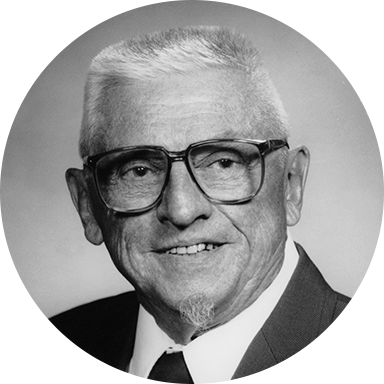
Edmund J. Siennicki

Edmund J. Siennicki was shaped early by a formative conversation with pianist Ignacy Jan Paderewski at age 12, an encounter that set the direction for his musical life. A Cleveland native, he earned his Bachelor's degree from Kent State University, where he composed the school's fight song that continues to be performed at football games today. He later completed his MA at Teachers College, Columbia University, studying composition with Herbert Elwell and electronic music with Sergio Barroso while consulting with Vincent Persichetti.

Throughout his career, Siennicki has worked as both a performer (bassoon and piano) and composer, earning recognition through prizes in National School Orchestra composition contests and two residencies at the MacDowell Colony. His teaching work centered in Cleveland's junior high schools, though he also served on faculty at Michigan and Kent State University. With approximately 200 compositions in print and two decades of consecutive ASCAP awards, he remains an active composer who visits schools and conducts clinics.

Why we love this

Siennicki writes with an understanding of what beginning soloists actually need: a clear, singable melody that sits comfortably in the instrument's lower register, transparent phrasing, and accompaniment support that never overshadows the soloist. The piano part is genuinely playable for young accompanists, making this piece a practical choice for programs where student pianists need accessible material. One piano part can serve multiple trombonists and euphoniumists across your program, stretching your rehearsal resources without sacrificing musical substance.

What to expect

Happy Song lives up to its title with a buoyant, unpretentious melody that feels natural under the soloist's fingers. The piece has the warmth of a well-crafted popular song, neither overly sentimental nor superficial, with enough musical substance to hold a listener's attention while remaining approachable for players still finding their voice on their instrument.

Who it's for

This solo belongs in the hands of beginning trombonists and euphoniumists preparing for their first recital or solo contest. The accessible range and straightforward technical demands make it ideal for Grade 1 soloists who are still building confidence and stamina. Young pianists in their first or second year of private study can handle the accompaniment, creating an opportunity for collaborative learning.

How to get the most out of it

  • Shape the melody by thinking of it as a vocal line; young trombonists often play more musically when they imagine singing the phrase rather than focusing on individual notes.
  • Work with your pianist on balance during rehearsals. The accompaniment provides harmonic support, so the soloist should project comfortably without forcing tone.
  • Pay attention to the articulation and dynamic markings as written; they create the character of the piece and give shape to phrases that might otherwise sound static.

How to use it

Schedule this for young soloists taking their first steps toward recital performance; it builds confidence without overwhelming developing musicians. It pairs well with other Grade 1 solos in a student recital, giving each performer a piece with genuine musical character. Consider programming multiple students on this same solo (trombone, baritone, and other available instruments from the series) to create an ensemble moment that celebrates your program's breadth.

Skills your students will build

  • Playing a continuous melodic line with consistent tone quality
  • Interpreting dynamic and articulation markings to shape phrases
  • Collaborating with a pianist and responding to accompaniment support
  • Managing breath placement and phrasing in a solo context
  • Performing with confidence in a formal recital or contest setting

You May Also Like