Happy Song Cover Image

Happy Song: Clarinet, Solo with Piano, Book

$5.99 USD
Sale price  $5.99 USD Regular price 
Skip to product information
Happy Song Cover Image

Happy Song: Clarinet, Solo with Piano, Book

By Edmund J. Siennicki

Grade: 1

Item: 36-10440466

$5.99
Shipped

One moment…

Description
Offering both clear dynamic, articulation contrasts, and a great melody, all within the playable range of a new student, this work is perfect for a young musician's first recital or contest. The piano accompaniment can also be performed by a one or two year private study middle-school level piano player. And the variety of solo instrument parts makes it possible for one student to accompany many different students. A prepatory "warm-up" exercise for young acccompanists is printed on the last page of the piano part. Instruments available from the publisher: flute, clarinet, bassoon, saxophone (alto and tenor), cornet/trumpet/baritone T.C., horn, trombone, baritone B.C., tuba, and electronic keyboard.

Happy Song: Clarinet, Solo with Piano, Book isn't in MakeMusic Cloud just yet...but it could be. Let us know you'd like to see it, and you'll help shape what comes next. In the meantime, start a free trial and dive into thousands of interactive titles your students can play along with today.

Sample Pages

No sample pages found.

Sample Audio
No sample audio found.
Sample Video
Additional Details
Series: LudwigMasters Woodwind Series
Publisher: Keiser Productions, Inc.
ISBN10: 1-62-156492-4
ISBN13: 978-1-62-156492-8
UPC: 659859363394
SKU: 36-10440466
Instrumentation: Clarinet and Piano

More about this title

About the Composer: Edmund J. Siennicki
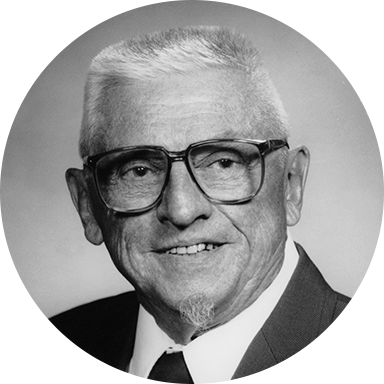
Edmund J. Siennicki

Edmund J. Siennicki (1920–present) grew up in Cleveland, Ohio, where a chance encounter with pianist Ignacy Jan Paderewski at age 12 shaped his lifelong commitment to music. He earned his Bachelor's degree from Kent State University, where he composed Fight On for KSU, a piece still performed at the university's football games. His graduate training at Teachers College, Columbia University included composition study with Herbert Elwell, electronic music with Sergio Barroso, and consultation with Vincent Persichetti.

Siennicki's career as a performer, educator, and composer spans decades. He performed professionally on bassoon and piano while teaching in Cleveland's junior high schools and later serving on the faculty at Michigan and Kent State University. His compositional output exceeds 200 published works and has earned recognition through National School Orchestra composition contests and two residencies at the MacDowell Colony. For two decades, he has received annual awards from ASCAP, and he continues to compose, visit schools, and lead clinics.

Why we love this

Siennicki designed this piece specifically for young clarinetists who need a first recital or competition experience. The writing stays within an accessible range while delivering clear dynamic and articulation contrasts that give students real expressive control. The piano part is equally thoughtful: it's playable by beginning pianists yet sounds complete, which means a single accompanist can support multiple young soloists—a genuine asset for studio teachers and school programs.

What to expect

Happy Song lives up to its name with a straightforward, appealing melody that sits comfortably on the clarinet. The piece has warmth without sentimentality, and its modest length makes it feel complete and satisfying rather than excerpted. There's genuine joy in the writing, expressed through clear phrasing and accessible harmony that rewards good musicianship without demanding virtuosity.

Who it's for

This solo is written for young clarinetists at the earliest stages of recital readiness. The piece suits students who have solid fundamentals but need a vehicle that's genuinely musical rather than purely technical. It also works well for pianists new to the role of accompanist, since the part can be learned and performed confidently by a first or second-year student.

How to get the most out of it

  • Shape the melody through dynamic contrasts rather than relying on tempo changes; Siennicki's markings are your guide to musical communication.
  • Work with your accompanist on balance from the first rehearsal so the clarinet melody sits clearly above the piano without either instrument compensating with volume.
  • Treat articulation changes as structural markers; they signal phrase boundaries and help the listener follow the song's emotional arc.
  • Give the piano player time to build confidence with the warm-up exercise on the final page before running the full piece.

How to use it

Program this for a recital that celebrates young soloists, or use it as a competition piece where students need approachable but musically legitimate repertoire. It also serves beautifully as a showcase piece in a studio recital or school concert where beginning clarinetists and pianists perform together. The arrangement across multiple instruments (available from the publisher) makes it adaptable if your program includes young flutists, saxophonists, or brass players at similar levels.

Skills your students will build

  • Dynamic control (pianissimo to forte) within a limited range
  • Articulation clarity (distinguishing marked and unmarked notes)
  • Melodic phrasing and breath placement
  • Accompaniment awareness and balance with piano
  • Recital readiness and performance confidence

You May Also Like