Haba na Haba Cover Image

Haba na Haba: 3-Part Choral Octavo

$1.75 USD
Sale price  $1.75 USD Regular price 
Skip to product information
Haba na Haba Cover Image

Haba na Haba: 3-Part Choral Octavo

(Little by Little - Swahili)

Words by Susan Bentall Boersma, music by David Lantz III

Item: 00-33066

$1.75
Shipped

One moment…

Description
The choir is accompanied by only a string (or synth.) bass and African percussion instruments in this multicultural masterpiece. Inspired by a traditional Swahili expression, which means "persevere, don't give up!"

Haba na Haba: 3-Part Choral Octavo isn't in MakeMusic Cloud just yet...but it could be. Let us know you'd like to see it, and you'll help shape what comes next. In the meantime, start a free trial and dive into thousands of interactive titles your students can play along with today.

Sample Pages

Sample Audio
0:00
0:00
Sample Video
Additional Details
Series: Alfred Choral Designs
Publisher: Alfred Music
Page Count: 8
UPC: 038081359748
SKU: 00-33066

More about this title

About the Composer: David Lantz III
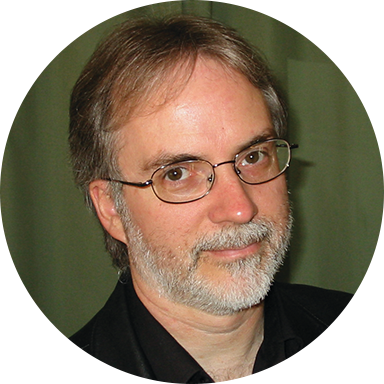
David Lantz III

David Lantz III brings classroom experience and compositional prolificacy together in his work. Teaching vocal music in Pennsylvania's public schools while maintaining a catalog of roughly 500 published pieces, he writes across genres including sacred and secular choral literature, orchestral works, and jazz and chamber ensemble scores. His dual expertise as a music educator and composer means his pieces understand what singers can actually do.

Beyond composition, Lantz has built a career as a church choir director, music editor, and engraver. He performs regularly as a bassist and vocalist in pop and jazz settings. He shares his home in northeastern Pennsylvania with his wife, composer Marti Lunn Lantz, and their five musical children.

Why we love this

Lantz crafts an arrangement that respects both the simplicity of three-part writing and the textural richness that comes from pairing voices with bass and African percussion. The Swahili text carries genuine motivational weight without requiring translation work from your students; the message lands through music and repetition. This is the kind of piece that builds ensemble unity through a shared, meaningful message rather than technical display.

What to expect

There's warmth and forward momentum in this piece. The string bass and percussion create a groove that feels almost celebratory, while the three-part writing stays lean and clear enough that singers focus on unison and simple harmony rather than complex voice leading. The overall effect is encouraging and grounded in rhythm rather than technical complexity.

Who it's for

Middle and high school choirs working with treble, high tenor, and bass voices will find this arrangement accessible and singable. Ensembles looking for multicultural repertoire with substance will appreciate both the textual meaning and the practical orchestration. Teachers seeking pieces that build community and spirit through repertoire beyond the standard canon have a strong option here.

How to get the most out of it

  • Let the African percussion sit forward in the mix during the recorded accompaniment. This isn't background texture; the drums carry the rhythmic identity and drive the piece's energy.
  • Work the text's natural phrasing before layering it over the accompaniment. Singers need to own the syllables and their weight before worrying about coordination with percussion.
  • If you're using live string bass instead of synth bass, encourage the bassist to listen to how the African percussion voices interact with the harmonic foundation. The interplay matters more than precision locking.
  • Build the SAB voicing gradually by adding the lowest part last. Anchor the bass line before the other voices find their space within it.

How to use it

Consider placing this alongside other world music selections in a concert focused on cultural traditions and messages of perseverance. Its eight pages and straightforward voicing make it ideal for a mid-year festival or community event where you want to program something meaningful without extensive rehearsal time. The piece also works well as a closer or motivational moment in a concert featuring diverse repertoire.

Skills your students will build

  • Reading and performing music with text in a non-English language
  • Responding to and integrating live or recorded percussion accompaniment
  • Sustaining independent lines in three-part SAB voicing
  • Understanding rhythmic and harmonic traditions from African music
  • Performing with conviction and ensemble awareness in shorter rehearsal timeframes

You May Also Like