Grand Overture Cover Image

Grand Overture: Piano Trio (1 Piano, 6 Hands) Sheet

$4.99 USD
Sale price  $4.99 USD Regular price 
Skip to product information
Grand Overture Cover Image

Grand Overture: Piano Trio (1 Piano, 6 Hands) Sheet

By George Peter Tingley

Level: Elementary

Item: 00-19783

makemusic Cloud badge
$4.99
Shipped

One moment…

Description
Here is an opportunity for three elementary level artists to sound impressively "large" as they team up in this march-like C Major showpiece. Most of the melodic duties are carried in the middle part, but the outer performers also get their solo moments. The composition is filled with varying dynamics and changes in touch, with eighth- and quarter-note rhythms prevailing. It is scored with all three parts visible, and sectioned off from each other on one score. A Federation Festivals 2016-2020 selection. A Federation Festivals 2020-2024 selection.

Don't just read it, hear it, play along with it, and watch your students grow with it. In MakeMusic Cloud, Grand Overture: Piano Trio (1 Piano, 6 Hands) Sheet comes alive with professional accompaniment, adjustable tempo, and built-in practice tools that turn solo practice into real progress.

Sample Pages

Sample Audio
No sample audio found.
Sample Video
Additional Details
Series: The Alfred Trio Series
Publisher: Alfred Music
Page Count: 8
ISBN10: 0-7390-1848-5
ISBN13: 978-0-7390-1848-4
UPC: 038081190686
SKU: 00-19783

More about this title

About the Composer: George Peter Tingley
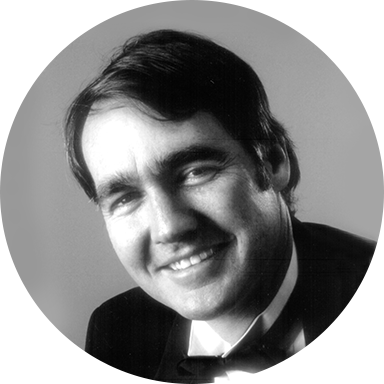
George Peter Tingley

George Peter Tingley grew up in Oakland, California, where he discovered composition early: violin lessons at age four gave way to piano improvisation by age ten. He studied piano performance at California State University, Hayward, and earned both bachelor's and master's degrees in music theory from USC. During the 1970s, he studied composition privately with Nadia Boulanger in Paris, an experience that shaped his approach to writing for students and professionals alike.

Since 1989, Tingley has focused on educational piano composition, publishing over 75 pieces for young musicians. His work includes the widely performed solo Reverie and collections like Fiddle and the Tuba, which earned recognition from the National Federation of Music Clubs. He has also composed for prominent performers, including an Olympic-themed piece for figure skater Kristi Yamaguchi that was arranged for full orchestra and recorded with Tingley as piano soloist. He continues to live and teach in the San Francisco Bay Area.

Why we love this

This piece proves that elementary-level ensembles can deliver genuine musical impact when given the right vehicle. The march-like energy and C Major brightness create an immediate sense of occasion, while the three-part texture ensures every student hears themselves as essential to the full sound. Tingley's careful distribution of melody and solo moments across all three players keeps everyone engaged and invested in the performance.

What to expect

Grand Overture announces itself with the confidence of a processional, marching forward in bright C Major with a sense of ceremony and joy. Despite its elementary technical demands, the piece carries genuine grandeur through rhythmic momentum and dynamic contrast, allowing young performers to feel the satisfaction of creating something substantial together.

Who it's for

Three elementary-level pianists ready to perform as an ensemble without needing extensive collaborative experience. This trio works especially well for students who have solid note-reading skills and can manage eighth- and quarter-note rhythms independently but benefit from the motivational boost of playing in a group.

How to get the most out of it

  • Establish a steady march tempo from the opening and maintain it consistently; the piece's confidence depends on rhythmic stability across all three hands.
  • Balance the parts carefully during passages where the middle player carries the primary melody; the outer voices should support without overwhelming.
  • Work the dynamic changes deliberately in rehearsal, treating shifts from piano to forte as coordinated group events rather than individual reactions.
  • Experiment with touch variety (legato, staccato, and regular articulation) as written, since these changes prevent the piece from sounding monotonous despite its straightforward rhythmic foundation.

How to use it

This trio shines as an opening number for a student recital, setting an energetic and engaging tone for the program. It also works as a showpiece on a studio ensemble concert or spring festival performance, where the novelty of three hands on one piano naturally captures audience attention. The piece's march-like character makes it suitable for themed concert programming around celebration or pageantry.

Skills your students will build

  • Ensemble coordination and listening while maintaining independent rhythmic parts
  • Dynamic control and articulation changes (legato, staccato, and standard touch)
  • Confidence performing melodic material in different registers (outer voices and middle voice)
  • Reading from a three-part score with parts clearly sectioned on a single staff

You May Also Like
