

Gonna Sing: TTB, a cappella Choral Octavo
(When the Spirit Says Sing)
Traditional Spiritual / arr. Andy Beck
Item: 00-PO-0006366

$2.05
Minimum order quantity: 20 copies
Pickup currently not available
Related Items
Gonna Sing: 3-Part Mixed, a cappella Choral Octavo |
$2.05
|
View | |
Gonna Sing: 2-Part, a cappella Choral Octavo |
$2.05
|
View | |
Gonna Sing: SSA, a cappella Choral Octavo |
$2.05
|
View | |
Gonna Sing: 3-Part Mixed, a cappella Choral Octavo |
$2.05
|
View | |
Gonna Sing: 2-Part, a cappella Choral Octavo |
$2.05
|
View | |
Gonna Sing: SSA, a cappella Choral Octavo |
$2.05
|
View | |
Gonna Sing: TTB, a cappella Choral Octavo |
$2.05
|
View |
Description
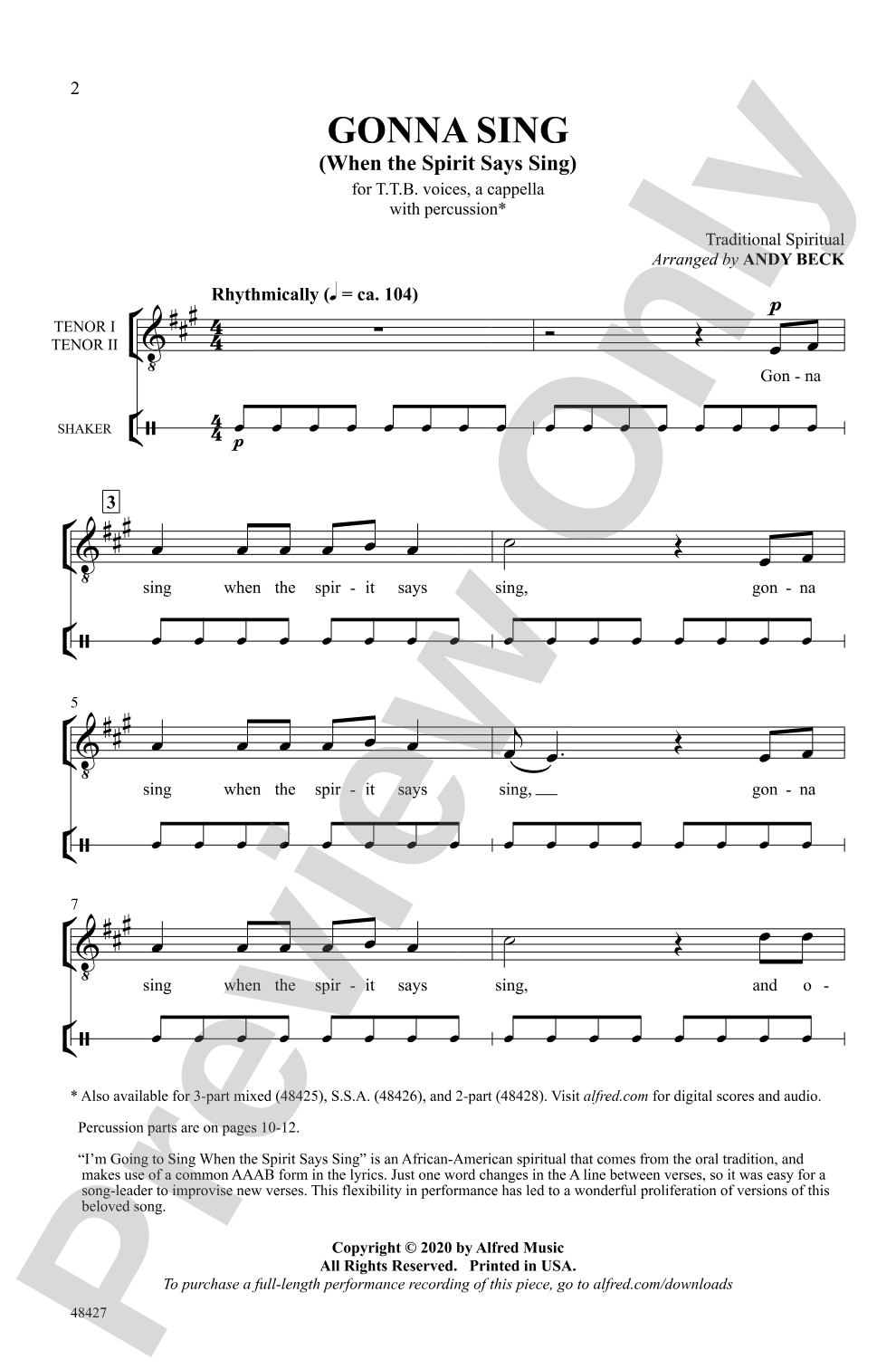
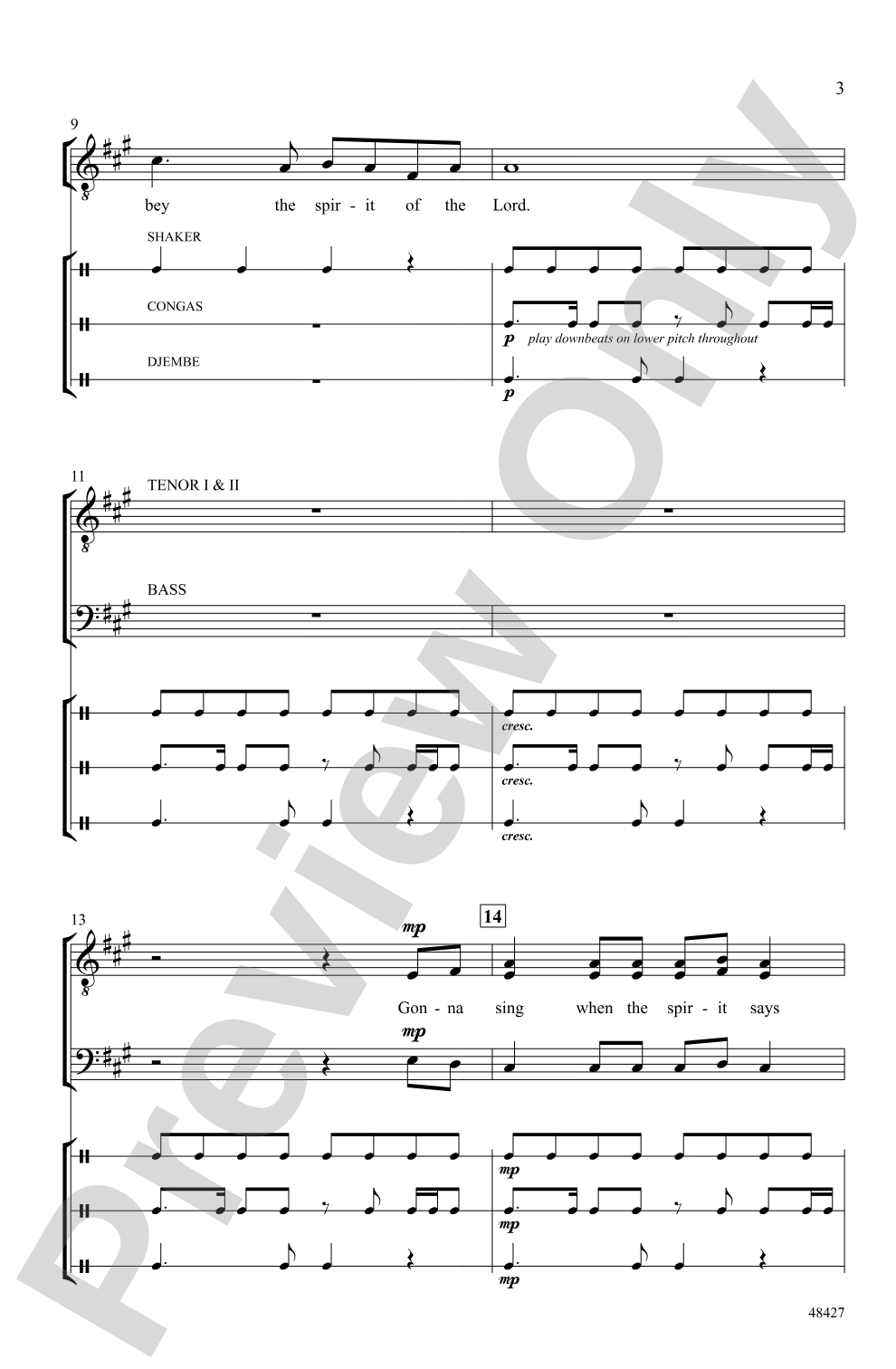
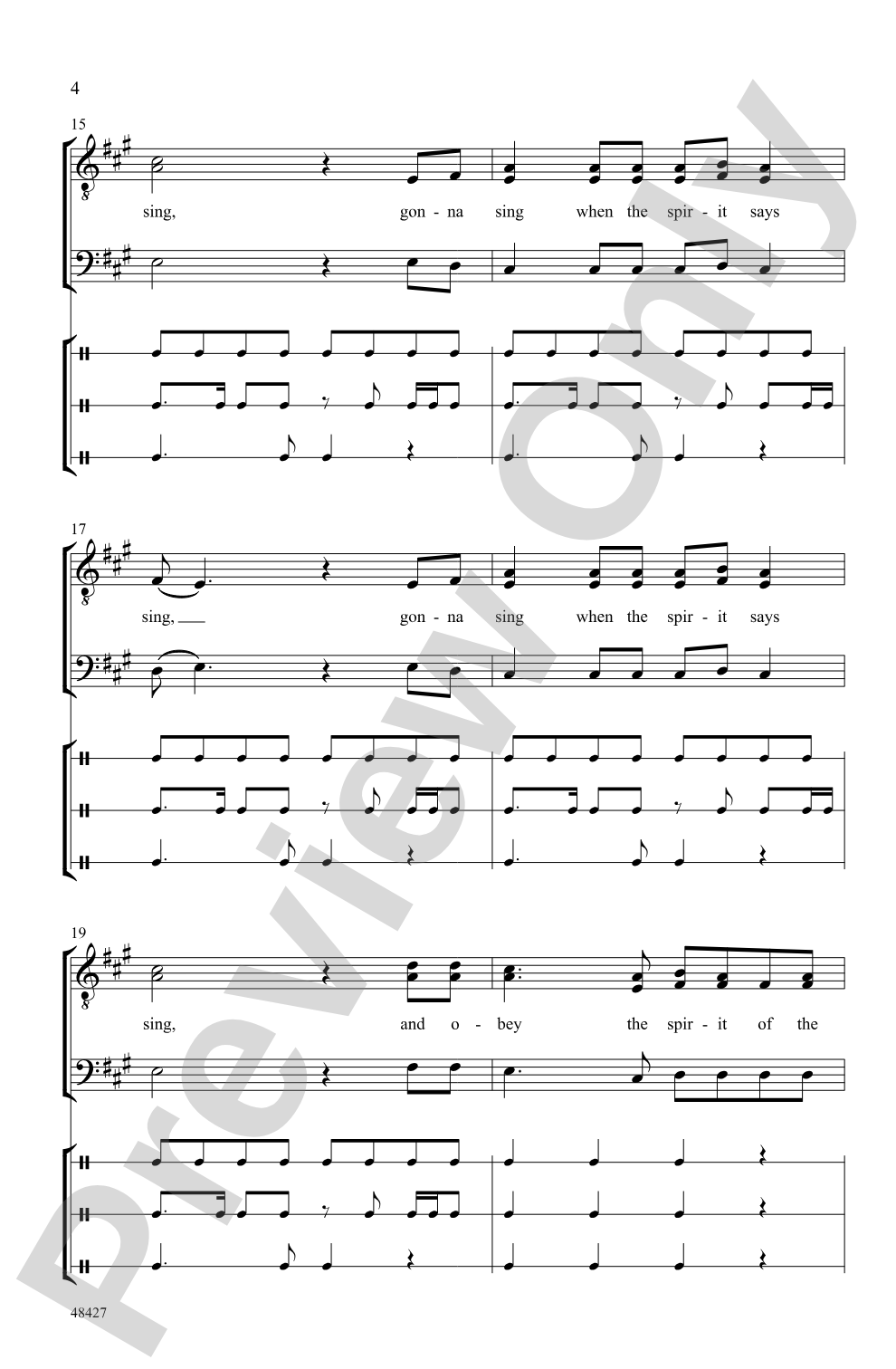
The familiar African-American spiritual in a fresh rhythmic setting! Opening with just a shaker and unison voices, a tapestry of percussion ostinatos and traditional choral harmony gradually unfolds before returning back to the clean lines of the beginning. Well-planned key changes ensure successful a cappella modulations for less-experienced groups. Three notated percussion parts are included in the publication.


Don't just read it, hear it, play along with it, and watch your students grow with it. In MakeMusic Cloud, Gonna Sing: TTB, a cappella Choral Octavo comes alive with professional accompaniment, adjustable tempo, and built-in practice tools that turn solo practice into real progress.
Open in the Player
Jump straight in and assign it today.
Start Your Free Trial
Open this title and explore the full library in minutes.
Sample Audio
1
Audio File
--:--
0:00
0:00
Sample Video
No sample videos found.
Additional Details
Series:
Alfred Choral Designs
Publisher:
Alfred Music
Page Count:
12
SKU:
00-PO-0006366
More about this title
About the Arranger: Andy Beck

Andy Beck leads choral publications at Alfred Music and has established himself as one of the most performed composers and arrangers in choral education today, with more than 450 works in print spanning choral literature, vocal resources, and children's musicals. His pedagogical resources, including Sing at First Sight, Foundations in Choral Sight Singing, and Vocalize! 45 Vocal Warm-Ups That Teach Technique, have become standards in music classrooms across the country.
Beyond his publishing work, Beck is active as a guest conductor, clinician, and adjudicator who works regularly with honor choirs and all-state ensembles throughout the Southeast. A trained tenor and director of musical theatre, he brings deep performance experience to everything he writes. His degrees in Music Education from Ithaca College and Northwest Missouri State University, combined with his work as an Alfred studio singer since 1992, ground his arrangements in both choral technique and practical classroom realities.
Why we love this
Beck's treatment opens the spiritual with restraint, using a shaker and unison voices to establish intimacy before gradually layering in harmonic complexity and percussion color. The progression feels earned rather than immediate, which gives singers time to settle into the material while building confidence for what comes next. For TTB groups still developing their a cappella balance, the carefully planned modulations provide a genuine pedagogical gift: they work, which means your singers experience success rather than wrestling with voice-leading that doesn't quite sit.
What to expect
This arrangement respects the weight of the spiritual while making room for rhythmic play and textural variety. It opens like a small gathering, intimate and grounded, then expands into something richer and more layered before drawing back to that quiet beginning. The percussion elements bring a sense of contemporary energy without overriding the song's gravity.
Who it's for
TTB choirs seeking fresh arrangements of familiar spirituals will find this a strong fit, especially groups with limited experience managing a cappella modulations. The gradual harmonic introduction and notated percussion parts make it accessible to developing ensembles while the spiritual's cultural resonance and thoughtful orchestration appeal to singers who want substance alongside approachability.
How to get the most out of it
- Begin the shaker entrance with clarity and consistency; this rhythmic anchor carries more weight than its simplicity suggests and steadies unison singers before harmony enters.
- Approach the percussion ostinatos as equal partners to the vocal lines rather than accompaniment. Each one has a specific rhythmic character that interacts with the choral texture, so bring those parts into rehearsal early and let singers hear how they land.
- Shape the return to unison at the end by gradually peeling away harmonic layers across a few phrases rather than dropping abruptly. This creates a sense of resolution rather than retreat.
- Lock the key changes in sectional rehearsals before full ensemble work. Since this is a cappella, any pitch insecurity during modulation will be immediately apparent; taking time to address each transition pays dividends in performance.
How to use it
The arc from simplicity to complexity makes this a natural choice for programs that move from acoustic or a cappella pieces into fuller arrangements, or vice versa. It pairs well with other spirituals in a choral concert since the arrangement's modern sensibility offers contrast to more traditional settings. The inclusion of percussion parts also positions it well for collaborative programming with your percussion section or as a bridge between a concert's choral and world music segments.
Skills your students will build
- Maintaining intonation in a cappella modulations using strategic key changes
- Balancing independent vocal lines while listening to percussion ostinatos
- Blending unison passages with clarity before harmonies enter
- Reading and responding to rhythmic cues from notated percussion parts
- Shaping phrase length through gradual harmonic layering and reduction