
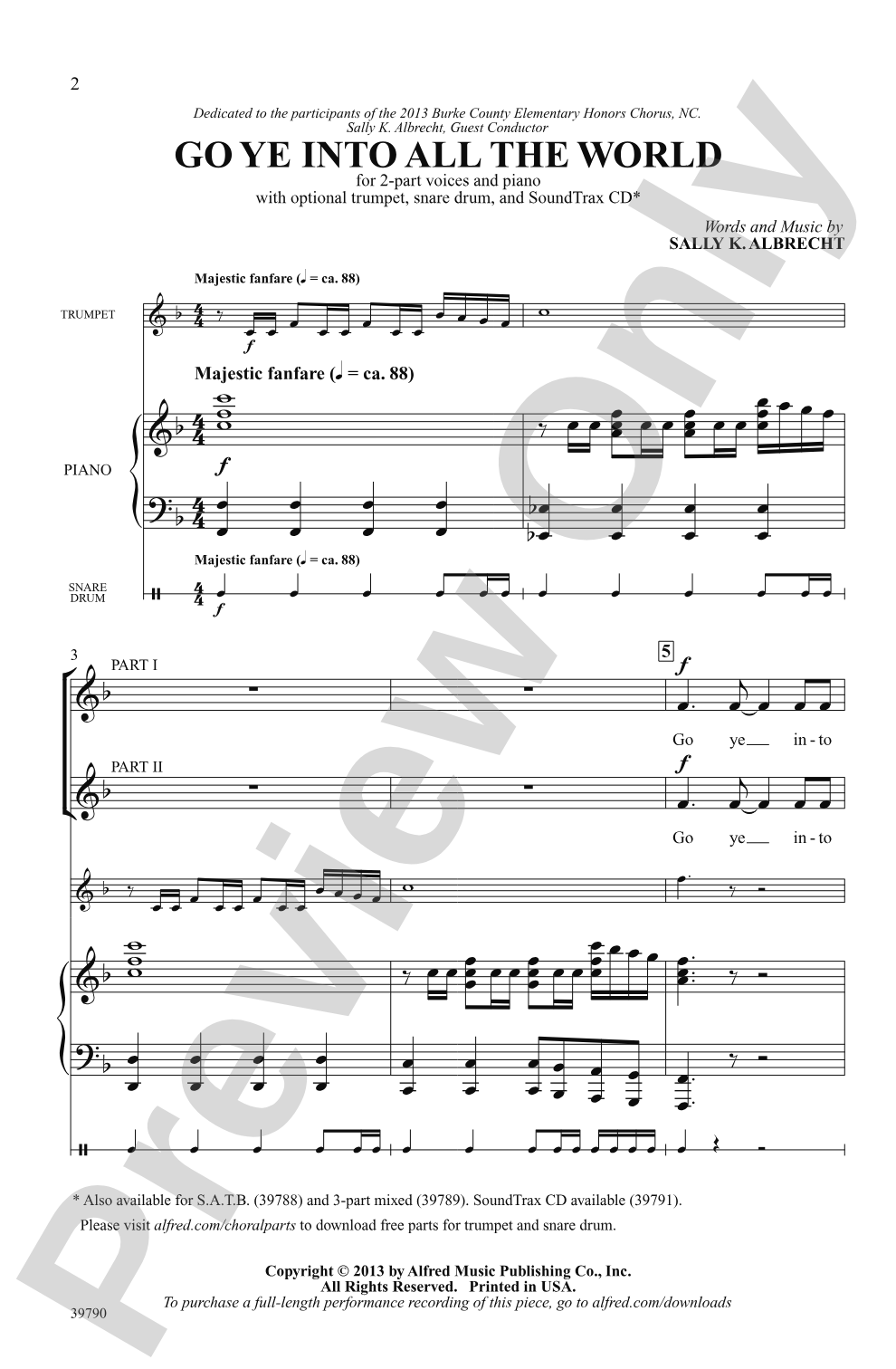
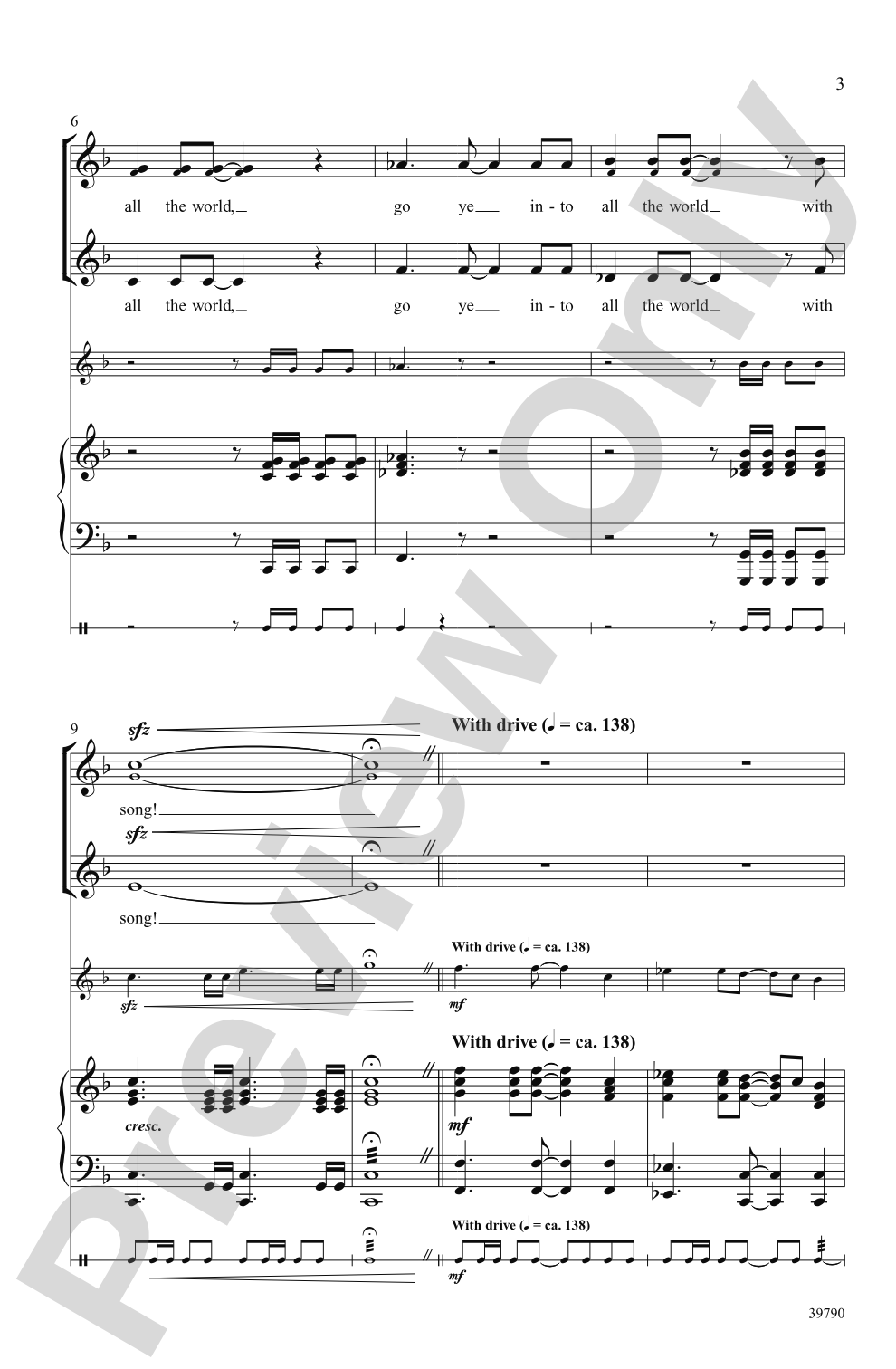
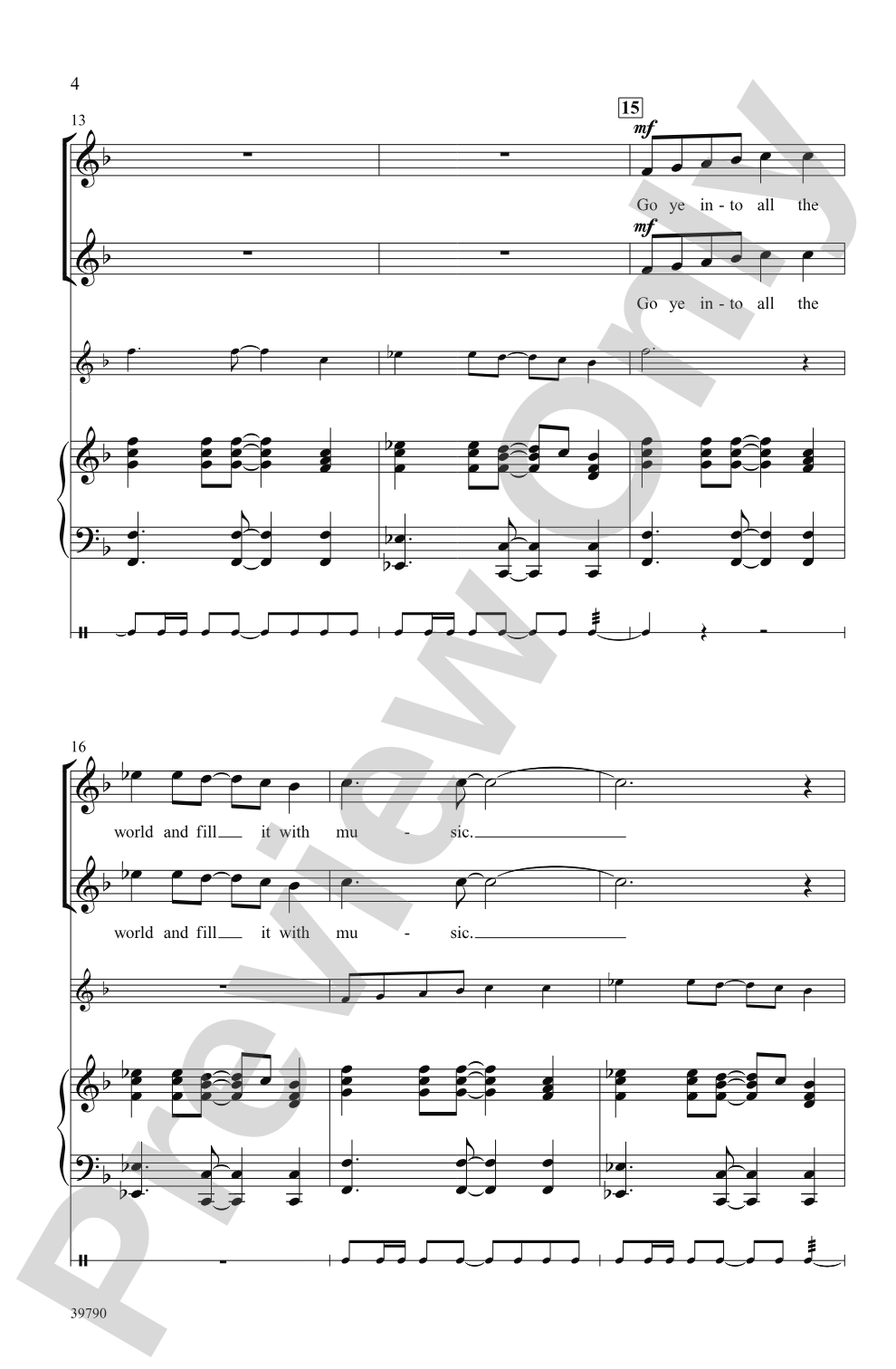

Go Ye Into All the World: 2-Part Choral Octavo
Words and music by Sally K. Albrecht
Item: 00-PO-0001610
$1.85
Minimum order quantity: 20 copies
Pickup currently not available
Related Items
Go Ye Into All the World: SoundTrax Digital Audio Download |
$27.99
|
View | |
Go Ye Into All the World: SATB Choral Octavo |
$1.85
|
View | |
Go Ye Into All the World: 3-Part Mixed Choral Octavo |
$1.85
|
View | |
Go Ye Into All the World: SATB Choral Octavo |
$1.85
|
View | |
Go Ye Into All the World: 3-Part Mixed Choral Octavo |
$1.85
|
View | |
Go Ye Into All the World: 2-Part Choral Octavo |
$1.85
|
View | |
Go Ye Into All the World: Choral Octavo SoundTrax CD |
$27.99
|
View |
Description
Your choirs will delight in performing this majestic and rhythmic song of joy. Echoes and a contrasting counterpoint "Sing Jubilate Deo" section make it easy to assemble. Download free parts for trumpet and snare drum at alfred.com/choralparts.


Go Ye Into All the World: 2-Part Choral Octavo isn't in MakeMusic Cloud just yet...but it could be. Let us know you'd like to see it, and you'll help shape what comes next. In the meantime, start a free trial and dive into thousands of interactive titles your students can play along with today.
Request This Title
Tell us you want it.
Start Your Free Trial
Explore everything that's ready to play right now.
Sample Audio
1
Audio File
--:--
0:00
0:00
Sample Video
No sample videos found.
Additional Details
Series:
Alfred Choral Designs
Publisher:
Alfred Music
Page Count:
12
SKU:
00-PO-0001610
More about this title
About the Composer: Sally K. Albrecht
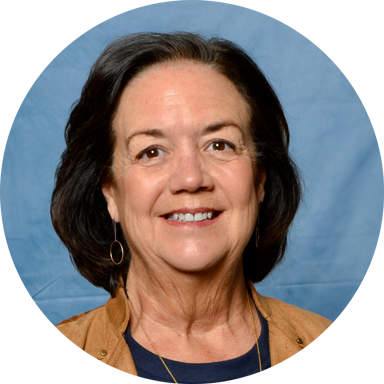
Sally K. Albrecht has shaped American choral music for over four decades as a composer, conductor, and clinician with particular expertise in movement-integrated choral performance. Since 1987, she has received the annual ASCAP Special Music Award, and her catalog includes more than 600 choral publications alongside 75 songbooks and musicals currently in print. She has led honor choirs at prestigious venues including Lincoln Center, Carnegie Hall, and The Kennedy Center, and spent over thirty years directing school choral and vocal publications at major educational music publishers, including Alfred Music.
Albrecht earned her B.A. in Music and Theater from Rollins College (1976), then completed both an M.A. in Drama (1977) and an M.M. in Accompanying (1979) at the University of Miami. She has taught at Oakland University, Jersey City State College, and Meredith College. Her contributions to music education and civic leadership earned her the Distinguished Alumna Award from both the University of Miami Frost School of Music and Rollins College in 2021, as well as the Omicron Delta Kappa National Leadership Honor Society's "Pillar of Leadership" award. She lives in Wake Forest, North Carolina, with her husband, composer and arranger Jay Althouse.
Why we love this
Albrecht builds excitement through rhythmic precision and textural variety without overwhelming a 2-part ensemble. The interplay between unison sections and the contrasting "Sing Jubilate Deo" counterpoint creates musical interest while keeping divisi writing minimal, so singers develop independence without losing cohesion. The optional trumpet and snare drum parts add celebratory color without becoming essential, giving directors flexibility in how they present the piece.
What to expect
The piece radiates joy through bright, energetic rhythms and rising phrases that feel celebratory without being sentimental. When the counterpoint section arrives, the texture deepens into a richer sound while maintaining the forward momentum and light, almost dance-like character that defines the whole work.
Who it's for
This octavo works for developing choirs that are ready to handle two independent voice parts with confidence. The rhythmic vitality and spiritual text appeal to choirs preparing for Christmas, Easter, or general sacred music programming, and the relatively compact score makes it accessible for groups new to counterpoint.
How to get the most out of it
- Balance the echo passages by having singers mark where the repeated phrases occur in their parts; light articulation on the echoes prevents them from overpowering the main melodic line.
- Rehearse the "Sing Jubilate Deo" counterpoint section separately from the opening material so both voice parts feel secure before combining them.
- If you include the optional brass and percussion, have those players sit where the choir can see them; the rhythmic drive depends on tight coordination between voices and drums.
- Shape the dynamic arc across the 12 pages by identifying the largest moment of the piece and plotting your crescendos and releases to build toward it naturally.
How to use it
Program this as a concert opener or closing number when you need immediate energy and a strong sense of accomplishment for your singers. It pairs well alongside other sacred works in a mixed concert or serves as the cornerstone of a shorter sacred music set where its rhythmic character lifts the entire program.
Skills your students will build
- Singing two independent melodic lines simultaneously (counterpoint)
- Maintaining rhythmic accuracy while echoing phrases
- Balancing dynamic control between main melody and harmony
- Coordinating with optional instrumental parts (if included)
- Interpreting dynamic and rhythmic markings across a multi-section form