Galileo's Vision Cover Image

Galileo's Vision: Full Orchestra Conductor Score & Parts

$50.00 USD
Sale price  $50.00 USD Regular price 
Skip to product information
Galileo's Vision Cover Image

Galileo's Vision: Full Orchestra Conductor Score & Parts

By Ralph Ford

Grade: 3.5

Item: 00-31545

makemusic Cloud badge

Need it now?

Buy Digital Version
$50.00
Shipped

One moment…

Description
Composed in the style of Holst, this piece celebrates the scientific accomplishments derived from the vision of Galileo, including our GPS system! Think how far we have come! Beginning with an ominous flowing bass ostinato that builds to a bold climax, this piece employs tri-tone shifts encouraging aural skills as students listen to the ever-changing tonal center. Dissonant, intense and sure to thrill!

Don't just read it, hear it, play along with it, and watch your students grow with it. In MakeMusic Cloud, Galileo's Vision: Full Orchestra Conductor Score & Parts comes alive with professional accompaniment, adjustable tempo, and built-in practice tools that turn solo practice into real progress.

Sample Pages

Sample Audio
0:00
0:00
Sample Video
Additional Details
Series: Belwin Intermediate Full Orchestra
Publisher: Alfred Music
Page Count: 238
UPC: 038081353142
SKU: 00-31545

More about this title

About the Composer: Ralph Ford
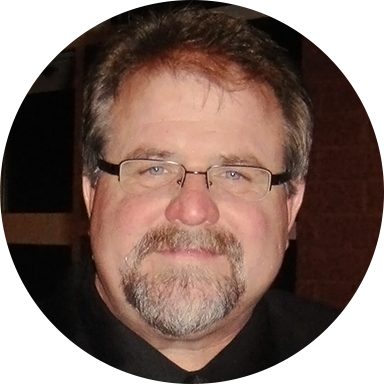
Ralph Ford

Ralph Ford has shaped orchestral and band music education for nearly three decades as a faculty member, composer, and arranger. Beginning his arranging work at fifteen, Ford earned his degrees from Troy State University while simultaneously building a distinguished teaching career that spanned orchestration, theory, jazz studies, and applied instruction. Since 1999, he has worked exclusively as a composer and arranger for the Belwin division of Alfred Music, producing over 250 works across orchestra, concert band, jazz ensemble, and marching band that have been premiered and performed by university, military, professional, and school ensembles internationally.

Beyond education and concert music, Ford has worked across broadcast and media industries, including live radio productions, television host work, commercial composition, and news music packages for national networks. His versatility across multiple musical genres and professional contexts informs his distinctive approach to orchestral writing for student performers.

Why we love this

Ford channels the narrative strength of Holst into a piece that engages students intellectually and sonically. The tritone shifts demand that young musicians listen actively to shifting harmonic centers rather than passively following their parts, building genuine aural literacy through performance. A programmatic concept tied to real history and human achievement gives the orchestra something meaningful to express.

What to expect

Mysterious and propulsive, beginning in shadow before building toward something monumental. The ominous bass ostinato draws you into Galileo's moment of discovery, then the tritone shifts unsettle familiar harmonic ground, keeping listeners in productive uncertainty until the bold climax arrives with earned intensity.

Who it's for

Orchestras at the 3.5 grade level ready to tackle modern compositional techniques without simplified writing. This piece suits programs seeking repertoire with intellectual substance and a story worth telling, particularly ensembles prepared to engage with dissonance and harmonic experimentation as musical tools rather than obstacles.

How to get the most out of it

  • Shape the opening bass ostinato with clear pulse and dark tone quality; this foundation determines how effectively the building tension lands. Resist rushing as dynamics swell.
  • Mark the tritone shifts in your score so you can prepare the ensemble for each tonal center change. Alert brass and woodwinds especially when the harmonic ground moves beneath them.
  • Balance the dissonance by ensuring every section understands which notes carry harmonic weight and which create color. Transparency here prevents the piece from sounding muddy.
  • Build the climax gradually across the full arc rather than peaking early. The payoff depends on patience through the accumulation.

How to use it

Program this as a centerpiece for a concert exploring innovation, discovery, or contemporary orchestral writing. Its concert and contest viability makes it equally suited to festival competition or a thematic concert pairing historical scientific achievement with modern compositional language.

Skills your students will build

  • Listening for and responding to tritone modulations and shifting tonal centers
  • Sustaining tension through an extended crescendo and ostinato-driven form
  • Balancing dissonant sonorities across full orchestra while maintaining harmonic clarity
  • Following programmatic narrative through musical material and structural development
  • Reading and executing contemporary orchestral techniques at intermediate level

You May Also Like
