Galileo's Vision Cover Image

Galileo's Vision: Full Orchestra Conductor Score

$8.00 USD
Sale price  $8.00 USD Regular price 
Skip to product information
Galileo's Vision Cover Image

Galileo's Vision: Full Orchestra Conductor Score

By Ralph Ford

Grade: 3.5

Item: 00-31545S

$8.00
Shipped

One moment…

Description
Composed in the style of Holst, this piece celebrates the scientific accomplishments derived from the vision of Galileo, including our GPS system! Think how far we have come! Beginning with an ominous flowing bass ostinato that builds to a bold climax, this piece employs tri-tone shifts encouraging aural skills as students listen to the ever-changing tonal center. Dissonant, intense and sure to thrill!

Galileo's Vision: Full Orchestra Conductor Score isn't in MakeMusic Cloud just yet...but it could be. Let us know you'd like to see it, and you'll help shape what comes next. In the meantime, start a free trial and dive into thousands of interactive titles your students can play along with today.

Sample Pages

Sample Audio
No sample audio found.
Sample Video
Additional Details
Series: Belwin Intermediate Full Orchestra
Publisher: Alfred Music
Page Count: 24
UPC: 038081353159
SKU: 00-31545S

More about this title

About the Composer: Ralph Ford
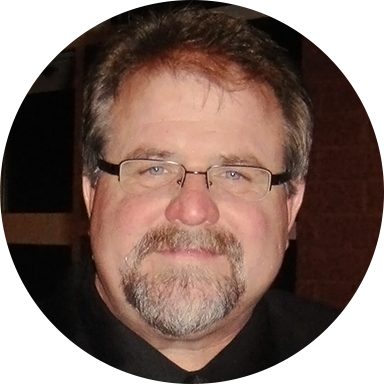
Ralph Ford

Ralph Ford has built a remarkable career spanning university instruction, media production, and composition. Over nearly three decades on the faculty, he taught orchestration, arranging, theory, and applied brass while establishing himself as a prolific composer and arranger. Since 1999, he has worked as an exclusive composer and arranger for the Belwin division of Alfred Music, creating over 250 titles for orchestras, concert bands, jazz ensembles, and marching bands that have been performed by university, military, professional, community, and school ensembles worldwide.

Beyond concert music, Ford has contributed extensively to broadcast and media work, including live radio, television commercials, news music packages for national networks, and video productions. His versatility across these disciplines has earned him international and regional advertising awards. As a clinician and frequently commissioned composer, his work demonstrates deep understanding of what resonates with student musicians and audiences alike.

Why we love this

Ford's homage to Galileo captures the sweep of scientific discovery through a Holst-inspired orchestral lens that feels both accessible and genuinely ambitious. The tritone shifts create an active listening experience for your students, training their ears to track tonal instability while the cascading ostinato and bold climax deliver the visceral satisfaction orchestras need in concert programming.

What to expect

The piece unfolds like a scientific instrument itself: deliberate and mechanical at first, the bass ostinato pulls you into an unsettling harmonic space where the ground keeps shifting beneath you. The dissonance tingles with intellectual intensity, building toward a moment of brilliant discovery that feels earned and thrilling.

Who it's for

This conductor score serves orchestras at the solid intermediate level (Grade 3.5) ready to tackle contemporary idiom and layered harmonic thinking. Directors seeking repertoire that challenges ears while remaining playable for developing ensembles will find this score rewarding.

How to get the most out of it

  • Balance the foundational bass ostinato with careful sectional rehearsal; this element anchors the entire harmonic journey and deserves independent drilling before full ensemble work.
  • Mark the tritone pivot points clearly in your score so you can gesture the tonal shifts deliberately during rehearsal, making the transitions audible and intentional rather than accidental.
  • Shape the build to the climax by gradually tightening ensemble response in the measures leading up to it; this piece rewards precision and unity as dynamics and density increase.
  • Experiment with the opening ominous quality by adjusting the tempo relationship between the bass line and upper voices; too rigid a tempo can flatten the menace, while slight flexibility keeps it alive.

How to use it

Program this as a compelling centerpiece in a contemporary music concert, where its Holst-adjacent style bridges familiar territory and modern compositional thinking. It also serves excellently in festival contexts where the dramatic arc and musical substance register strongly with adjudicators and audiences.

Skills your students will build

  • Tracking tritone shifts and tonal center changes across multi-sectional passages
  • Sustaining an ostinato foundation while balancing independent melodic lines above it
  • Building ensemble cohesion through gradual dynamic and textural layering
  • Responding to dissonance as a compositional tool rather than an error to avoid

You May Also Like