Frog in a Tree Cover Image

Frog in a Tree: String Orchestra Conductor Score & Parts

$46.00 USD
Sale price  $46.00 USD Regular price 
Skip to product information
Frog in a Tree Cover Image

Frog in a Tree: String Orchestra Conductor Score & Parts

By Edmund J. Siennicki

Grade: 1

Item: 00-12992

makemusic Cloud badge

Need it now?

Buy Digital Version
$46.00
Shipped

One moment…

Description
This lively original fiddle tune by Ed Siennicki is sure to be a winner with students and audiences alike. Lots of eighth notes and open double-stops contribute excitement and sonority for a great motivational experience for young string players. (Grade 1 - Correlates with Strictly Strings Book 1, page 24) This title is available in MakeMusic Cloud.

Don't just read it, hear it, play along with it, and watch your students grow with it. In MakeMusic Cloud, Frog in a Tree: String Orchestra Conductor Score & Parts comes alive with professional accompaniment, adjustable tempo, and built-in practice tools that turn solo practice into real progress.

Sample Pages

Sample Audio
0:00
0:00
Sample Video
Additional Details
Series: Highland/Etling Strictly Strings
Publisher: Alfred Music
Page Count: 72
UPC: 038081128900
SKU: 00-12992

More about this title

About the Composer: Edmund J. Siennicki
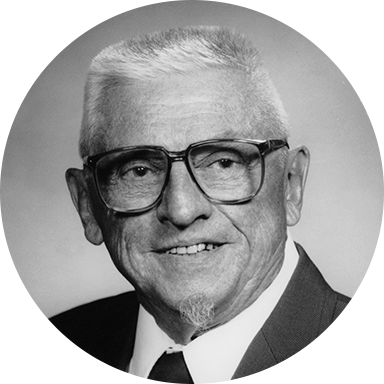
Edmund J. Siennicki

Edmund J. Siennicki was born in Cleveland, Ohio in 1920 and encountered the legendary pianist Ignacy Jan Paderewski at age 12, an encounter that shaped his musical direction. He earned his Bachelor's degree from Kent State University, where he composed the university's fight song, and later completed his Master's degree at Teachers College, Columbia University. His composition studies included work with Herbert Elwell and Vincent Persichetti, and he also explored electronic music with Sergio Barroso.

As both a performer and educator, Siennicki played bassoon and piano while teaching in the Cleveland Junior High Schools and serving on the faculty at Michigan State University and Kent State University. His prolific output includes approximately 200 published compositions, many of which have won prizes in National School Orchestra composition contests. He has been twice named composer in residence at the MacDowell Colony and has received continuous recognition from ASCAP for two decades. He continues to compose, visit schools, and lead clinics.

Why we love this

Siennicki writes Grade 1 repertoire that genuinely excites young orchestras rather than simply marking time until more interesting pieces appear. The open double-stops and driving eighth-note figures create real sonority and energy that students feel in their hands, making this the kind of early-year piece that reminds them why they chose strings in the first place.

What to expect

Bright and unpretentious, this original fiddle tune bounces along with the energy of children playing outside. The open double-stops ring naturally, and the repeated eighth-note figures give the piece a folk-tune momentum that feels both familiar and freshly orchestrated.

Who it's for

This piece belongs in the library of any teacher using Strictly Strings Book 1 or working with Grade 1 string orchestras ready to explore material beyond method-book arrangements. It gives young players a taste of fiddle idiom and open-string writing without overwhelming technique.

How to get the most out of it

  • Shape the eighth-note figures rhythmically; resist letting them blur into a stream of notes. Young players tend to flatten the articulation, so consistent bow pressure and note separation pay dividends.
  • Balance the double-stops so neither note dominates. When both fingers press down, both bow hairs should be equally engaged.
  • Lock the opening and recurring rhythmic patterns across the entire section before adding tempo. The clarity will make everything faster feel controlled.

How to use it

This works beautifully as a spring concert opener or a solo selection for festivals and contests where young orchestras need an accessible but engaging showpiece. Pair it with one or two other short folk-inspired works to create a cohesive movement in the program.

Skills your students will build

  • Reading open double-stops and identifying fingering patterns across strings
  • Sustaining consistent bow articulation through repeated eighth-note figures
  • Balancing multiple voices when two or more strings sound simultaneously
  • Responding to folk idiom and ornamentation in string writing

You May Also Like
