Frog in a Tree Cover Image

Frog in a Tree: String Orchestra Conductor Score

$8.00 USD
Sale price  $8.00 USD Regular price 
Skip to product information
Frog in a Tree Cover Image

Frog in a Tree: String Orchestra Conductor Score

By Edmund J. Siennicki

Grade: 1

Item: 00-12992S

$8.00
Shipped

One moment…

Description
This lively original fiddle tune by Ed Siennicki is sure to be a winner with students and audiences alike. Lots of eighth notes and open double-stops contribute excitement and sonority for a great motivational experience for young string players. (Grade 1 - Correlates with Strictly Strings Book 1, page 24) This title is available in MakeMusic Cloud.

Frog in a Tree: String Orchestra Conductor Score isn't in MakeMusic Cloud just yet...but it could be. Let us know you'd like to see it, and you'll help shape what comes next. In the meantime, start a free trial and dive into thousands of interactive titles your students can play along with today.

Sample Pages

Sample Audio
No sample audio found.
Sample Video
Additional Details
Series: Highland/Etling Strictly Strings
Publisher: Alfred Music
Page Count: 8
UPC: 038081128917
SKU: 00-12992S

More about this title

About the Composer: Edmund J. Siennicki
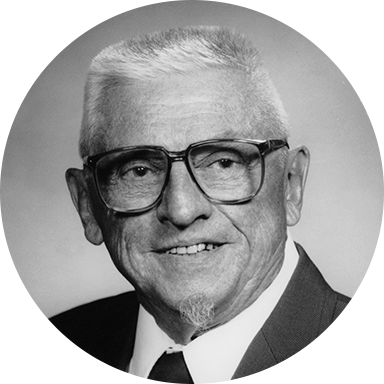
Edmund J. Siennicki

Edmund J. Siennicki was born in Cleveland, Ohio in 1920 and developed an early passion for music after meeting the legendary pianist Ignacy Jan Paderewski at age 12, a conversation that shaped his artistic direction. He earned his Bachelor's degree from Kent State University, where he composed the university's fight song, and later completed his MA at Teachers College, Columbia University under the mentorship of composer Herbert Elwell and electronic music pioneer Sergio Barroso.

Siennicki built a distinguished career as both performer and composer, working professionally on bassoon and piano while teaching in Cleveland's junior high schools and serving on faculty at Michigan State University and Kent State. His prolific output includes approximately 200 published compositions, many of which have won prizes in National School Orchestra composition contests. He received the Distinguished Alumnus Award from Kent State's School of Music in 1994 and has been honored with special ASCAP awards for over two decades. Throughout his career, he has remained active as a clinician and mentor, visiting schools to share his expertise with young musicians.

Why we love this

Siennicki writes with a genuine understanding of what engages beginning string players. The fiddle tune style feels authentic and energetic without requiring advanced technique, and the open double-stops deliver real sonority that makes Grade 1 students feel like accomplished musicians. Your ensemble will sound full and lively from their first read-through.

What to expect

A spirited dance captured on the page. The open double-stops ring with brightness and warmth, while steady eighth-note motion creates a forward-driving energy that feels both playful and genuinely musical. Your students will hear themselves sounding like a real ensemble.

Who it's for

Beginning string orchestras ready to move beyond open-string pieces and tackle rhythmic vitality. This work fits Grade 1 students who have developed basic intonation and are prepared to handle eighth-note figures alongside double-stops with confidence.

How to get the most out of it

  • Keep the eighth-note passages clean and articulate; even at a moderate tempo, clarity in the running lines prevents muddiness across the ensemble
  • Balance the double-stops so they blend rather than dominate; younger players often press too hard, which obscures the melodic shape
  • Shape phrases with subtle dynamic swells to highlight the fiddle tune character without overwhelming the narrative

How to use it

Program this after a slower lyrical piece to demonstrate your ensemble's range and rhythmic maturity, or use it as an uplifting closer for a concert of Grade 1 repertoire. It also pairs well with other folk-inspired works when building a thematic program around string traditions.

Skills your students will build

  • Sustaining tone while playing double-stops
  • Executing steady eighth-note rhythms across the ensemble
  • Balancing melodic line when individual voices carry the tune in unison
  • Reading and responding to basic dynamic contrast

You May Also Like