

For Just a Little While: 2-Part Choral Octavo
Music by Sally K. Albrecht / arr. Jay Althouse
Item: 00-PO-0002882
$2.25
Minimum order quantity: 20 copies
Pickup currently not available
Related Items
For Just a Little While: SATB Choral Octavo |
$2.25
|
View | |
For Just a Little While: SAB Choral Octavo |
$2.25
|
View | |
For Just a Little While: SATB Choral Octavo |
$2.25
|
View | |
For Just a Little While: SAB Choral Octavo |
$2.25
|
View | |
For Just a Little While: 2-Part Choral Octavo |
$2.25
|
View | |
For Just a Little While: Choral Octavo SoundTrax CD |
$27.99
|
View |
Description
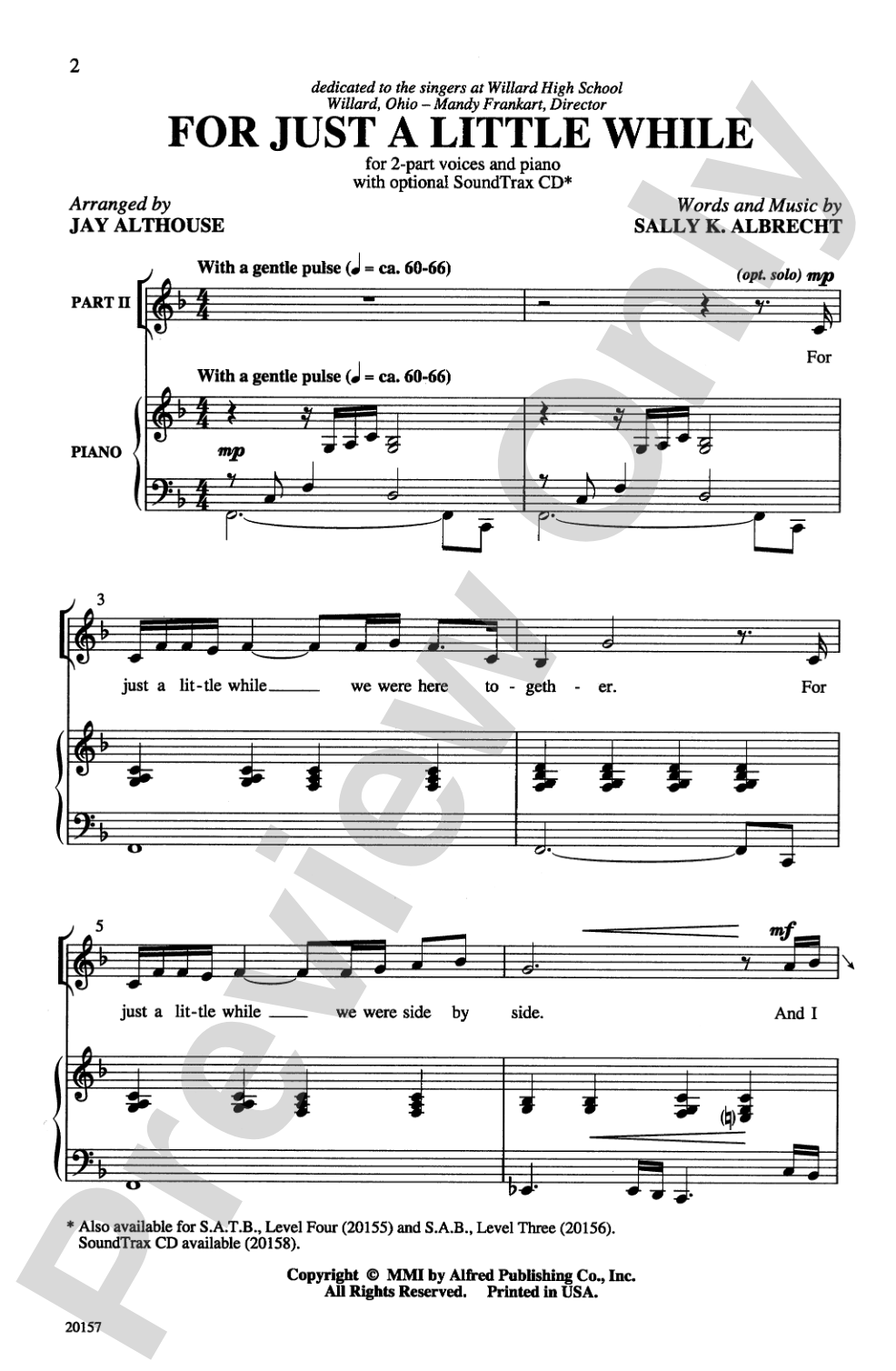
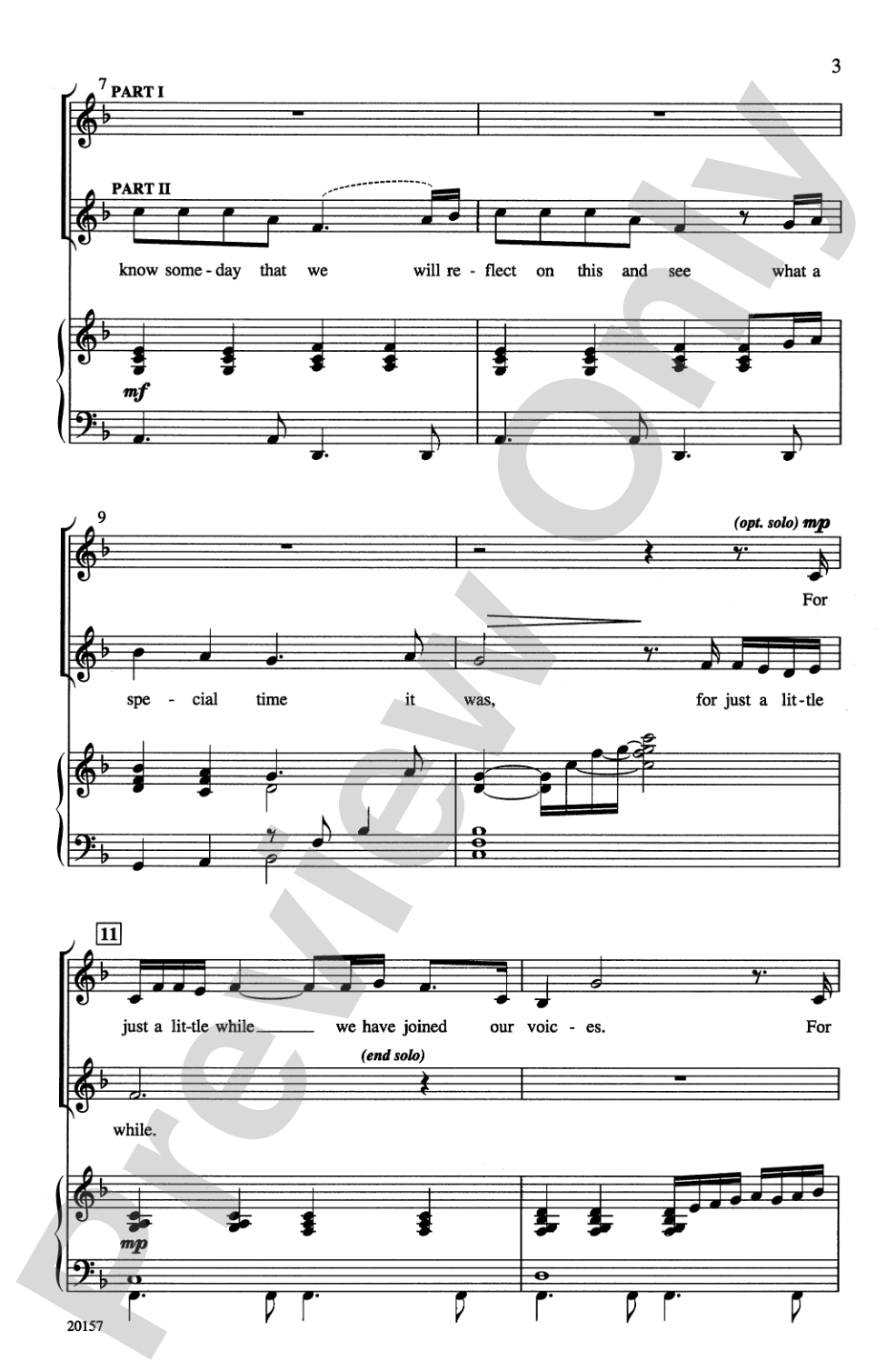
"For just a little while we were here together...what a special time it was." These touching sentiments, and a beautifully singable melody, make for Just A Little While the perfect number for graduation and year end concerts...or use it as a concert closer any time of year. The opening optional solos could also be sung by small groups for your graduating singers. A new choral classic by Sally Albrecht and Jay Althouse. Sensitive SoundTrax CD.


For Just a Little While: 2-Part Choral Octavo isn't in MakeMusic Cloud just yet...but it could be. Let us know you'd like to see it, and you'll help shape what comes next. In the meantime, start a free trial and dive into thousands of interactive titles your students can play along with today.
Request This Title
Tell us you want it.
Start Your Free Trial
Explore everything that's ready to play right now.
Sample Audio
1
Audio File
--:--
0:00
0:00
Sample Video
No sample videos found.
Additional Details
Series:
Alfred Archive Edition: Alfred Choral Designs
Publisher:
Alfred Music
Page Count:
8
SKU:
00-PO-0002882
More about this title
About the Composer: Sally K. Albrecht
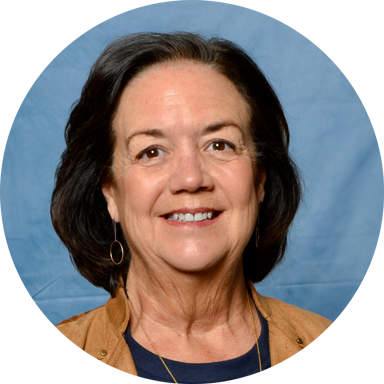
Sally K. Albrecht has shaped choral music education for over thirty years as a composer, conductor, and clinician. Her catalog spans more than 600 published choral works and 75 larger musicals and songbooks, earning her annual ASCAP Special Music Awards since 1987. She has led honor choirs at major venues including Lincoln Center, Carnegie Hall, and The Kennedy Center, and spent decades directing choral, vocal, and elementary publications for leading educational music publishers, including Alfred Music.
Albrecht holds degrees from Rollins College (B.A. in Music and Theater, 1976) and the University of Miami (M.A. in Drama, 1977; M.M. in Accompanying, 1979). She has taught at Oakland University, Jersey City State College, and Meredith College, and served as Chair of the Board of Trustees for Omicron Delta Kappa National Leadership Honor Society. In 2021, she received the Distinguished Alumna Award from both the University of Miami Frost School of Music and Rollins College. She lives in Wake Forest, North Carolina, with her husband and frequent collaborator, composer and arranger Jay Althouse.
Why we love this
This piece captures the bittersweet reality of transition in a way that feels genuine rather than saccharine. The singable melody paired with emotionally honest text makes it equally powerful at graduation, year-end concert, or as a concert closer on any spring program. The optional solo openings let you spotlight graduating singers or small ensemble voices, adding another layer of flexibility to an already versatile octavo.
What to expect
The opening carries quiet poignancy, almost intimate, before the choir swells in to affirm the shared memory. There's warmth in the harmony and a sense of gentle acceptance in how the melody moves through the phrase. By the end, the piece settles into a place of gratitude rather than loss.
Who it's for
Directors programming graduation or year-end concerts who need a piece that honors transition without becoming maudlin. This octavo works for developing two-part choirs and works equally well for upper elementary, middle school, or high school groups because the melody is accessible but the sentiment is genuine.
How to get the most out of it
- Shape the opening solo line with gentle dynamics so it draws the audience in before the full choir enters. If you're using this with multiple small groups, consider having them sing the solos from different stage positions.
- Balance the two-part writing so each voice part carries equal melodic weight. This isn't a piece where the top voice dominates; both parts are essential to the beauty of the harmony.
- Use the recorded accompaniment to establish the emotional tone during rehearsal. Hearing how the SoundTrax interprets the pacing and rubato can guide your choir's interpretation.
- Allow space for breath between phrases. Sensitive, reflective singing needs room to breathe, and pushing through will undermine the piece's emotional honesty.
How to use it
Program this as the final selection before intermission or as your concert closer to leave the audience in a reflective state. It also pairs well with other celebration pieces if you're building a thematic graduation set, and the two-part voicing lets you include younger singers in a mostly upper-school concert.
Skills your students will build
- Singing sustained, lyrical lines with consistent tone quality
- Balancing two-part harmony so both voices are equally important
- Interpreting text-driven phrasing and emotional shaping
- Managing breath control in slower, reflective music