
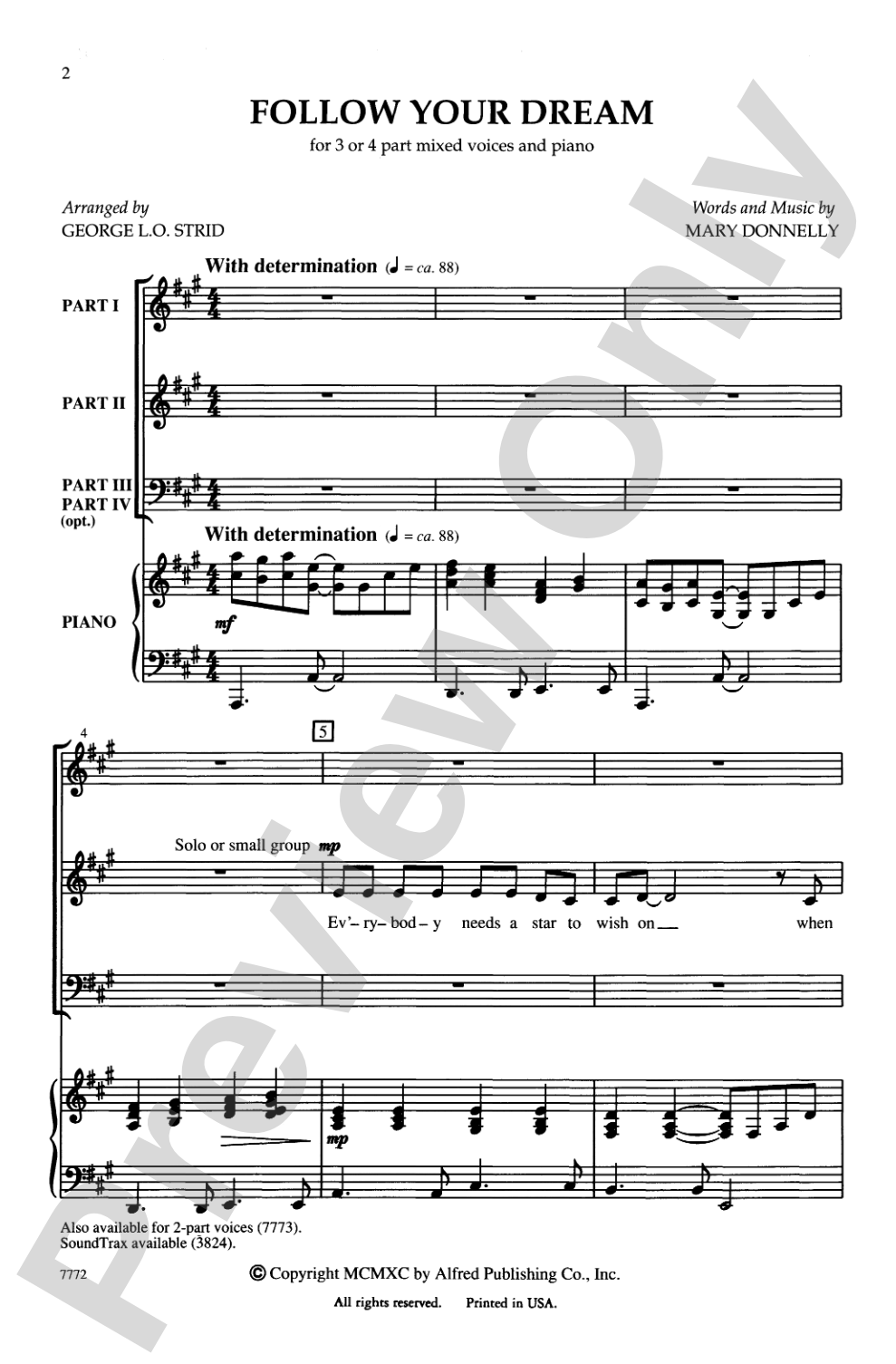
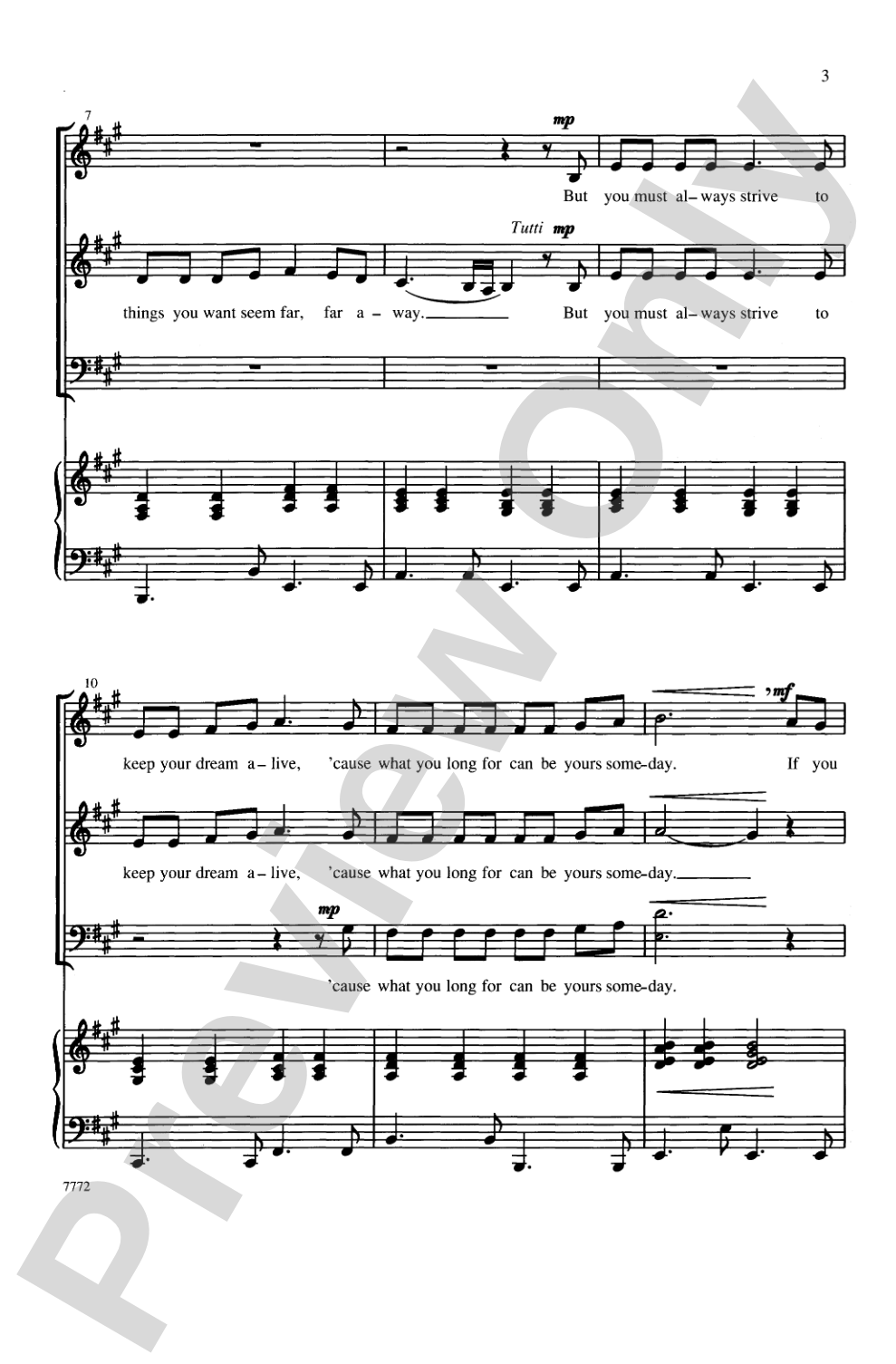

Follow Your Dream: 3- or 4-Part Choral Octavo
Music by Mary Donnelly and George L. O. Strid
Item: 00-PO-0004583
$2.25
Minimum order quantity: 20 copies
Pickup currently not available
Description
You must always strive to keep your dream alive.' That's the theme of this expressive selection from Mary Donnelly and George Strid, featuring an optional solo and closing soprano descant. The SoundTrax cassette adds a full sound making this an excellent choice for graduation.


Follow Your Dream: 3- or 4-Part Choral Octavo isn't in MakeMusic Cloud just yet...but it could be. Let us know you'd like to see it, and you'll help shape what comes next. In the meantime, start a free trial and dive into thousands of interactive titles your students can play along with today.
Request This Title
Tell us you want it.
Start Your Free Trial
Explore everything that's ready to play right now.
Sample Audio
1
Audio File
--:--
0:00
0:00
Sample Video
No sample videos found.
Additional Details
Series:
Alfred Archive Edition: Alfred Choral Designs
Publisher:
Alfred Music
Page Count:
12
SKU:
00-PO-0004583
More about this title
About the Composer: Mary Donnelly
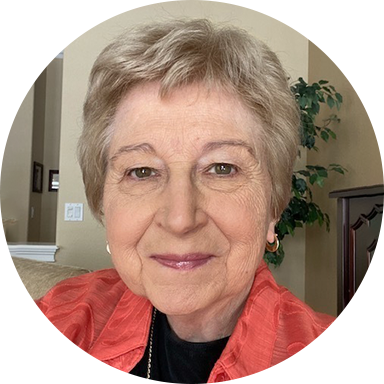
Mary Donnelly grew up in Reno, Nevada, and earned her Bachelor of Arts in English and French from the University of Nevada, Reno. While still an undergraduate, she founded two children's choruses, an experience that redirected her toward music education. She pursued certification and completed a Master's Degree in Education from Lesley College in Cambridge, Massachusetts, where she focused on integrating arts across the curriculum.
Donnelly spent thirty years teaching general music and choir in elementary and middle schools throughout Washoe County, Nevada. In 1985, she met George Strid while team-teaching a sixth grade general music class. Their principal challenged them to create a musical for Reading Week, and that collaboration launched a prolific songwriting partnership that has produced over two hundred songs and twenty-five musicals. She is active in ACDA, NEA, and ASCAP.
Why we love this
Donnelly and Strid understand the emotional weight of milestone moments. The optional solo and soprano descant give you flexibility to feature individual singers while keeping the piece accessible for mixed-ability choirs. The straightforward three- or four-part writing ensures strong ensemble sound without overshadowing the inspirational text.
What to expect
The piece carries genuine warmth without cliché. The harmonic language supports the text's earnest encouragement, creating moments of brightness and reflection that resonate with singers and listeners alike. You'll hear voices building toward something meaningful, not merely performing.
Who it's for
Choir directors planning graduation ceremonies, whether in middle school, high school, or community settings. The flexible voicing works for groups with developing singers as well as experienced ensembles, making it equally valuable for classes and select choirs.
How to get the most out of it
- Balance the optional solo voice so it emerges from the ensemble rather than standing apart; this creates intimacy and draws the audience into the personal message.
- Shape the closing soprano descant with a gentle dynamic arc to avoid it feeling tacked on; let it breathe as a natural reflection of the main melodic material.
- Use the recorded accompaniment to lock in the harmonic foundation during early rehearsals, then gradually reduce your reliance on it as internal parts solidify.
- Emphasize the text's aspirational quality through subtle dynamic growth across phrases; the message deserves conviction, not sentimentality.
How to use it
This works beautifully as a closing processional or the final choral selection before speeches and awards. Its length and emotional arc make it a strong anchor for the ceremonial moment without demanding so much rehearsal time that it overshadows other graduation preparations. Position it where the ceremony shifts from celebration to reflection.
Skills your students will build
- Part independence in three- and four-part texture
- Balancing solo voice with ensemble accompaniment
- Sustaining phrase shape and text expression across longer melodic lines
- Blending upper voices in descant passages