Follow Your Dream Cover Image

Follow Your Dream: 3- or 4-Part Choral Octavo

$2.25 USD
Sale price  $2.25 USD Regular price 
Skip to product information
Follow Your Dream Cover Image

Follow Your Dream: 3- or 4-Part Choral Octavo

Music by Mary Donnelly and George L. O. Strid

Item: 00-7772

makemusic Cloud badge

Need it now?

Buy Digital Version
$2.25
Shipped

One moment…

Description
You must always strive to keep your dream alive.' That's the theme of this expressive selection from Mary Donnelly and George Strid, featuring an optional solo and closing soprano descant. The SoundTrax cassette adds a full sound making this an excellent choice for graduation.

Don't just read it, hear it, play along with it, and watch your students grow with it. In MakeMusic Cloud, Follow Your Dream: 3- or 4-Part Choral Octavo comes alive with professional accompaniment, adjustable tempo, and built-in practice tools that turn solo practice into real progress.

Sample Pages

Sample Audio
0:00
0:00
Sample Video
Additional Details
Series: Alfred Archive Edition: Alfred Choral Designs
Publisher: Alfred Music
Page Count: 12
UPC: 038081017341
SKU: 00-7772

More about this title

About the Composer: Mary Donnelly
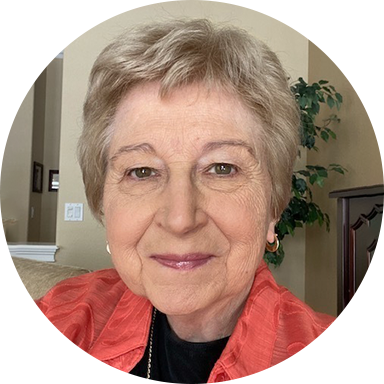
Mary Donnelly

Mary Donnelly grew up in Reno, Nevada, and studied English and French at the University of Nevada before discovering her passion for music education. After earning a Master's Degree in Education from Lesley College in Cambridge, Massachusetts, she taught general music and choir in elementary and middle schools for thirty years in the Washoe County School District, bringing an integrated arts approach to every classroom.

In 1985, Donnelly began collaborating with George Strid when their principal asked them to compose a musical for Reading Week. That first project launched a prolific partnership spanning decades. Together they have created over two hundred songs and twenty-five musicals, establishing themselves as trusted voices in accessible choral and theatrical music for young singers. Donnelly is a member of ACDA, NEA, and ASCAP.

Why we love this

Donnelly and Strid understand what graduation moments require: music that feels significant without overwhelming young singers. The optional solo and closing soprano descant give you flexibility in how you frame the message, while the recorded accompaniment ensures a polished, full sound whether your ensemble is large or small.

What to expect

The piece carries warmth and earnestness, built on a message that feels personal rather than preachy. Its expressiveness invites singers to invest emotionally in the text while the flexible voicing keeps the sound accessible and buoyant.

Who it's for

This piece suits middle and high school choirs preparing for graduation ceremonies, where the message about perseverance resonates with departing students. It works equally well for younger ensembles (grades 5-8) celebrating year-end milestones or transitions.

How to get the most out of it

  • Shape the phrase "you must always strive" with deliberate intention; this is the emotional core of the piece, so anchor it vocally and dynamically.
  • If using the soprano descant, balance it carefully in rehearsal so it complements rather than competes with the main melody in the final measures.
  • The optional solo works best when assigned to a singer who can deliver the text with conviction and maturity, setting the stage for full ensemble entrance.
  • Lean on the recorded accompaniment during early rehearsals to establish tempo and harmonic context quickly, then gradually reduce reliance as independence grows.

How to use it

Position this as your finale or near-closing piece on graduation night; its message of dreams and perseverance provides a meaningful send-off. The optional solo and descant also make it suitable for recognition ceremonies, awards programs, or end-of-year concerts where you want repertoire that speaks directly to student experience.

Skills your students will build

  • Singing expressively in 3- and 4-part voicings
  • Performing optional solo passages with interpretation
  • Balancing a soprano descant with main melodic line
  • Responding to recorded accompaniment cues
  • Connecting emotional text delivery to musical phrasing

You May Also Like
