Fanga Alafia Cover Image

Fanga Alafia: TBB Choral Octavo

$2.30 USD
Sale price  $2.30 USD Regular price 
Skip to product information
Fanga Alafia Cover Image

Fanga Alafia: TBB Choral Octavo

Traditional Welcome Song / arr. Andy Beck

Item: 00-51095

makemusic Cloud badge

Need it now?

Buy Digital Version
$2.30
Shipped

One moment…

Description
This lively welcome song traditionally accompanies the West African fanga dance. Built on the familiar tune (plus some new material and a few English words), this general music class favorite is fully developed as a choral arrangement. Scattered handclaps, syncopated rhythms, and bright harmonies make this well-crafted setting a joy to perform! A modulating breakdown section in the middle offers the opportunity to incorporate the dance. Downloadable percussion parts are available online.

Don't just read it, hear it, play along with it, and watch your students grow with it. In MakeMusic Cloud, Fanga Alafia: TBB Choral Octavo comes alive with professional accompaniment, adjustable tempo, and built-in practice tools that turn solo practice into real progress.

Sample Pages

Sample Audio
0:00
0:00
Sample Video
Additional Details
Series: Alfred Choral Designs
Publisher: Alfred Music
Page Count: 12
UPC: 038081581323
SKU: 00-51095
Instrumentation: Percussion

More about this title

About the Composer: Andy Beck
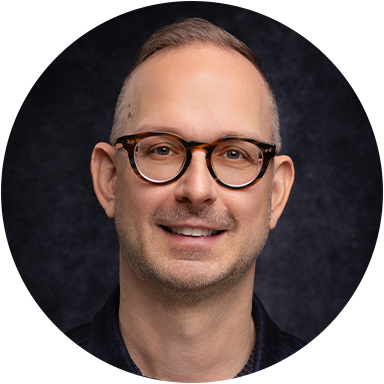
Andy Beck

Andy Beck directs choral publications at Alfred Music and has composed and arranged over 450 choral works now in active print, ranging from octavos to full musicals and vocal resources for ensemble and classroom use. His work as a guest conductor, choreographer, and clinician takes him across the country to honor choirs, all-state festivals, and music education conferences. Beck holds degrees in music education from Ithaca College and Northwest Missouri State University.

Beyond his publishing work, Beck is an accomplished tenor who performs regularly with the North Carolina Master Chorale Chamber Choir and in musical theatre productions. His dual expertise in pedagogy and performance shapes every piece he writes, whether it's a sophisticated concert arrangement or an accessible general music class selection. Since 1992, he has also served as a studio singer for Alfred Music recordings.

Why we love this

This arrangement brings an authentic West African tradition into the rehearsal room without sacrificing musical substance. The combination of syncopated rhythms, layered harmonies, and a built-in dance section creates a performance that feels genuinely celebratory rather than merely entertaining. TBB voicing makes it accessible to changing male voices and treble voices together, opening the piece to mixed ensembles that might otherwise struggle to find age-appropriate material with this level of cultural authenticity.

What to expect

Warm, energetic, and celebratory. The familiar fanga melody anchors the piece in recognizable territory, while the new material and English lyrics expand its scope without losing cultural grounding. Scattered handclaps and syncopated figures create momentum that invites physical response, making singers feel connected to the dance tradition even in a concert setting.

Who it's for

Mixed choirs with treble and lower voices, including middle school groups working with changing voices and high school ensembles seeking engaging world music repertoire. General music classes will find this especially rewarding since it offers a bridge between cultural education and full concert-ready performance.

How to get the most out of it

  • Isolate the handclap patterns in sectional rehearsals before full ensemble run-throughs. Mark them on the score with measure numbers to avoid dropped cues during the breakdown section.
  • Work the syncopated rhythms against a steady beat rather than pulling the pulse forward. A metronome or drum machine at rehearsal helps singers lock the groove without losing ensemble precision.
  • Plan your choreography during the modulating breakdown well in advance; the music accommodates movement naturally, but dancers and singers need distinct rehearsal time to coordinate comfortably.
  • Balance the brightness of the harmonies by ensuring lower voices don't overwhelm the treble lines, particularly during the parts where parallel motion could muddy the texture.

How to use it

Program this as a pacing change in a concert dominated by classical or traditional repertoire. Its accessible melodic content and strong rhythmic drive make it ideal mid-concert when you want to shift energy and engage the audience. The built-in dance section also works beautifully as a bridge piece between a formal first half and a more relaxed second half, or as a festival showcase where visual interest enhances musical impact.

Skills your students will build

  • Reading and performing syncopated rhythmic patterns
  • Blending parallel and blocked harmony in contemporary arrangements
  • Coordinating ensemble singing with choreographed movement and handclaps
  • Performing music from world traditions with cultural awareness and authentic style
  • Rhythmic flexibility in a modulating breakdown section

You May Also Like
