
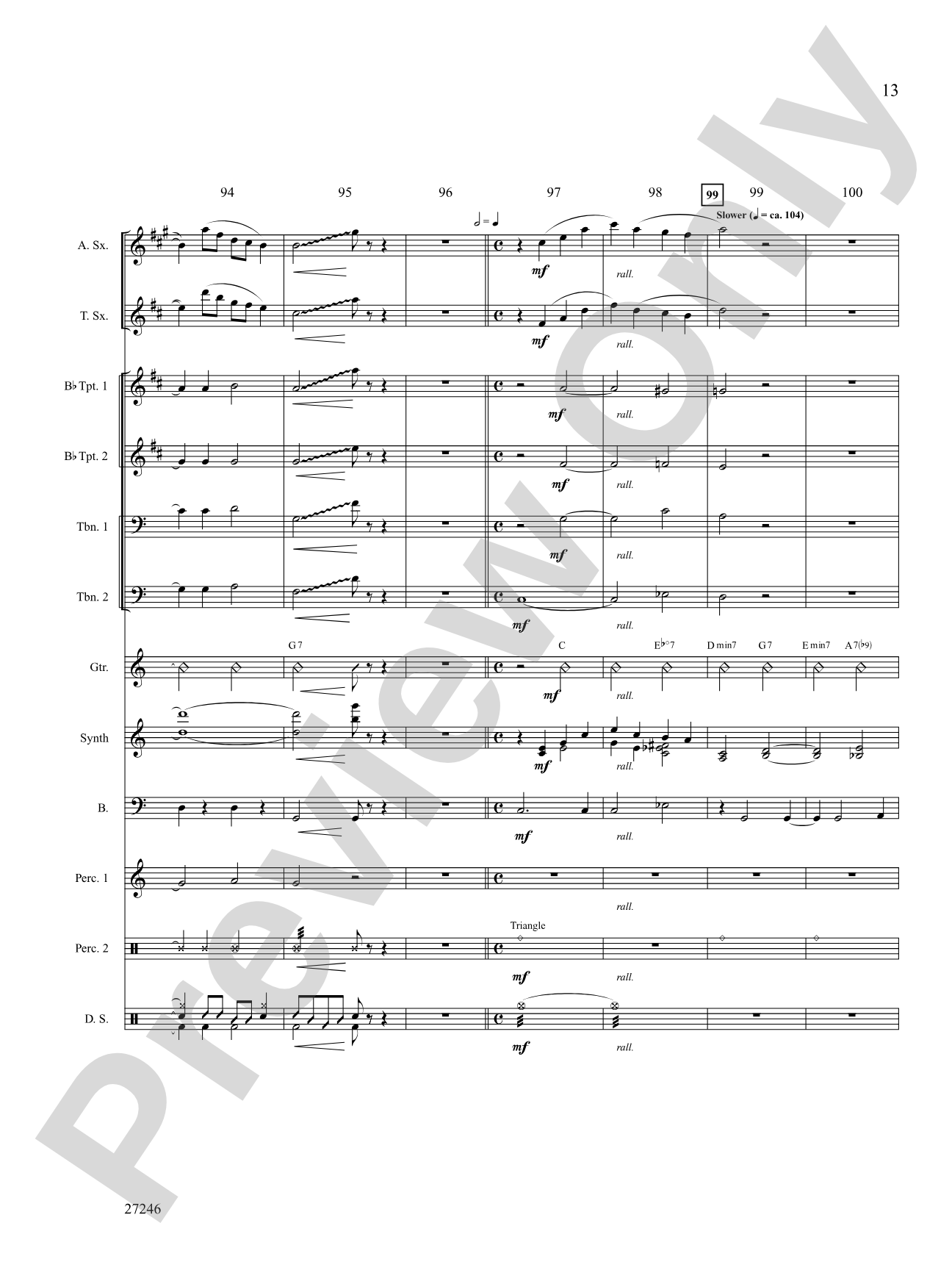
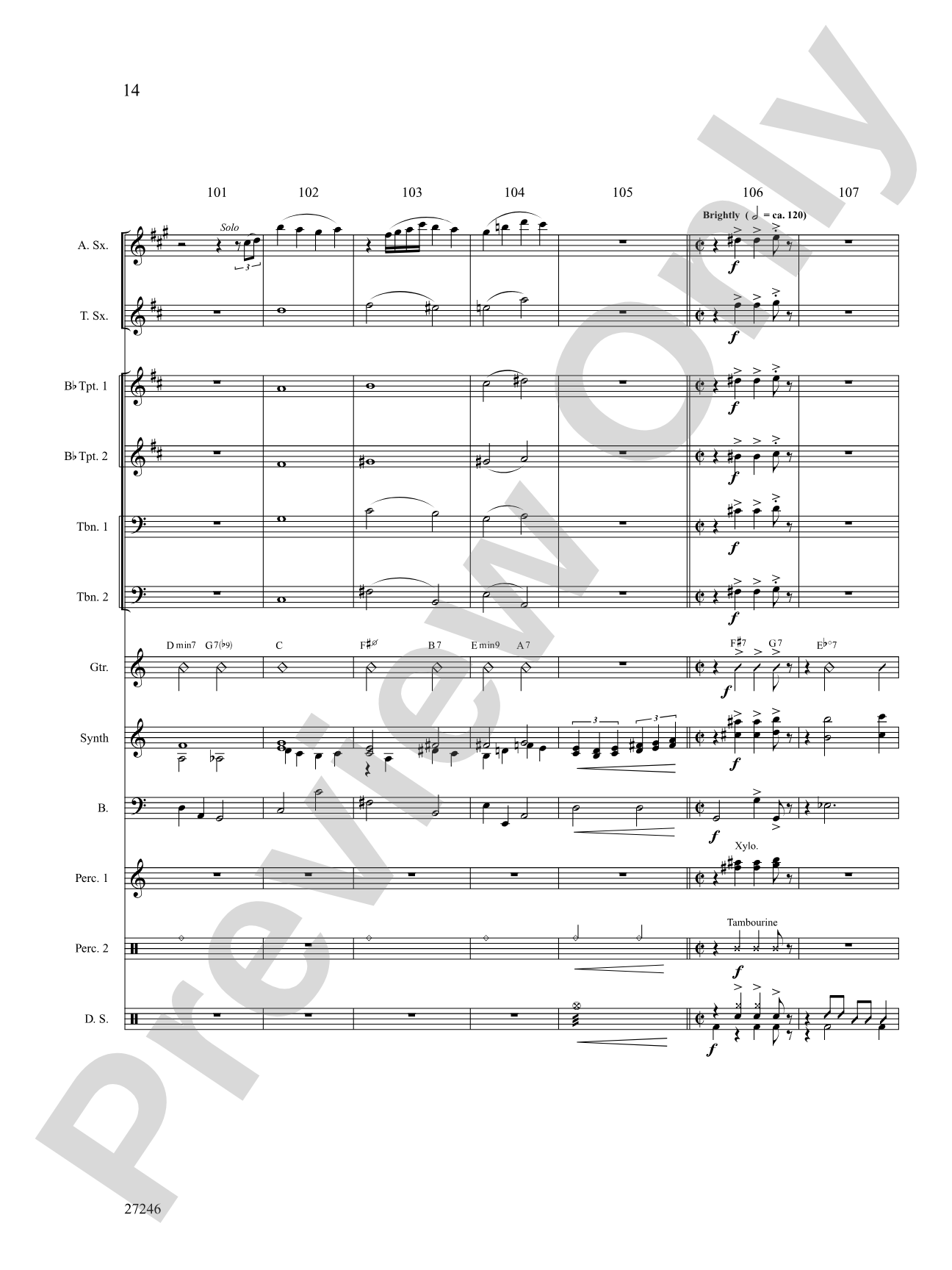
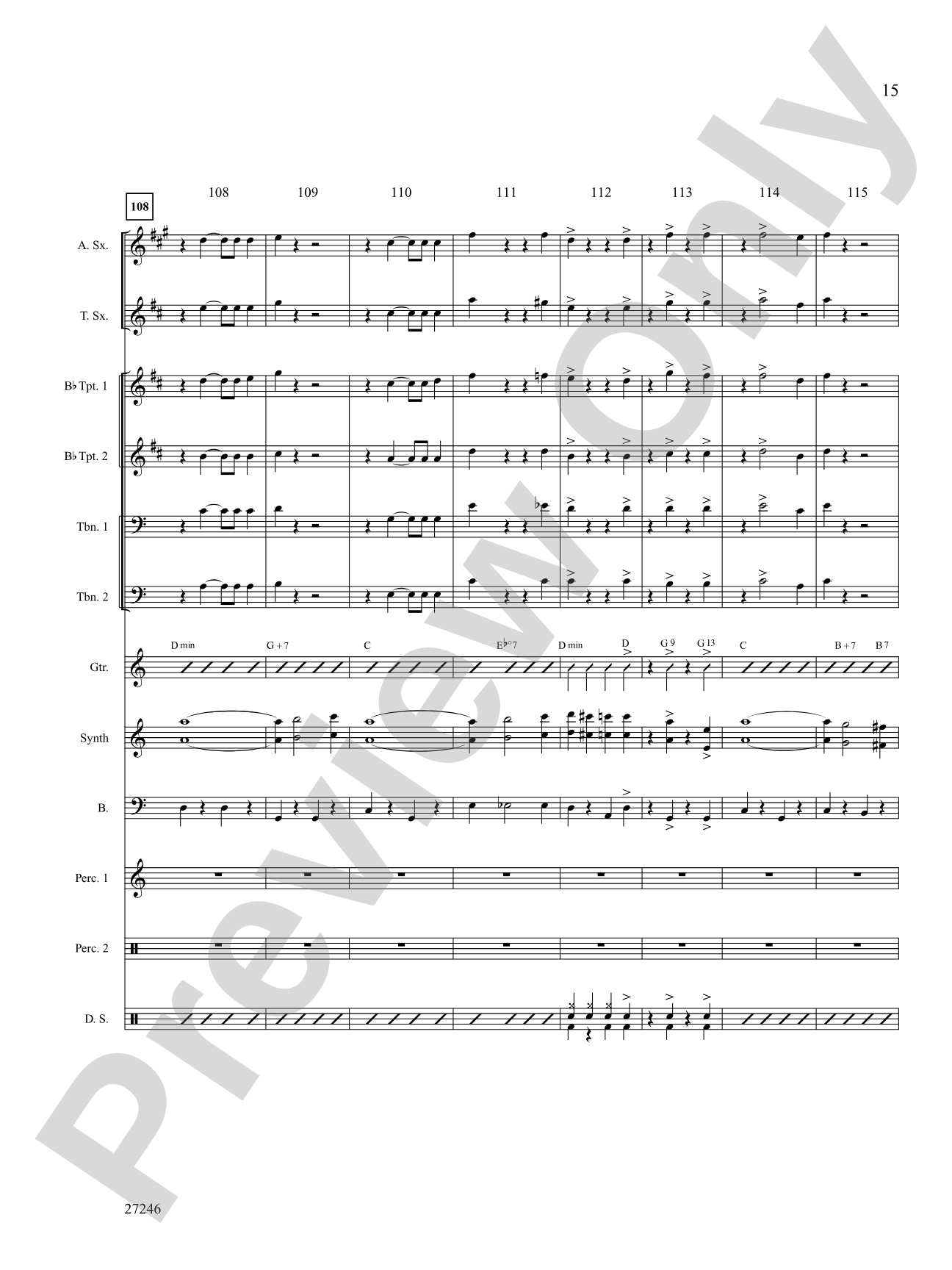
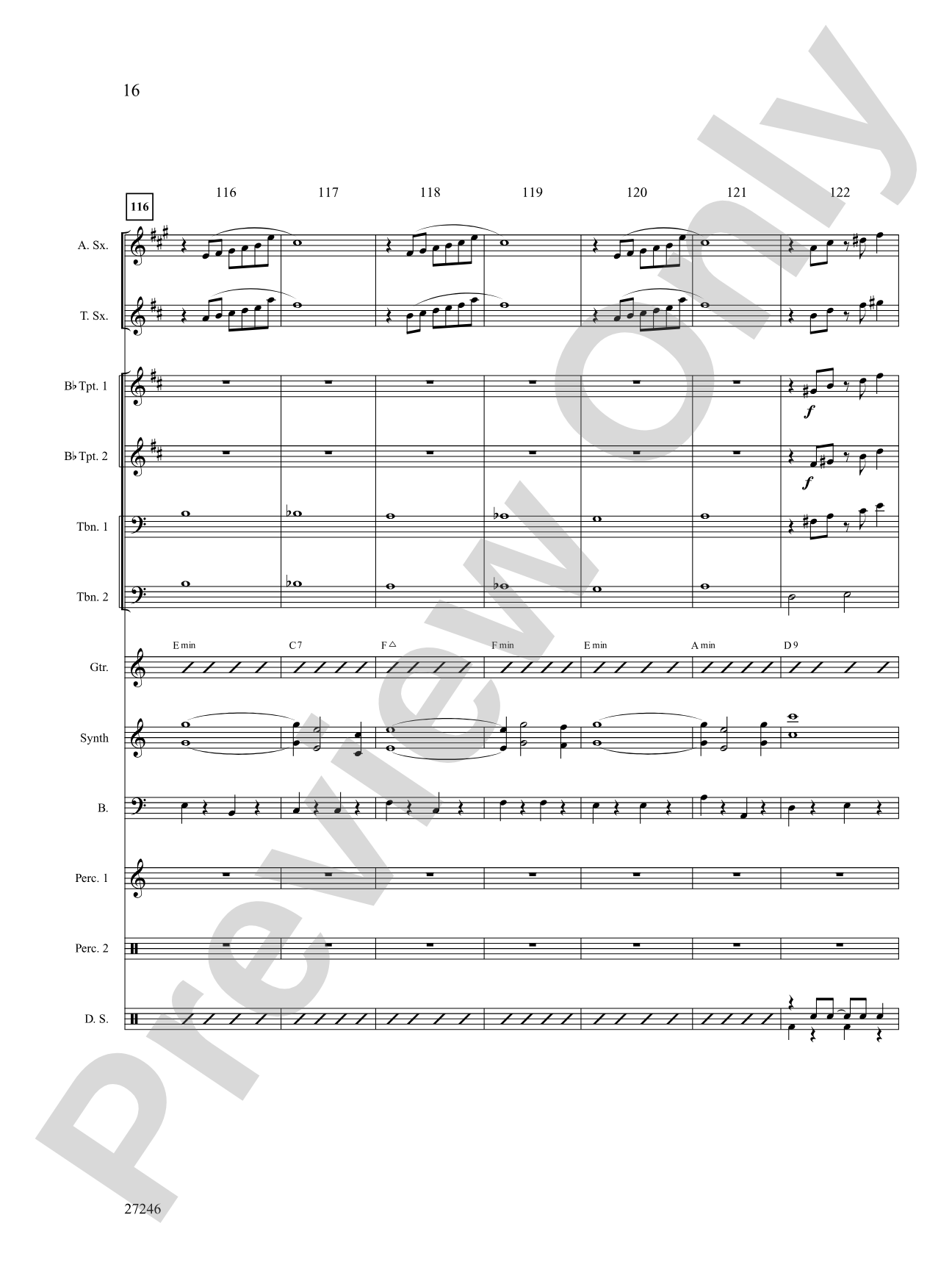

Everything's Coming Up Roses (from Gypsy): Choral SoundPax
From the Musical Gypsy
Lyrics by Stephen Sondheim, music by Jule Styne / arr. Philip Kern
Item: 00-PK-0001309

$40.00
One moment…
Related Items
Everything's Coming Up Roses: SoundTrax Digital Audio Download |
$27.99
|
View | |
Everything's Coming Up Roses (from Gypsy): SATB Choral Octavo |
$2.10
|
View | |
Everything's Coming Up Roses: SAB Choral Octavo |
$1.85
|
View | |
Everything's Coming Up Roses: SSA Choral Octavo |
$1.85
|
View | |
Everything's Coming Up Roses: 2-Part Choral Octavo |
$1.85
|
View | |
Everything's Coming Up Roses: SATB Choral Octavo |
$2.10
|
View | |
Everything's Coming Up Roses: SAB Choral Octavo |
$1.85
|
View | |
Everything's Coming Up Roses: SSA Choral Octavo |
$1.85
|
View | |
Everything's Coming Up Roses: 2-Part Choral Octavo |
$1.85
|
View | |
Everything's Coming Up Roses: Choral Octavo SoundTrax CD |
$27.99
|
View | |
Everything's Coming Up Roses: Choral SoundPax |
$40.00
|
View |
Description
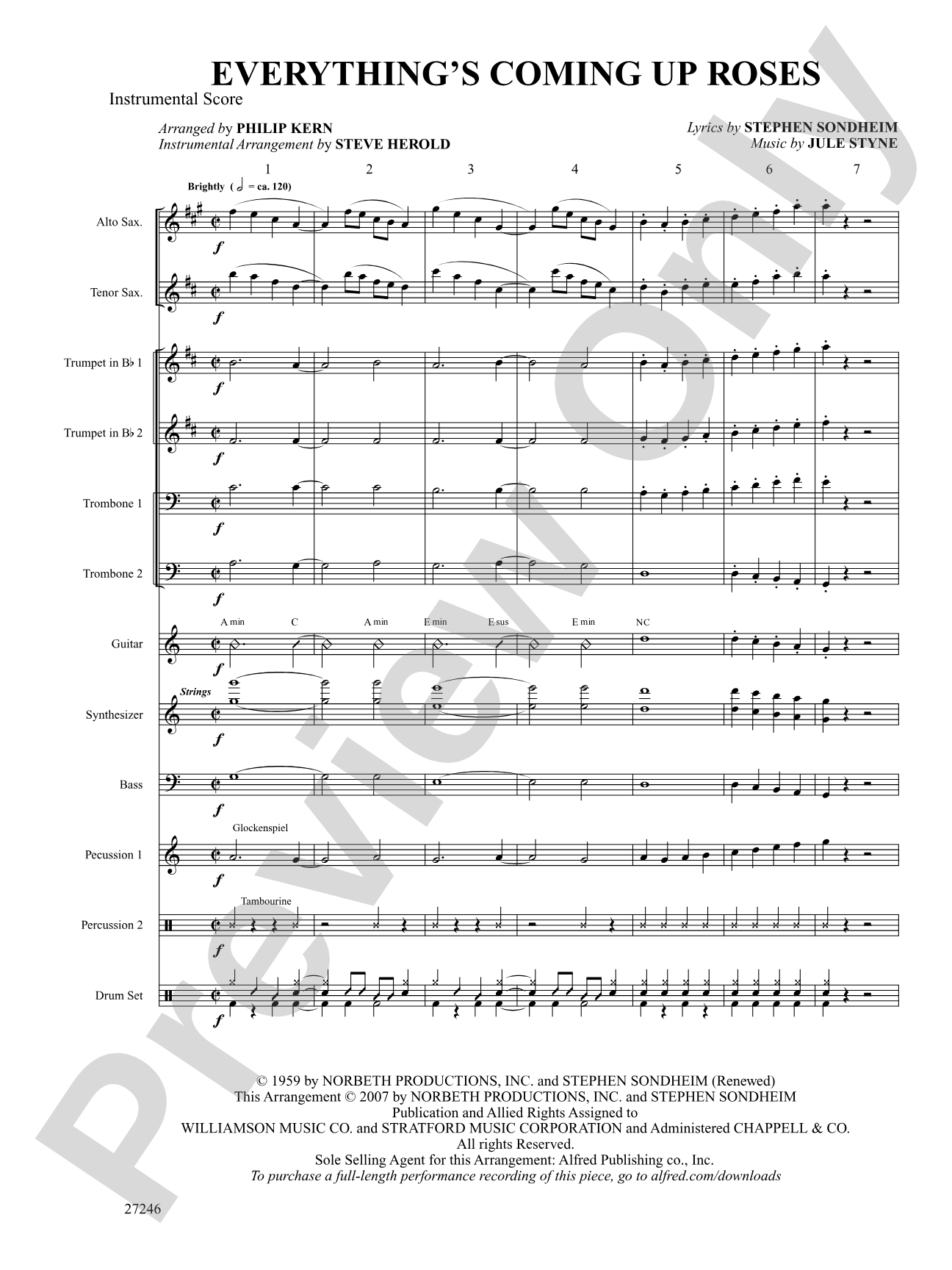
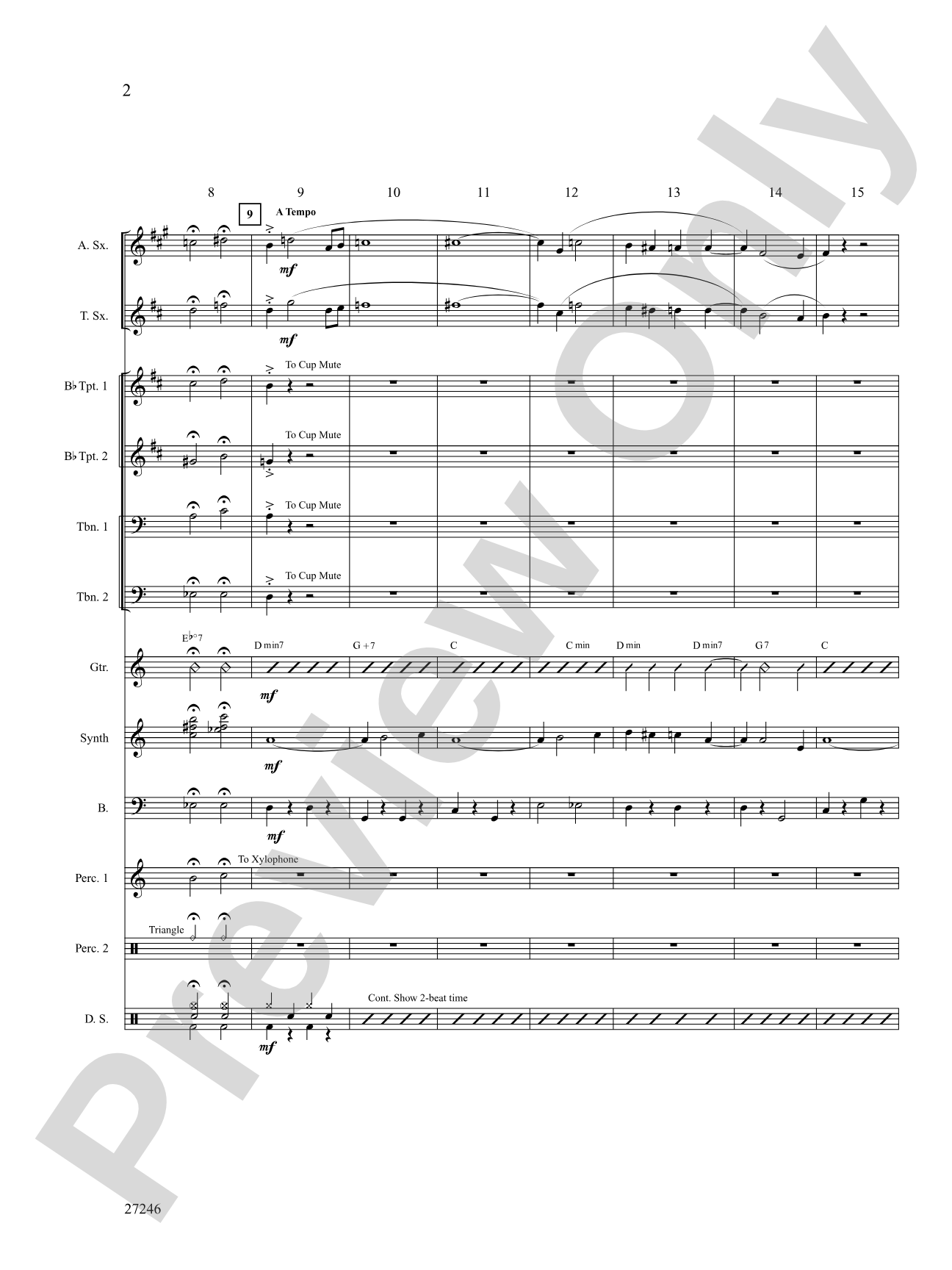
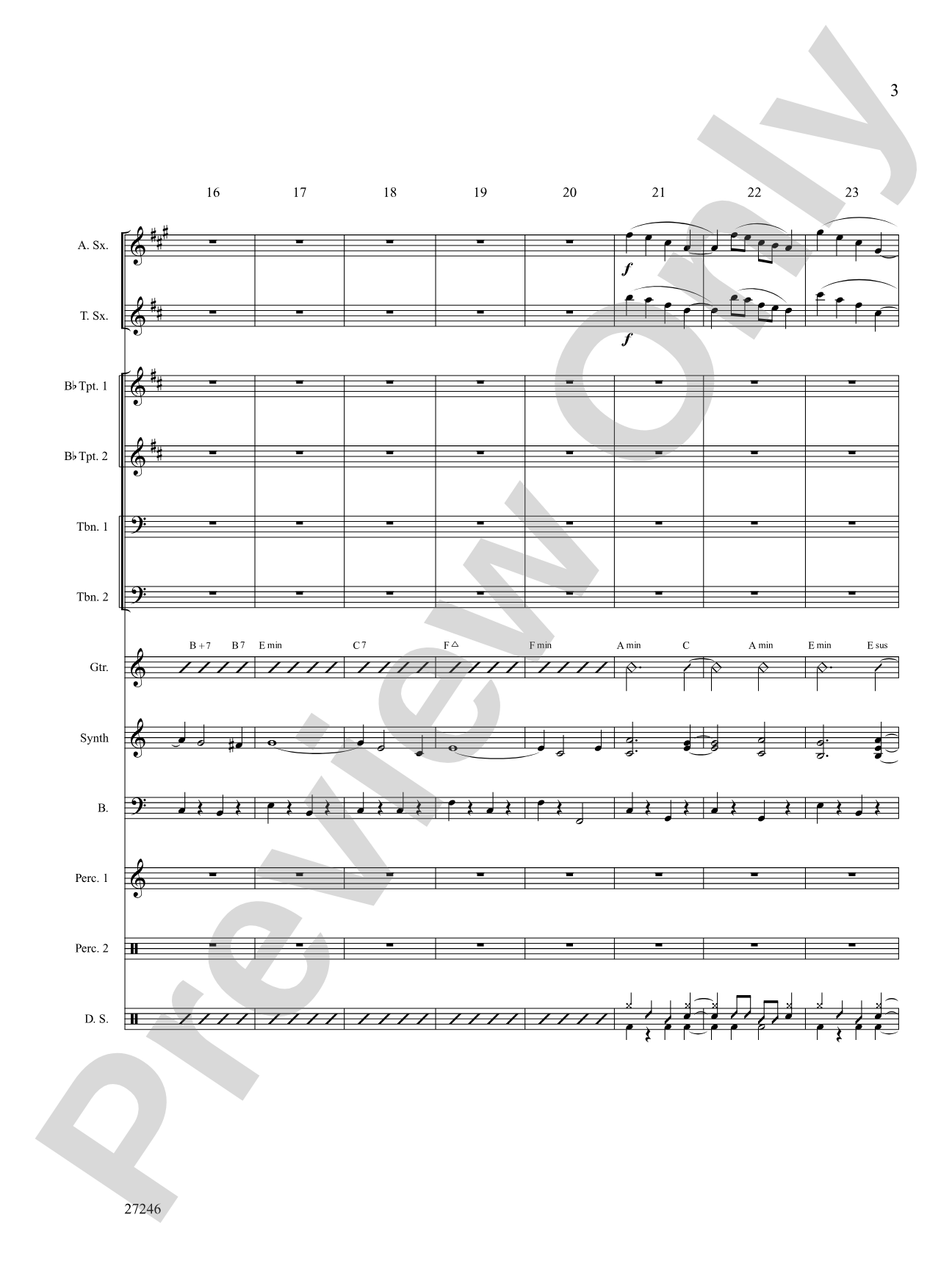
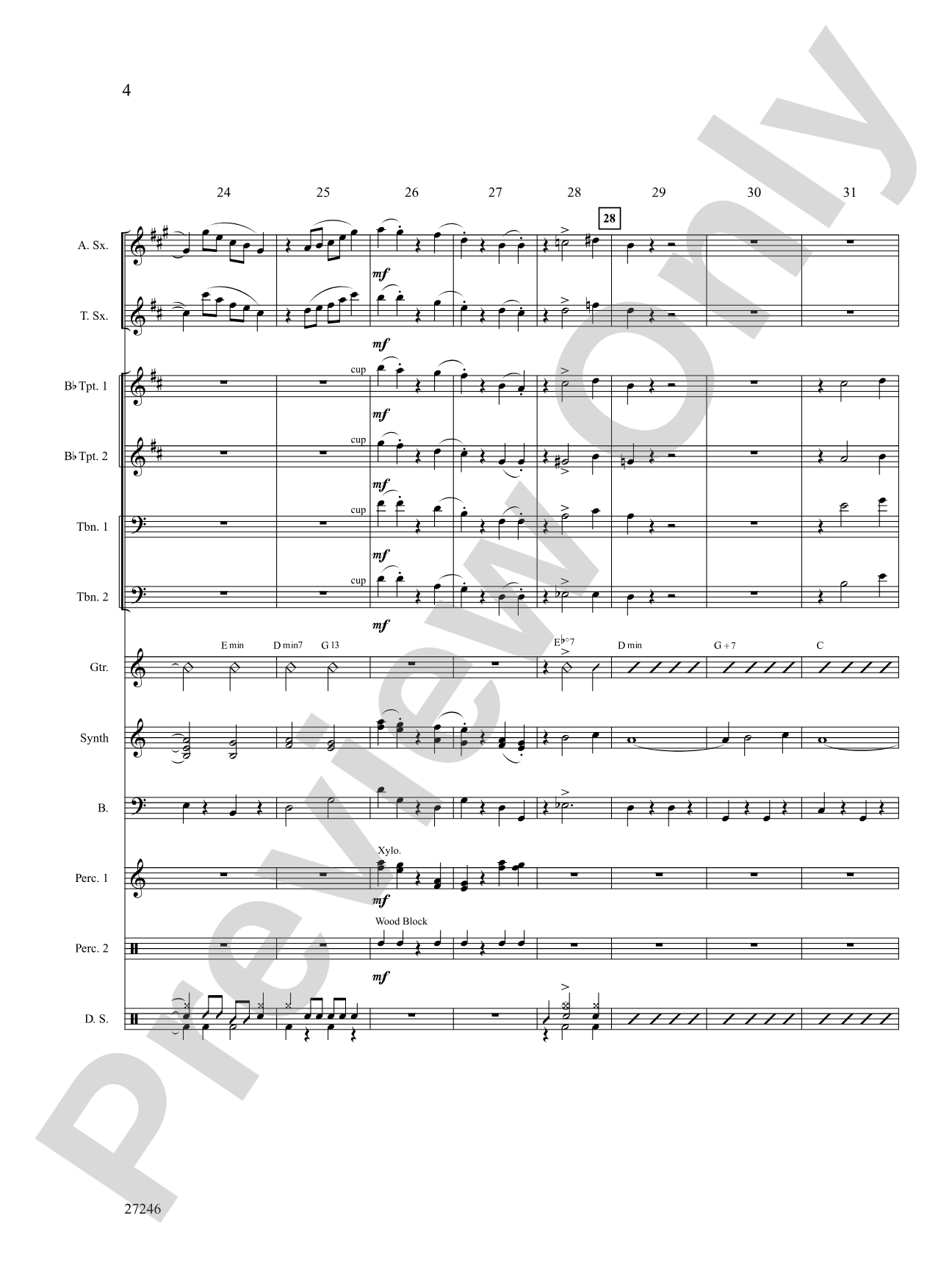
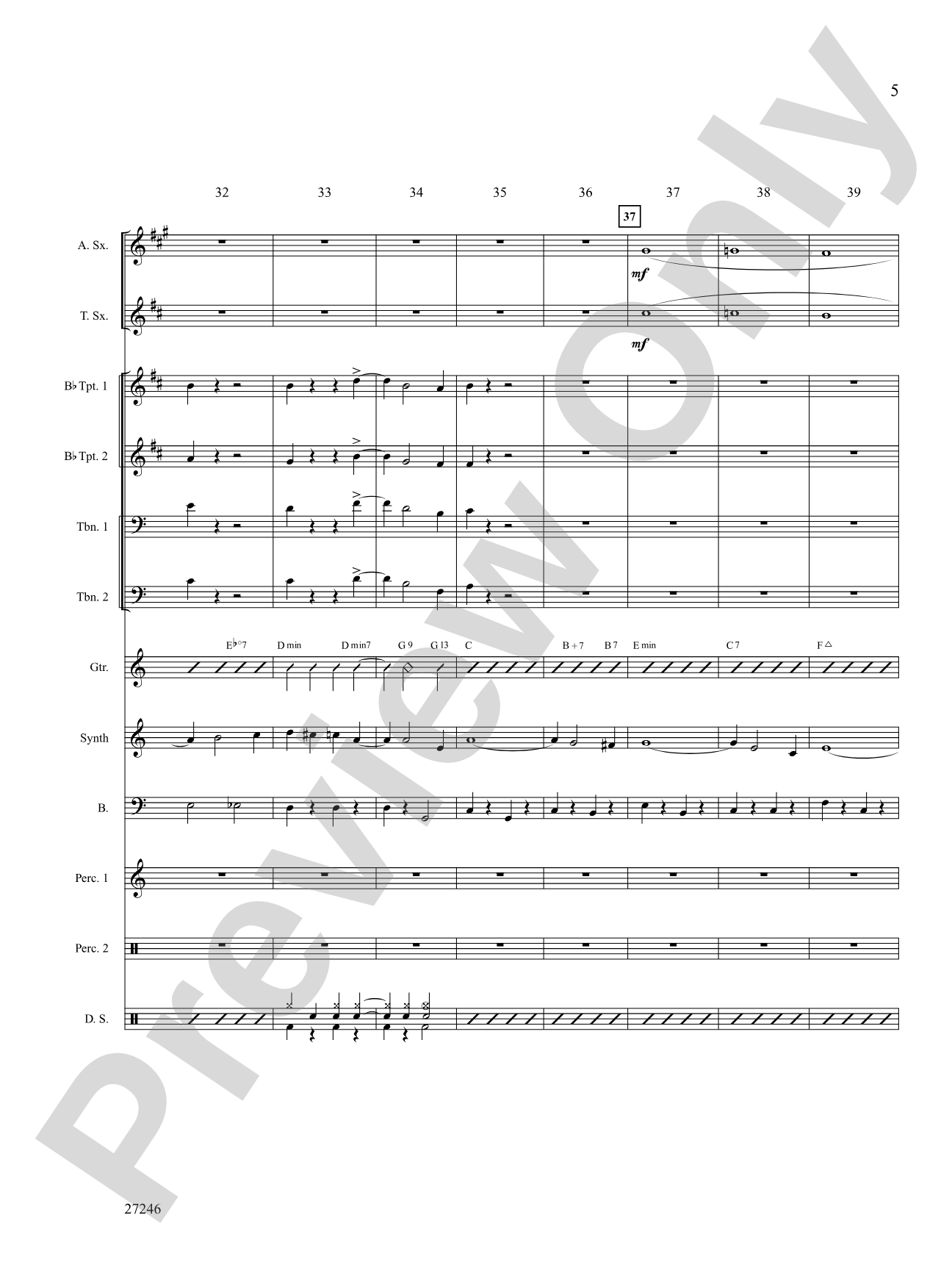
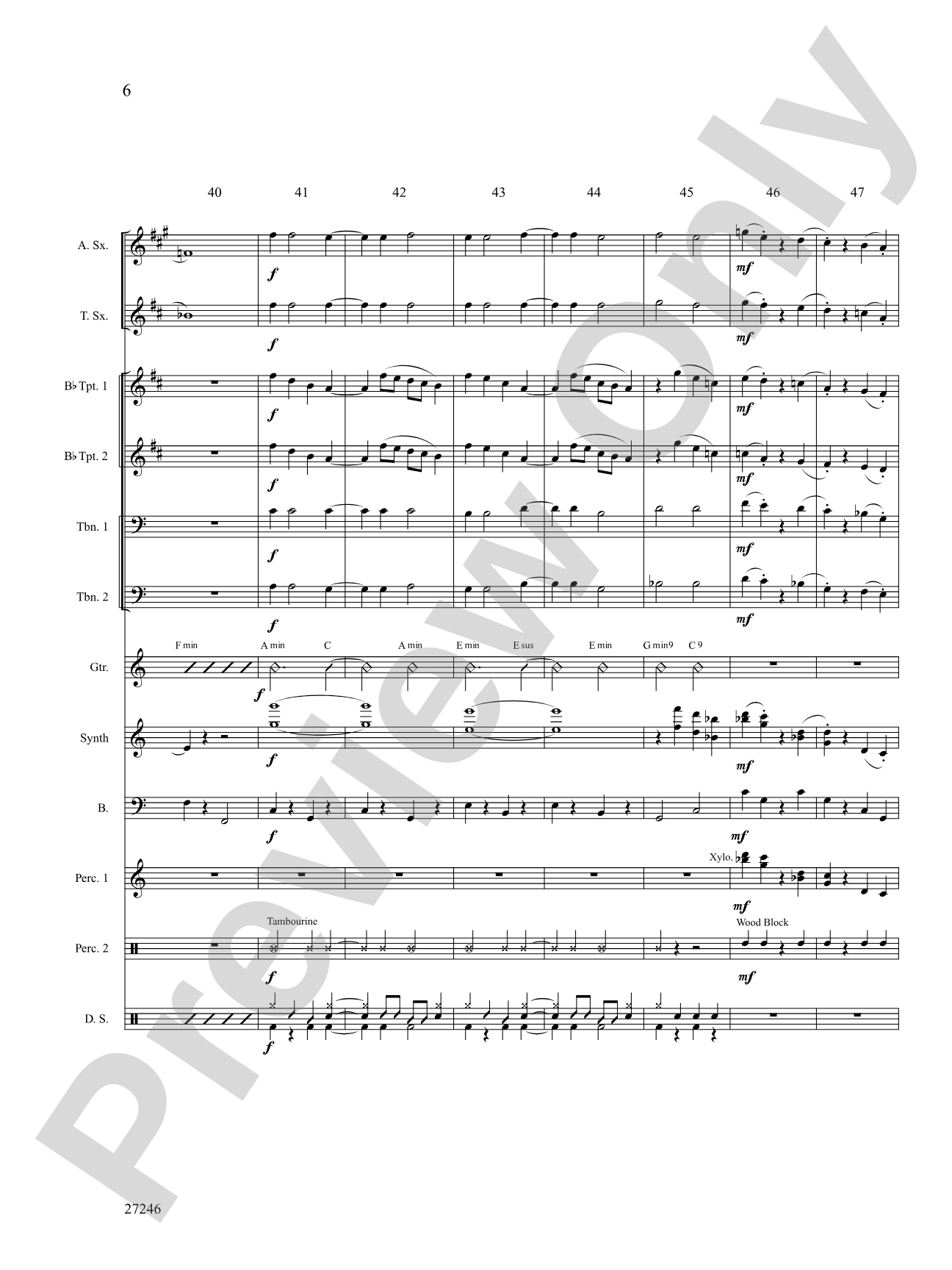
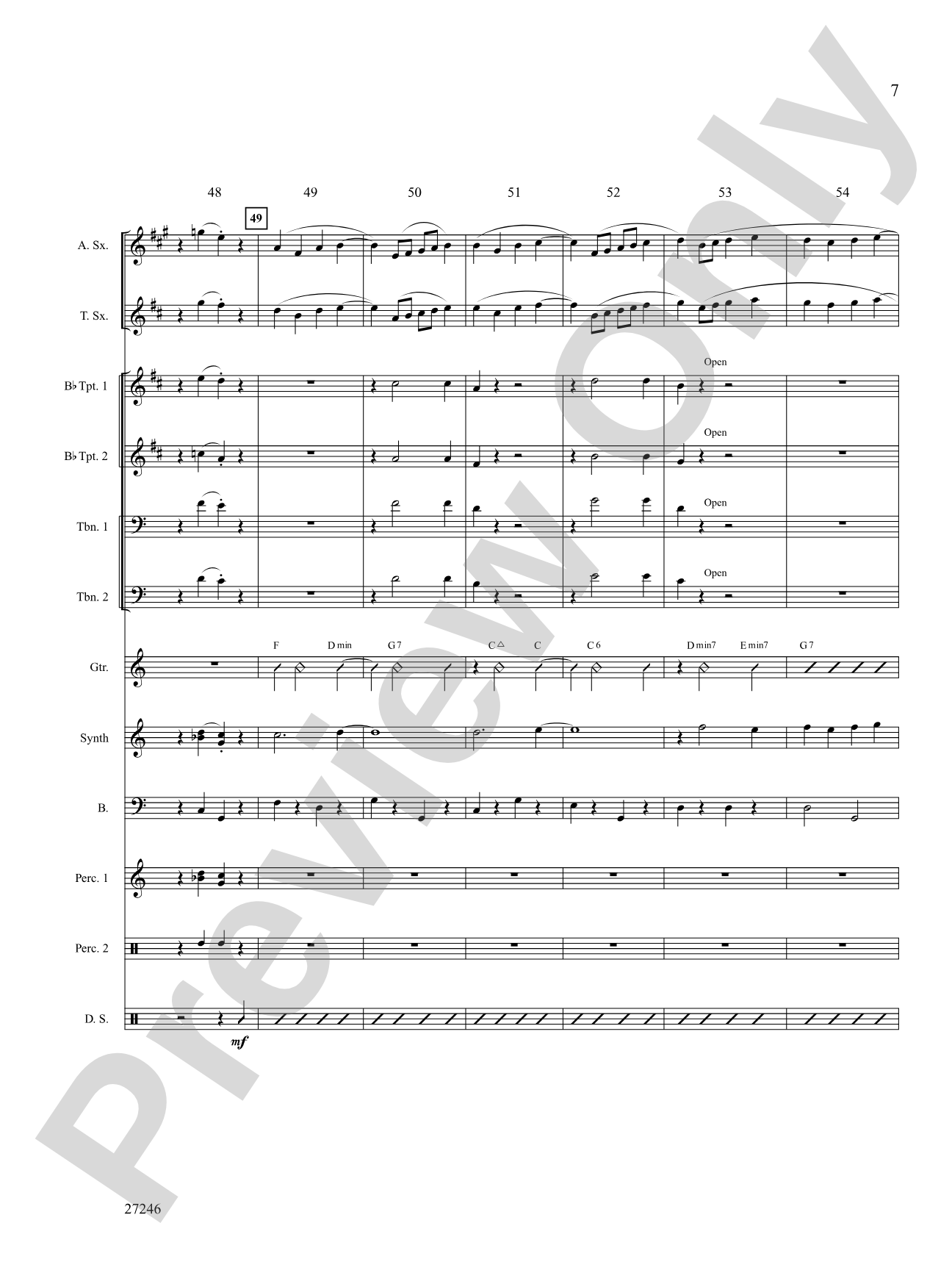
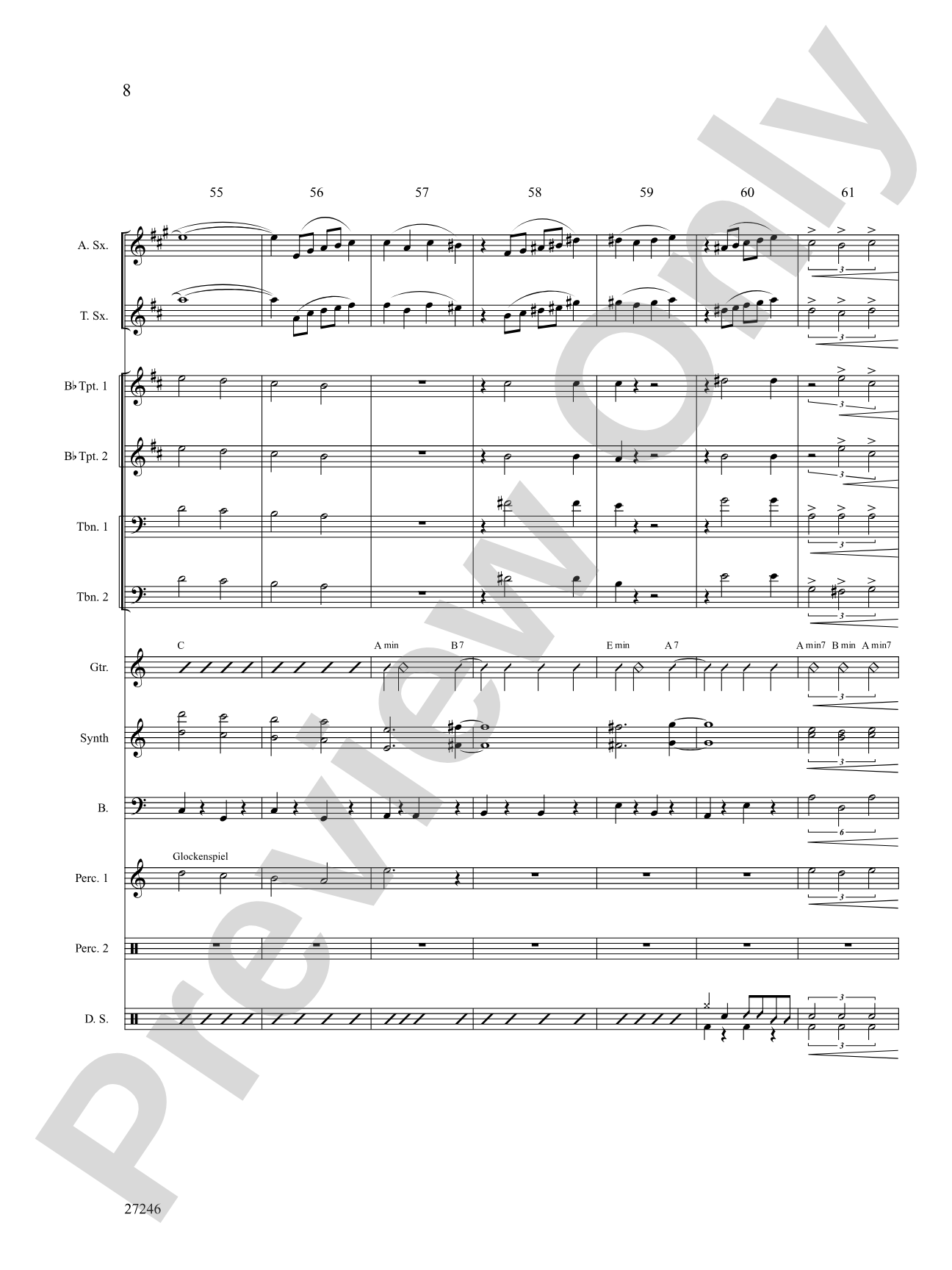
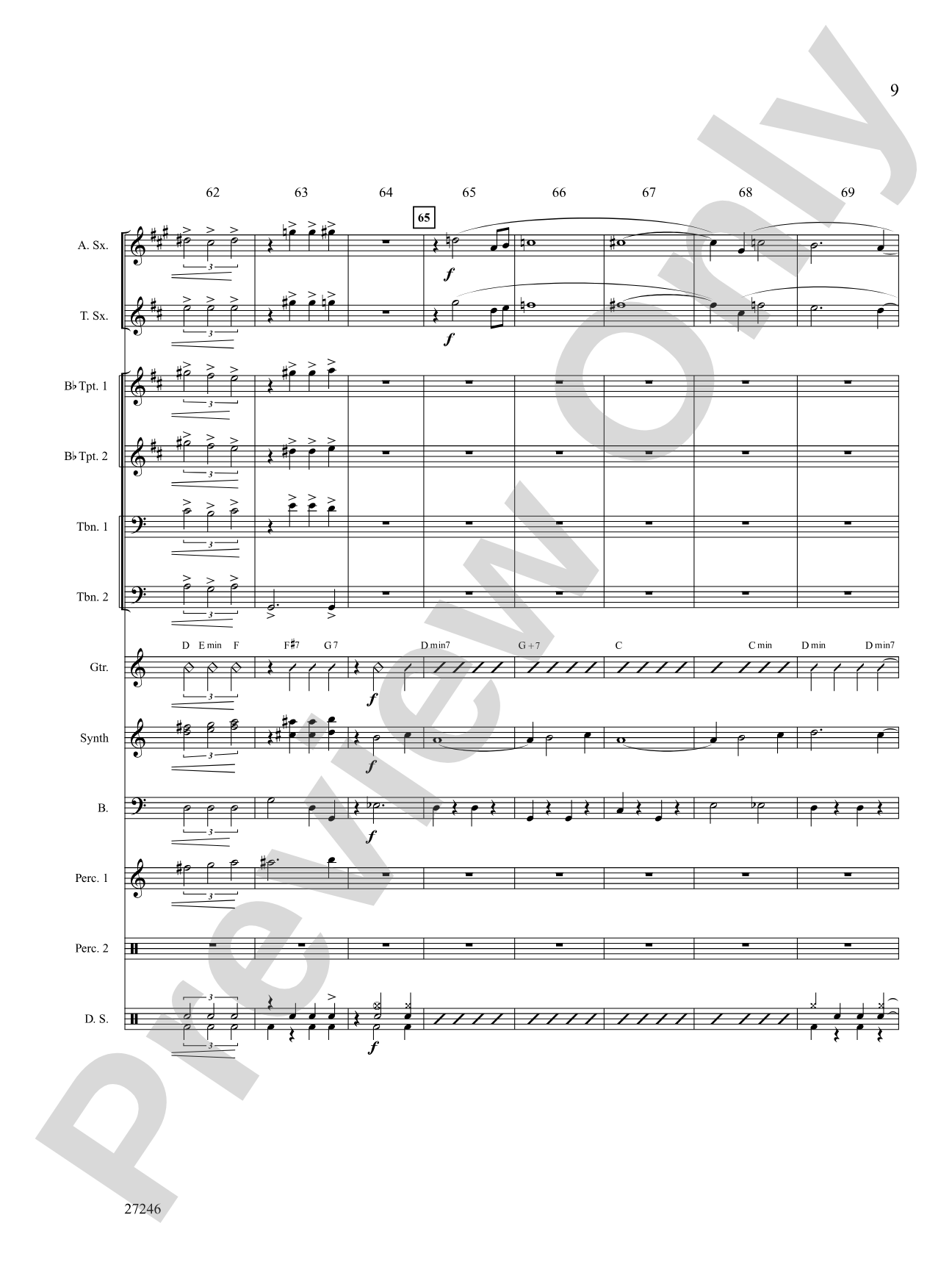
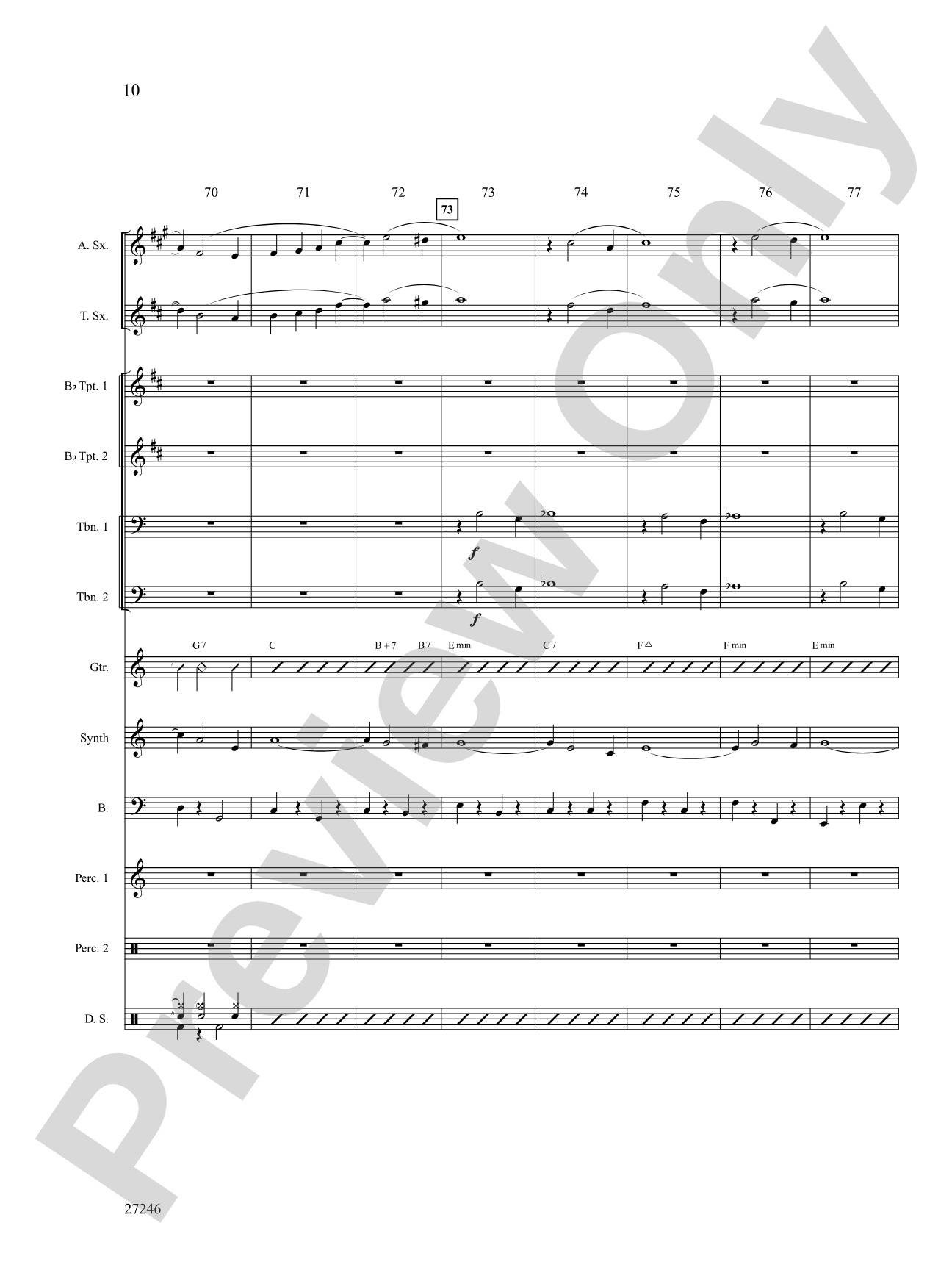
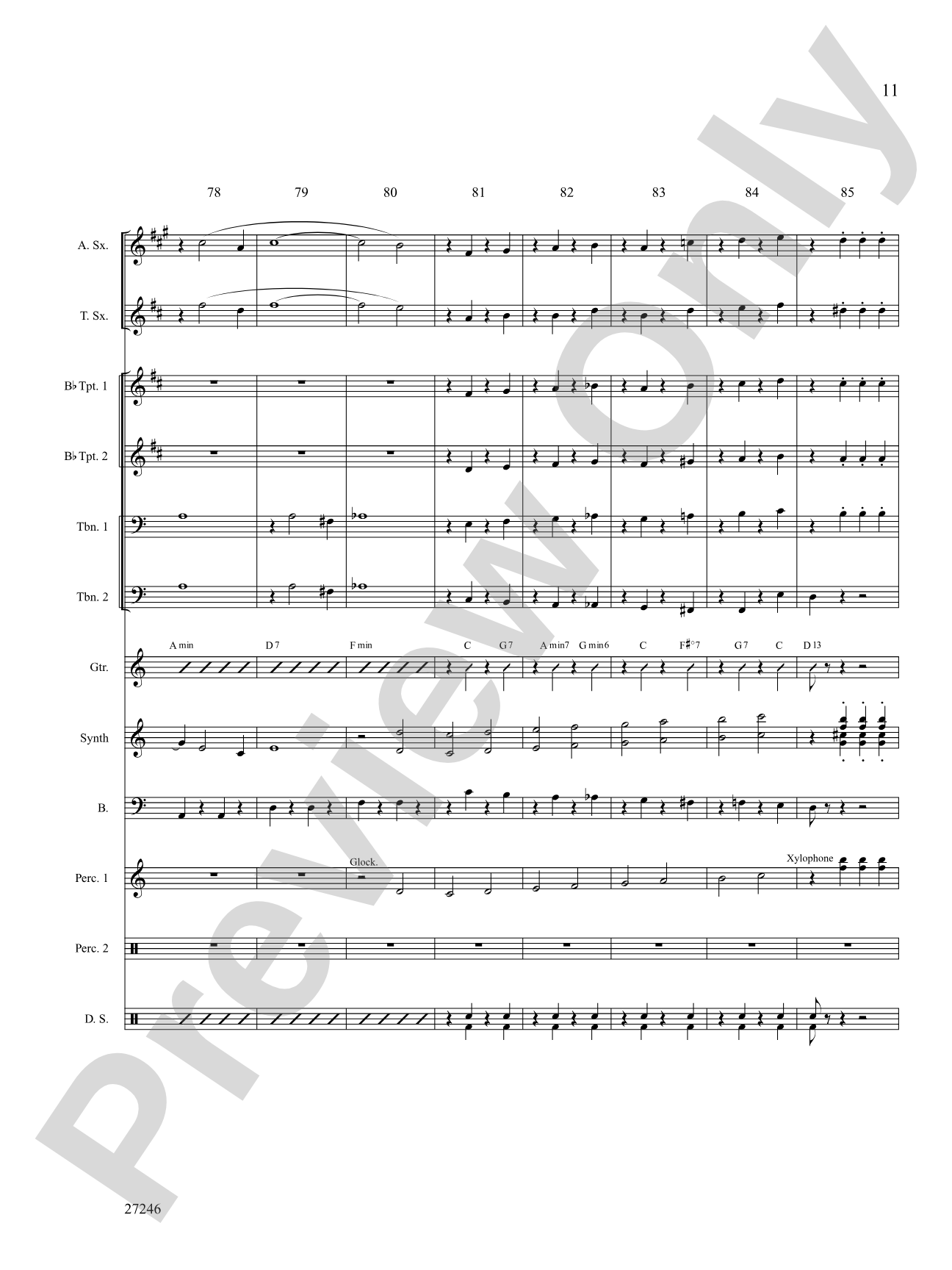
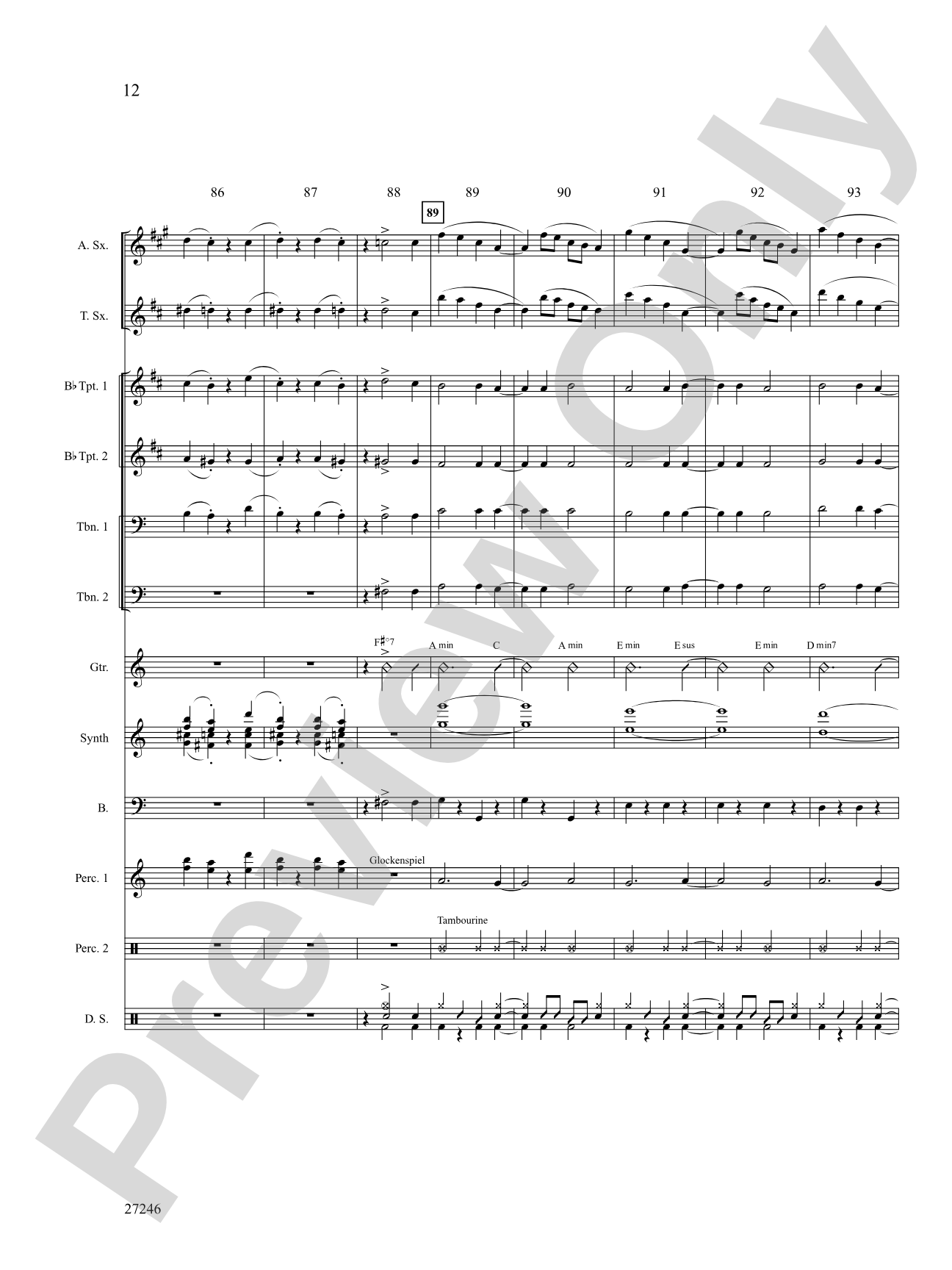
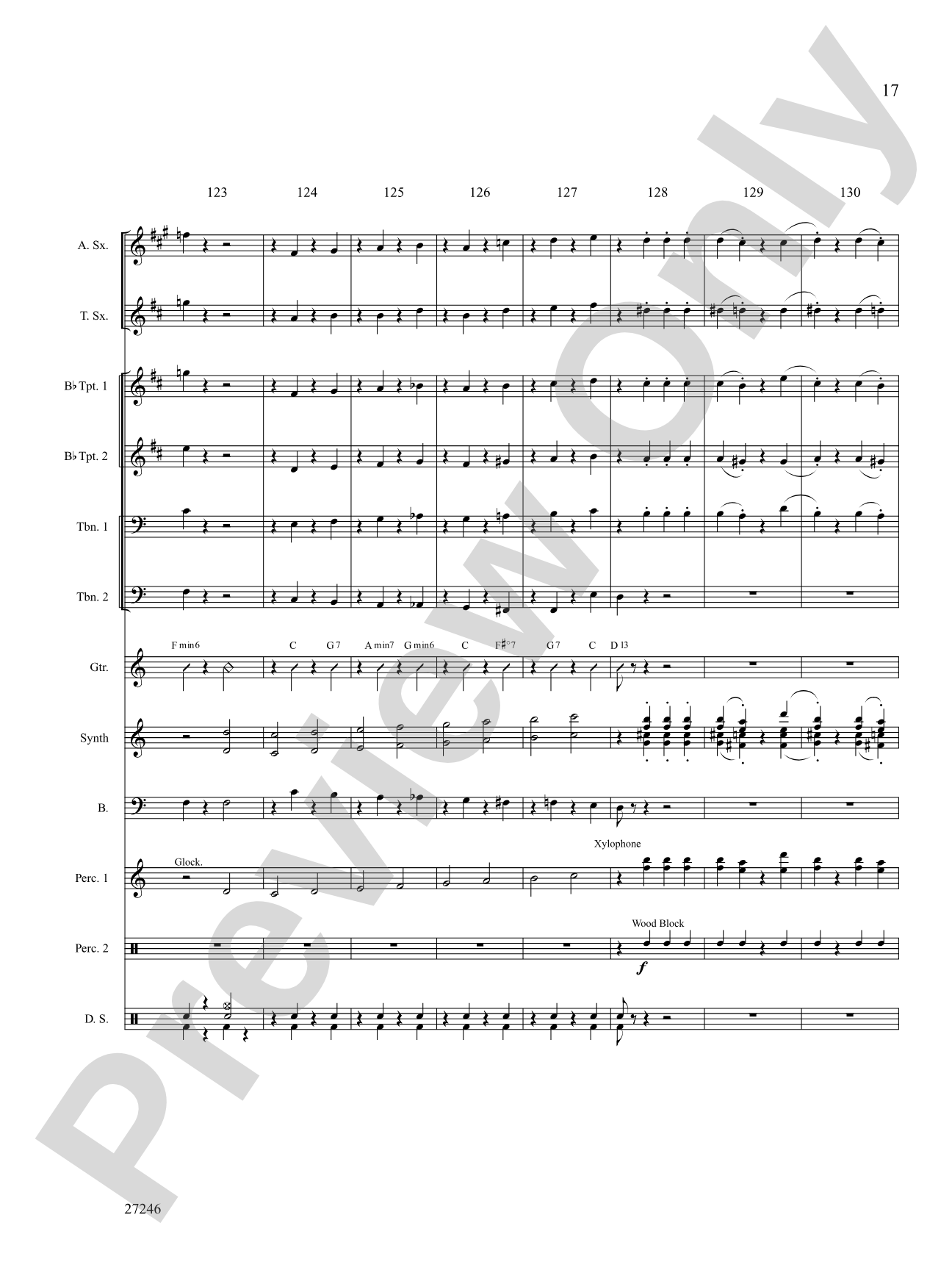
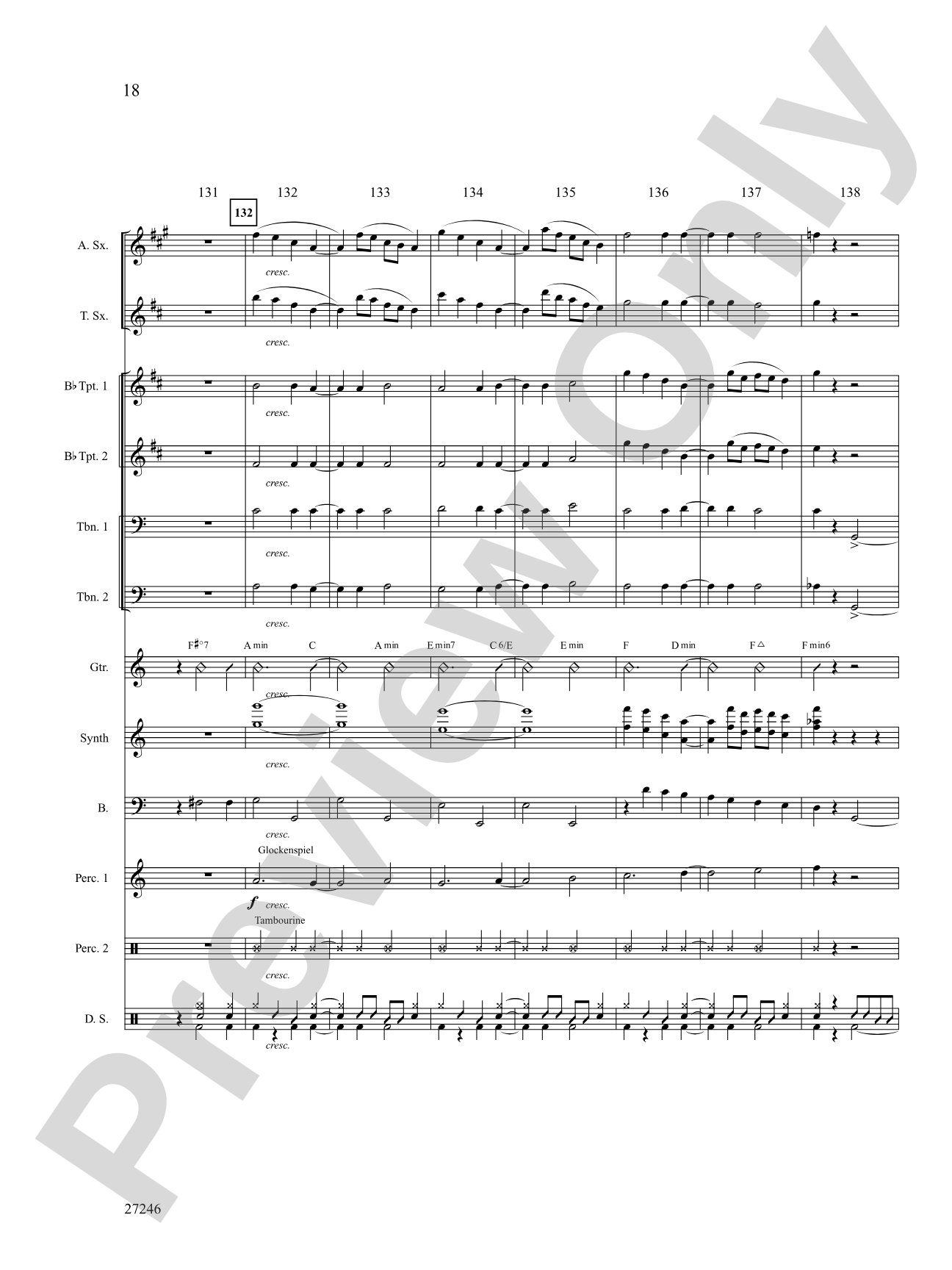
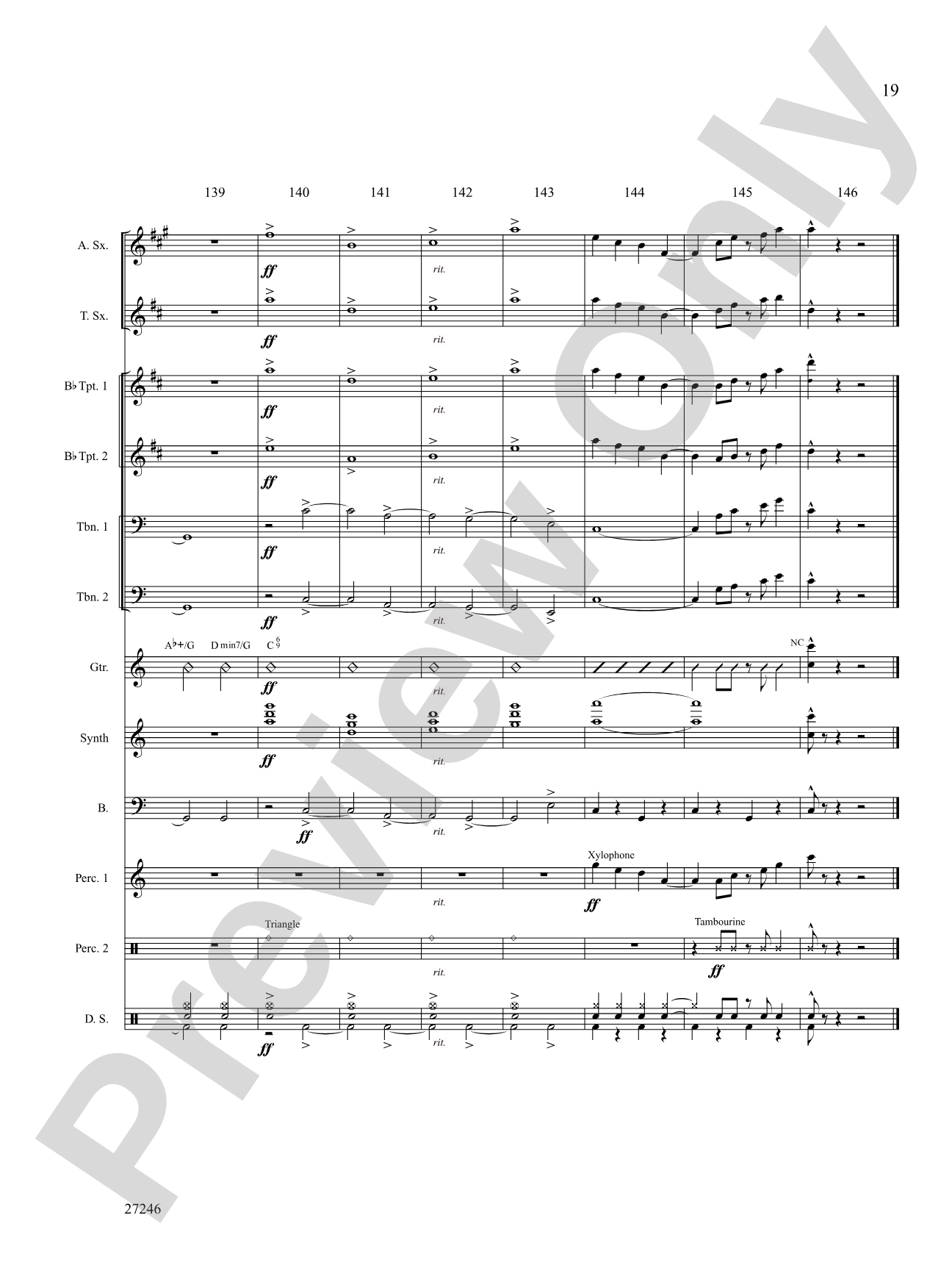
From the classic musical Gypsy comes this bright 2-beat number that's virtually a Broadway anthem. Phil Kern has kept the show-biz feel of the song intact, with a Broadway-style band accompaniment, available on the SoundTrax CD or as a performable SoundPax. A real showstopper; use it as a concert opener or closer with any of your choirs.


Don't just read it, hear it, play along with it, and watch your students grow with it. In MakeMusic Cloud, Everything's Coming Up Roses (from Gypsy): Choral SoundPax comes alive with professional accompaniment, adjustable tempo, and built-in practice tools that turn solo practice into real progress.
Open in the Player
Jump straight in and assign it today.
Start Your Free Trial
Open this title and explore the full library in minutes.
Sample Audio
1
Audio File
--:--
0:00
0:00
Sample Video
No sample videos found.
Additional Details
Series:
Alfred Pop Choral Series
Publisher:
Alfred Music
Page Count:
24
SKU:
00-PK-0001309
Instrumentation:
SoundPax
More about this title
About the Composer: Jule Styne
Jule Styne (1905-1975) was one of Broadway's most prolific and successful composers, creating the scores for iconic musicals including Gypsy, Funny Girl, Bells Are Ringing, and High Button Shoes. His gift for writing instantly memorable melodies paired with sophisticated harmonic language made him a favorite among performers and audiences alike, and his work remains a cornerstone of the Broadway canon.
Styne's compositions are particularly valued in music education for their theatrical energy, strong melodic content, and the way they engage singers of all levels. His songs challenge performers to bring character and personality to their singing while remaining accessible to school and community choirs.
Why we love this
Phil Kern's arrangement preserves the infectious showmanship of the original while tailoring it for choir. The SoundPax accompaniment gives you authentic Broadway sound without needing a full pit band, making this a genuine crowd-pleaser that works equally well as a concert opener or finale.
What to expect
Pure Broadway confidence and optimism. The melody sparkles with that classic Styne shine, and Kern's arrangement keeps the momentum rolling with rhythmic punch and bright harmonies that feel both vintage and alive. Singing this number creates an instant connection with audiences; it has the kind of infectious joy that makes people smile.
Who it's for
This arrangement suits choirs of any voice configuration looking for a proven crowd-pleaser with Broadway credentials. You'll find it works best with singers who can handle a pop/musical theater style and have enough rhythmic security to land the show-biz articulations cleanly.
How to get the most out of it
- Emphasize the rhythmic snap of the 2-beat feel; this is a song built on energy and forward motion, so keep the pulse crisp even at moderate tempos.
- Let the soloists (if you divide the verse-chorus roles) own their moments; the arrangement supports clear voice parts, so don't bury individual singers in the blend.
- Listen carefully to the SoundPax accompaniment during rehearsal to sync your entrance cues and rhythm hits with the band; familiarity breeds confidence.
- Build dynamics from soft to full; the original packs punch, and your chorus will feel the impact when you shape the phrase arc across the entire number.
How to use it
Open your winter or spring concert with this to set an upbeat tone, or save it as a finale to send the audience out on a high. It pairs well alongside other musical theater selections or works as a standalone statement of showmanship in a mixed concert program.
Skills your students will build
- Singing in 2-beat (cut time) with rhythmic precision
- Broadway style diction and articulation
- Responding to an accompaniment track and ensemble cohesion
- Character expression and theatrical communication