Dry Bones Cover Image

Dry Bones: Choral Octavo SoundTrax CD

$27.99 USD
Sale price  $27.99 USD Regular price 
Skip to product information
Dry Bones Cover Image

Dry Bones: Choral Octavo SoundTrax CD

Traditional Spiritual / arr. Mark Hayes

Item: 00-17793

$27.99
Shipped

One moment…

Description

Dry Bones: Choral Octavo SoundTrax CD isn't in MakeMusic Cloud just yet...but it could be. Let us know you'd like to see it, and you'll help shape what comes next. In the meantime, start a free trial and dive into thousands of interactive titles your students can play along with today.

Sample Pages

Sample Audio
0:00
0:00
Sample Video
Additional Details
Series: Alfred Choral Designs
Publisher: Alfred Music
UPC: 038081166049
SKU: 00-17793

More about this title

About the Arranger: Mark Hayes
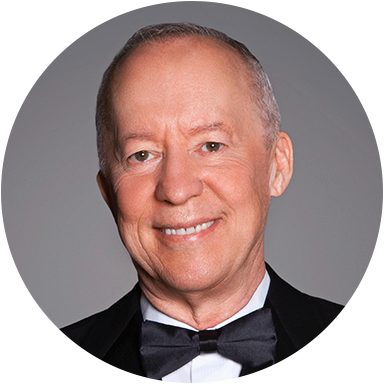
Mark Hayes

Mark Hayes brings over 1,750 published compositions to his credit, working across sacred, secular, choral, and instrumental genres with equal fluency. A summa cum laude graduate from Baylor University's piano performance program, he has established himself as a composer and conductor of international standing, premiering major works at Lincoln Center, the Vatican, and Carnegie Hall. His work in Christian music earned him Baylor's Award for Exemplary Leadership in 2010, and he continues to conduct at prestigious venues while maintaining an active composing and arranging practice.

Beyond the concert hall, Hayes has extended his compositional reach into musical theater, orchestration, and recording production. His versatility across musical styles and his particular gift for piano writing reflect a career built on accessibility without compromising artistic substance. Based in Kansas City, Missouri, Hayes remains committed to creating music that serves both performers and audiences across genres and skill levels.

Why we love this

Hayes's arrangement brings fresh life to this spiritual classic while preserving its soulful core. The recorded accompaniment gives smaller or developing choirs the freedom to focus on blend and interpretation without instrumental support, and the availability of instrumental parts opens up flexible performance possibilities. Directors consistently return to Hayes's work because his voicings sit naturally in the voice and his accompaniments enhance rather than overshadow the singers.

What to expect

A contemplative spiritual that honors the original while speaking directly to contemporary singers. Hayes's harmonic language creates moments of gentle surprise without ever feeling precious, balancing reverence with the quiet joy this tune naturally carries.

Who it's for

Choirs seeking an accessible spiritual arrangement that works for both festival and worship settings. Appropriate for developing ensembles through experienced groups; the recorded accompaniment supports younger singers while the piece's depth rewards more sophisticated interpretation.

How to get the most out of it

  • Build the dynamic shape gradually from verse to verse; let the text's emotional weight guide your interpretation rather than forcing intensity early.
  • Listen closely to the recorded accompaniment during rehearsal to lock the rhythmic feel, then gradually reduce dependence on it so the choir owns the groove independently.
  • Balance the narrative quality of the lyrics with the spiritual dignity of the tune; this arrangement rewards singers who understand what they're singing about.
  • If adding instrumental parts, have those players hear the recorded version first to absorb the intended style and feel.

How to use it

Pair this with other Hayes arrangements for a cohesive concert aesthetic, or feature it as a festival selection where the recorded accompaniment gives your choir a competitive edge. The spiritual's universal themes make it valuable during Easter programming or any concert emphasizing faith and resilience.

Skills your students will build

  • Maintaining consistent groove and rhythmic independence over sustained accompaniment
  • Interpreting spiritual idiom authentically (call-and-response phrasing, rhythmic flexibility)
  • Balancing solo and ensemble textures within a single arrangement
  • Building dynamic shape across verse structures without relying on volume alone

You May Also Like