Dixie Cover Image

Dixie: String Orchestra Conductor Score

$6.00 USD
Sale price  $6.00 USD Regular price 
Skip to product information
Dixie Cover Image

Dixie: String Orchestra Conductor Score

Arr. Edmund J. Siennicki

Grade: 2

Item: 00-29711S

$6.00
Shipped

One moment…

Description
A famous folk song during the 1800s, this tune was one of Abraham Lincoln's favorites. This new arrangement is very playable and a great way to give extra meaning to your students' study of the Civil War. (2:15)
Correlates with Strictly Strings Book 1, page 35.

Dixie: String Orchestra Conductor Score isn't in MakeMusic Cloud just yet...but it could be. Let us know you'd like to see it, and you'll help shape what comes next. In the meantime, start a free trial and dive into thousands of interactive titles your students can play along with today.

Sample Pages

Sample Audio
0:00
0:00
Sample Video
Additional Details
Series: Highland/Etling Strictly Strings
Publisher: Alfred Music
Page Count: 8
UPC: 038081328331
SKU: 00-29711S

More about this title

About the Arranger: Edmund J. Siennicki
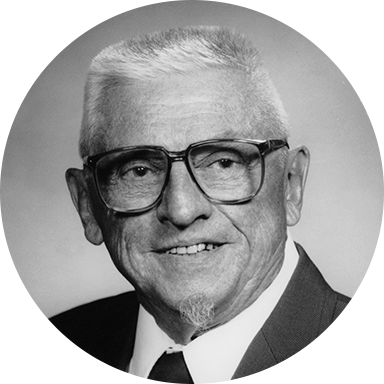
Edmund J. Siennicki

Edmund J. Siennicki's formative years in Cleveland were shaped by an unexpected encounter at age 12 with the legendary pianist Ignacy Jan Paderewski, a meeting that sparked a lifelong commitment to composition and music education. He earned his Bachelor's degree from Kent State University, where he composed the university's fight song (still performed at football games today), and later completed his MA at Teachers College, Columbia University, studying composition with Herbert Elwell and electronic music with Sergio Barroso.

Throughout his career, Siennicki has balanced creative work with teaching, spending much of his professional life in Cleveland's junior high schools while also serving on the faculty at Michigan and Kent State University. His compositions have earned recognition in National School Orchestra contests, and he was invited to serve as composer in residence at the MacDowell Colony twice. With approximately 200 published compositions and two decades of consecutive ASCAP awards, he continues to compose and conduct clinics in schools.

Why we love this

Siennicki's arrangement transforms a historically charged folk melody into a Grade 2 reading experience that students can genuinely enjoy playing, rather than struggle through. The orchestration gives every section meaningful musical responsibility, and pairing it with Civil War studies creates a tangible connection between what students learn in class and what they perform in rehearsal.

What to expect

Nostalgic and grounded, with the earnest quality of a melody that has endured for over 150 years. There's a wistfulness in the tune that invites players to listen to themselves and each other rather than simply counting through measures.

Who it's for

Grade 2 string orchestras ready to move beyond unison playing into basic divisi and harmonic texture. This arrangement works especially well for directors pairing music with history lessons or building a concert around American folk repertoire.

How to get the most out of it

  • Balance the melody so it sings above the accompaniment, even when divided strings carry the supporting voices. Early Grade 2 groups often bury the tune, so conductor cueing helps maintain clarity.
  • Keep the tempo steady and deliberate. The folk character works best when students have time to shape their phrases rather than rushing through.
  • Use the historical context to build performance energy. Knowing this tune mattered to Lincoln and to people living through the Civil War gives students reason to care about their execution.
  • Mark the dynamic changes clearly in all parts so the ensemble understands when to step back and when to push forward together.

How to use it

Program this as part of a thematic concert exploring American history and song, or use it as a bridge piece between a classroom unit on the Civil War and a winter or spring concert. At 2:15, it fits comfortably in programs of mixed difficulty and serves well as a second or third number when audiences need a moment to settle in.

Skills your students will build

  • Reading simple divisi in upper and lower string sections
  • Maintaining independent rhythmic lines while listening for harmonic support
  • Shaping sustained phrases with deliberate dynamics
  • Balancing solo line with ensemble accompaniment

You May Also Like