Dixie Cover Image

Dixie: String Orchestra Conductor Score & Parts

$42.00 USD
Sale price  $42.00 USD Regular price 
Skip to product information
Dixie Cover Image

Dixie: String Orchestra Conductor Score & Parts

Arr. Edmund J. Siennicki

Grade: 2

Item: 00-29711

makemusic Cloud badge

Need it now?

Buy Digital Version
$42.00
Shipped

One moment…

Description
A famous folk song during the 1800s, this tune was one of Abraham Lincoln's favorites. This new arrangement is very playable and a great way to give extra meaning to your students' study of the Civil War. (2:15)
Correlates with Strictly Strings Book 1, page 35.

Don't just read it, hear it, play along with it, and watch your students grow with it. In MakeMusic Cloud, Dixie: String Orchestra Conductor Score & Parts comes alive with professional accompaniment, adjustable tempo, and built-in practice tools that turn solo practice into real progress.

Sample Pages

Sample Audio
0:00
0:00
Sample Video
Additional Details
Series: Highland/Etling Strictly Strings
Publisher: Alfred Music
Page Count: 72
UPC: 038081328324
SKU: 00-29711

More about this title

About the Arranger: Edmund J. Siennicki
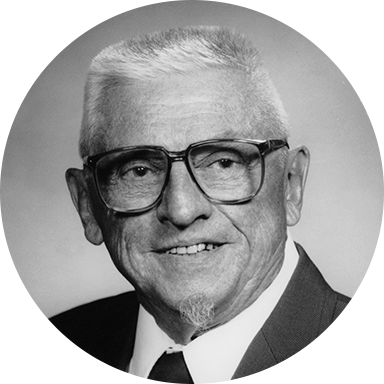
Edmund J. Siennicki

Edmund J. Siennicki began his musical journey in Cleveland, Ohio, where a formative conversation with pianist Ignacy Jan Paderewski at age 12 shaped his artistic direction for decades to come. He earned his Bachelor's degree from Kent State University, where he composed the university's fight song, still performed at football games today, and later completed his MA at Teachers College, Columbia University. His composition studies with Herbert Elwell and Vincent Persichetti, alongside electronic music training with Sergio Barroso, gave him a comprehensive foundation across classical and contemporary idioms.

Throughout his career, Siennicki has balanced composing with teaching and advocacy for music education. His works have earned recognition in the National School Orchestra composition contests, and he served as composer in residence at the MacDowell Colony twice. As both a bassoon and piano performer, he brought practical instrumental knowledge to his teaching positions in Cleveland junior high schools and later at Michigan and Kent State University. With approximately 200 compositions in print and two decades of ASCAP awards, Siennicki continues to compose, visit schools, and conduct clinics.

Why we love this

Siennicki's arrangement respects the folk melody's integrity while keeping the string writing accessible for Grade 2 ensembles. The 2:15 duration makes it substantial enough for concert programming without overextending rehearsal time, and pairing it with American history units elevates what could be a simple folk tune into a meaningful cultural and educational moment.

What to expect

The melody carries the warmth and familiarity of a beloved folk song, grounded in the historical moment of the Civil War era. The string arrangement is clean and straightforward, letting young players experience the satisfaction of shaping a recognizable tune with genuine musical purpose rather than just technical exercise.

Who it's for

String orchestra directors teaching Grades 2-3 who want to enrich students' understanding of American history through music. This arrangement works equally well for conductors building festival or concert repertoire with younger ensembles and for instructors using Strictly Strings Book 1 as their core curriculum.

How to get the most out of it

  • Establish a steady, unhurried tempo that lets the melody breathe; resist the urge to rush the familiar tune, which can flatten its historical weight.
  • Balance the parts so the primary melody voice carries clearly without the supporting strings drowning it out; this clarity reinforces the tune's recognition factor.
  • Use the two-minute-plus duration to explore dynamic shape throughout; even a Grade 2 arrangement benefits from subtle crescendos and releases that add character.
  • Attend to intonation in unison passages, which are foundational to this level and essential when the melody is the focal point.

How to use it

Program this alongside other American folk repertoire or Civil War-era selections to create a thematic concert unit. It also works naturally as a bridge between technical studies and repertoire in a Strictly Strings curriculum, giving students immediate context for the skills they're building.

Skills your students will build

  • Playing sustained melodic lines with consistent tone quality
  • Reading and maintaining independent part assignments in Grade 2 string voicings
  • Responding to conductor cues for dynamic and tempo adjustments
  • Collaborating with section members to balance melody and accompaniment
  • Connecting historical context to musical interpretation

You May Also Like
